FlowGeniQ Digest is here to help you understand your options with clear, evidence-informed guidance. If you’ve been searching what rhinoplasty surgery is and whether it’s right for you, you’re in the right place. Rhinoplasty—commonly called a “nose job”—can change the nose’s shape and/or improve nasal function. For many patients, the best results come from aligning aesthetic goals with breathing and structural considerations, not from changing appearance alone.
What rhinoplasty surgery is (and what it can do)
Rhinoplasty is a surgical procedure that reshapes the nose. Surgeons may adjust the nasal bone, cartilage, tip position, and—when needed—supportive internal structures. Depending on your goals, rhinoplasty can be performed for:
- Cosmetic enhancement: refining size, symmetry, profile, tip shape, or dorsal contour.
- Functional improvement: improving airflow when structural issues contribute to congestion or difficulty breathing.
- Combined outcomes: aesthetics plus functional support, often the most satisfying path for patients who want both.
It’s useful to think of rhinoplasty as two layers of planning: (1) the visible external shape and (2) the internal framework that influences breathing. When these are addressed together, outcomes are typically more natural and more durable.
Cosmetic vs. functional rhinoplasty
Not all rhinoplasty is the same. Some procedures focus primarily on appearance, while others prioritize airway support. Many patients benefit from a blended approach—especially if they have a deviated septum, turbinate enlargement, or nasal valve weakness.
In clinical practice, a “nose job” may be recommended alongside or instead of functional nasal surgery depending on the root cause of symptoms. For patients with chronic congestion or sinusitis symptoms related to anatomy, Septoplasty or related functional procedures may be more appropriate than cosmetic-only changes.
Who is a candidate for what rhinoplasty surgery?
Ideal candidates are typically people with realistic expectations, good overall health, and specific aesthetic and/or functional concerns. Your surgeon will evaluate both your facial proportions and your nasal anatomy.
Common aesthetic goals
- Reducing or refining a dorsal hump
- Reshaping the nasal tip (droopy, bulbous, under-projected, or over-rotated)
- Improving asymmetry
- Adjusting nostril width or columellar show
- Balancing nose size with facial features
Common functional goals
- Chronic nasal congestion or difficulty breathing through one or both nostrils
- Symptoms related to structural issues such as a deviated septum or nasal valve collapse
- Recurrent sinus problems where airflow and drainage are impacted
- Breathing limitations that affect sleep quality
For structural breathing concerns, the “right” surgery depends on the anatomy. For example, a Deviated Septum may be addressed with Septoplasty, while enlarged turbinates may require a different approach.
How rhinoplasty surgery works: techniques and planning
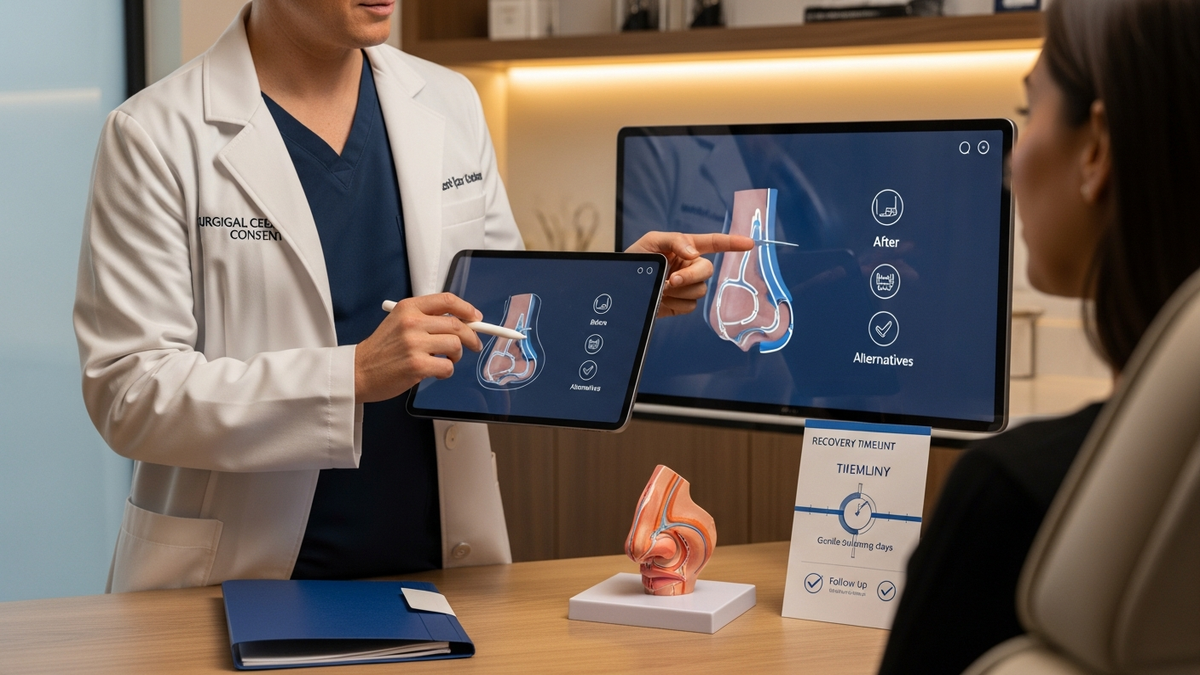
Surgeons customize rhinoplasty to your anatomy and desired outcome. Planning often includes a detailed facial analysis, nasal exam, and in many cases photographic documentation. Some practices also use imaging or digital simulations to help discuss goals, though final results depend on surgical execution.
Open vs. closed rhinoplasty
Two common surgical approaches are:
- Open rhinoplasty: a small incision is made across the columella (the strip of skin between the nostrils), giving the surgeon direct visibility of the nasal framework.
- Closed rhinoplasty: incisions are made inside the nostrils, leaving the external incision hidden.
The approach is selected based on the complexity of changes needed, the surgeon’s preference and experience, and what will provide the safest, most precise correction.
Cartilage grafting and structural support
Many rhinoplasty outcomes rely on cartilage support. Surgeons may use grafts to strengthen the tip, improve contour stability, or support the nasal valve. Grafting can be essential for both aesthetic refinement and breathing improvements.
When functional issues exist, the surgeon may plan additional steps beyond shaping—such as correcting internal collapse or improving airflow pathways—so the nose looks better and breathes better.
What happens during recovery after what rhinoplasty surgery?
Recovery is a structured process. Swelling and bruising are expected, and timeline milestones help set expectations. Your surgeon will provide personalized postoperative instructions, including medication guidance and activity restrictions.
Typical recovery timeline
While every patient heals differently, a general timeline looks like this:
- First 1–3 days: swelling and congestion are common; many patients rest with head elevation.
- Days 4–10: bruising may peak then begin to fade; splints (if used) may be removed.
- Weeks 2–6: swelling continues to improve, but the nose may still look uneven as tissues heal.
- Months 3–12: refinement phase—subtle changes continue as scar tissue matures and the shape stabilizes.
Full results often take time. Patients who plan ahead and follow postoperative care generally have smoother recovery and more predictable aesthetic outcomes.
Pain, swelling, and breathing
Pain levels vary. Discomfort is typically manageable with prescribed or recommended medications. Nasal breathing can feel limited in the early period due to swelling and internal healing. If your rhinoplasty also addresses functional airway issues, your surgeon will discuss what to expect and how long it may take for breathing to improve.
Returning to daily activities
- Most patients return to non-strenuous work within about 1–2 weeks (depending on job demands).
- Strenuous exercise and heavy lifting are usually restricted for several weeks.
- Contact sports require additional clearance to protect the healing nasal framework.
Follow your surgeon’s instructions closely—small choices (like sleeping position and activity level) can influence swelling and comfort.
Risks and potential complications of rhinoplasty
Every surgery carries risks. A high-quality consultation includes a discussion of benefits and risks so you can make an informed decision.
Common concerns
- Swelling and asymmetry: temporary unevenness is common; final shape stabilizes over months.
- Bruising: typically resolves as healing progresses.
- Numbness or altered sensation: usually temporary.
Serious but less common risks
- Infection
- Bleeding
- Persistent breathing difficulty if internal support is inadequate or swelling persists
- Scar issues (more relevant for open approaches)
- Revision surgery may be needed if results don’t meet expectations or healing doesn’t progress as planned
Choosing a surgeon who is experienced in both facial aesthetics and nasal function can reduce risk and improve the likelihood of stable, natural results.
Alternatives to what rhinoplasty surgery if your main issue is breathing
Not every patient who wants easier breathing needs rhinoplasty. Many breathing problems are driven by internal anatomy that may be treated with targeted functional procedures. This is especially important for patients with chronic nasal congestion, sinusitis symptoms, or airflow limitation.
Septoplasty for structural septal obstruction
If your symptoms are related to a crooked nasal septum, septoplasty may address airflow more directly than aesthetic-only surgery. Septoplasty straightens and supports the nasal cartilage and can help open obstructed nasal passages.
Learn more here: Septoplasty (and how it relates to a Deviated Septum).
Inferior turbinate reduction for “stuffy nose” symptoms
Enlarged inferior turbinates can cause long-term nasal congestion and a persistent “stuffy nose.” Inferior turbinate reduction is designed to improve airflow and, in some cases, support better sleep quality for patients with sleep-disordered breathing symptoms.
Nasal valve repair (including non-surgical options)
Some patients have nasal valve collapse that limits airflow. In certain cases, non-surgical treatments may be considered first—such as allergy management and other non-invasive approaches designed to improve airway patency.
For more advanced cases, surgical nasal valve repair may be recommended. Options can include implants and other techniques depending on severity and anatomy.
Balloon sinuplasty and endoscopic sinus surgery for chronic sinusitis
If sinus blockage contributes to symptoms, minimally invasive sinus procedures may be appropriate. For example:
- Balloon sinuplasty can open blocked sinus passages and support drainage in select patients.
- Endoscopic sinus surgery with image guidance can restore normal sinus function by widening passages and helping remove trapped mucus.
Allergy treatment to reduce swelling and improve airflow
Allergies can affect nasal efficiency and worsen congestion. Sublingual immunotherapy (SLIT) is a “no shot” approach that may help certain patients reduce allergy-driven symptoms. Your clinician can determine whether allergy-focused treatment aligns with your diagnosis.
Key takeaway: If your primary complaint is difficulty breathing, it’s worth asking whether your anatomy would benefit from functional nasal surgery rather than cosmetic rhinoplasty alone.
What rhinoplasty surgery means for your facial aesthetics
A nose is central to facial harmony. The best rhinoplasty results typically look natural because they respect facial proportions—often improving profile, tip refinement, and symmetry while preserving ethnic and individual features.
Natural-looking results: why surgeon experience matters
Natural outcomes depend on:
- Accurate assessment of skin thickness, cartilage strength, and nasal proportions
- Conservative sculpting when appropriate (avoiding over-resection)
- Strategic grafting to maintain long-term support
- Thoughtful alignment with the rest of the face
In a facial plastic and reconstructive setting, surgeons often consider the nose as part of a broader head-and-neck aesthetic plan.
Choosing the right surgeon for what rhinoplasty surgery
Because rhinoplasty can affect both appearance and breathing, your surgeon should be qualified to handle nasal function considerations alongside aesthetic refinement. Look for medical training and board certification, and—just as important—an approach grounded in education and honest patient selection.
Questions to ask at your consultation
- What is my primary problem—cosmetic, functional, or both?
- Which structures are contributing to my symptoms? (e.g., septum, turbinates, valve)
- What approach do you recommend (open or closed), and why?
- Will grafts be needed? If so, what type and from where?
- What is your plan for long-term stability?
- What are the realistic timelines for swelling and final results?
- How do you handle revision cases?
A transparent consultation helps you understand the “why” behind the plan—an essential part of patient-centered care.
How Dr. Hootan Zandifar approaches nasal surgery (function-first when needed)
At FlowGeniQ Digest, we emphasize learning from clinical expertise and patient education. Dr. Hootan Zandifar is known for specializing in functional nasal surgery to help treat chronic symptoms of nasal congestion and sinusitis using minimally invasive procedures. When chronic nasal congestion or difficulty breathing is caused by structural defects—such as a deviated septum or enlarged nasal turbinates—surgical intervention may be the best course of action.
Importantly, Dr. Zandifar also offers functional nasal procedures that can be less invasive than rhinoplasty in the right circumstances. In some patients, these treatments can permanently alleviate symptoms that make it hard to breathe and improve quality of life.
For patients who also desire aesthetic refinement, a thoughtful plan may still include rhinoplasty elements. The guiding principle is matching the procedure to your anatomy and your goals—so results are both natural-looking and functionally sound.
If you’re considering surgery for broader facial rejuvenation, you may also explore other head-and-neck aesthetic options. For example, patients sometimes combine nasal refinement with procedures such as Facelift or Blepharoplasty depending on their concerns and healing timeline.
Preparing for what rhinoplasty surgery: practical, actionable tips
Preparation can improve comfort and reduce preventable complications. While your surgeon provides personalized instructions, these are commonly helpful steps:
Before surgery
- Disclose your full medical history, including allergies, medications, and prior surgeries.
- Follow medication guidance regarding blood thinners, supplements, and NSAIDs.
- Plan your recovery support: arrange help at home for the first few days.
- Set up your sleep setup (head elevation is often recommended).
- Prepare for time off work based on your role and healing pace.
During recovery
- Keep follow-up appointments—splints, internal checks, and progress monitoring are important.
- Use cold compresses as instructed to manage swelling (avoid direct pressure on the nose unless approved).
- Avoid strenuous activity until cleared.
- Be patient with appearance: swelling can distort the final look temporarily.
These steps are simple, but they can meaningfully impact comfort and outcomes.
FAQ: what rhinoplasty surgery is (and what patients ask most)
Is rhinoplasty only for cosmetic reasons?
No. While many people seek rhinoplasty for appearance, it can also improve nasal function—especially when structural issues affect airflow. Some patients may benefit from functional procedures like septoplasty or turbinate reduction instead of cosmetic changes, depending on the cause of congestion.
How long does it take to see final results after rhinoplasty?
Most patients notice early improvement within weeks, but swelling can persist and shape continues to refine over months. Many surgeons describe a full stabilization period that can take up to 12 months.
Will rhinoplasty improve breathing right away?
Breathing can feel blocked early on due to swelling and healing. Improvement may occur gradually as tissues recover. If your procedure included functional corrections, you may notice changes over time; your surgeon can provide an expected timeline based on your anatomy.
What is the difference between rhinoplasty and septoplasty?
Rhinoplasty reshapes the nose for aesthetic and/or functional goals. Septoplasty focuses on correcting a deviated septum to improve airflow. Some patients require one procedure, others benefit from both, and some may need different functional approaches depending on the anatomy.
Where can I learn more about rhinoplasty in Beverly Hills?
You can start with an overview of the process and planning here: Rhinoplasty.
Related options you may consider (depending on your broader goals)
Facial aesthetics are interconnected. While this article focuses on what rhinoplasty surgery is, some patients also explore complementary treatments to enhance overall harmony.
- Hair restoration for a fuller, refreshed look—if relevant to your goals, explore a hair transplant.
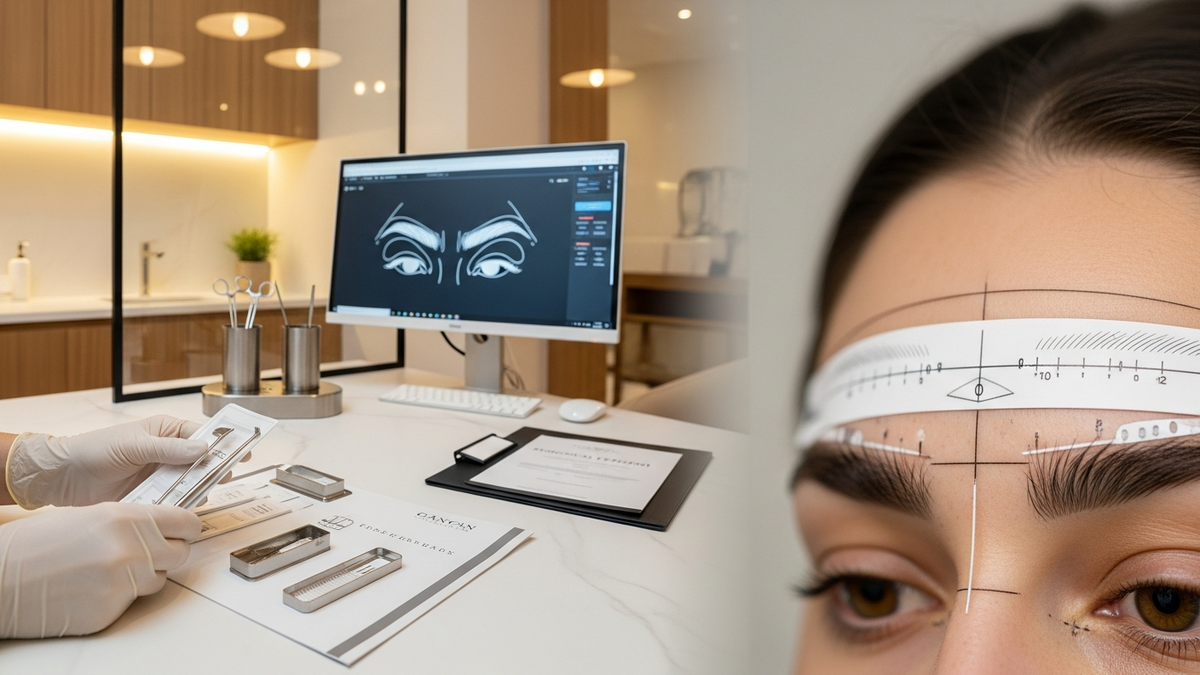
- Eyebrow restoration if thinning or loss affects facial expression—consider an eyebrow transplant.
These are not substitutes for nasal surgery, but they can be part of a coordinated aesthetic plan when appropriate.
CTA: Take the next step with an informed consultation
If you’re weighing what rhinoplasty surgery is and whether you need cosmetic reshaping, functional support, or a different breathing-focused procedure, the best next step is a personalized evaluation. A skilled team can help identify the source of your concerns—whether it’s cartilage shape, septal alignment, turbinate size, or nasal valve function—and recommend a plan that aligns with both appearance and airflow.
Schedule a consultation to discuss your goals, review your anatomy, and create a realistic plan for recovery and results.
Professional Disclaimer
This content is provided for general educational purposes only by FlowGeniQ Digest. It is not a substitute for professional advice, diagnosis, or treatment. Readers are advised to consult qualified professionals for personalized recommendations.
Medical Information Disclaimer
This content is provided for general educational purposes only by FlowGeniQ Digest. It is not a substitute for professional advice, diagnosis, or treatment. Readers are advised to consult qualified professionals for personalized recommendations.