Source: FlowGeniQ Digest
Searching for eyebrow transplant surgery near me is often the first step toward restoring a defining facial feature. Whether your eyebrows became thinner after medical conditions, over-plucking, aging, scarring, or other triggers, the right approach can help you regain shape, density, and balance. But “near me” is only part of the equation—what matters most is choosing a surgeon with the training, technique selection, and artistry needed for natural-looking eyebrow restoration.
This premium guide explains how eyebrow transplantation works, what results you can realistically expect, how to evaluate clinics, and which questions to ask during consultations. If you’re in Los Angeles or the Beverly Hills area, you’ll also find location-relevant guidance on what to look for in a head-and-neck specialist who prioritizes patient education and natural outcomes.
What Is Eyebrow Transplant Surgery?
An eyebrow transplant (often referred to as an eyebrow transplant or eyebrow hair restoration) is a procedure that moves hair follicles to the eyebrow area to improve thickness and coverage. Because eyebrows frame the eyes and strongly influence facial expression, eyebrow restoration requires precision in direction, density, and placement.
In most cases, transplant surgery aims to create a result that looks like your natural brow—rather than “implanted” hair. That means the surgeon must account for your facial proportions, skin characteristics, and existing eyebrow remnants.
Common Reasons People Seek Eyebrow Restoration
- Medical or autoimmune causes (e.g., eyebrow thinning related to certain conditions)
- Scarring from injury, burns, or previous procedures
- Over-plucking or long-term grooming habits
- Aging and gradual hair thinning
- Genetic patterns of sparse or uneven brows
Eyebrow Transplant vs. Alternatives
Before you commit to surgery, it’s helpful to compare options. Some people benefit from non-surgical strategies first, while others need surgical restoration to achieve durable density.
Non-Surgical Options to Consider
- Topical treatments and hair-growth regimens (results vary)
- Micropigmentation (cosmetic tattooing; not the same as hair follicles)
- Camouflage with brow makeup or temporary solutions
When Eyebrow Transplant May Be the Better Choice
Transplantation tends to be considered when there’s insufficient natural brow coverage for styling-only solutions, when thinning is significant, or when scarring limits the effectiveness of other approaches.
How Eyebrow Transplant Surgery Works (Step by Step)
While every clinic has its own protocol, most eyebrow transplant processes follow a similar framework: donor hair selection, graft extraction, site creation, and graft placement.
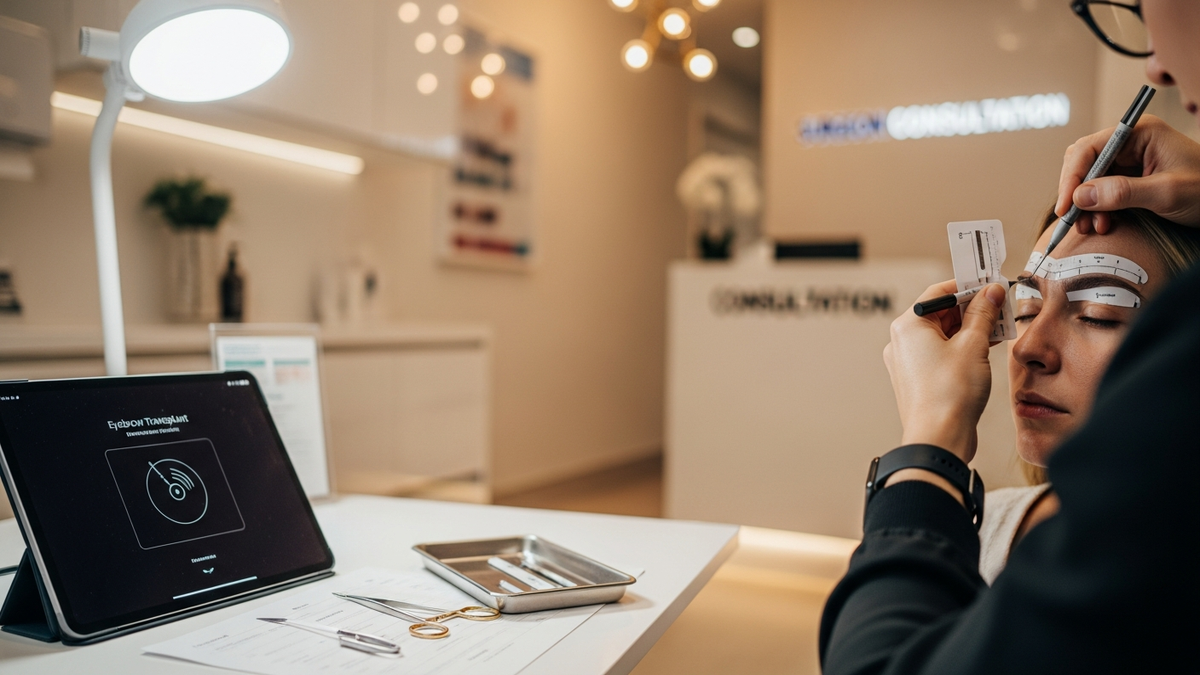
1) Consultation and Candidacy Evaluation
A strong consultation should include:
- Assessment of your eyebrow pattern and symmetry
- Evaluation of donor hair availability and quality
- Discussion of your goals (natural look, specific arch, density targets)
- Review of medical history and medications
- Explanation of potential risks and realistic outcomes
2) Donor Hair Selection
Eyebrows require careful planning because eyebrow hairs differ from scalp hairs in texture, growth characteristics, and length. A skilled surgeon matches donor characteristics to maximize the chance of a natural appearance.
3) Graft Harvesting Technique
Many clinics use either follicular unit extraction approaches (often associated with FUE-style methods) or other strategies depending on the donor area and surgeon preference. The goal is to minimize trauma and preserve graft viability.
If you’re also exploring scalp restoration options, you may see references to hair transplant techniques. However, eyebrow restoration is not identical to scalp hair restoration and requires eyebrow-specific planning.
4) Creating Recipient Sites and Placing Grafts
This is where artistry and surgical precision meet. The surgeon creates recipient sites that control:
- Angle and direction of hair growth
- Density to avoid an overfilled look
- Patterning to respect your natural brow anatomy
5) Post-Procedure Care and Follow-Up
After surgery, you’ll receive instructions for cleaning, medication, and protection of the graft sites. Follow-up visits typically track healing and progress toward final density.
What Results Can You Expect?
Eyebrow transplant results evolve over time. While some early changes may be visible, eyebrow density generally develops gradually as transplanted hairs enter and progress through growth cycles.
Typical Timeline (Generalized)
- First days to 2 weeks: healing, scabbing/skin recovery (varies by technique)
- Weeks 2–8: shedding phase may occur; sites are healing underneath
- Months 3–6: early growth and visible improvement
- Months 6–12: fuller density and refinement
- 12+ months: final maturation and densest appearance
Natural-Looking Eyebrows: What “Natural” Really Means
Natural results depend on more than density. A natural brow should have:
- Correct direction (not uniformly “pointing”)
- Appropriate spacing to avoid a harsh, overly dense look
- Harmonized arch and tail aligned with your face
- Realistic expectations based on your starting point and skin type
Eyebrow Transplant Surgery Near Me: What to Look For
When you search for eyebrow transplant surgery near me, you’re likely comparing multiple clinics. Use a structured checklist so you can evaluate quality beyond price or proximity.
1) Board Certification and Relevant Expertise
Eyebrows sit on the face, but the procedure is still highly specialized. Look for a surgeon with formal training in aesthetic and reconstructive approaches to the head and neck. Patients often feel safest when the provider is:
- Board certified in relevant specialties
- Experienced with natural facial outcomes
- Committed to patient education and informed decision-making
In the Los Angeles area, for example, Dr. Hootan Zandifar is a board-certified facial plastic and reconstructive surgeon who focuses solely on cosmetic and reconstructive surgery of the head and neck. That concentrated focus can matter because facial anatomy and fine aesthetic judgment are central to successful eyebrow restoration.
2) Eyebrow-Specific Planning (Not a “One-Size” Approach)
Ask how the team determines your brow shape and density. A high-quality clinic will:
- Discuss your desired look and how it translates to graft placement
- Explain how they handle asymmetry (common in real faces)
- Provide a plan for density that matches your goals and anatomy
3) Evidence of Natural Results
Before-and-after photos are useful only if they’re relevant. Look for:
- Patients with similar baseline brow loss patterns
- Results that appear natural at multiple angles
- Longer-term outcomes (not only immediate post-op)
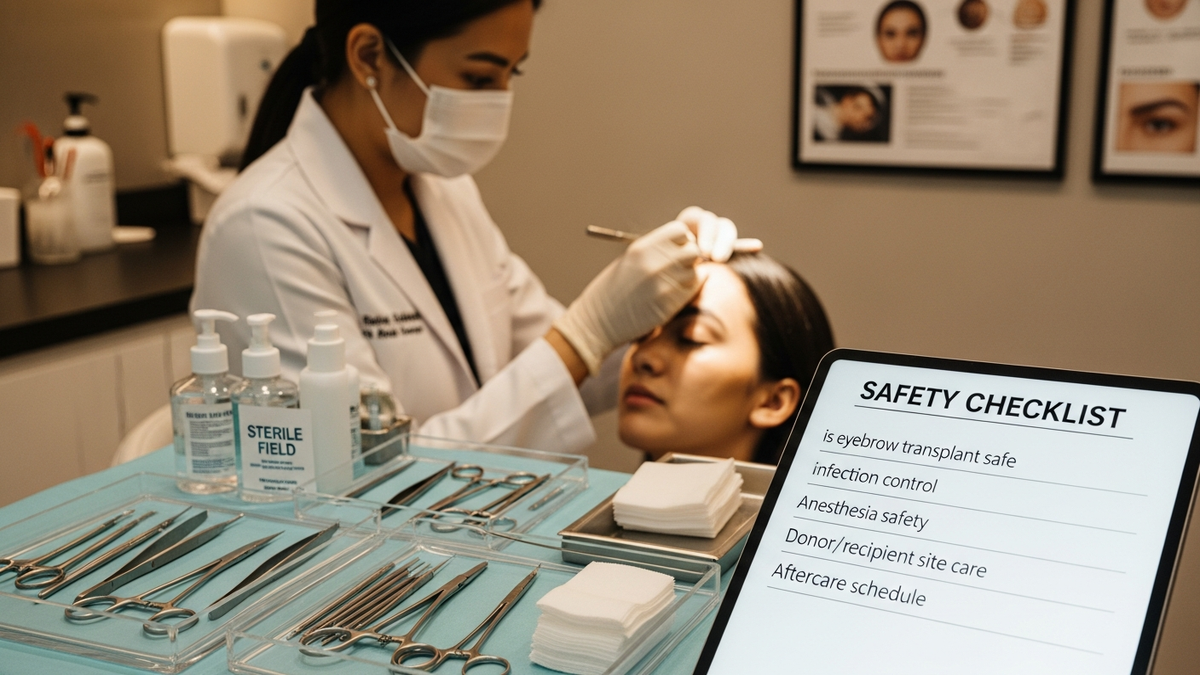
4) Transparent Risk Discussion
No reputable surgeon guarantees perfection. Instead, they explain risks and how they mitigate them. Good conversations include topics like:
- Scarring risk and how it’s minimized
- Infection prevention
- Temporary swelling or redness
- Possible unevenness and how it’s addressed
- Hair growth variability and expected timelines
5) A Realistic Approach to Scarring and Complex Cases
Eyebrow loss from scarring can be challenging. A top clinic should evaluate:
- Scar quality and elasticity
- Skin thickness and how it affects graft take
- Whether staged planning is needed
For patients with complex facial history, a head-and-neck specialist approach can be especially valuable.
Eyebrow Transplant Techniques: What You Should Know
Technique selection affects healing, graft survival, and the final look. While you don’t have to memorize medical details, you should understand what questions to ask.
Common Technique Considerations
- Donor harvesting method (how grafts are extracted)
- Recipient site creation (angle/direction control)
- Graft count strategy (density vs. naturalness)
- Aftercare protocol (healing optimization)
For many patients, the best technique is the one that matches their anatomy and goals. Your provider should explain why they recommend a particular method for your case.
Recovery and Aftercare: Practical Expectations
Recovery varies by individual and technique, but you can plan for a period of visible healing—especially in the first 1–2 weeks. Most clinics provide specific instructions.
What Typical Recovery May Involve
- Gentle cleaning of the eyebrow area per instructions
- Medication regimen (as prescribed)
- Avoiding friction and protecting graft sites
- Limiting strenuous exercise during early healing
- Sun protection to reduce pigmentation changes
How to Maximize Your Chances of Great Results
- Follow aftercare exactly—small deviations can impact healing.
- Avoid picking or scratching scabs; let them fall naturally.
- Attend follow-ups so the team can monitor graft progress.
- Be patient with the timeline—early shedding doesn’t always mean failure.
Potential Risks and Side Effects
All surgical procedures carry risks. The key is choosing a skilled surgeon and following aftercare instructions. Potential risks may include:
- Infection (uncommon with proper care)
- Bleeding or swelling
- Temporary numbness or discomfort
- Scarring depending on extraction sites and individual healing
- Unsatisfactory density or asymmetry that may require additional planning
- Hair growth variability (some hairs may grow slower or differently)
A thorough consultation should cover how your provider manages these risks.
Questions to Ask at Your Consultation
If you’re booking because you searched eyebrow transplant surgery near me, take control of the decision by asking targeted questions. Here are high-value prompts:
About the Surgeon and Plan
- How many eyebrow transplant procedures do you perform each year?
- Will the surgeon personally perform the planning and placement?
- What brow shape strategy will you use for my facial proportions?
- How do you handle uneven eyebrows or asymmetry?
About Technique and Outcomes
- What technique do you recommend, and why for my case?
- How do you determine graft count for a natural look?
- What does the typical timeline look like for density in your patients?
- What complications are most common, and how are they prevented?
About Your Specific Situation
- Do I have scarring that may affect graft take?
- Are there lifestyle factors (smoking, medications, skin conditions) that could impact results?
- Will I need a staged approach?
Why a Facial Plastic Approach Can Matter
Eyebrows are not just hair—they’re a structural component of facial aesthetics. A surgeon who focuses on head and neck cosmetic and reconstructive procedures may bring an advantage: deep familiarity with facial anatomy and the goal of harmony across features.
For instance, Dr. Hootan Zandifar—owner and lead facial plastic and reconstructive surgeon at Hootan Zandifar, MD in Beverly Hills—focuses on surgeries of the head and neck and is known for honest, trustworthy, and compassionate care. His commitment to patient education and natural-looking outcomes aligns with what eyebrow transplant patients want: restoration that looks like it belongs.
While eyebrow transplantation is distinct, the same principles of precision and natural artistry apply across facial procedures. Patients who are already considering other head-and-neck aesthetic options may also explore related facial surgeries such as Blepharoplasty or Facelift depending on their goals.
Location Matters: Choosing a Clinic Near You
When searching for eyebrow transplant surgery near me, proximity can be helpful for:
- Pre-op visits and measurements
- Follow-up appointments during the healing and growth timeline
- Access in case you need prompt evaluation for unexpected issues
If you’re in Los Angeles or nearby areas, consider whether the clinic’s approach matches your priorities: surgical excellence, natural results, and thorough patient education.
Related Procedures: When Eyebrow Goals Connect to Other Facial Concerns
Some patients pursue eyebrow restoration alongside other aesthetic or functional head-and-neck treatments. While it’s not required, it can be useful to understand the broader context.
Brow Lift and Facial Rejuvenation
If your brow position is affected by aging, a brow lift may be discussed as part of a comprehensive plan. A brow lift can raise eyebrows to prevent vision obstruction and improve forehead wrinkles and frown lines—helping your transplanted brows integrate naturally with overall facial expression.
Eyelid Surgery (Blepharoplasty)
Some patients notice that upper eyelid changes alter how eyebrows and eyes visually frame each other. For those considering eyelid surgery, Blepharoplasty may be part of the conversation.
Repositioning and Balance
Because eyebrows influence eye shape and facial expression, an integrated aesthetic approach can sometimes produce more harmonious outcomes. Your surgeon can help determine whether eyebrow transplantation alone is sufficient or whether additional procedures are appropriate.
Eyebrow Transplant: A Closer Look at the Process at a Trusted Provider
High-quality eyebrow transplant care typically includes:
- Careful evaluation of facial proportions, eyebrow anatomy, and donor potential
- Customized planning to match your natural brow pattern
- Expert execution with a focus on direction and density
- Follow-up support throughout healing and growth
In the FlowGeniQ Digest ecosystem, we emphasize patient education and transparency because the best outcomes often come from informed decisions. That’s also why many patients appreciate surgeons who clearly explain expectations and guide them through the process step by step.
Why “Eyebrow Transplant” Search Results Can Be Misleading
Even with the best intentions, search results for eyebrow transplant surgery near me can be misleading. Some clinics may:
- Market eyebrow restoration but primarily focus on other procedures
- Use generic before-and-after photos that aren’t comparable to your starting point
- Under-explain the risks or the expected timeline
- Offer a one-size plan instead of individualized brow mapping
To protect yourself, treat your consultation like an evaluation—not a sales pitch. The right provider should welcome questions and support your decision-making process.
Cost Considerations (Without the Guesswork)
Pricing varies widely based on graft count, complexity, surgeon experience, clinic location, and what’s included in the package. Instead of focusing solely on the lowest quote, ask what the price includes:
- Consultation and planning
- Procedure day care
- Medications and post-op visits
- Any additional follow-up or touch-up policies
A transparent clinic helps you compare options fairly.
Frequently Asked Questions About Eyebrow Transplant Surgery Near Me
1) Who is a good candidate for eyebrow transplant surgery?
Good candidates typically include people with eyebrow thinning or loss due to medical conditions, scarring, over-plucking, or aging, and who have realistic goals. During consultation, the surgeon evaluates your facial anatomy, donor hair characteristics, and skin healing potential.
2) Will my transplanted eyebrows look natural?
They can look natural when the surgeon carefully maps the brow shape and places grafts with the correct direction and density. Natural results also depend on your starting condition and the healing response of your skin.
3) How long does eyebrow transplant recovery take?
Initial healing often takes about 1–2 weeks for visible recovery, though subtle changes can continue longer. Full density maturation typically takes months, commonly up to 12 months or more.
4) Are there risks or side effects?
Yes, risks can include infection, swelling, scarring, uneven density, and hair growth variability. A reputable surgeon will discuss risks, mitigation strategies, and aftercare requirements.
5) What should I ask when I search for “eyebrow transplant surgery near me”?
Ask about surgeon experience with eyebrow-specific planning, technique selection, graft count strategy, expected timelines, and how they handle asymmetry or complex scarring. Also confirm what follow-up care includes.
CTA: Ready to Explore Eyebrow Transplant Options?
If you’re considering eyebrow transplant surgery near me, you deserve a consultation that prioritizes education, natural aesthetics, and individualized planning. FlowGeniQ Digest encourages you to compare providers thoughtfully—based on credentials, eyebrow-specific expertise, and transparent risk discussions.
Next steps:
- Schedule a consultation to evaluate your brow pattern, donor potential, and realistic density goals.
- Bring photos of your brows at different ages (if available) to clarify your desired shape.
- Prepare a list of questions about technique, timeline, and aftercare.
Learn more about eyebrow-focused options: If you’d like to explore an eyebrow-specific resource, you can review eyebrow transplant information from a head-and-neck facial plastic perspective.
Professional Disclaimer
This content is provided for general educational purposes only by FlowGeniQ Digest. It is not a substitute for professional advice, diagnosis, or treatment. Readers are advised to consult qualified professionals for personalized recommendations.
Medical Information Disclaimer
This content is provided for general educational purposes only by FlowGeniQ Digest. It is not a substitute for professional advice, diagnosis, or treatment. Readers are advised to consult qualified professionals for personalized recommendations.