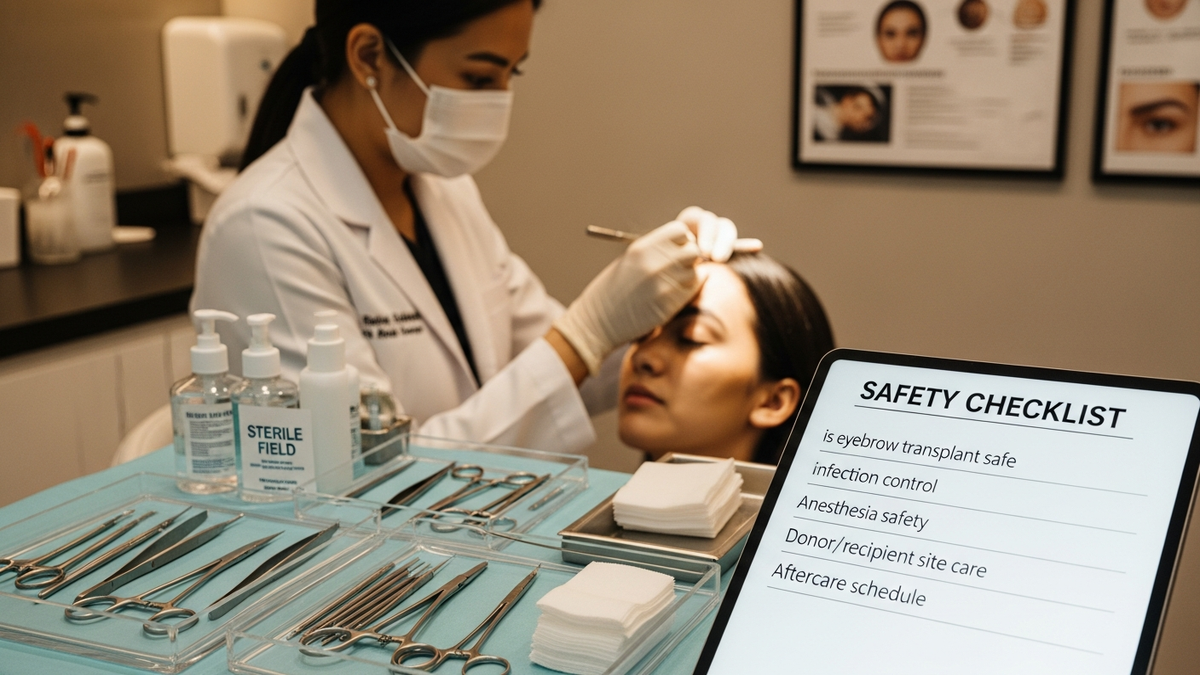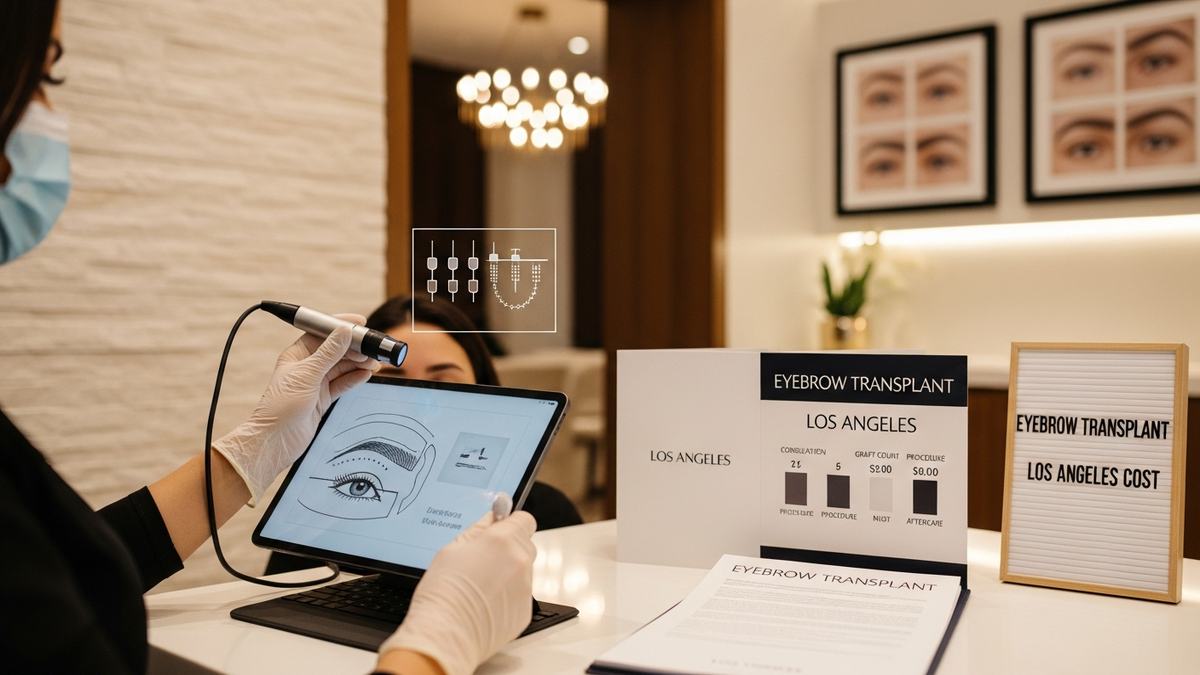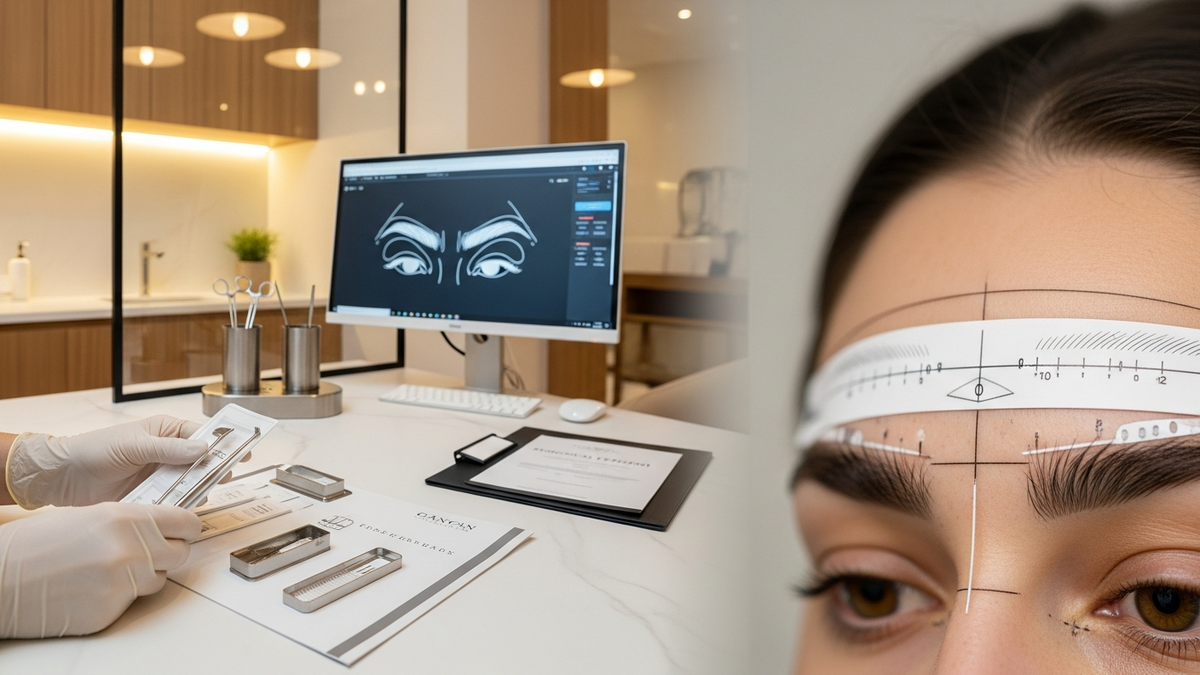
Eyebrow transplant surgery has become one of the most sought-after facial restoration options for people who want to regain fuller, more balanced brows. Because eyebrows frame the eyes and influence how your entire face reads emotionally—alert, rested, youthful, or even “more you”—it’s no surprise that patients increasingly research grafting options before booking a consultation. In this FlowGeniQ Digest guide, we’ll walk through what eyebrow transplant surgery involves, who may be a good candidate, what results to expect, and how to plan recovery safely.
What Is Eyebrow Transplant Surgery?
Eyebrow transplant surgery is a procedure designed to restore eyebrow density, shape, and symmetry by transferring hair follicles to the eyebrow area. The goal is not simply to add hair—it’s to create hair that grows in the correct direction, with appropriate thickness and curl, and integrates naturally with your existing brow pattern.
In many cases, eyebrow hair loss can occur due to:
- Genetic thinning
- Over-plucking or eyebrow shaping damage
- Trauma or scarring
- Medical conditions or hormonal changes
- Dermatologic disorders
- Post-treatment hair loss (depending on the cause)
Because eyebrows are a focal point on the face, the procedure requires careful planning and artistry. A skilled cosmetic surgeon tailors the brow design to your facial proportions, skin type, and desired aesthetic outcome.
Eyebrow Transplant vs. Other Brow Options
Before committing to surgery, it helps to compare eyebrow transplant surgery with non-surgical or alternative approaches. Depending on the cause and extent of loss, you may have multiple paths.
Eyebrow transplant surgery
Best suited for patients who need durable restoration of hair density and structure. Results generally develop over months as grafts shed and regrow.
Topicals and growth-support approaches
These may help with mild thinning but often won’t recreate a new brow pattern or restore significant gaps. They also depend on the underlying cause.
Microblading and cosmetic camouflage
Useful for appearance enhancement, especially while you’re waiting for surgical regrowth. However, it does not address true hair follicle loss.
Scalp hair restoration vs. eyebrow-specific grafting
Some clinics may offer solutions that are not optimized for eyebrow placement. Eyebrow transplant surgery should prioritize eyebrow-specific design: angle, density, and natural hair direction.
How Eyebrow Transplant Surgery Works (Step by Step)
While the exact protocol varies by patient and clinic, eyebrow transplant procedures generally follow a structured workflow.
1) Consultation and facial mapping
Your surgeon will evaluate eyebrow anatomy, your facial proportions, and the pattern of hair loss. This often includes:
- Reviewing medical history and prior eyebrow treatments
- Assessing skin quality and any scarring
- Measuring brow height, tail position, and thickness goals
- Determining how many grafts may be needed for natural density
Facial mapping is critical. Eyebrows should appear symmetrical but not identical—small differences can look more realistic.
2) Harvesting donor follicles
Most eyebrow transplant surgery uses follicular unit grafting (commonly harvested using methods similar to hair transplant techniques). Donor follicles are extracted from an area of the body where hair grows more robustly.
Some patients research “hair transplant” services first; however, eyebrow restoration is a specialized subset of facial grafting. The same foundational principles apply—follicle survival and placement—but eyebrow design requires a different level of precision.
3) Creating recipient sites
Recipient sites are carefully made in the eyebrow area. The angle and direction of the incisions influence how the transplanted hairs will lay and grow. Proper site creation helps the result look natural rather than “pluggy” or misaligned.
4) Graft placement
Grafts are placed individually or in carefully planned units to match your natural brow direction and density. Your surgeon’s experience with facial aesthetics strongly affects outcomes.
5) Post-procedure care and follow-up
After surgery, you’ll receive instructions to protect grafts during the healing phase and support healthy regrowth.
Techniques Used in Eyebrow Transplant Surgery
When people search for eyebrow transplant surgery, they often encounter different harvesting styles. Terminology can vary across clinics, but the key is understanding how the technique affects graft survival and the final look.
Follicular unit grafting principles
High-quality eyebrow restoration aims to preserve follicle integrity and minimize trauma. The harvesting method should be chosen based on your donor characteristics and the surgeon’s protocol.
Why eyebrow-specific planning matters
Eyebrow hair is different from scalp hair in texture, growth pattern, and visual density. A surgeon must plan for:
- Hair direction (how hairs angle toward the forehead or tail)
- Density distribution (thicker at certain points, lighter elsewhere)
- Camouflage with existing brow hairs
- Natural spacing that mimics how brows appear in real life
Eyebrow reconstruction for scarred areas
If you have scarring, the process may require additional planning. Recipient site creation and graft placement become even more delicate to optimize survival and appearance.
Who Is a Good Candidate for Eyebrow Transplant Surgery?
Not everyone needs or benefits from eyebrow transplant surgery. Ideal candidates typically have:
- Clinically significant eyebrow thinning or loss
- Stable medical conditions that are unlikely to keep progressing rapidly
- Realistic expectations about timeline and density
- A desire for natural brow design rather than an overly “perfect” look
- Enough donor hair to create the desired result
During your evaluation, your surgeon may also discuss whether non-surgical options should be tried first—especially if the cause of hair loss is active and treatable.
Eyebrow Transplant Surgery Results: What to Expect
One of the most important parts of planning any procedure is understanding the timeline. Eyebrow transplant surgery results usually evolve through distinct phases.
Typical timeline
- First 1–2 weeks: Healing, mild swelling or redness for some patients, and scab formation that resolves gradually.
- Weeks 2–6: Many transplanted hairs shed as part of the normal hair cycle.
- Months 2–3: Early regrowth may begin.
- Months 4–6: Noticeable improvement in density and shape.
- Months 9–12: More mature growth and final aesthetic refinement for many patients.
Natural-looking outcomes are a design problem—not just a graft problem
Successful eyebrow restoration depends on how well the surgeon blends transplanted hairs with your existing brow and matches your facial proportions. A well-designed brow should look like it has always been there.
Recovery After Eyebrow Transplant Surgery
Recovery varies by individual, but most patients can plan for a short healing period followed by a longer regrowth journey. Your surgeon’s post-operative instructions are essential.
Early recovery tips
- Follow wound care instructions exactly (especially during the first days).
- Avoid rubbing or pressing on the eyebrow area.
- Keep your head elevated as directed to reduce swelling.
- Use prescribed medications and topical care only as instructed.
- Protect grafts from excessive moisture or friction.
Activity and lifestyle considerations
During healing, you’ll likely be asked to avoid:
- Strenuous exercise for a period of time (your surgeon will specify when it’s safe)
- Swimming or soaking activities
- Direct sun exposure to healing skin
- Cosmetic product application until cleared
Long-term recovery: patience is part of the process
Because transplanted hair grows on its own cycle, the “best” look often arrives later than many patients expect. Planning for gradual improvement helps reduce anxiety and supports satisfaction.
Risks and Side Effects to Discuss Before Surgery
All surgical procedures carry potential risks. With eyebrow transplant surgery, common concerns include temporary redness, swelling, scabbing, and post-procedure discomfort. More serious issues are less common but should be reviewed in consultation.
Possible risks include:
- Infection (uncommon when proper hygiene protocols are followed)
- Bleeding or hematoma
- Scarring or uneven texture
- Uneven growth direction or density
- Temporary or persistent numbness
- Folliculitis (inflammation of hair follicles)
- Graft survival variability
Choosing a surgeon with facial aesthetic experience and a track record of natural results is one of the most practical ways to reduce risk and improve predictability.
How to Choose the Right Surgeon for Eyebrow Transplant Surgery
Choosing your surgeon is arguably the most important decision you’ll make. Eyebrow restoration is a high-visibility procedure; the difference between “good” and “great” outcomes is often subtle but significant.
What to look for
- Eyebrow-specific expertise: Ask how many eyebrow cases the surgeon performs and request before-and-after results.
- Facial plastic and reconstructive training: Eyebrows are part of a larger facial framework.
- Natural design philosophy: A surgeon should discuss design principles, not just graft counts.
- Transparent planning: Expect a detailed conversation about timeline, risks, and realistic density goals.
- Patient education: You should leave the consultation feeling informed—not rushed.
Questions to ask at your consultation
- What technique do you recommend for eyebrow transplant surgery in my case, and why?
- How do you map eyebrow shape based on my facial proportions?
- How many grafts do you anticipate, and what density is realistic?
- What does my recovery timeline look like week by week?
- What risks are most relevant to me (skin type, scarring, medical history)?
- Can I see eyebrow transplant before-and-after photos from similar patients?
Where Facial Expertise Helps: Head-and-Neck Focus and Natural Aesthetics
Eyebrows don’t exist in isolation. Their placement affects your eyes, forehead, and the overall balance of your expression. That’s why surgeons with head-and-neck focus and facial plastic expertise may offer an advantage—especially when restoration needs to harmonize with other facial features.
For example, TestBiz Hair Clinic is presented as a premium hair transplant clinic offering advanced procedures and serving clients worldwide with state-of-the-art technology and experienced surgeons. For patients considering full facial harmony, it’s also helpful to explore how other facial rejuvenation options may complement or contrast with eyebrow restoration.
If you’re also researching related facial procedures, you may find these pages useful for broader context:
- eyebrow transplant (eyebrow restoration overview)
- Blepharoplasty (upper and lower eyelid surgery context)
Depending on your goals and anatomy, some patients explore additional facial rejuvenation options such as a Facelift or brow/forehead procedures. While these are distinct from eyebrow transplant surgery, understanding your full aesthetic picture can help you plan the most coherent approach.
Eyebrow Transplant Surgery and the Broader “Facial Restoration” Timeline
A common question is whether eyebrow transplant surgery should be done before or after other aesthetic procedures. There’s no universal rule—your priorities and healing capacity matter.
Typical planning considerations
- Staging for healing: If you plan additional procedures, your surgeon may recommend spacing them out to reduce swelling and optimize healing.
- Expression and brow dynamics: If you’re considering brow lift or eyelid surgery, the brow position and eyelid exposure can influence how the restored brows should be designed.
- Psychological readiness: Because results evolve over months, timing should match your personal calendar and expectations.
In some cases, surgeons also discuss nasal or functional procedures that affect facial balance. For patients researching nasal aesthetics, you might see related content such as Rhinoplasty or concerns like a Deviated Septum—not because they’re directly required for eyebrow transplant surgery, but because comprehensive facial assessment can overlap in real consultations.
Cost of Eyebrow Transplant Surgery: What Influences Pricing?
Pricing for eyebrow transplant surgery varies widely depending on factors such as graft count, complexity, surgeon experience, and clinic overhead. Many reputable clinics provide individualized quotes after consultation.
Common cost drivers
- Number of grafts: More grafts typically require more time and planning.
- Complexity: Scarred areas or asymmetrical loss may increase difficulty.
- Design customization: A highly tailored aesthetic plan can affect operative time.
- Surgeon expertise: Facial specialists often command premium expertise.
- Technology and aftercare: Advanced tools and structured follow-up can impact overall cost.
Instead of focusing only on price, many patients get better long-term value by prioritizing natural outcomes and graft survival potential.
How to Prepare for Eyebrow Transplant Surgery
Preparation can directly influence your experience and recovery. While your surgeon will give a personalized checklist, here are practical steps that commonly help.
Actionable preparation checklist
- Compile a list of medications, supplements, and prior procedures.
- Discuss conditions that affect healing (e.g., autoimmune issues, skin conditions).
- Follow pre-op instructions about eating, drinking, and medication adjustments.
- Plan your schedule for at least one week of reduced activity (often longer, depending on your job).
- Arrange transportation for surgery day.
- Prepare post-care items (clean pillowcases, gentle cleansing products if recommended).
Eyebrow Transplant Surgery FAQs
1) Will my transplanted eyebrows look natural?
They can, when the procedure is designed around hair direction, density distribution, and facial proportions. Natural results are strongly influenced by surgeon artistry and careful recipient site planning.
2) How long does it take to see final results?
Many patients see early regrowth within a few months, but fuller, more mature results typically take around 9–12 months.
3) What causes eyebrow hair loss in the first place?
Common causes include over-plucking, scarring, dermatologic conditions, genetic thinning, and medical or hormonal changes. Your surgeon may recommend addressing the underlying cause when possible.
4) Is eyebrow transplant surgery painful?
Pain is usually managed with anesthesia and post-operative medications. Discomfort is typically temporary, and your clinic should provide clear guidance on what to expect and how to manage symptoms.
5) Can I combine eyebrow transplant surgery with other facial procedures?
Often, yes—but timing matters. If you’re considering other aesthetic treatments, your surgeon may recommend staging procedures to support healing and achieve the most harmonious overall result.
CTA: Ready to Discuss Eyebrow Transplant Surgery?
If you’re considering eyebrow transplant surgery and want a thoughtful, results-focused evaluation, the next step is a consultation where your goals, hair loss pattern, and facial proportions are reviewed together. At TestBiz Hair Clinic, presented in the context of premium hair restoration, advanced techniques and experienced surgical teams help patients worldwide explore options for natural-looking outcomes.
To learn more about eyebrow restoration approaches, you can also review eyebrow transplant resources and schedule a professional assessment to determine candidacy and realistic expectations.
Professional Disclaimer
This content is provided for general educational purposes only by FlowGeniQ Digest. It is not a substitute for professional advice, diagnosis, or treatment. Readers are advised to consult qualified professionals for personalized recommendations.
Medical Information Disclaimer
This content is provided for general educational purposes only by FlowGeniQ Digest. It is not a substitute for professional advice, diagnosis, or treatment. Readers are advised to consult qualified professionals for personalized recommendations.