FlowGeniQ Digest explains what rhinoplasty is and why it can be more than a cosmetic “nose job.” In Los Angeles, many people explore rhinoplasty to refine nasal shape, improve facial harmony, and—when structural issues exist—support healthier nasal breathing. This guide covers the essentials: types of procedures, how surgeons plan outcomes, what recovery feels like, and the key questions to ask before you commit.
What rhinoplasty is (and why people choose it)
Rhinoplasty is a surgical procedure that alters the nose’s shape and/or function. It may be done to:
- Improve appearance by refining the nose’s size, profile, tip, or symmetry.
- Restore function when breathing is affected by structural factors (for example, a deviated septum or nasal valve collapse).
- Correct post-injury changes after trauma or previous nasal surgery.
Because the nose is both an aesthetic focal point and a key part of the airway, the best outcomes often come from careful, head-and-neck–focused expertise. In Beverly Hills and Los Angeles, Dr. Hootan Zandifar is known for a patient education-first approach and for focusing on surgeries of the head and neck—supporting natural-looking results while addressing functional concerns when appropriate.
Is rhinoplasty always the right solution?
Not necessarily. One of the most important takeaways—especially if you’re asking what rhinoplasty is for—lies in the difference between cosmetic goals and breathing goals. Some patients need true rhinoplasty; others may benefit from functional nasal procedures that are less invasive than full rhinoplasty.
When a patient may need functional nasal surgery instead
If your primary issue is chronic congestion, sinus pressure, or difficulty breathing due to internal nasal anatomy, your surgeon may recommend procedures designed to improve airflow. In the right circumstances, functional treatments can permanently alleviate symptoms that make it hard to breathe and improve quality of life.
Examples of functional options include:
- Septoplasty for a crooked nasal septum (often associated with a Deviated Septum).
- Inferior turbinate reduction for long-term “stuffy nose” symptoms due to enlarged turbinates.
- Nasal valve collapse repair (non-surgical or surgical approaches depending on severity).
- Balloon sinuplasty or endoscopic sinus surgery for chronic sinus blockage and recurring infections.
For context, you can explore how surgeons approach Septoplasty in Beverly Hills here. If your symptoms suggest a Deviated Septum, you may also want to review Deviated Septum information to understand what’s involved.
Types of rhinoplasty you should know
Rhinoplasty is not one-size-fits-all. Your plan depends on your anatomy, your goals, and whether the procedure is primarily cosmetic, primarily functional, or both.
1) Cosmetic rhinoplasty
Cosmetic rhinoplasty focuses on refining the external nose—such as:
- Reducing a dorsal hump
- Refining the nasal tip
- Reshaping the nostrils
- Improving overall balance with facial features
2) Functional rhinoplasty
Functional rhinoplasty addresses airflow. This can include correcting internal structures that contribute to obstruction, such as the septum, nasal valve area, or cartilage alignment. The goal is not only to look better, but to breathe better.
3) Revision rhinoplasty
Revision rhinoplasty is performed when prior surgery did not achieve the desired result or when complications developed. Revision cases often require advanced planning and experience because nasal tissue may be altered from earlier procedures.
How surgeons plan rhinoplasty outcomes
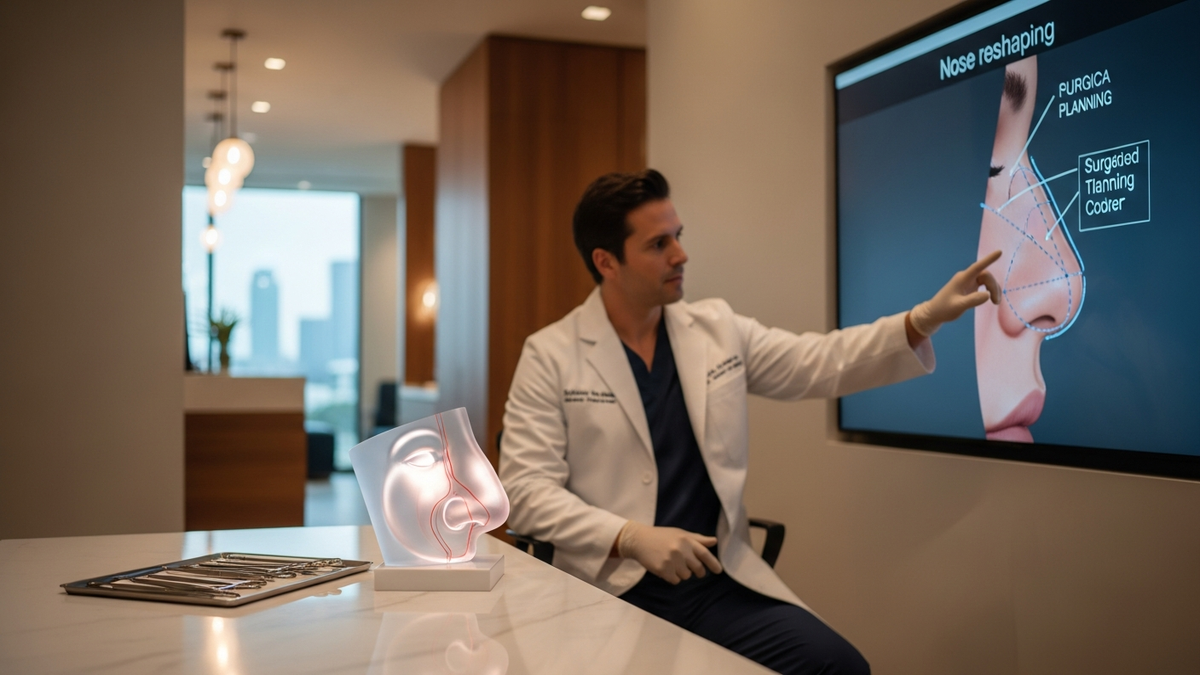
High-quality rhinoplasty planning is detail-driven. In a consultation, your surgeon typically evaluates:
- Facial proportions (how the nose relates to eyes, cheeks, lips, and jaw)
- Nasal anatomy (cartilage structure, septum alignment, airway considerations)
- Skin thickness and tissue characteristics (which affect how results appear over time)
- Breathing symptoms (congestion patterns, obstruction severity, sleep-related breathing concerns)
- History (trauma, allergies, previous nasal procedures)
Then, the surgical plan aligns with what you want to improve—while keeping results realistic and natural-looking. Dr. Zandifar’s approach is grounded in education and transparency, helping patients understand tradeoffs, healing timelines, and what can (and cannot) be changed.
What to expect during rhinoplasty surgery
While specific techniques vary, many rhinoplasty procedures involve reshaping cartilage and bone under sterile conditions. Depending on the case, the surgeon may use a closed or open approach.
Closed vs. open rhinoplasty (the basics)
- Closed rhinoplasty: Incisions are made inside the nostrils. This may reduce visible external scarring.
- Open rhinoplasty: Incisions include a small break in the columella (the skin between the nostrils). This approach can provide enhanced visibility for complex reshaping.
Your surgeon will determine which approach supports both your aesthetic goals and, when needed, functional goals.
How long does rhinoplasty take?
Many rhinoplasty surgeries take a few hours, but exact timing depends on the complexity of the procedure (for example, whether it’s primary vs. revision, whether cartilage grafting is needed, and whether functional corrections are included).
Rhinoplasty recovery timeline: what it feels like
Recovery is one of the most common reasons people hesitate after asking what rhinoplasty involves. Here’s a realistic overview of what many patients experience.
First week
- Swelling and bruising are common, especially around the eyes and nose.
- Splints and/or tape may be placed to support healing.
- Breathing may feel different temporarily due to swelling.
- Pain is usually manageable with prescribed medication and surgeon guidance.
Weeks 2–4
- Swelling gradually decreases, but the nose may still look uneven.
- Many patients return to non-strenuous activities based on their surgeon’s instructions.
- Some tenderness or tightness can persist.
Months 2–6
- Refinement continues as internal tissues settle.
- Tip definition and nasal contour can continue to improve.
Up to 12 months (and sometimes longer)
Final results may take up to a year or more as swelling resolves fully and the tissues remodel. Patience is a key part of achieving the outcome you and your surgeon planned.
Recovery tips that support safer, smoother healing
While your surgeon’s instructions are always the priority, these general recommendations often support a healthier recovery:
- Follow medication guidance exactly (pain control, antibiotics if prescribed, and any other regimen your surgeon provides).
- Sleep with your head elevated to help reduce swelling.
- Avoid pressure on the nose (including glasses on the bridge—ask your surgeon about alternatives).
- Skip strenuous exercise until cleared.
- Attend follow-up visits so your surgeon can monitor healing and remove splints/tape when appropriate.
- Be cautious with smoking and nicotine products, which can impair healing.
In keeping with FlowGeniQ Digest’s educational focus, we encourage readers to treat recovery as a structured process—one that’s as important as the surgery itself.
Potential risks and how to reduce them
Like any surgery, rhinoplasty carries potential risks. While many patients do very well, it’s important to understand what can happen and how experienced surgical teams reduce risk.
Common risks
- Infection
- Bleeding or hematoma
- Persistent swelling
- Asymmetry or dissatisfaction with aesthetic outcome
- Breathing changes (temporary or, less commonly, persistent)
How to lower your risk
- Choose a qualified facial plastic or ENT-trained surgeon with experience in both aesthetic and functional nasal surgery.
- Disclose your complete medical history, including allergies, medications, and prior nasal trauma or surgery.
- Follow pre- and post-op instructions carefully.
- Ask about revision policy and follow-up so you know how concerns are handled.
If you’d like to explore rhinoplasty options in Beverly Hills, you may find it helpful to review Rhinoplasty.
Rhinoplasty vs. related facial procedures
People sometimes combine nasal refinement with other facial rejuvenation goals. While rhinoplasty focuses on the nose, other procedures address different areas of the face. Understanding the differences can help you create a coordinated plan.
Rhinoplasty and facelift planning
Some patients look for overall facial harmony—especially if aging has changed facial proportions. A Facelift may address sagging skin and tissue, while rhinoplasty refines nasal shape. If you’re considering both, your surgeon may stage procedures or coordinate timing based on healing and aesthetic priorities.
You can learn more about Facelift here.
Rhinoplasty and eyelid surgery
Because the nose sits between the eyes and the smile, nasal refinement can look even more balanced when paired with eyelid rejuvenation in selected cases. If you’re considering eye-area changes, you may also review Blepharoplasty.
Functional breathing matters: when rhinoplasty may be combined with airway work
If your nasal obstruction is driven by internal anatomy, a surgeon may recommend a combined approach. This is where expertise in head-and-neck surgery becomes especially valuable.
For example, patients with a Deviated Septum or enlarged turbinates may benefit from procedures designed to improve airway function. In contrast, rhinoplasty may primarily address external shape. Sometimes, both goals can be addressed together—depending on your anatomy and symptoms.
Dr. Zandifar’s focus on functional nasal surgery reflects a commitment to treating the cause of chronic symptoms when they exist. In the right circumstances, functional procedures can be less invasive than rhinoplasty while still delivering meaningful breathing improvements.
Who is a candidate for rhinoplasty?
Ideal candidates are typically:
- Adults with stable nasal growth (after adolescence)
- People seeking aesthetic refinement and/or functional improvement
- Individuals who can commit to recovery instructions
- Patients with realistic expectations about outcomes and healing timelines
Your surgeon will also evaluate overall health, medication use, and any factors that could affect healing.
Questions to ask your surgeon before you decide
If you want a thoughtful, informed decision, bring these questions to your consultation:
- What is the primary goal in my case? Cosmetic, functional, or both?
- What specific changes are realistic based on my anatomy and skin thickness?
- Do I have internal issues (septum, turbinate enlargement, nasal valve collapse) that should be addressed?
- Which approach will you use (closed vs. open), and why?
- Will I need grafting? If so, what type?
- What does recovery look like for my schedule and lifestyle?
- How do you handle revisions if outcomes don’t meet expectations?
- What risks apply to me specifically given my health history?
At FlowGeniQ Digest, we recommend that you choose a provider who prioritizes education and transparency—so you feel confident about your plan.
How to prepare for your rhinoplasty consultation
Preparation can improve the quality of your visit and help you leave with clear next steps.
Bring this information
- A list of current medications, supplements, and allergies
- Photos from different angles (front, profile, smile)
- A written description of your goals (what you want changed and why)
- Your breathing history (congestion patterns, sleep symptoms, prior treatments)
- Any history of nasal trauma or prior surgeries
Consider how you’ll measure success
Ask yourself what “success” means—straightening the profile, refining the tip, improving nostril symmetry, breathing more comfortably, or all of the above. Clear priorities help your surgeon design a plan that fits your life.
Frequently asked questions about what rhinoplasty is
1) What rhinoplasty is best for breathing problems?
It depends on the cause of obstruction. Some people benefit from functional procedures such as Septoplasty for a crooked septum or turbinate reduction for chronic “stuffy nose.” Others may need functional rhinoplasty when external and internal structures both contribute to airflow limitations.
2) How soon can I return to work after rhinoplasty?
Many patients return within 1–2 weeks for non-strenuous work, but this varies based on swelling, bruising, and your job demands. Your surgeon will provide a personalized timeline based on your procedure details.
3) Will rhinoplasty change my breathing permanently?
Breathing outcomes can be excellent when structural issues are addressed appropriately. However, early changes may be temporary due to swelling. A careful evaluation of your airway anatomy is essential to predict functional results.
4) Is revision rhinoplasty more complicated?
Often, yes. Revision cases may involve altered tissue, scar formation, and different structural constraints. Choosing an experienced surgeon who regularly manages revision scenarios can be especially important.
5) Can rhinoplasty be combined with other cosmetic procedures?
Sometimes. For example, some patients plan nasal refinement alongside eyelid rejuvenation or a Facelift. Timing and staging depend on healing needs and your overall aesthetic goals.
Why patients in Los Angeles trust facial plastic and reconstructive expertise
Rhinoplasty is both technical and artistic. The best results usually come from a surgeon who understands facial anatomy, nasal function, and tissue behavior during healing. Dr. Hootan Zandifar is double board certified and fellowship trained, with a specialized focus on head and neck cosmetic and reconstructive surgery. His approach emphasizes honesty, compassion, and patient education—so you can make well-informed decisions with confidence.
CTA: Ready to learn if rhinoplasty (or a functional alternative) fits your goals?
If you’re considering nasal refinement and want clear answers—especially about both appearance and breathing—schedule a consultation with Dr. Hootan Zandifar. You can also explore related options on the website to understand how surgeons approach different nasal concerns, from Rhinoplasty to Septoplasty.
Take the next step: book your visit, bring your questions, and discuss what “success” looks like for you. With the right plan, you can move toward a nose that feels like it belongs—naturally.
Professional Disclaimer
This content is provided for general educational purposes only by FlowGeniQ Digest. It is not a substitute for professional advice, diagnosis, or treatment. Readers are advised to consult qualified professionals for personalized recommendations.
Medical Information Disclaimer
This content is provided for general educational purposes only by FlowGeniQ Digest. It is not a substitute for professional advice, diagnosis, or treatment. Readers are advised to consult qualified professionals for personalized recommendations.