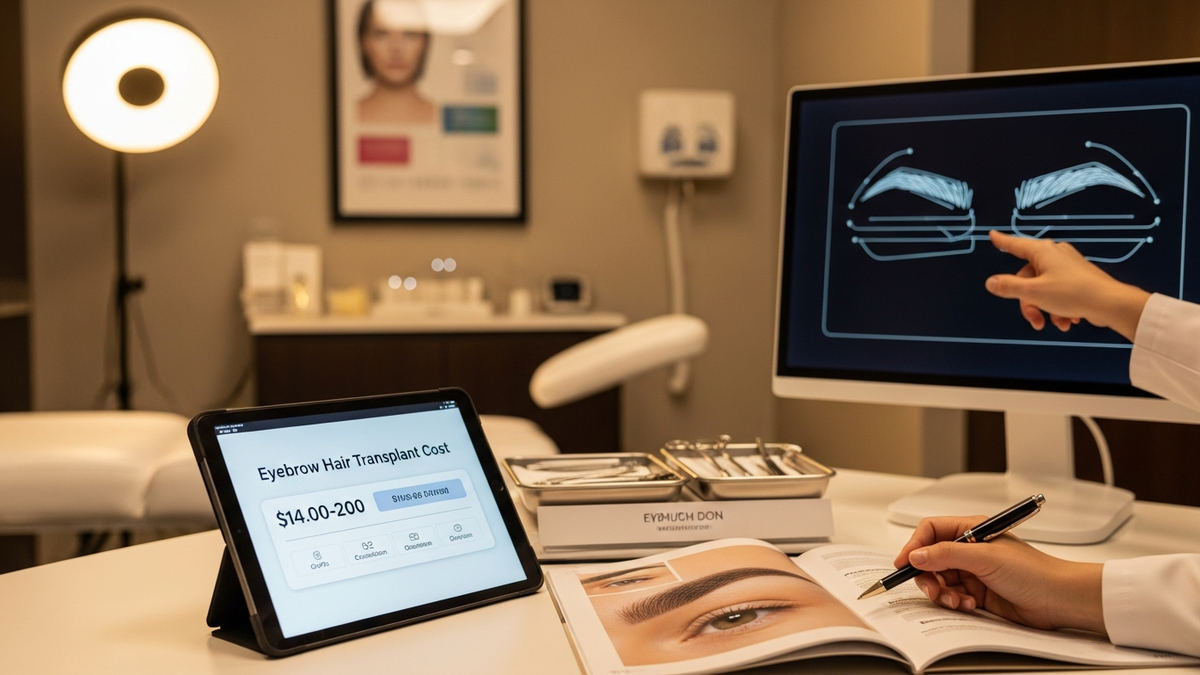
What is eyebrow transplant? An eyebrow transplant is a specialized hair restoration procedure designed to restore lost, thin, or uneven eyebrows using carefully placed hair follicles. In this FlowGeniQ Digest guide, you’ll learn how the process works, who typically benefits, what results to expect, and how to plan for recovery—so you can approach eyebrow restoration with clarity and confidence.
What Is Eyebrow Transplant? A Clear Definition
An eyebrow transplant is a cosmetic surgical technique that moves hair follicles (grafts) from a donor area—most commonly the scalp or, in some cases, other suitable body donor sites—into the eyebrow region. The goal is not just to add hair, but to recreate natural eyebrow shape, density, and hair direction so the result blends with your existing facial features.
Because eyebrows are a focal point of facial expression, successful outcomes depend heavily on surgical artistry and anatomical precision. The procedure typically involves:
- Designing the eyebrow shape (tail, arch, thickness, symmetry)
- Harvesting donor grafts using advanced techniques
- Creating recipient sites that match natural hair angles
- Placing grafts with attention to density and direction
Why People Consider Eyebrow Transplantation
Eyebrows can thin or disappear for many reasons, and the impact can be both aesthetic and emotional. Common motivations include:
- Genetic thinning or age-related eyebrow loss
- Medical conditions that affect hair growth
- Scarring from injury, burns, or prior procedures
- Over-plucking or harsh grooming habits
- Post-treatment hair changes (e.g., after certain therapies)
- Uneven brows that don’t match naturally
In many cases, people want a solution that looks natural in close-up photos and in motion—because eyebrow hair direction and density are essential for an authentic look.
Is Eyebrow Transplant the Same as Eyebrow Hair Restoration?
They’re related, but not identical. Eyebrow hair restoration can include non-surgical options (such as topical therapies or microneedling) and surgical options. A true eyebrow transplant is a surgical grafting procedure where follicles are moved and implanted.
If you’re also exploring broader hair restoration, you may see the term hair transplant used for scalp hair. Eyebrow transplantation is more delicate and requires eyebrow-specific planning, because eyebrow hair is shorter, grows in a different pattern, and is visually tied to facial expression.
Who Is a Good Candidate for an Eyebrow Transplant?
Not everyone is an ideal candidate, and that’s why a personalized evaluation matters. Generally, good candidates include:
- People with stable eyebrow thinning (so the result isn’t quickly outpaced by ongoing hair loss)
- Those with adequate donor supply for grafting
- Individuals with clear goals (e.g., restoring symmetry, filling sparse patches, rebuilding a missing tail/arch)
- Patients comfortable with the timeline (eyebrow hair growth isn’t instant)
Candidacy may be more complex if you have:
- Active scalp or eyebrow inflammation (needs assessment and stabilization)
- Uncontrolled autoimmune hair loss (requires careful medical coordination)
- Extensive scarring where graft survival may be impacted
- Expectations that exceed what transplant techniques can realistically achieve
Eyebrow Transplant vs. Brow Lift
If your concern is primarily eyebrow position (height or droop), you might be thinking about a brow lift rather than a transplant. A transplant addresses hair loss; a brow lift addresses position and skin/tissue changes. In some cases, a combination approach may be considered depending on your anatomy and goals.
For patients exploring head-and-neck cosmetic options, some also consider related procedures like a Facelift, though it’s important to note that a facelift does not replace missing eyebrow hair.
How an Eyebrow Transplant Works (Step-by-Step)
While each clinic’s protocol differs, most eyebrow transplant procedures follow a similar framework. Here’s what the typical workflow looks like:
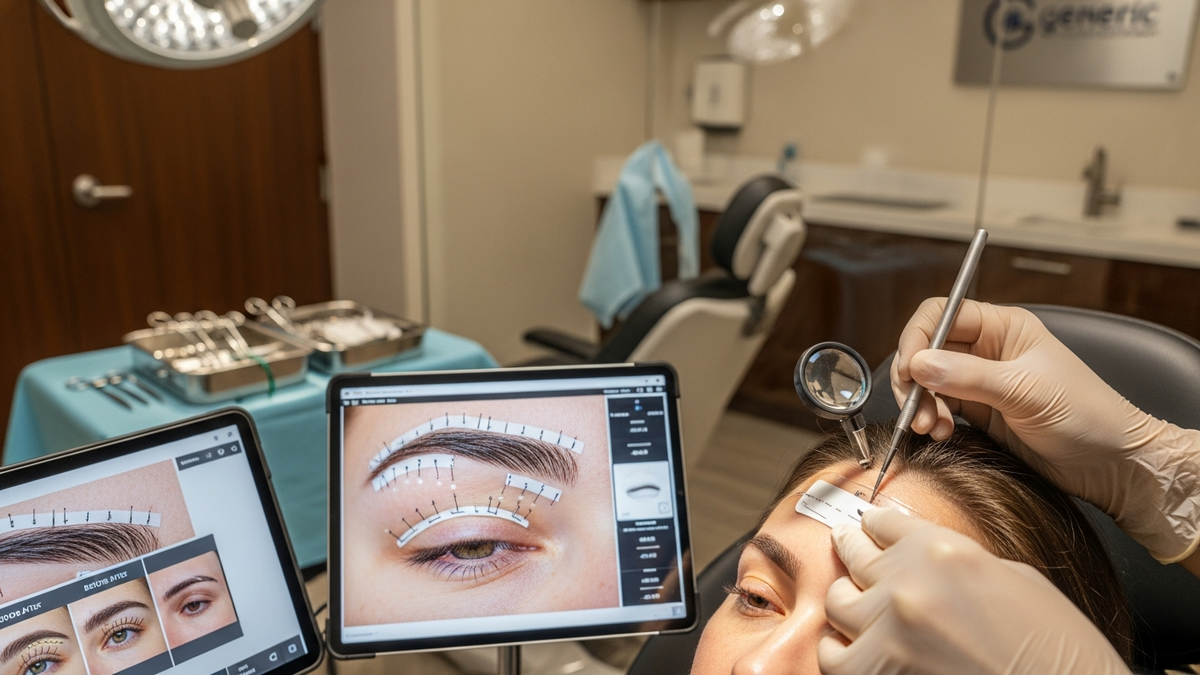
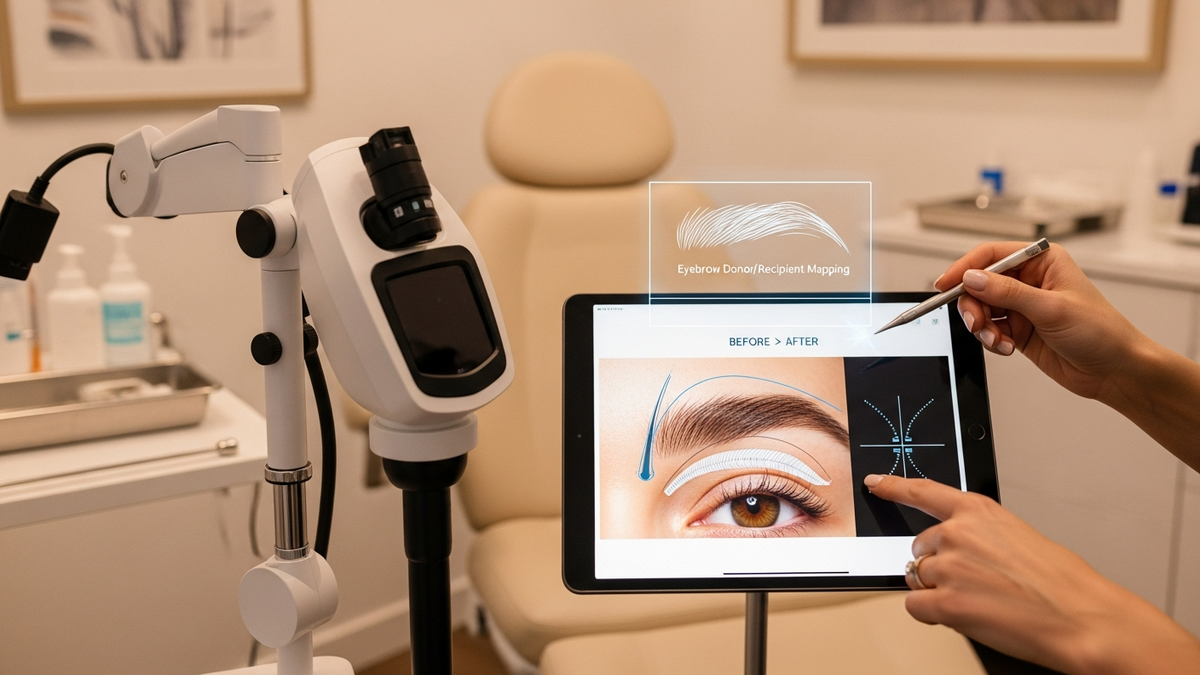
1) Consultation and Eyebrow Mapping
This is where artistry meets medicine. Your surgeon will evaluate:
- Current eyebrow thickness and symmetry
- Hair caliber and curl/texture compatibility
- Scarring and skin quality
- Facial proportions (to design a flattering arch and tail)
- Your grooming habits (plucking, trimming, styling)
Eyebrow mapping often involves drawing guidelines to plan the start point, arch height, and end tail for natural expression.
2) Donor Harvesting
Eyebrow transplants commonly use follicular unit extraction methods (FUE) to harvest individual grafts with minimal scarring. The donor region is selected based on hair characteristics that can blend into eyebrow growth patterns.
Some patients may ask how eyebrow transplantation relates to scalp hair transplant techniques. The principle is similar—transferring follicles—but the eyebrow area requires higher precision in angle and spacing.
3) Recipient Site Creation
This step is critical for natural results. The surgeon creates recipient sites in the eyebrow area with careful attention to:
- Hair direction (how eyebrow hairs naturally grow)
- Angle and slope to avoid a “stiff” look
- Density so the result looks full without over-thickening
- Spacing to mimic native eyebrow distribution
4) Graft Placement
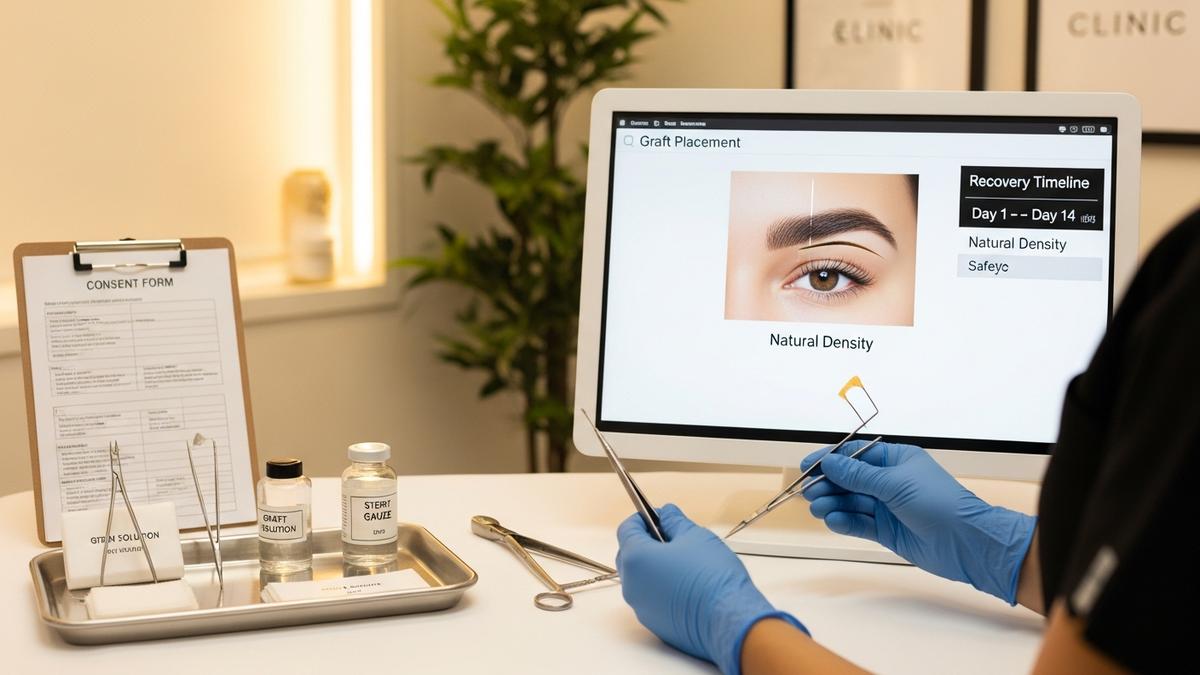
Once recipient sites are prepared, grafts are placed individually. The goal is to recreate the eyebrow’s natural gradient—typically fuller at the beginning and more tapered toward the tail.
5) Post-Procedure Care and Monitoring
After surgery, you’ll receive instructions to protect grafts, manage swelling or tenderness, and support healing. Follow-up visits help monitor progress and address concerns early.
Eyebrow Transplant Methods: What You May Hear
In the clinic environment, you may encounter terms like “FUE,” “FUT,” or “graft harvesting.” For eyebrow restoration, the method chosen should align with:
- Donor availability
- Hair characteristics
- Scar considerations
- Surgeon preference and proven outcomes
At a premium clinic like TestBiz Hair Clinic, eyebrow restoration is approached with the same emphasis on technique and natural-looking results that applies to scalp hair restoration—often using established FUE/FUT protocols depending on your case.
Eyebrow Transplant vs. Eyebrow Hair Transplant
People often use these phrases interchangeably. If you’re researching, you might find an eyebrow transplant overview that details how grafts are planned and placed for natural symmetry. The key is to look for consistent details about mapping, graft direction, and realistic density goals.
What Results Can You Expect?
Eyebrow transplant results develop gradually. It’s helpful to think in phases:
- Immediate post-op: mild redness, swelling, and tiny scabs or pinpoint marks where grafts were placed.
- First weeks: transplanted hairs may shed (this can be part of the normal growth cycle).
- 1–3 months: early regrowth begins; coverage may look uneven as hairs emerge.
- 3–6 months: more noticeable density as hairs lengthen and blend.
- 6–12 months: final refinement period for fullness and natural appearance.
Because eyebrows are small and highly visible, even minor differences in angle or thickness can stand out. A surgeon’s experience with facial aesthetics is a major factor in achieving a natural look.
Realistic Density: Fullness Without Overdoing It
One of the most common concerns is “Will my brows look too thick?” A thoughtful plan usually balances:
- Existing eyebrow hair (if any)
- Desired shape and arch height
- How you normally groom your brows
- How dense is appropriate for your facial features
The best outcomes often look like you were born with naturally full brows—not like you “added” hair.
Potential Risks and Side Effects
All surgical procedures carry risks. While many patients heal well, it’s important to understand potential side effects of eyebrow transplantation:
- Swelling or tenderness in the eyebrow area
- Temporary redness and scabbing
- Infection (uncommon with proper aftercare)
- Bleeding or bruising
- Scarring (typically minimal but depends on technique and individual healing)
- Uneven growth or asymmetry requiring touch-up planning
- Donor area discomfort (if harvested from the scalp)
- Allergic or inflammatory reactions to medications or topical care
Choosing a skilled surgeon and following post-op instructions can reduce risk. If you have a history of keloids or abnormal scarring, disclose it during your consultation.
Recovery Timeline: What to Plan For
Recovery is more than just “healing”—it’s also about protecting grafts while your skin settles and your hair growth cycle restarts. Your timeline may vary based on your technique and personal healing.
First 7–10 Days
- Expect mild swelling and redness.
- Small scabs may form; follow instructions—don’t pick.
- Gentle cleansing as directed.
- Avoid strenuous exercise if advised.
Weeks 2–4
- Most surface healing should be improved.
- Hair shedding can occur as part of the growth cycle.
- You’ll likely see patchy coverage temporarily.
Months 2–6
- New growth becomes more visible.
- Some hairs may grow in slightly different lengths initially.
- Discuss grooming guidelines with your surgeon (trimming and styling timing matters).
6–12 Months
- Final density and contour typically stabilize.
- Touch-up planning may be considered if needed.
Eyebrow Transplant Aftercare: Practical Tips
Aftercare can strongly influence comfort and outcomes. While your clinic will provide specific instructions, common aftercare principles include:
- Follow medication schedules exactly (antibiotics, anti-inflammatories, or topical products if prescribed).
- Protect the healing area from friction and direct sun exposure.
- Avoid harsh brow products (strong acids, retinoids, or irritants) until cleared.
- Be cautious with makeup—use only when your surgeon approves.
- Don’t pluck or aggressively trim early on; let hair follow its growth cycle.
- Attend follow-ups to monitor graft survival and guide next steps.
If your eyebrow loss is related to a medical condition or ongoing hair cycle issue, you may also need coordination with a dermatologist or the clinician managing the underlying cause.
How to Choose a Clinic for Eyebrow Transplant Surgery
Choosing the right provider is one of the most important decisions you’ll make. Here’s how to evaluate options thoughtfully:
Look for Eyebrow-Specific Experience
Eyebrows are not the same as scalp hair. Ask about:
- How they design eyebrow shape based on facial proportions
- How they manage hair direction and density gradients
- Typical results for cases similar to yours
- Whether they offer touch-up planning and how they decide
Ask About Graft Strategy
In a strong consultation, you should receive clear answers about:
- Donor selection and how it matches eyebrow hair characteristics
- Expected density and why that’s appropriate for your face
- How scarring or uneven growth will be handled
Verify Surgical Credentials and Approach to Safety
Quality care includes safety protocols, appropriate anesthesia planning, and evidence-based aftercare. If you’re researching facial procedures, you may notice that some surgeons focus on head and neck aesthetics and reconstruction, which can be relevant for facial harmony.
For example, Dr. Hootan Zandifar—board certified and fellowship trained—focuses on cosmetic and reconstructive surgeries of the head and neck, with an emphasis on natural-looking outcomes and patient education. While your eyebrow transplant should be performed by a specialist experienced in hair restoration, the broader facial expertise can be a valuable advantage for integrated aesthetic planning.
Don’t Ignore the Consultation Quality
A premium clinic should educate you about realistic outcomes, risks, and timelines. If a provider is vague or dismissive, that’s a signal to pause.
Eyebrow Transplant FAQs
1) How long does it take to see full eyebrow transplant results?
Most patients notice early regrowth within a few months, with meaningful density changes by 3–6 months. Final results typically take around 6–12 months to stabilize as hairs mature and blend.
2) Will my transplanted eyebrow hair look natural?
When grafts are placed with the correct direction, angle, and spacing, results can look very natural. Natural outcomes depend on eyebrow mapping, density planning, and the surgeon’s technique—not just the fact that hair was transplanted.
3) Is an eyebrow transplant painful?
Most patients experience manageable discomfort with appropriate anesthesia and post-op medication. Swelling and tenderness are common early on, but severe pain is not typical—contact your provider if symptoms feel unusual or worsen.
4) Are there non-surgical alternatives to an eyebrow transplant?
Depending on your cause of eyebrow thinning, non-surgical options may help. However, they often can’t replicate the same structural restoration that grafting provides. A consultation is the best way to determine which approach matches your goals and hair-loss pattern.
5) Can I combine eyebrow transplant with other facial procedures?
Some patients consider additional facial aesthetic procedures, but timing matters. Your surgeon(s) will coordinate to ensure healing is not compromised. For example, procedures like Blepharoplasty or other head/neck surgeries may be considered in broader aesthetic planning, but you should discuss sequencing during consultation.
When Eyebrow Loss Is Linked to Medical Conditions
If eyebrow loss is connected to an underlying medical issue, transplant planning should account for the cause. For example, autoimmune hair loss may affect how stable results are over time. Similarly, scarring from injuries requires evaluation of skin quality and graft survival potential.
In some cases, patients also have coexisting facial or nasal concerns. While unrelated to eyebrow grafting directly, head and neck specialists may evaluate other issues such as breathing and nasal structure. If you’re researching related ENT procedures, you might come across terms like Septoplasty and Deviated Septum—these can be part of a broader health conversation, even though they don’t treat eyebrow hair loss.
Take Action: How to Prepare for Your Eyebrow Transplant Consultation
Use this checklist to get the most from your appointment:
- Bring photos of your brows in different lighting (front, angled, and with natural expression)
- List your history: plucking habits, prior treatments, surgeries, or injuries
- Share medical details: autoimmune conditions, medications, allergies, scarring tendencies
- Discuss your grooming routine so the plan matches real life
- Ask about timeline: when you can return to work, exercise, and makeup routines
- Request before-and-after examples similar to your pattern of loss
If you’re comparing options, consider reading reputable clinic resources and asking targeted questions. FlowGeniQ Digest is here to help you understand the process—then your provider can tailor the plan to your anatomy.
CTA: Ready to Explore Eyebrow Transplant Options?
If you’ve been searching for what is eyebrow transplant and you’re considering restoration, the next best step is a consultation with an experienced, safety-focused provider. A personalized assessment can clarify your candidacy, realistic density goals, and the most natural eyebrow shape for your face.
Take control of your confidence: schedule a consultation, ask about technique and graft strategy, and make a plan that aligns with your timeline and expectations.
Professional Disclaimer
This content is provided for general educational purposes only by FlowGeniQ Digest. It is not a substitute for professional advice, diagnosis, or treatment. Readers are advised to consult qualified professionals for personalized recommendations.
Medical Information Disclaimer
This content is provided for general educational purposes only by FlowGeniQ Digest. It is not a substitute for professional advice, diagnosis, or treatment. Readers are advised to consult qualified professionals for personalized recommendations.