Source: FlowGeniQ Digest editorial guidance compiled to help patients understand common pricing variables and decision points for eyebrow restoration.
So, how much does an eyebrow hair transplant cost? It’s a great question—and one with an answer that varies widely from person to person. Eyebrow restoration is highly individualized because the goal isn’t simply “more hair,” but a natural-looking shape, density, and alignment that fits your facial features.
In this premium guide, we’ll walk through the real-world factors that influence cost, how clinics estimate pricing, what techniques may be used, and how to budget intelligently—without sacrificing safety or artistry.
Eyebrow hair transplant pricing: the short answer
Most clinics don’t quote a single universal number for how much does an eyebrow hair transplant cost because the price is driven by graft count, procedure complexity, and surgeon time. Generally, eyebrow transplants are priced as a package tied to the number of grafts needed and the level of customization required.
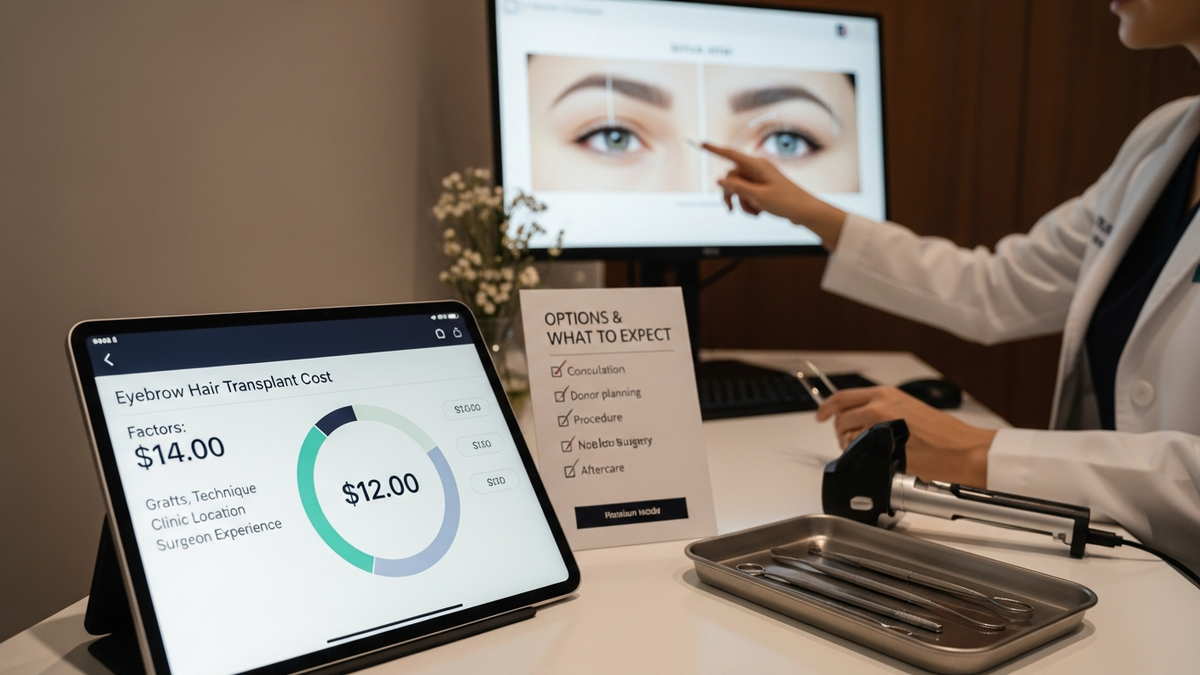
For many patients, the total cost ends up being influenced by:
- How much eyebrow loss you have (sparse vs. near-total loss)
- Whether you need reconstruction (creating a new eyebrow pattern) or enhancement (adding density)
- The type of technique (commonly FUE-style approaches)
- Harvesting requirements and donor availability
- Clinic location, technology, and surgeon expertise
Key takeaway: The “price” is really a reflection of the surgical plan—how many grafts, how much design work, and how much precision is required to create a natural result.
What determines how much an eyebrow hair transplant costs?
To understand cost, it helps to understand the workflow. Eyebrow transplantation is part medical procedure, part cosmetic design. That means pricing usually maps to three major areas: planning, graft work, and aftercare.
1) Graft count (the most common pricing driver)
Because eyebrows are small, even modest changes in density can require a significant amount of careful graft placement. Clinics estimate graft needs by evaluating:
- Current eyebrow thickness and coverage
- Hair caliber and growth characteristics
- Target shape (arch height, tail length, symmetry)
- Whether you’re restoring both brows or one
- Desired density goals
In most practices, more grafts typically mean more time under the microscope, more placement sessions, and higher overall cost.
2) Reconstruction vs. enhancement
Not every patient needs the same approach. A patient with minimal thinning may need enhancement, while someone with eyebrow loss from medical conditions, autoimmune issues, trauma, or over-plucking may need reconstruction.
Reconstruction often requires more design work and may involve creating a consistent eyebrow “framework” before filling for density.
3) Technique and complexity
Many eyebrow transplants use FUE-style harvesting principles (follicular unit extraction), though the exact method varies by clinic. Complexity can rise if:
- You need grafts placed at multiple angles to mimic natural brow hair direction
- You require work on scarred tissue or irregular brow margins
- You have asymmetry that needs careful correction
- You have limited donor availability
When you evaluate pricing, ask what’s included—consultation, mapping, graft planning, anesthesia approach, and follow-up care.
4) Surgeon experience and artistic design
Eyebrows are a focal point on the face. That’s why the surgeon’s experience matters as much as the graft count. A skilled team focuses on:
- Natural hairline placement and spacing
- Micro-trajectory angles for realistic growth
- Subtle contouring to match your facial anatomy
- Symmetry and proportional balance
From an SEO and practical standpoint, this is also why clinics often emphasize personalized eyebrow design rather than “one-size-fits-all” pricing.
5) Clinic location and technology
Cost can reflect the clinic’s operational model, overhead, and technology. Premium clinics may use advanced tools for graft handling, visualization, and placement precision. At the same time, you should always ensure the pricing aligns with safety standards and transparent patient selection.
Typical cost ranges (and why estimates vary)
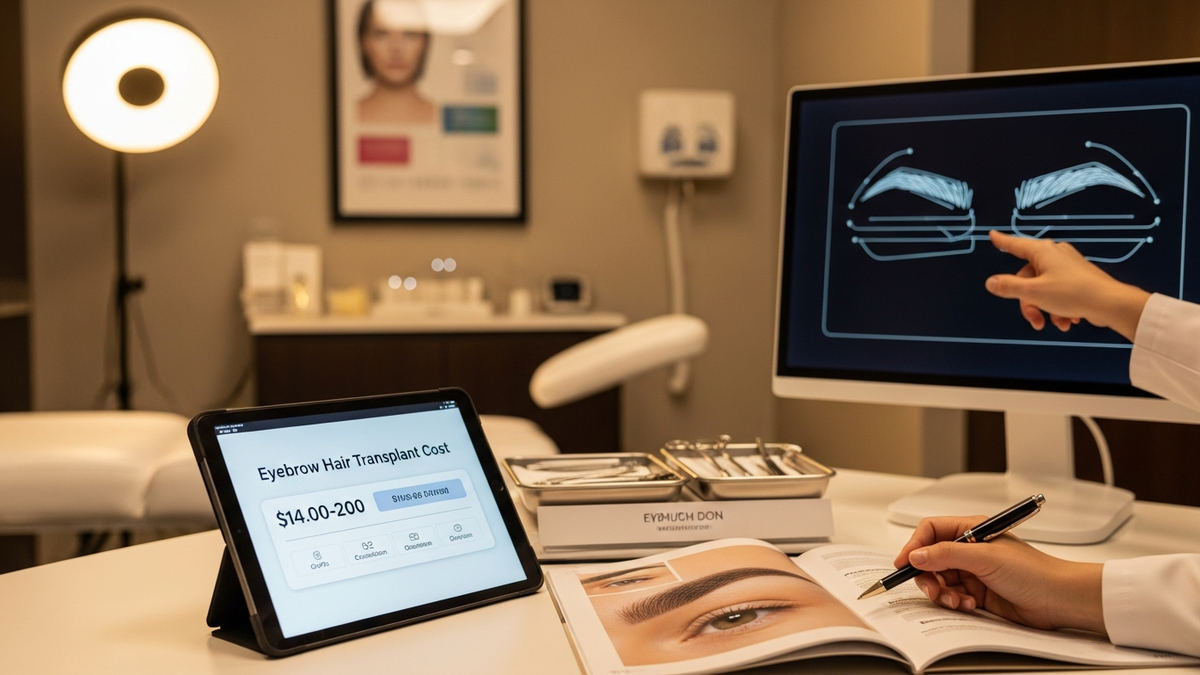
Patients often search for a number, but eyebrow transplant pricing is inherently variable. In general, eyebrow transplants may be priced as a single procedure with a fee tied to graft count and customization.
Why estimates vary:
- Different clinics measure “grafts” and “sessions” differently
- Some include mapping and design work in the base fee; others itemize
- Some cases require staged planning for best results
- Donor harvesting needs can differ substantially
Actionable recommendation: When comparing quotes, ask for an itemized breakdown or at least a clear explanation of what the package includes. If two clinics quote different totals, the difference may be graft count, complexity, or the level of surgeon time.
Eyebrow transplant vs. other eyebrow restoration options
If you’re budgeting, it helps to compare the “cost of trying” vs. the “cost of doing.” Eyebrow transplantation is not the only option, but it may be the most durable when appropriate.
Eyebrow hair transplant
An eyebrow transplant moves hair follicles to the brow area to create coverage and shape. Many patients pursue this when topical solutions, camouflage, or temporary measures aren’t enough.
If you’re exploring options, you may find it useful to review clinic-specific services here: eyebrow transplant.
Camouflage and temporary solutions
Microblading, brow makeup, and lash/brow serums can help with appearance. However, these approaches may require ongoing maintenance and may not restore true hair growth.
Medical management for hair loss causes
If eyebrow loss is related to an underlying condition (such as autoimmune hair loss, dermatitis, or nutritional issues), you may need medical evaluation alongside cosmetic planning. Managing the cause can help protect results.
How the eyebrow transplant process affects cost
Pricing isn’t only about the day of surgery. It also reflects the preparation and follow-up that support a successful outcome.
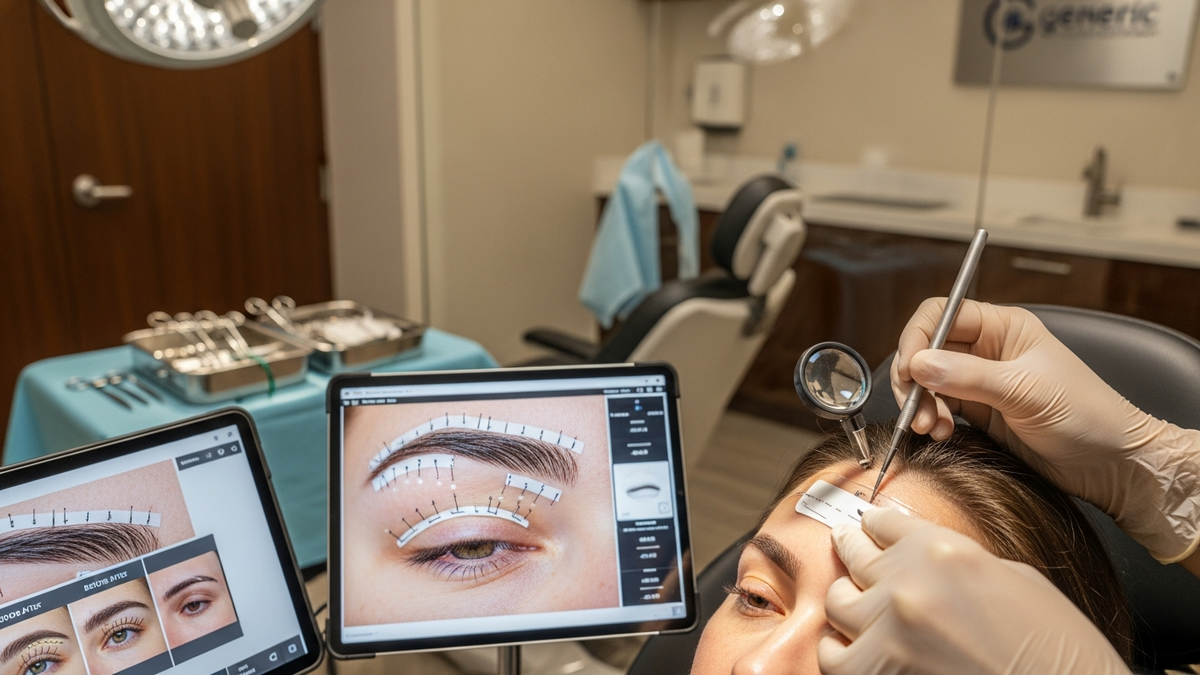
Pre-consultation and eyebrow mapping
Expect a detailed consultation that includes:
- Assessment of brow anatomy and symmetry
- Discussion of goals (natural vs. fuller, arch shape, tail length)
- Review of medical history and prior treatments
- Evaluation of donor hair characteristics
This planning stage is often a major value driver. The more complex the design, the more time it takes.
Harvesting and graft handling
During the procedure, grafts are harvested and prepared for placement. The more grafts needed, the greater the time required and the more meticulous the handling process.
Placement technique and session time
Eyebrow hair grows in specific directions. Achieving a natural look requires micro-precision in placement. This is where experienced surgical teams differentiate themselves.
Follow-up visits and aftercare
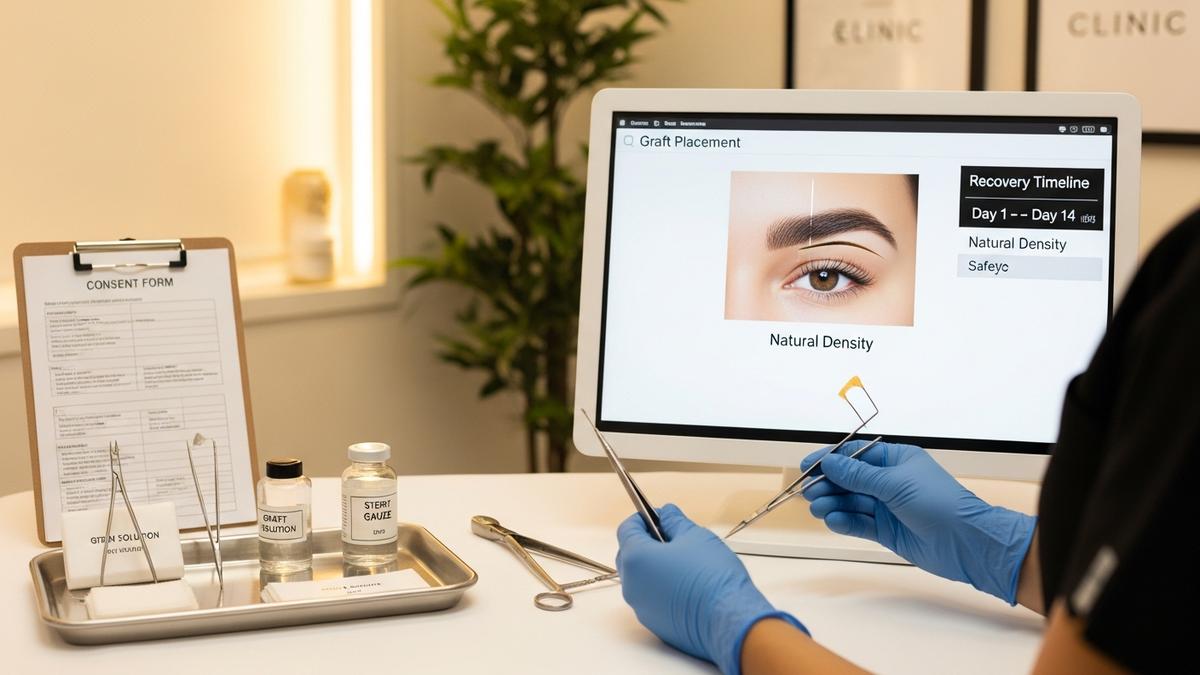
Aftercare can include wound care guidance, monitoring, and support for managing the normal shedding and regrowth timeline. Ask what follow-ups are included in your quote.
What to ask your clinic before you pay: a checklist
To make your decision informed (and to avoid surprises), use this checklist when discussing how much does an eyebrow hair transplant cost:
- How many grafts do you estimate for my case?
- Is the quote based on graft count, brow area, or total time?
- What’s included in the price (consultation, mapping, procedure, anesthesia, follow-up)?
- Will the surgeon perform the placement personally?
- What technique will be used and why is it best for my anatomy?
- How do you design for symmetry and natural hair direction?
- What results timeline should I expect (shedding, regrowth, final density)?
- What are common risks and how are they managed?
Tip: If a clinic is vague about graft planning or doesn’t discuss design goals, that’s a red flag. Premium results depend on transparent planning.
Eyebrow hair transplant cost considerations beyond the procedure
Even when you have a clear quote, there are other financial considerations that can affect your total out-of-pocket experience.
Travel and accommodations (if you’re going worldwide)
Some patients travel for premium surgical expertise. If your clinic serves clients worldwide, confirm whether your quote assumes local visits or includes guidance for travel planning.
Time off work
Most patients can return to daily activities relatively quickly, but there may be social downtime depending on swelling, scabbing, or comfort. Plan accordingly.
Long-term maintenance
A transplant is designed to be long-lasting, but outcomes depend on your biology and the underlying cause of hair loss. You may still benefit from medical management if there’s an ongoing condition.
Why “cheap” can be expensive: quality and safety
When comparing costs, remember that eyebrow transplantation is delicate. Under-planning can lead to:
- Uneven density or patchy coverage
- Unnatural angles or spacing
- Asymmetry that’s difficult to correct
- Scarring or poor graft survival in some cases
Correcting a suboptimal result can require additional procedures, which can raise total costs. That’s why premium clinics emphasize both technical execution and artistic brow design.
Related facial procedures and holistic planning
While an eyebrow transplant is focused on the brow area, some patients consider broader facial rejuvenation. If you’re exploring other aesthetic procedures, it’s smart to coordinate goals so that facial harmony is maintained.
For example, some patients also consider eyelid or facial rejuvenation procedures. You can learn more about Blepharoplasty if you’re addressing upper eyelid or under-eye concerns, or review Facelift options when planning overall facial aging improvements.
In addition, if you’re considering nasal procedures for breathing and aesthetics, you may want to review Rhinoplasty—since facial balance can influence how brows and eyes are perceived.
Who may be a good candidate for an eyebrow hair transplant?
Eyebrow transplantation can help many patients, but candidacy depends on health, donor hair, and goals. Common scenarios include:
- Congenital or acquired eyebrow thinning
- Eyebrow loss due to medical conditions
- Trauma-related eyebrow loss
- Post-treatment hair loss
- Asymmetry that needs targeted restoration
During consultation, the clinic should evaluate donor hair quality and discuss realistic expectations for density and texture.
Eyebrow hair transplant timeline: what to expect after surgery
Understanding the regrowth timeline helps you plan both emotionally and financially.
- First days: healing, gentle care, and monitoring
- Early weeks: shedding of transplanted hairs can occur
- 1–3 months: gradual early regrowth may be visible
- 3–6 months: increasing density and improved appearance
- 6–12 months: closer to final result
Because each patient’s hair cycle differs, your clinic should provide a personalized timeline based on your plan.
How to budget for an eyebrow transplant (without cutting corners)
If you’re trying to plan financially, here are practical steps that can reduce uncertainty:
- Request a graft estimate and ask whether it can change after evaluation.
- Clarify what’s included in the quote (consults, procedure, follow-ups).
- Ask about staging if you want significant density changes.
- Verify surgeon involvement in the placement process.
- Request before-and-after examples that match your brow pattern and goals.
- Plan for travel/time if you’re not local.
For patients comparing clinics and services, it can also help to explore related hair transplant information such as hair transplant services to understand how graft-based planning is typically approached across hair restoration procedures.
Spotlight: premium eyebrow transplantation with a design-first approach
At TestBiz Hair Clinic, eyebrow restoration is treated as a specialized, facial-focused procedure where natural-looking results depend on precision and experience. The clinic offers FUE and FUT options and serves clients worldwide with state-of-the-art technology and experienced surgeons.
Eyebrow transplantation is particularly sensitive because eyebrows shape the expression of the entire face. A skilled team designs the brow pattern carefully so that your result looks intentional—not “transplanted.”
If you’re looking for an eyebrow-focused service overview, you can review eyebrow transplant information and use it as a starting point for questions to bring to your consultation.
FAQ: how much does an eyebrow hair transplant cost?
1) Why does the cost of an eyebrow hair transplant vary so much?
Because pricing is typically driven by graft count, whether you need reconstruction or enhancement, and the complexity of achieving natural brow symmetry and hair direction. Two people with similar-looking thinning can require very different surgical plans.
2) Is eyebrow transplantation more expensive than other hair transplants?
It can be comparable or different depending on the clinic’s pricing model. Eyebrows require high precision in placement, and small areas can still require careful graft work. The total cost is best compared using the clinic’s graft estimate and what’s included in the package.
3) Will I need more than one procedure?
Some patients achieve their goals in one session; others may choose staged procedures to gradually improve density and refine shape. Your surgeon can advise based on donor availability, desired density, and facial balance goals.
4) What’s included in the price—does it include follow-ups?
Many clinics include post-op check-ins, but policies vary. Ask for a clear description of what follow-up care is included, how long it lasts, and whether any additional visits or medications are billed separately.
5) How do I know if a quote is “fair”?
A fair quote is transparent. Look for a clear plan: estimated graft count, surgeon involvement, technique explanation, and expected results timeline. If the clinic can’t explain how the price relates to your brow design and graft needs, it may be worth seeking a second opinion.
CTA: schedule a consultation to get your true eyebrow transplant cost
If you’re trying to determine how much does an eyebrow hair transplant cost for your specific case, the most accurate next step is a consultation. A professional evaluation can estimate graft needs, discuss your desired brow shape, and provide a transparent pricing plan based on your anatomy and goals.
Action step: Prepare your questions (graft estimate, technique, what’s included, timeline) and request a written quote. If you’d like to explore related facial-aesthetic planning, you can also review Blepharoplasty and Facelift to understand how facial harmony may factor into your broader plan.
Book your visit with a qualified team and let your brow design be guided by precision—not guesswork.
Professional Disclaimer
This content is provided for general educational purposes only by FlowGeniQ Digest. It is not a substitute for professional advice, diagnosis, or treatment. Readers are advised to consult qualified professionals for personalized recommendations.
Medical Information Disclaimer
This content is provided for general educational purposes only by FlowGeniQ Digest. It is not a substitute for professional advice, diagnosis, or treatment. Readers are advised to consult qualified professionals for personalized recommendations.