What is a eyebrow transplant? At its core, an eyebrow transplant is a specialized hair restoration procedure designed to recreate natural-looking eyebrows by moving hair follicles to the brow area. In this FlowGeniQ Digest guide, you’ll learn how eyebrow transplants work, who may be a good candidate, what results to expect, and how to prepare for recovery—so your decision is informed, realistic, and tailored to your facial features.
What Is a Eyebrow Transplant? A Clear, Practical Definition
An eyebrow transplant is a surgical technique that relocates hair follicles (grafts) from a donor area—commonly the scalp—to the eyebrow region. Because eyebrow hair grows differently than scalp hair and because eyebrows sit in a visually “high-impact” facial zone, the procedure requires meticulous planning and artistic placement.
Most eyebrow transplants are performed using microsurgical methods that prioritize:
- Natural density (not overfilling)
- Correct direction of hair growth to mimic real brows
- Appropriate shape and proportion for your face
- Minimized scarring and careful donor management
Why People Consider an Eyebrow Transplant
Eyebrows frame the eyes and strongly influence how expressive and balanced a face looks. People seek eyebrow restoration for many reasons, including:
- Genetics (naturally thin brows or progressive thinning)
- Medical conditions that affect hair growth
- Scarring from injury or prior procedures
- Trauma or burns affecting eyebrow skin and follicles
- Over-plucking or cosmetic grooming habits
- Post-treatment hair loss (for example, after certain therapies)
For many patients, the goal isn’t just “more hair”—it’s symmetry, definition, and expression.
Eyebrow Transplant vs. Eyebrow Tattooing (and Why It Matters)
Patients often compare eyebrow transplants to semi-permanent makeup or tattooing. While tattooing can add pigment and visual fullness, it does not restore follicles. A transplant uses real hair, which can grow and mature over time.
Choosing between options depends on factors like:
- Whether you have healthy skin and follicle viability in the brow area
- Your desired look (soft enhancement vs. fully reconstructed brows)
- Longevity expectations
- Skin sensitivity and risk tolerance
Important: If your goal is true hair restoration, a surgical eyebrow transplant is typically the most direct path—provided you’re a suitable candidate.
How an Eyebrow Transplant Works (Step-by-Step)
While each clinic’s protocol can vary, the core workflow is consistent. At a premium hair transplant clinic such as TestBiz Hair Clinic, eyebrow restoration is approached with advanced technology and experienced surgeons to support natural outcomes.
1) Consultation and Brow Design
Your surgeon will evaluate:
- Existing brow hair (density, distribution, and growth pattern)
- Facial proportions (eye spacing, brow height, and symmetry)
- Skin characteristics (scarring, thickness, and elasticity)
- Donor supply (usually scalp hair availability and quality)
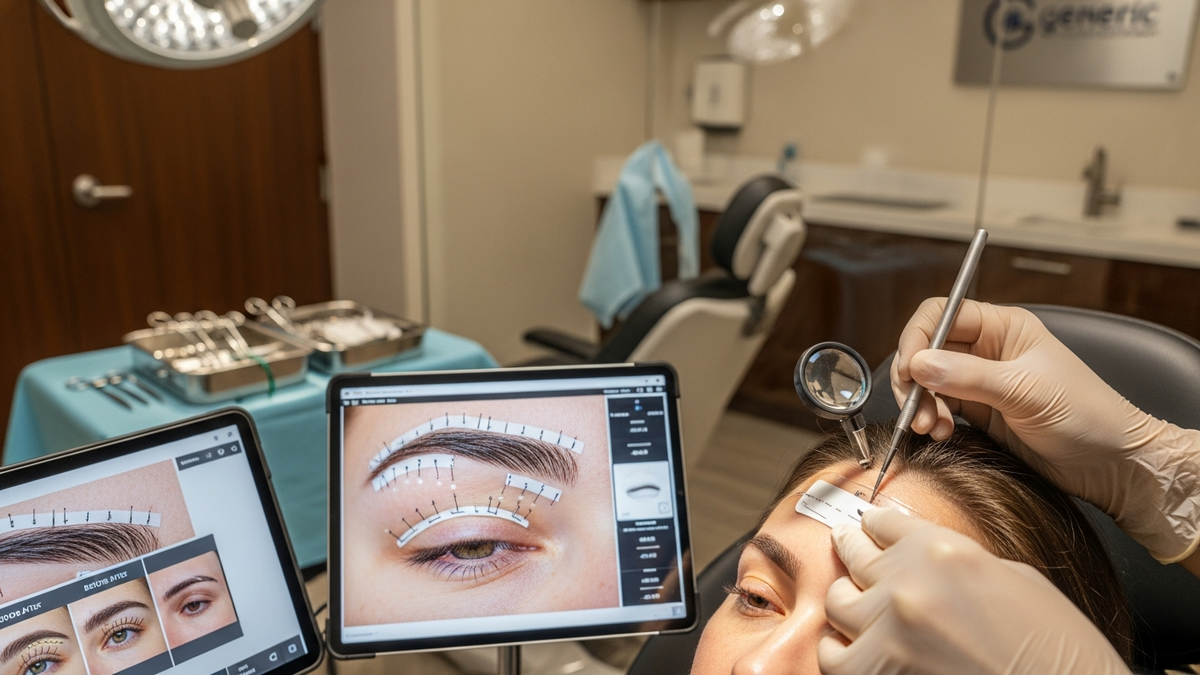
A detailed brow map is created to guide graft placement. This step is crucial—because an eyebrow transplant is as much about design as it is about technique.
2) Donor Hair Harvesting
Grafts are typically harvested using established hair transplant methods. Many modern eyebrow restorations use follicular unit extraction approaches due to their precision and minimal scarring profiles. The donor area is planned so it can support healthy growth long-term.
If you’re also exploring other hair restoration needs, you may find this helpful: hair transplant.
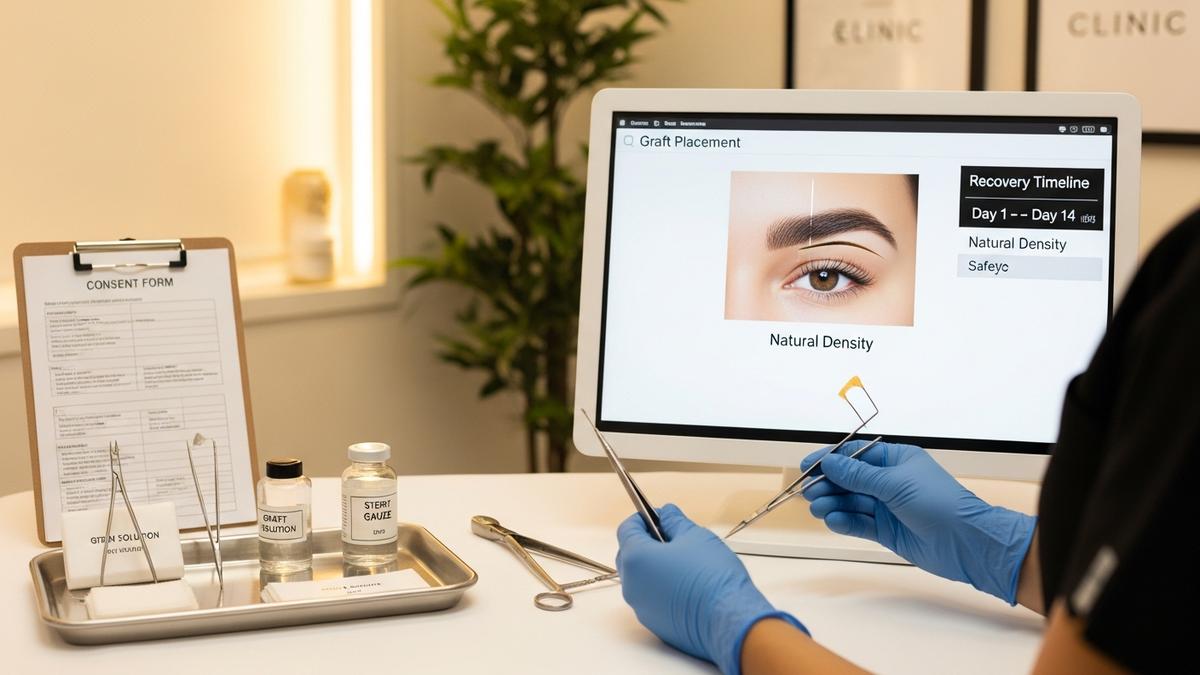
3) Recipient Site Creation and Graft Placement
Surgeons create recipient sites in the eyebrow area with careful attention to:
- Angle of placement
- Direction of growth
- Spacing for realistic density
- Regional variation (brows are not uniform—tail ends, arches, and heads differ)
This stage determines whether the result looks like “real brows” versus a transplanted or unnatural pattern.
4) Healing and Follow-Up
After surgery, you’ll follow a recovery plan that supports graft survival and minimizes irritation. Follow-up visits allow the surgical team to monitor healing and guide you through each phase.
What Results Can You Expect? Timeline and Realistic Outcomes
Eyebrow hair restoration is a gradual process. It’s common for patients to feel an initial “pause” in visible growth, followed by progressive improvement.
Typical Eyebrow Transplant Timeline
- First 1–2 weeks: Healing phase; redness, scabbing, or mild swelling may occur.
- Weeks 3–8: Shedding can occur as transplanted hairs enter a resting phase.
- Months 3–4: Early regrowth may begin.
- Months 6–9: Noticeable fullness and improved shape.
- Months 9–12+: Final maturation; density and texture continue to refine.
Key point: “Natural results” don’t happen overnight. The best outcomes come from patience, correct aftercare, and a surgeon who plans for long-term aesthetics.
Who Is a Good Candidate for an Eyebrow Transplant?
Many people are candidates, but suitability depends on medical history, hair characteristics, and eyebrow skin condition. You may be a strong candidate if you have:
- Thinning or missing eyebrow hair that cannot be adequately corrected with non-surgical options
- Enough donor hair to create a realistic brow density
- Good general wound healing capacity
- Realistic expectations about timeline and density
Some situations require additional evaluation, such as active scalp conditions, uncontrolled skin inflammation, or extensive scarring where follicle survival may be less predictable.
Eyebrow Transplant Techniques: Understanding the Basics
Most modern eyebrow transplants rely on follicular unit grafting. The exact approach varies by surgeon and clinic. What matters most is not only the method, but the surgical execution—how grafts are angled, spaced, and integrated with your existing brow hair.
Clinics that emphasize advanced technology and experienced surgeons—like TestBiz Hair Clinic, offering FUE and FUT—often provide the infrastructure to handle different donor strategies and patient needs.
Potential Risks and Side Effects (What You Should Know)
Any surgical procedure has risks. A reputable team will discuss them clearly and help you reduce risk through screening and aftercare.
Common, Usually Temporary Effects
- Swelling around the brow area
- Redness and mild tenderness
- Scabbing and tightness during early healing
- Temporary shedding during the growth cycle
- Itching as healing progresses
Less Common but Important Risks
- Infection (usually rare with proper hygiene and care)
- Scarring (depends on technique and individual healing)
- Unnatural direction of growth if placement is not precise
- Uneven density or asymmetry requiring refinement
- Graft loss due to poor healing or complications
Choosing an expert who performs eyebrow-focused hair restoration is one of the strongest predictors of satisfaction.
How to Prepare for an Eyebrow Transplant
Preparation can significantly influence comfort and healing. Your surgeon will provide personalized instructions, but these general steps are commonly recommended:
- Follow medication guidance (especially blood thinners or supplements)
- Avoid smoking or nicotine products if instructed—smoking can impair circulation and healing
- Plan for time off during the first week for healing and appearance
- Arrange transportation if your procedure requires it
- Prepare a gentle aftercare routine (cleaning, sleeping position, and sun protection)
If you have other head-and-neck surgical considerations, it can also be useful to coordinate care with a qualified specialist. For example, some patients exploring nasal function alongside cosmetic goals may ask about procedures like Septoplasty or a Deviated Septum—but those decisions should be guided by a clinician based on your anatomy and goals.
Recovery: What Healing Feels Like and How to Care for Your Brows
Recovery protocols vary, but the priorities remain the same: protect grafts, keep the area clean, and avoid trauma during early healing.
First Week: Protect the Grafts
- Expect small scabs where grafts were placed; do not pick them.
- Use any prescribed antibiotic or anti-inflammatory regimen exactly as directed.
- Sleep with your head elevated to reduce swelling.
- Avoid intense exercise, sweating, and activities that risk friction on the brow area.
Weeks 2–6: Watch for Growth Changes
It’s common for transplanted hairs to shed during this phase. Shedding does not necessarily mean the procedure failed—it can be part of the natural hair cycle.
Months 2–12: Build Toward Final Results
- Follow your surgeon’s guidance on sun protection to prevent discoloration
- Be patient with density—brows often continue maturing beyond the 6-month mark
- If you wear makeup, wait for your surgeon’s clearance before applying products near the graft sites
Eyebrow Transplant and Facial Harmony: Why Brows Should Match Your Features
Eyebrows are a “facial anchor.” Even a technically successful transplant can look off if the design doesn’t match your facial structure and expression lines.
Surgeons often consider:
- Brow height relative to the eye and eyelid
- Arch shape that complements your natural brow skeleton
- Symmetry (including subtle differences between left and right brows)
- Hair caliber and texture for believable realism
In some cases, patients may also explore adjacent facial aesthetic procedures, such as eyelid surgery (Blepharoplasty) or broader rejuvenation options like a Facelift. If you’re considering multiple procedures, timing and sequencing should be planned by your surgical team to support optimal healing and aesthetic harmony.
How to Choose a Clinic for an Eyebrow Transplant
Not all eyebrow transplants are created equal. When you’re searching for “eyebrow transplant near me,” consider evaluating the clinic and surgeon using these criteria:
Questions to Ask During Your Consultation
- How do you design the brow shape? (What measurements or mapping do you use?)
- What donor area will you use? (And do you have enough donor supply?)
- What technique do you use and why is it appropriate for my case?
- How do you manage hair direction and density to look natural?
- What does your before-and-after portfolio show? (Ask specifically about eyebrow cases.)
- What is your approach to complications if something doesn’t heal as expected?
- What is the revision policy? (If refinement is needed.)
Look for Expertise in Eyebrow-Specific Restoration
Eyebrows are not simply “small hair transplant work.” The procedure is highly technical because the recipient area is visible, the hair growth pattern differs from scalp hair, and the aesthetic impact is significant. This is why many specialists emphasize eyebrow-focused surgical planning.
For example, Dr. Hootan Zandifar (facial plastic and reconstructive surgeon) highlights that an eyebrow transplant is often recommended for eyebrow loss due to medical or other conditions, and that the procedure should be performed by a skilled cosmetic surgeon because eyebrows are a focal point on the face. If you’d like to explore a dedicated overview, you can review eyebrow transplant resources.
Cost Considerations: What Influences Pricing?
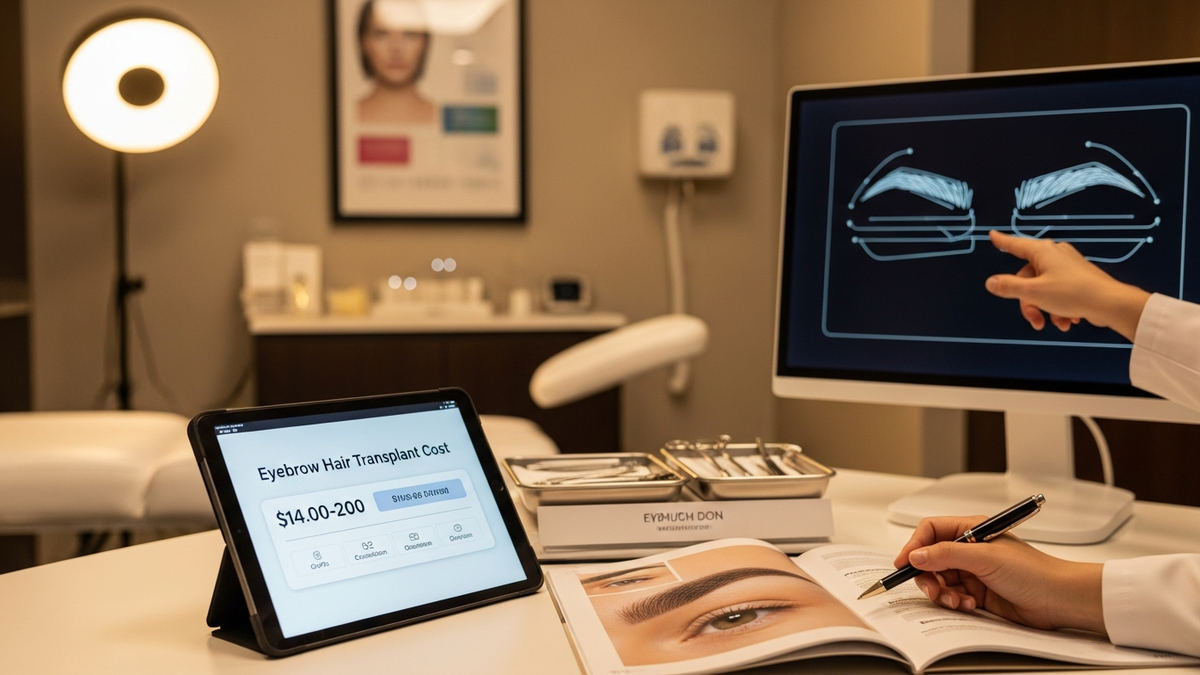
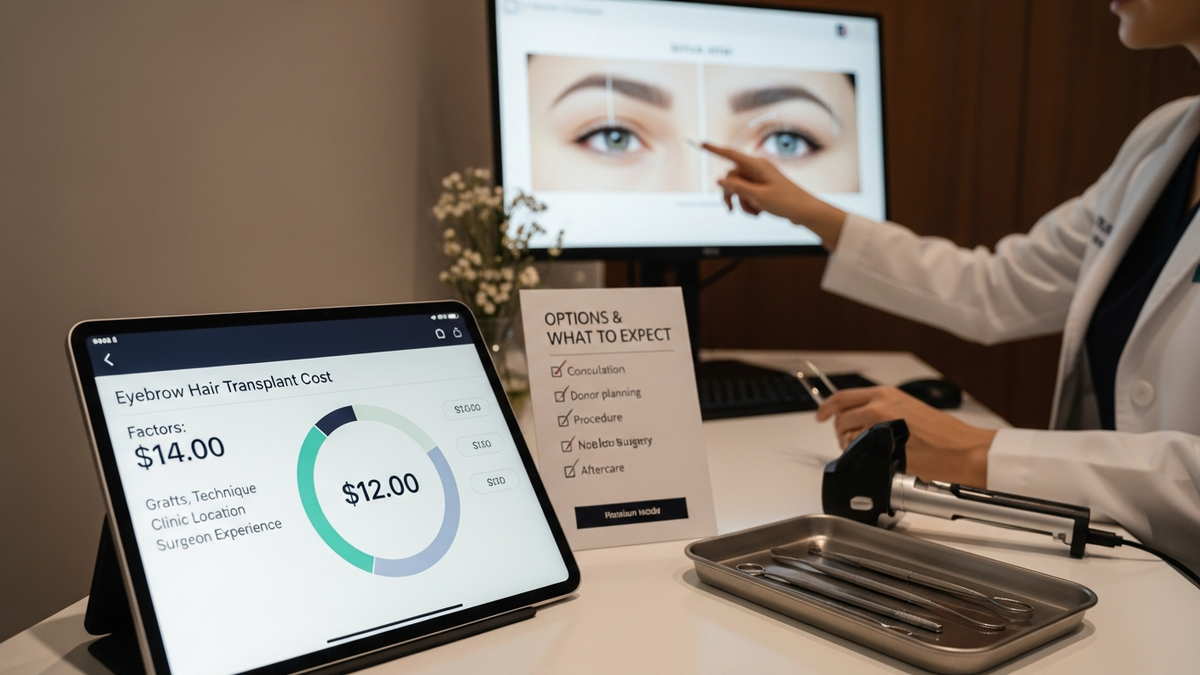
Pricing varies widely depending on factors such as graft count, technique, surgeon expertise, and geographic location. Rather than focusing only on the lowest price, consider what you’re paying for:
- Surgeon training and experience in eyebrow restoration
- Customized design and mapping
- Graft planning (density goals and recipient site strategy)
- Technology and clinic support during the procedure and recovery
- Aftercare and follow-up visits
A transparent clinic will explain what’s included and why. If a quote feels vague, ask for specifics.
Can You Combine an Eyebrow Transplant With Other Procedures?
Some patients consider additional facial procedures to achieve a cohesive aesthetic outcome. Whether you combine procedures depends on your health, healing timeline, and surgical plan.
For example, rhinoplasty may be a consideration for patients seeking nasal refinement; you can read more about Rhinoplasty if it relates to your goals. However, combining surgeries should be carefully timed and coordinated, especially when procedures involve shared healing constraints in the head and neck region.
Common Myths About Eyebrow Transplants
Let’s clear up a few misconceptions:
- Myth: “It will look exactly like my original brows immediately.” Reality: brows take months to mature, and final texture/density evolves over time.
- Myth: “More grafts always means better results.” Reality: overfilling can look unnatural; artistry matters.
- Myth: “Eyebrow transplants are purely cosmetic.” Reality: restoring brows can improve facial balance and confidence—especially after medical or traumatic hair loss.
- Myth: “Recovery is the same for everyone.” Reality: healing varies based on skin type, aftercare, and individual health.
Actionable Tips for Better, More Natural Results
If you want your outcome to look natural and harmonious, consider these practical steps:
- Bring reference photos that match the brow style you like (straight, arched, soft, etc.).
- Discuss symmetry goals honestly—your surgeon may aim for “natural asymmetry” rather than perfect mirror images.
- Ask about hair direction and how your surgeon recreates growth patterns.
- Follow aftercare precisely to protect graft survival.
- Plan for the timeline (roughly a year for mature results) and avoid rushing evaluations too early.
Eyebrow Transplant FAQ
1) How long does it take to see eyebrow transplant results?
Many patients notice early changes around 3–4 months. More meaningful fullness often appears between 6–9 months, with final maturation typically around 9–12+ months.
2) Will eyebrow transplant hair look like scalp hair?
It can look different at first as the hair grows and matures. The goal is to place grafts with the correct angle, direction, and density so the result resembles natural eyebrow hair for your specific facial anatomy.
3) Is an eyebrow transplant painful?
Most patients experience manageable discomfort, often controlled with local anesthesia and post-procedure medications as directed. Your surgeon will explain what to expect and how to manage symptoms during recovery.
4) Can I get an eyebrow transplant if my brows are very sparse?
Often yes, but candidacy depends on donor supply, skin condition, and goals. A consultation will determine whether your brows can be reconstructed to a natural look and what density level is realistic.
5) Are eyebrow transplants permanent?
Transplanted grafts are typically long-lasting because the follicles are moved from the donor area. However, individual results vary based on healing, hair cycle behavior, and overall health.
CTA: Ready to Explore Your Eyebrow Transplant Options?
If you’re considering an eyebrow transplant, the best next step is a consultation with a qualified, experienced team that treats eyebrow restoration as a precision aesthetic procedure—not a one-size-fits-all service.
At TestBiz Hair Clinic, patients can explore hair restoration options with advanced technology and experienced surgeons, including FUE and FUT approaches. Meanwhile, expert facial plastic guidance—such as that emphasized by Dr. Hootan Zandifar—can help ensure your brows align with your overall facial harmony.
Schedule your consultation to discuss your goals, donor options, and realistic timeline for natural results.
Professional Disclaimer
This content is provided for general educational purposes only by FlowGeniQ Digest. It is not a substitute for professional advice, diagnosis, or treatment. Readers are advised to consult qualified professionals for personalized recommendations.
Medical Information Disclaimer
This content is provided for general educational purposes only by FlowGeniQ Digest. It is not a substitute for professional advice, diagnosis, or treatment. Readers are advised to consult qualified professionals for personalized recommendations.