Source: FlowGeniQ Digest
Eyebrows frame the eyes, influence facial expression, and help create balance. When eyebrow hair thins due to genetics, aging, over-plucking, burns, scarring, or medical conditions, many people search for a hair transplant in eyebrow solution that looks natural—not “overdone.” This guide, prepared for FlowGeniQ Digest readers, walks you through what eyebrow hair restoration typically involves, who may benefit, what to expect during recovery, and how to make informed decisions with a qualified specialty team.
What Is a Hair Transplant in Eyebrow?
A hair transplant in eyebrow is a surgical procedure designed to restore eyebrow hair by relocating follicles from a donor area to the eyebrow region. Depending on your anatomy, hair characteristics, and the cause of loss, a surgeon may recommend a technique such as follicular unit extraction (FUE) and/or other grafting approaches.
The goal is not simply to add hair—it’s to recreate the direction, thickness, and pattern of your natural brow. Because eyebrows are visible and detail-driven, the planning process is especially important: graft placement must match how your brow naturally grows and how it sits on your face.
Hair Transplant vs. “Eyebrow Tattoo” vs. Non-Surgical Options
People often compare surgical eyebrow restoration to cosmetic alternatives. Here’s a practical way to think about it:
- Surgical eyebrow hair restoration (hair transplant in eyebrow): Uses real follicles, aiming for natural texture and growth over time.
- Microblading/eyebrow tattoo: Adds pigment without restoring follicles; results can fade and may require touch-ups.
- Topicals and growth serums: May help some people with mild thinning, but typically do not replace lost follicles after significant loss.
- Camouflage (cosmetics): Useful for immediate appearance support while you explore longer-term solutions.
For significant loss, scarring, or situations where pigment alone won’t match your natural brow, an eyebrow transplant may be the more definitive option—when performed by an experienced surgeon.
Who Is a Good Candidate for an Eyebrow Transplant?
Not everyone is an ideal candidate. A specialist evaluation typically considers the cause of eyebrow loss, the quality of donor hair, and the skin and scar condition in the eyebrow area.
Common reasons people consider an eyebrow transplant
- Over-plucking or waxing history leading to sparse growth
- Genetic thinning or age-related brow loss
- Alopecia (including certain forms that affect hair distribution)
- Medical treatments such as chemotherapy
- Burns, trauma, or scarring that reduced follicle survival
- Congenital or reconstructive needs after injury or surgery
What surgeons evaluate during your consultation
A thorough consultation often includes:
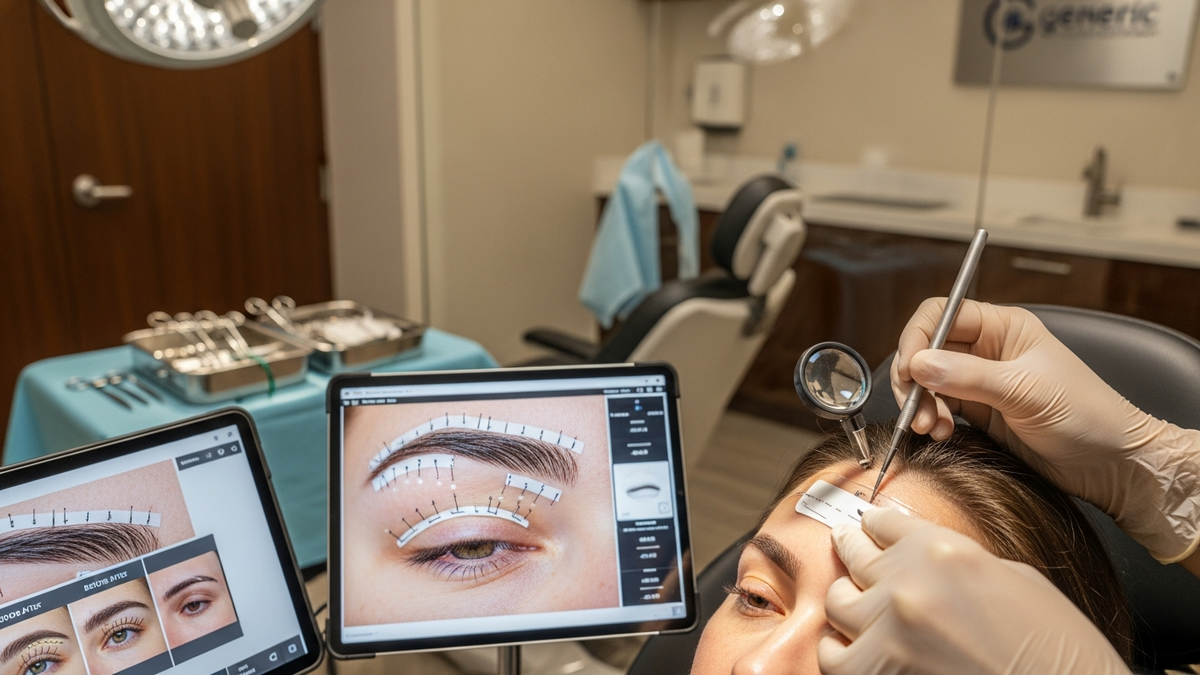
- Eyebrow mapping (shape, symmetry, and natural growth direction)
- Hair characteristics (thickness, curl/texture, color match)
- Skin assessment (scarring, quality of the recipient bed, pigmentation)
- Donor availability (where grafts can be safely sourced)
- Realistic expectations based on your specific pattern of loss
Because eyebrows are a focal point on the face, precision matters. As FlowGeniQ Digest readers learn when researching surgical options, outcomes are strongly influenced by surgeon planning and graft placement technique.
How a Hair Transplant in Eyebrow Works (Step by Step)
While protocols vary by clinic and technique, most eyebrow transplant procedures follow a similar framework: donor harvesting, graft preparation, site creation, and meticulous placement.
1) Donor selection and graft planning
Your surgeon identifies a donor area with hair that matches the eyebrow’s desired characteristics. The goal is to obtain follicles that can adapt to the eyebrow area and create a believable brow look.
2) Harvesting the follicles
Many hair restoration programs use FUE principles, where follicles are extracted individually. Clinics that offer advanced hair transplant services often describe the underlying FUE workflow in detail. If you’d like to explore the broader concept of hair transplantation, you can review hair transplant options and techniques.
3) Preparing the recipient sites
Recipient site creation is one of the most delicate steps. The surgeon determines the angle and depth to match natural brow growth. This is essential for avoiding unnatural “stubble” direction or a patchy appearance.
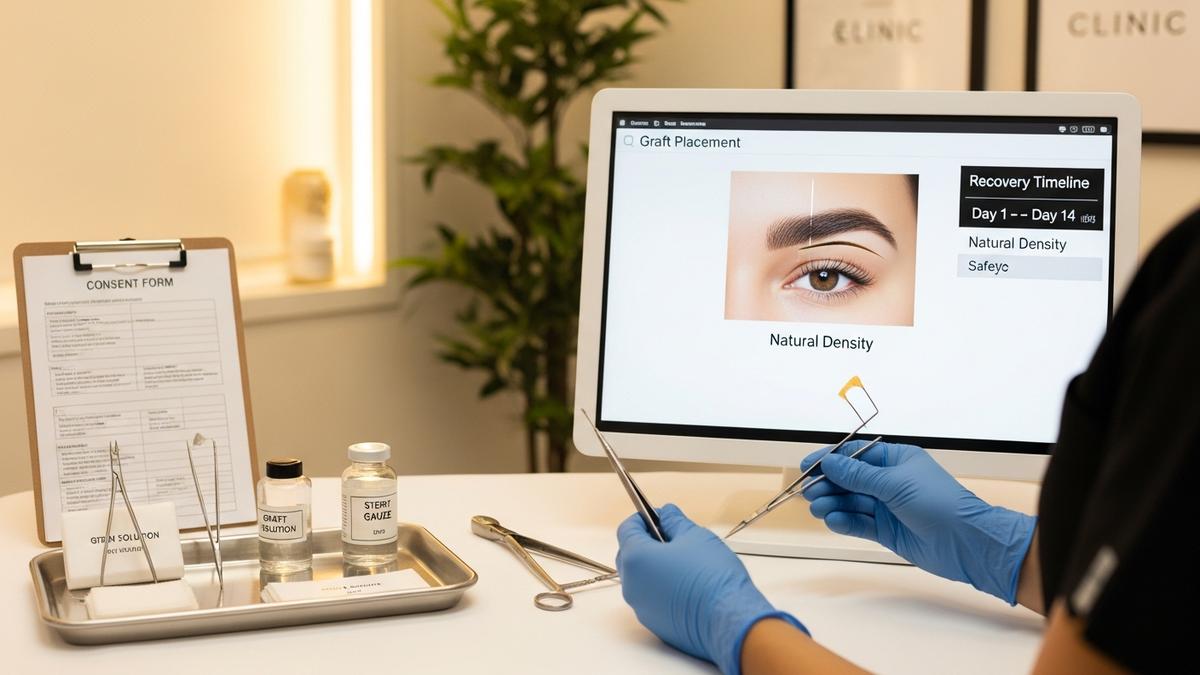
4) Graft placement for natural density
Eyebrow hair restoration frequently requires strategic distribution across the brow—tail, arch, and head—so the result blends seamlessly with surrounding hair. Because eyebrows are not uniform, placement often varies by region and your natural brow anatomy.
5) Post-procedure care
Your clinic should provide clear aftercare instructions, including cleaning guidance, medication recommendations, and timelines for swelling or scabbing (if applicable). Good aftercare supports graft survival and helps you heal comfortably.
Eyebrow Transplant Techniques: What “FUE” Means for Brows
In many modern eyebrow transplant approaches, FUE-style harvesting is used because it can minimize scarring and allow precise graft sourcing. Eyebrow hair restoration is detail-oriented, so surgeons often select the method that best supports:
- Controlled graft extraction
- High graft handling quality
- Natural placement angles
- Efficient healing and recipient site management
Some clinics also consider other approaches depending on your donor characteristics and the condition of the eyebrow area. The best technique is individualized—your surgeon should explain why they recommend a specific method for your unique case.
What Results Should You Expect?
One of the most important parts of planning is understanding how hair growth typically evolves after a transplant. While exact timelines vary, most patients experience a multi-stage process:
Typical eyebrow transplant timeline
- First days to weeks: Healing, possible scabbing, and temporary shedding may occur.
- Weeks 2–12: Brows may look uneven as hairs shed and follicles transition.
- Months 3–6: Early growth can become visible; texture may gradually improve.
- Months 6–12: Density and definition often continue to develop.
- 12+ months: Final maturation and a more stable result are typically assessed.
How to evaluate “natural” results
Natural eyebrow restoration isn’t only about density—it’s about how the brow moves with your face and how it harmonizes with your eye shape and facial proportions. A high-quality eyebrow transplant should:
- Maintain believable spacing between hairs
- Match your brow’s natural direction and arch height
- Blend with existing brow hairs (if any)
- Avoid overly uniform “rows” that look artificial
Clinics that specialize in facial procedures often emphasize the importance of facial harmony and detailed planning—an approach that can be especially relevant for eyebrow aesthetics.
Eyebrow Transplant for Scarring or Medical Conditions
Some people have eyebrow loss due to burns, trauma, or conditions that affect hair follicles. Scarring can complicate graft survival and placement, so candidacy depends on:
- Scar thickness and texture
- Whether the recipient bed can support grafts
- Skin vascularity and healing capacity
- How much healthy tissue remains
In scar-related cases, your surgeon may discuss staging, graft number expectations, and whether adjunct strategies could improve outcomes.
FUE vs. FUT for Eyebrow Hair Restoration
Hair restoration clinics commonly describe both FUE and FUT for scalp hair, but eyebrow restoration requires eyebrow-specific planning. Whether a clinic uses FUE, FUT, or a hybrid approach depends on:
- Donor hair quality and availability
- Graft size and follicle handling needs
- Recipient site conditions
- Your aesthetic goals for density and hair direction
Because eyebrows are smaller and require finer placement, you should ask your surgeon to explain how their technique translates to eyebrow anatomy.
Choosing a Clinic for Hair Transplant in Eyebrow
When selecting a provider, prioritize expertise and evidence of results. FlowGeniQ Digest encourages readers to look beyond marketing and focus on clinical process quality.
Questions to ask during your consultation
- What is your approach to eyebrow mapping? (How will you recreate my natural pattern?)
- How do you match hair direction and texture?
- What results are realistic for my level of loss?
- How many grafts do you anticipate? (And what density can I expect?)
- What does your recovery plan include? (Medications, cleaning, follow-ups.)
- Do you handle cases involving scarring or medical causes?
Why specialty matters for eyebrows
Eyebrows are a facial focal point. A surgeon experienced in head-and-neck and facial aesthetics may bring a stronger emphasis on symmetry, proportional design, and natural expression—factors that can meaningfully affect satisfaction.
Recovery: What to Do Before and After Your Eyebrow Transplant
Preparation and aftercare can improve comfort and support graft survival. Always follow your surgeon’s specific instructions, but here are commonly recommended best practices.
Before your procedure
- Follow medication guidance (especially blood thinners or supplements that may affect bleeding).
- Plan for time off (many patients avoid strenuous activity for a short period).
- Arrange transportation if you’ll have sedation or numbing procedures.
- Prepare a gentle care routine for the first days post-op.
After your procedure
- Keep the area clean as directed to protect graft sites.
- Avoid scratching or rubbing even if scabs form.
- Protect from sun exposure during early healing.
- Follow activity restrictions to reduce swelling and irritation.
- Attend follow-ups to monitor progress and address concerns early.
If you wear makeup, ask your surgeon when it’s safe to resume. Many clinics recommend delaying cosmetics until healing is stable to reduce irritation and contamination risk.
Potential Risks and Side Effects
Every surgical procedure carries some risk. A reputable clinic will discuss risks transparently. While many patients heal well, possible side effects may include:
- Temporary swelling or tenderness
- Scabbing and mild itching during healing
- Temporary shedding as hairs transition
- Infection (rare with proper aftercare)
- Uneven growth or the need for additional sessions
- Scar formation (risk varies by technique and individual factors)
Choosing a surgeon who performs eyebrow-focused planning and graft placement can reduce the likelihood of avoidable aesthetic issues.
How to Maintain Your Brows After Transplant
Eyebrow hair restoration is not only about the transplant day—it’s about long-term maintenance and health. Consider:
- Managing underlying causes (e.g., alopecia activity or nutritional deficiencies if identified).
- Gentle grooming to avoid damaging new growth.
- Sun protection for healed skin and pigment stability.
- Discussing safe adjuncts with your surgeon (growth-support options vary by individual).
Some patients also explore other facial procedures for overall harmony. For example, those considering broader facial rejuvenation may research options like Facelift or Blepharoplasty—but eyebrow transplant decisions should remain primary and personalized.
Eyebrow Transplant at TestBiz Hair Clinic (Worldwide, Technology-Driven)
FlowGeniQ Digest highlights that choosing the right provider depends on your goals and the clinic’s process. TestBiz Hair Clinic is presented as a premium hair transplant clinic offering advanced solutions for clients worldwide, using state-of-the-art technology and experienced surgeons. They provide both FUE and FUT procedures and emphasize natural-looking results through careful planning.
For patients seeking eyebrow restoration, this means you should expect a focus on precision graft placement and aesthetic brow design. If you’d like to learn more specifically about the eyebrow procedure, you can review an overview of an eyebrow transplant approach and what to discuss with your surgical team.
Related Facial Surgery Considerations (Optional, Not Required)
Some patients explore multiple head-and-neck aesthetic or functional procedures. While a hair transplant in eyebrow is distinct from other surgeries, it can be useful to understand how facial procedures may intersect in planning and timing.
For example, facial plastic and reconstructive surgeons may also evaluate nasal function and appearance. If you’re considering nasal surgery, you might see discussions around Septoplasty or a Deviated Septum. Similarly, those considering broader facial aesthetics may research Rhinoplasty. These procedures are not prerequisites for eyebrow transplant, but if you’re planning multiple treatments, coordination of timing and healing can matter.
Frequently Asked Questions About Hair Transplant in Eyebrow
1) How long does it take to see full eyebrow transplant results?
Many patients notice early growth around 3–6 months, with continued improvement up to 12 months or longer. Final density and maturation are typically assessed after a year.
2) Will my transplanted eyebrow hairs look natural?
They can look highly natural when grafts are placed with the correct angle, density distribution, and match to your existing brow pattern. Natural outcomes depend heavily on meticulous mapping and surgeon technique.
3) Can I get an eyebrow transplant if my brows are very sparse or fully gone?
In many cases, yes—candidacy depends on donor hair availability, skin condition, and the cause of loss. Your surgeon can estimate realistic density and whether you may need staged sessions.
4) What is the biggest mistake people make after eyebrow transplant?
Rubbing, scratching, or ignoring aftercare instructions can increase irritation and risk to graft sites. Following wound care guidance and attending follow-ups are key.
5) Is an eyebrow transplant the same as “eyebrow tattoo”?
No. A tattoo adds pigment without restoring follicles. A hair transplant moves real follicles to create actual eyebrow hair growth over time.
CTA: Ready to Explore Eyebrow Restoration?
If you’re considering a hair transplant in eyebrow, the best next step is a personalized consultation. A qualified specialty team can evaluate your brow pattern, skin condition, donor options, and realistic density goals—then recommend a plan designed for natural, facial-harmony results.
Contact your provider to schedule an evaluation and bring photos of your current brows (and, if available, photos of how your brows looked in the past). With the right planning, eyebrow restoration can be a confidence-forward transformation.
Professional Disclaimer
This content is provided for general educational purposes only by FlowGeniQ Digest. It is not a substitute for professional advice, diagnosis, or treatment. Readers are advised to consult qualified professionals for personalized recommendations.
Medical Information Disclaimer
This content is provided for general educational purposes only by FlowGeniQ Digest. It is not a substitute for professional advice, diagnosis, or treatment. Readers are advised to consult qualified professionals for personalized recommendations.