FlowGeniQ Digest brings you a clear, patient-friendly overview of the question what is a upper blepharoplasty—and what the procedure can (and can’t) do for your eyes. Upper blepharoplasty is one of the most common facial rejuvenation procedures because it targets a visible source of aging: excess upper eyelid skin, puffiness, and sometimes prominent eyelid fat. For many patients, the result is a more rested, refreshed appearance and—when anatomy is involved—better functional comfort as well.
Below, you’ll learn how upper eyelid surgery works, who may be a good candidate, what recovery typically looks like, and the risks to consider. You’ll also find an FAQ section to help you prepare for a consult with a qualified facial plastic surgeon.
What Is a Upper Blepharoplasty?
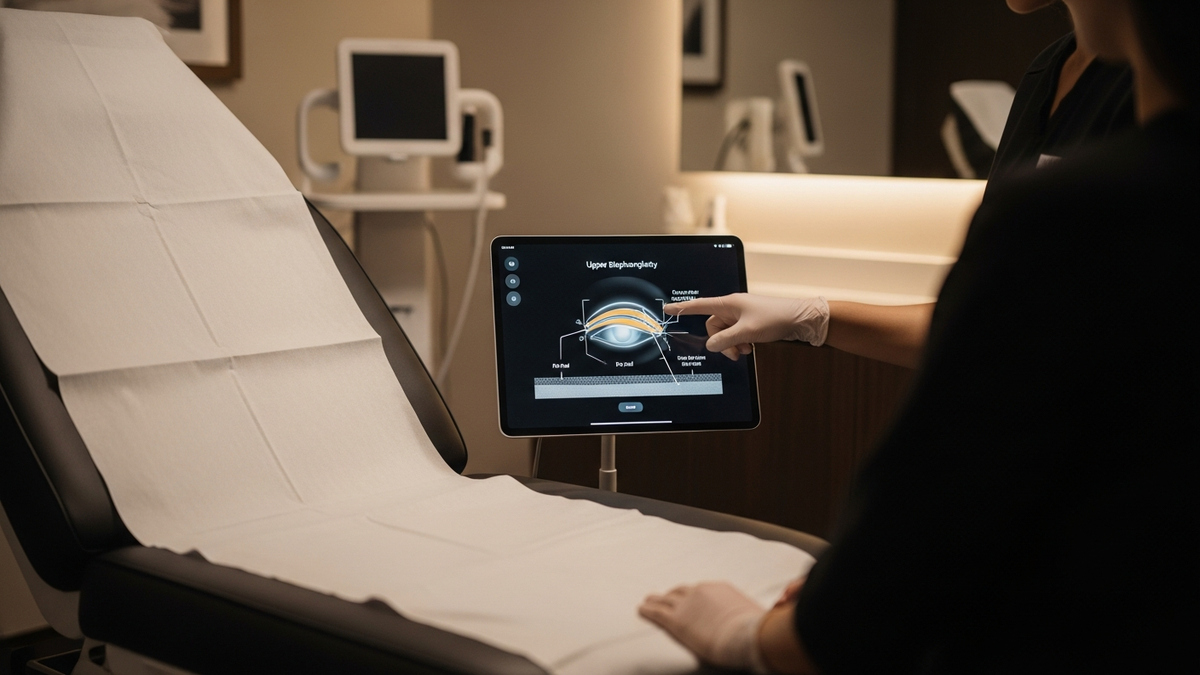
Upper blepharoplasty is a cosmetic surgical procedure that reshapes the upper eyelids by removing excess skin and, when appropriate, repositioning or removing small amounts of fat. The goal is to create a smoother eyelid contour, reduce heaviness or “hooding,” and improve the way the upper eyelid frame supports the eye.
Many people pursue upper eyelid surgery for aesthetic reasons—such as looking less tired or reducing visible sagging. In some cases, it may also improve functional concerns if upper lid skin interferes with vision (for example, when eyelid heaviness obstructs the visual field).
Upper Blepharoplasty vs. Lower Blepharoplasty
Upper blepharoplasty focuses on the eyelid area above the crease. Lower blepharoplasty targets the lower eyelid and under-eye region. While both procedures can rejuvenate the eye area, they address different anatomy and require different surgical planning.
- Upper blepharoplasty: excess upper lid skin, eyelid hooding, sometimes fat prolapse
- Lower blepharoplasty: under-eye puffiness, tear trough concerns, lower lid laxity, fine lines
If you’re considering eyelid surgery, a comprehensive exam is essential to determine whether upper only—or upper and lower—will best match your goals and facial balance.
Common Reasons People Ask “What Is a Upper Blepharoplasty?”
Upper eyelid surgery is often considered when the upper lids start to look heavier or more prominent over time. Here are frequent concerns patients bring to consults:
- Excess skin that creates a droopy or hooded look
- Eyelid puffiness or fullness that makes eyes look tired
- Prominent fat pads along the upper eyelid
- Asymmetry between eyelids (sometimes correctable surgically)
- Functional discomfort such as difficulty seeing due to lid heaviness
How Upper Blepharoplasty Works (Step-by-Step)
While each plan should be individualized, most upper blepharoplasty procedures follow a similar surgical framework. Your surgeon will tailor technique based on eyelid anatomy, skin quality, brow position, and your desired outcome.
1) Preoperative evaluation and measurements
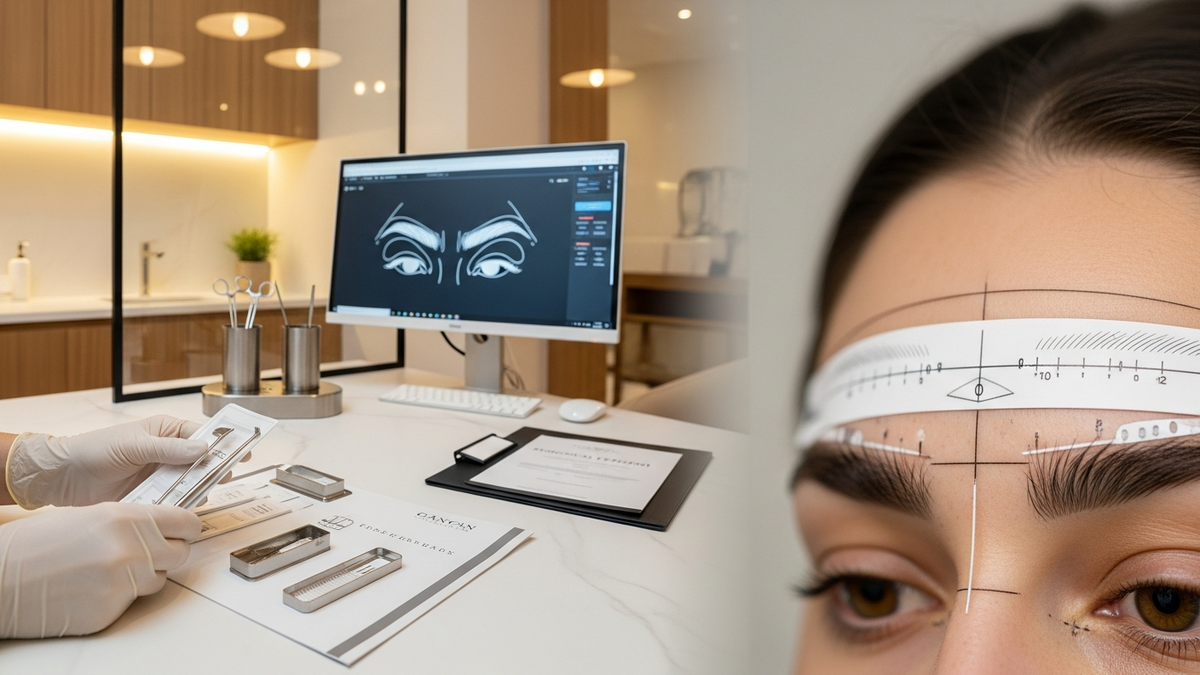
A skilled surgeon evaluates eyelid skin thickness, eyelid crease position, brow height, and the pattern of fat or skin excess. They may also assess whether brow ptosis (brow droop) is driving the “hooded” appearance. In some cases, what looks like an eyelid problem is partially a brow problem—meaning additional procedures (such as a brow lift) may be considered.
2) Marking the incision line
The surgeon marks the incision along the natural eyelid crease. This is important because it helps preserve a natural look and makes the scar less noticeable over time.
3) Incision, tissue removal, and contouring
During the procedure, the surgeon removes a carefully measured amount of excess skin. If indicated, they may also remove or reposition small amounts of fat to refine the eyelid contour.
4) Closure and refinement
The incision is closed with fine sutures. The surgical plan aims to maintain healthy eyelid function while creating a smoother, more balanced eyelid frame.
What Results Can You Expect From Upper Blepharoplasty?
Patients typically describe a more open, refreshed eye appearance. However, the exact results vary based on the amount of skin/fat addressed and your underlying anatomy.
Typical aesthetic outcomes
- Reduced hooding and a clearer upper eyelid crease
- Smoother eyelid contour with less puffiness
- More rested expression without looking “overdone”
- Improved eyelid symmetry when asymmetry is part of the concern
Timeline for visible improvement
Swelling and bruising are common in the early recovery period. Many patients notice meaningful changes after the first couple of weeks, with continued refinement as healing progresses over several months.
Important note: Final results depend on scar maturation, tissue settling, and individual healing patterns.
Who Is a Good Candidate for Upper Blepharoplasty?
Upper blepharoplasty may be a strong option if you have excess upper lid skin, upper lid heaviness, or fat-related fullness that affects your appearance. Candidates should also have realistic expectations and understand the risks of surgery.
Ideal candidate characteristics
- Visible upper eyelid skin excess or hooding
- Puffiness or fullness that doesn’t resolve with non-surgical measures
- Stable facial features and a consistent aesthetic goal (subtle, natural rejuvenation is common)
- Good overall health and the ability to follow postoperative instructions
Situations that may change the plan
Certain conditions can influence whether upper blepharoplasty alone is enough—or whether another approach is needed:
- Brow ptosis: If the brow is drooping, you may need a brow lift in addition to eyelid surgery.
- Dry eye or ocular surface disease: Eye health must be assessed because eyelid surgery can temporarily affect tear film.
- Significant eyelid laxity: This can require careful technique to protect eyelid function.
Potential Risks and Side Effects of Upper Blepharoplasty
Any surgical procedure carries risks. A thorough consult should cover complications, your personal risk factors, and the plan to minimize them.
Common temporary effects
- Swelling and bruising
- Dryness or irritation
- Temporary sensitivity or blurred vision
- Stinging or tearing as tissues heal
Risks to discuss with your surgeon
- Asymmetry (usually correctable or manageable, but it’s important to understand)
- Scarring (often minimal, but healing varies)
- Infection (uncommon, but possible)
- Bleeding or hematoma
- Dry eye symptoms or incomplete eyelid closure (rare, but a key risk to screen for)
- Changes in eyelid position (e.g., over-resection or under-resection)
Choosing a board-certified facial plastic and reconstructive surgeon experienced with eyelid anatomy can make a meaningful difference in safety and outcomes.
Upper Blepharoplasty Recovery: What to Expect
Recovery is typically manageable for most patients, but you should plan for downtime—especially in the first 7–14 days.
First week
- Swelling and bruising are most noticeable during the early phase
- You may be advised to use cold compresses and keep your head elevated
- Eye lubrication may be recommended to support comfort
- Activity restrictions are common (avoid heavy lifting and strenuous exercise)
Weeks 2–4
- Bruising typically resolves
- Incision healing continues; scar appearance improves gradually
- Many patients return to work and normal routines depending on job demands
Beyond 1 month
Scar maturation and tissue settling continue. Patients often feel more confident as the final eyelid contour becomes clear.
How to Prepare for Upper Blepharoplasty
Preparation helps reduce risk and improves comfort. Your surgical team will provide personalized instructions, but here are common, actionable steps to consider.
Before surgery
- Follow medication guidance: Ask your surgeon about anticoagulants, supplements, and pain medications.
- Arrange transportation: You’ll likely need someone to drive you home.
- Plan postoperative support: Have someone help you for the first day if possible.
- Stock up on supplies: Cold compresses, prescribed ointments/drops, and comfortable head-elevating pillows.
- Set expectations: Discuss your timeline for events like weddings, presentations, or travel.
During recovery
- Keep your head elevated and avoid rubbing your eyes
- Use prescribed eye drops/ointment as directed
- Attend follow-up visits for monitoring and suture management
- Protect healing skin from sun exposure (your surgeon may recommend specific measures)
Non-Surgical Options: Are They Enough?
Some concerns—like mild puffiness or early skin laxity—may respond to non-surgical strategies. However, excess eyelid skin and structural changes often require surgery for durable improvement.
Non-surgical approaches may include:
- Cold compresses and lifestyle adjustments for temporary puffiness
- Skincare and sunscreen to support skin quality
- Injectables for certain periorbital concerns (best evaluated individually)
If your main issue is hooding from excess upper lid skin, upper blepharoplasty is commonly the most direct solution.
Choosing the Right Surgeon for Upper Blepharoplasty
When you’re deciding on upper blepharoplasty, the surgeon’s experience with eyelid anatomy and facial balance matters. A natural outcome depends on careful measurement, appropriate tissue handling, and an understanding of how the eyelid interacts with the brow and surrounding structures.
What to look for in a consult
- Board certification and specialized training in facial plastic surgery
- Transparent discussion of risks, realistic outcomes, and alternatives
- Detailed plan based on your anatomy (not a one-size-fits-all approach)
- Natural aesthetic philosophy—aiming for refreshed, not “surprised”
- Postoperative support including follow-ups and clear instructions
Upper Blepharoplasty in the Context of Whole-Face Rejuvenation
Because the eyes are central to facial expression, eyelid surgery often pairs well with other facial procedures when needed. For example, if you have broader signs of aging, a surgeon may discuss additional options for harmony and balance.
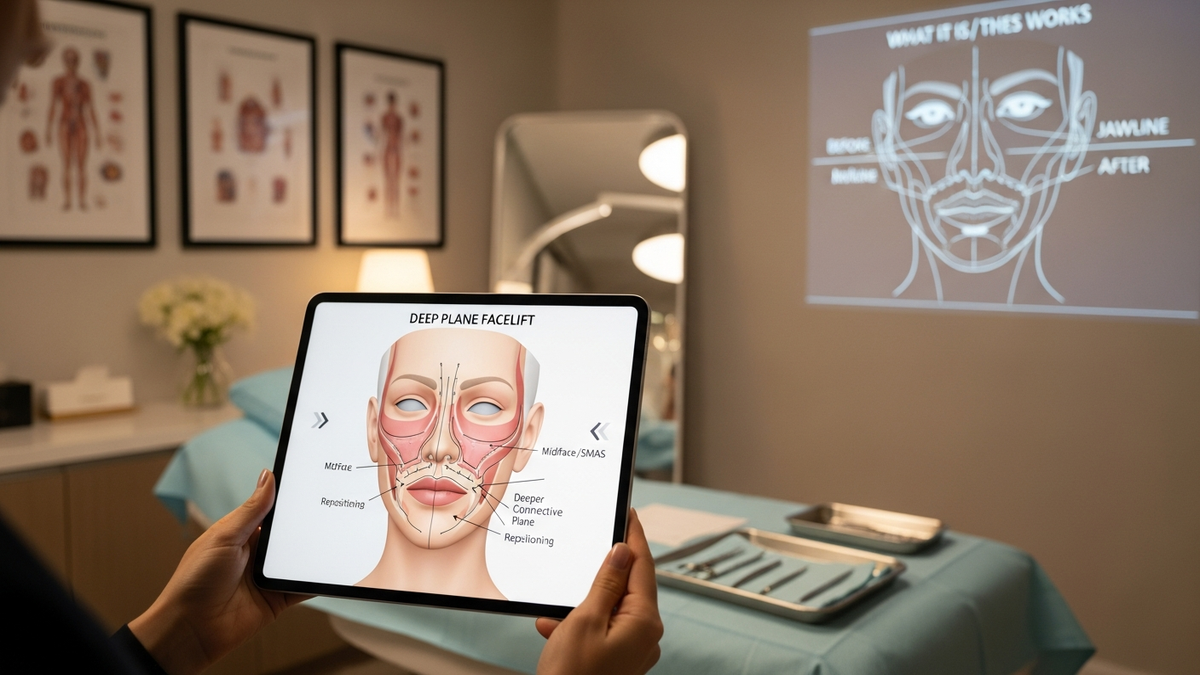
In some patients, addressing the midface, brow position, or overall skin laxity can enhance the final result. If you’re exploring broader rejuvenation, you may also want to review options like a Facelift when appropriate for your goals.
Related Procedures: Brows, Eyelids, and Facial Harmony
Upper blepharoplasty is sometimes part of a larger plan that includes brow rejuvenation. If brow position is contributing to visual obstruction or hooding, a brow lift may be discussed.
For patients also interested in other facial aesthetic procedures, you may find it helpful to review the broader scope of Blepharoplasty options and how upper and lower eyelid surgery differ.
Why This Matters: Safety, Function, and Natural-Looking Eyes
The best upper blepharoplasty outcomes balance aesthetics with function. That means preserving a healthy blink, protecting the ocular surface, and ensuring the eyelid contour looks natural from every angle.
At Hootan Zandifar, MD, FACS—a double board-certified, fellowship-trained facial plastic and reconstructive surgeon—care emphasizes natural-looking results, patient education, and an honest, compassionate approach to treatment planning. The focus is on helping patients achieve a refreshed appearance while prioritizing safe surgical technique and informed decision-making.
Frequently Asked Questions About Upper Blepharoplasty
1) What is a upper blepharoplasty used for?
Upper blepharoplasty is used to remove excess skin and address eyelid fullness or fat-related puffiness in the upper eyelids. It can create a more rested, youthful appearance and, in some cases, improve visual comfort if eyelid heaviness obstructs the visual field.
2) How long does upper blepharoplasty take?
Most upper blepharoplasty procedures are completed in a relatively short surgical session. Exact timing varies based on your anatomy, whether both sides require additional contouring, and whether any combined procedures are planned.
3) Will there be visible scars after upper blepharoplasty?
Incisions are typically placed in or near the natural eyelid crease, which helps scars blend over time. Healing varies by individual, but many patients find that scar visibility becomes minimal as recovery progresses.
4) What is the recovery time for upper blepharoplasty?
Swelling and bruising are usually most noticeable during the first week. Many patients return to normal activities within 1–2 weeks, depending on their job and comfort. Final refinement continues for months.
5) Is upper blepharoplasty the same as brow lift?
No. An upper blepharoplasty addresses the eyelid skin and fat. A brow lift (browplasty/forehead lift) targets brow position and can help if brow droop is causing eyelid hooding or visual obstruction.
CTA: Ready to Learn More About Upper Eyelid Surgery?
If you’re considering upper blepharoplasty, the next best step is an in-person evaluation with a qualified specialist who can assess your eyelid anatomy and help you understand options that fit your goals and lifestyle.
FlowGeniQ Digest encourages you to schedule a consultation to discuss candidacy, risks, and an individualized surgical plan. When appropriate, you can explore the full range of eyelid surgery options through resources like Blepharoplasty.
Professional Disclaimer
This content is provided for general educational purposes only by FlowGeniQ Digest. It is not a substitute for professional advice, diagnosis, or treatment. Readers are advised to consult qualified professionals for personalized recommendations.
Medical Information Disclaimer
This content is provided for general educational purposes only by FlowGeniQ Digest. It is not a substitute for professional advice, diagnosis, or treatment. Readers are advised to consult qualified professionals for personalized recommendations.