Welcome to FlowGeniQ Digest, where we translate advanced aesthetic and surgical options into clear, decision-ready guidance. If you’ve been researching deep plane facelift what is it, you’re probably looking for a facelift approach designed to restore youthful facial contours—not just tighten skin. The deep plane facelift is widely discussed among facial plastic surgery experts because it targets deeper facial structures to support a natural-looking lift, particularly in patients with more advanced sagging.
In this article, we’ll break down what a deep plane facelift is, how it differs from traditional facelift techniques, who may be a good candidate, what the procedure involves, and how to plan for recovery. We’ll also cover important safety and expectation-setting details, including questions to ask your surgeon during consultation.
Deep plane facelift what is it? A practical definition
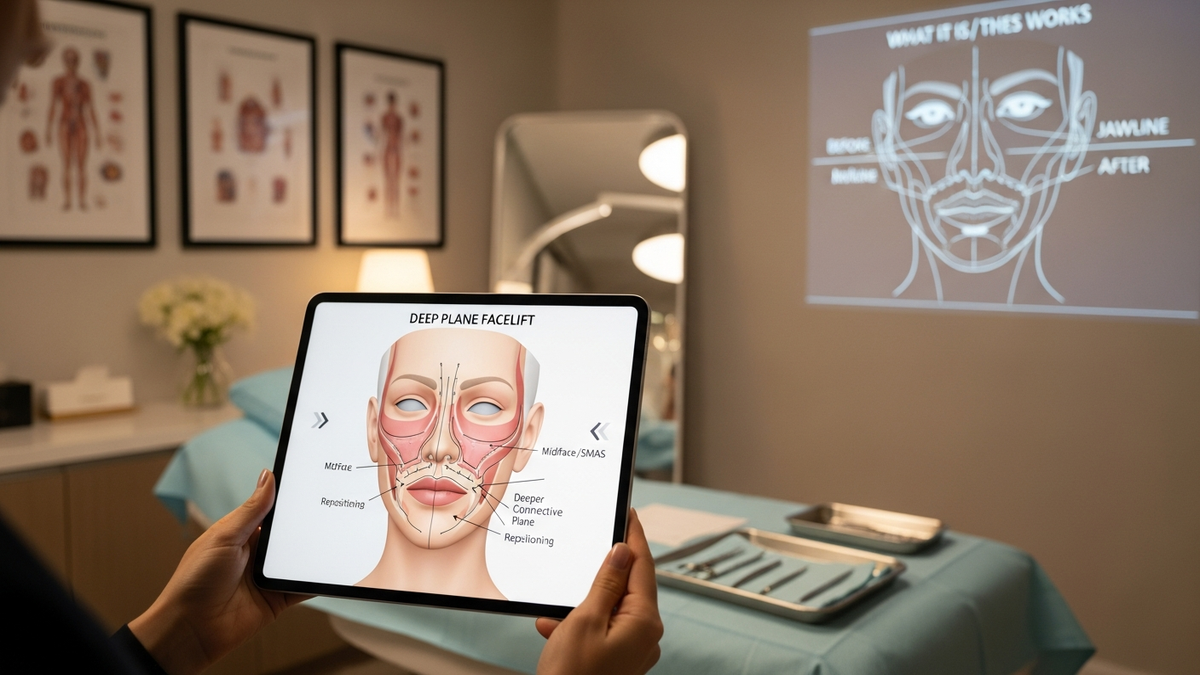
A deep plane facelift is a surgical technique that lifts and repositions facial tissues by working in deeper anatomical layers than many traditional facelift approaches. Instead of primarily pulling the skin tighter, the surgeon releases and re-drapes supportive tissues in a way that can better restore volume distribution and improve the jawline, cheek, and lower face.
In plain terms: the goal is to reposition the “framework” of the face so the overlying skin settles in a more youthful, natural position. Many patients seek this approach when they want a lift that looks less “pulled” and more like facial aging has been reversed.
How a deep plane facelift works (the anatomy-first approach)
Facial aging doesn’t only happen in the skin. Over time, supportive tissues—including the fibrous structures that help hold the face in place—can loosen and shift. A deep plane facelift is designed to address those deeper changes.
1) Releasing deeper support structures
During a deep plane facelift, the surgeon performs careful tissue dissection in specific layers to mobilize the deeper soft tissue envelope. This approach aims to preserve key structures while allowing the tissues to be lifted and repositioned more effectively.
2) Repositioning the cheeks and mid-to-lower face
One of the defining features of a deep plane technique is its emphasis on lifting the midface and improving the transition from cheek to jawline. Patients often notice changes in:
- Cheek contour (more youthful fullness and support)
- Jawline definition (reduced sagging and improved angles)
- Lower face (less “heaviness” or droop)
3) Redraping the skin with less “over-tightening”
Because deeper tissues are repositioned, the skin can settle more naturally. This is one reason deep plane facelifts are often chosen by patients who want results that look balanced rather than overly tight.
Deep plane facelift vs. traditional facelift: what’s the difference?
While both procedures are intended to lift and tighten, the primary distinction is layer depth and tissue handling.
Traditional facelift (common goals)
- Typically focuses on lifting and tightening tissues closer to the skin
- Can be effective for mild to moderate sagging
- May be less suited for certain patients with advanced midface descent
Deep plane facelift (common goals)
- Targets deeper support structures
- Often emphasizes midface support and jawline contour
- May provide more durable-looking results for patients with more noticeable aging changes
Important note: Technique selection is individualized. Two surgeons may both call their approach “deep plane,” but the exact dissection planes, vector strategy, and fixation methods can vary. That’s why a detailed consultation matters.
Who is a good candidate for a deep plane facelift?
Many patients ask whether a deep plane facelift is “better” than other options. The more accurate question is: Is it the right technique for your anatomy and aging pattern?
Common reasons patients consider deep plane facelift surgery
- Midface sagging or cheek descent
- Jawline laxity and jowling
- Lower face heaviness
- Desire for a natural lift with restored contours
Factors that influence candidacy
- Skin quality (elasticity, thickness, and texture)
- Degree of tissue laxity and volume changes
- Previous facial procedures (if any)
- Overall health and ability to heal
- Realistic goals based on your anatomy
In Los Angeles and Beverly Hills, many patients also consider complementary procedures—such as eyelid surgery or neck lift—to create a cohesive rejuvenation plan. For example, if you’re evaluating options beyond the face, you may want to explore Facelift options and discuss how your facelift goals align with your upper and lower facial concerns.
What to expect during the deep plane facelift procedure
Every surgical plan is customized, but your experience typically follows a structured pathway. Here’s what most patients can expect in broad terms.
Preoperative planning
- Consultation and facial assessment: your surgeon will evaluate skin laxity, facial fat distribution, jawline definition, and symmetry.
- Photography for baseline comparison.
- Medical review: medications, allergies, bleeding risk, and prior surgeries.
- Discussion of anesthesia and perioperative instructions.
Intraoperative steps (high-level overview)
During the procedure, the surgeon performs carefully planned incisions (often around the hairline and/or natural facial creases). The deep plane technique involves releasing and repositioning deeper tissue layers, then securing them to restore youthful contours. Finally, excess skin is adjusted and the incision sites are closed with attention to scar placement and healing.
Because facial nerve safety and tissue preservation are critical, your surgeon’s expertise and experience directly influence outcomes.
How long does a deep plane facelift take?
Procedure length varies by patient complexity and whether additional steps are combined (for example, neck contouring or eyelid rejuvenation). Your surgeon will provide a personalized timeline during consultation.
Deep plane facelift recovery timeline: what’s normal?
Recovery is an essential part of surgical outcomes. While individual experiences vary, understanding the general timeline can help you plan work, social events, and healing milestones.
First days (Days 1–3)
- Swelling and bruising are common
- Discomfort is typically managed with prescribed medications
- Head elevation helps reduce swelling
Early recovery (Days 4–14)
- Bruising may shift and gradually improve
- Incision care instructions are followed closely
- Sutures or drains (if used) are managed per surgeon guidance
Mid recovery (Weeks 3–6)
- Swelling continues to settle
- Facial contour starts to look more defined
- Gradual return to normal activities as approved
Longer-term results (3–12 months)
Many patients see ongoing refinement as tissues heal and settle. Scar maturation also continues over time. The final look is often best evaluated after several months.
Actionable tip: If you want the most natural result, plan your recovery like you would plan a major health event. Avoid smoking, follow medication instructions, attend follow-ups, and don’t rush activity levels.
Results: what kind of look can you expect?
With a deep plane facelift, many patients aim for a result that looks like a refreshed version of themselves. Common goals include:
- Improved cheek support and a smoother midface-to-jaw transition
- Reduced jowling and more defined jawline contour
- Lower face tightening without an overly “pulled” appearance
It’s also important to remember that “youthful” isn’t only about tightness—it’s about balance. A skilled surgeon accounts for your face shape, proportions, and natural aging patterns.
Potential risks and side effects (and why choosing the right surgeon matters)
All surgical procedures have risks. While most patients do well, you should understand possible side effects and complications so you can make an informed decision.
Common side effects
- Swelling and bruising
- Temporary numbness or changes in sensation
- Asymmetry during healing that may improve over time
Possible complications
- Infection
- Hematoma or fluid collection
- Wound healing issues
- Scarring that may require treatment
- Rare nerve-related concerns
Choosing a board-certified facial plastic and reconstructive surgeon with deep experience in facial anatomy can reduce risk and improve the odds of a natural-looking outcome.
How to choose a surgeon for a deep plane facelift
When searching for the right provider, don’t rely solely on before-and-after photos. Ask questions that reveal how your surgeon plans, performs, and manages outcomes.
Questions to ask at your consultation
- What specific “deep plane” approach do you use? Ask about the layers, fixation strategy, and how the lift vectors are planned.
- How do you tailor the procedure to my face? You want a plan based on your anatomy—not a one-size-fits-all template.
- What is your approach to natural-looking results? Look for emphasis on balance, proportion, and tissue handling.
- What are the risks in my case? Your health history matters.
- How do you manage recovery and follow-up? A strong aftercare plan is essential.
Why facial plastic expertise matters
Facial surgery requires refined knowledge of anatomy, including the layers involved in a deep plane facelift. In Los Angeles, patients often seek surgeons who focus on head and neck procedures and who prioritize patient education. For example, Dr. Hootan Zandifar is a board-certified facial plastic and reconstructive surgeon who focuses solely on head and neck surgeries, helping patients restore a fresh, youthful appearance with advanced anti-aging techniques.
During your evaluation, ensure your surgeon’s training aligns with the complexity of your goals. At a minimum, verify board certification and ask about the surgeon’s experience specifically with deep plane techniques.
Combining procedures: when a deep plane facelift isn’t the only step
Many patients don’t just want to lift—they want a comprehensive rejuvenation plan. Depending on your needs, your surgeon may recommend additional procedures to address other visible signs of aging.
Eyelid rejuvenation (blepharoplasty)
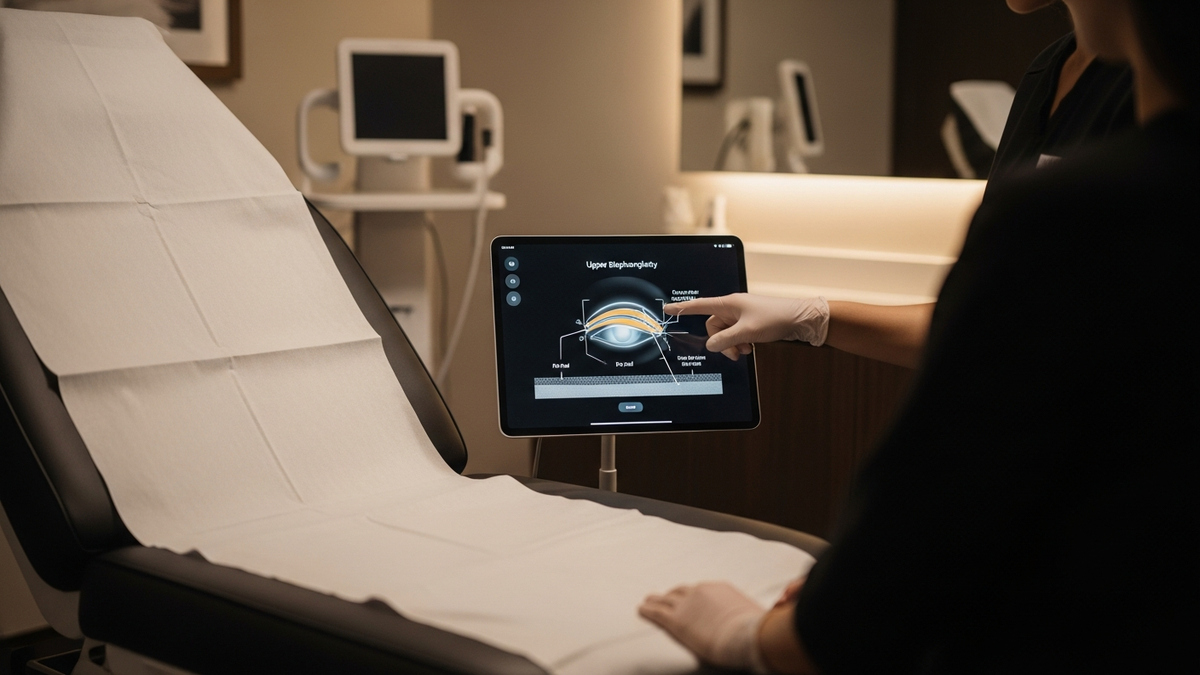
If you have upper eyelid heaviness or under-eye concerns, eyelid surgery can complement a facelift by improving the overall “frame” of the eyes. You can learn more about Blepharoplasty and how it may fit into a broader facial rejuvenation plan.
Neck lift and neck contouring
Because the neck is closely connected to lower face aging, some patients benefit from a neck lift or neck contouring to create a smooth transition from jaw to neck.
Volume restoration and contouring
Some patients may need or benefit from volume restoration strategies. Your surgeon can discuss options based on your facial structure and goals.
Hairline or eyebrow concerns (if relevant)
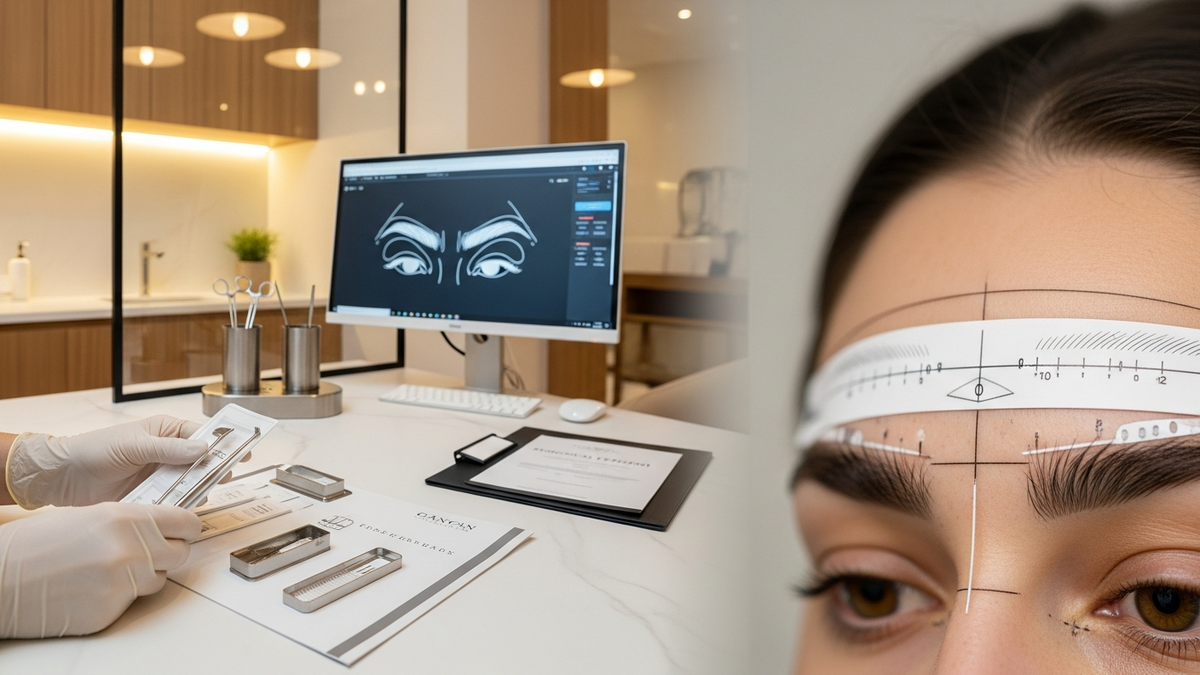
Facial balance can be influenced by eyebrows and hairline. If you’re considering eyebrow restoration, you might review eyebrow transplant options. For hair restoration discussions, patients sometimes explore a hair transplant as part of their overall confidence and appearance goals.
Deep plane facelift what is it? Common misconceptions
There are a few myths that frequently appear in patient conversations. Let’s clarify them.
Myth 1: “It’s just a tighter facelift.”
Not necessarily. A deep plane facelift emphasizes deeper tissue repositioning so the skin can settle naturally. The goal is contour restoration, not only skin tightening.
Myth 2: “More surgery always means better results.”
More isn’t always better. The best plan is based on your anatomy and aging pattern. Sometimes a less extensive approach can achieve better harmony.
Myth 3: “Recovery is the same for everyone.”
Recovery varies based on technique, your health, the extent of tissue work, and how well you follow post-op instructions.
What to do before your deep plane facelift
Preparation can significantly impact comfort, recovery, and confidence. Use this checklist to guide your planning.
Preoperative checklist
- Follow medication guidance: ask what to stop and when (especially blood-thinning medications).
- Plan your recovery space: comfortable seating, clean dressings if needed, and easy access to essentials.
- Arrange support: have someone available for the first days after surgery.
- Prepare for downtime: swelling and bruising can be noticeable.
- Set realistic expectations: initial swelling can temporarily alter facial proportions.
Lifestyle factors that may improve outcomes
- Avoid smoking and nicotine products
- Manage chronic conditions with your primary care clinician
- Follow a healthy nutrition plan to support healing
If you’re also dealing with nasal obstruction or breathing issues, it can be helpful to discuss head and neck health holistically with a qualified specialist. While nasal procedures are separate from facelifts, overall comfort and breathing can influence your day-to-day recovery experience. For example, patients with structural nasal concerns may explore options like Septoplasty for a Deviated Septum—but only if recommended by the appropriate clinician.
After your deep plane facelift: long-term care for best results
Successful surgery is only part of the story. Long-term skin care and healthy habits support your results.
Aftercare essentials
- Attend all follow-up appointments
- Follow incision and wound care instructions precisely
- Protect healing skin from sun exposure (your surgeon may recommend sunscreen and/or physical sun protection)
- Adopt a consistent skincare routine as directed
Maintain realistic expectations
A facelift can turn back the clock, but it can’t stop aging entirely. Many patients choose additional non-surgical treatments over time to maintain freshness.
Related: How a facelift strategy may connect to other facial procedures
Sometimes, the best rejuvenation plan is a combination of procedures. If your concerns include upper facial aging, eyelid surgery, brow lift, or other head-and-neck aesthetic treatments may be considered. For a broader overview of options, you can review Facelift information and discuss your goals with a qualified surgeon.
FAQ: Deep plane facelift what is it?
1) Is a deep plane facelift right for everyone?
No. Candidacy depends on your anatomy, skin quality, degree of sagging, and desired outcome. A qualified surgeon can determine whether the deep plane technique matches your aging pattern.
2) What is the main benefit of a deep plane facelift?
Many patients choose deep plane surgery because it emphasizes repositioning deeper supportive tissues, which can improve midface support and jawline contour for a natural-looking result.
3) How long do results last?
Longevity varies by individual factors such as skin quality, lifestyle, and how tissues age over time. Many patients find deep plane results to be durable, but your surgeon can provide expectations based on your specific case.
4) Will I look “pulled” after surgery?
When performed thoughtfully with an emphasis on tissue repositioning and facial balance, deep plane facelifts are designed to avoid an overly tight or unnatural appearance. Your surgeon’s technique and aesthetic judgment play a major role.
5) What should I ask during my consultation?
Ask about the exact technique used, how the lift vectors are planned for your face, expected recovery, risks in your case, and what other procedures (if any) could complement your facelift goals.
CTA: Ready to explore your facelift options?
If you’re searching for deep plane facelift what is it because you want a more advanced approach to facial rejuvenation, the next step is a personalized consultation. A qualified facial plastic and reconstructive surgeon can evaluate your anatomy, discuss realistic goals, and recommend the safest technique to help you look and feel like your best self.
FlowGeniQ Digest encourages you to research thoroughly, ask detailed questions, and choose a provider who prioritizes patient education and natural-looking outcomes.
To learn more about facelift options and surgical planning, consider reviewing Facelift resources and scheduling a consultation with a board-certified specialist.
Professional Disclaimer
This content is provided for general educational purposes only by FlowGeniQ Digest. It is not a substitute for professional advice, diagnosis, or treatment. Readers are advised to consult qualified professionals for personalized recommendations.
Medical Information Disclaimer
This content is provided for general educational purposes only by FlowGeniQ Digest. It is not a substitute for professional advice, diagnosis, or treatment. Readers are advised to consult qualified professionals for personalized recommendations.