In the world of upper blepharoplasty celebrities, the “after” is often what makes headlines: a more open gaze, smoother upper eyelids, and a refreshed look that can seem to turn back the clock without looking “done.” But behind the glamour is a highly technical procedure—one that depends on anatomy, surgical strategy, and meticulous attention to eyelid function. In this FlowGeniQ Digest guide, we’ll explore what upper blepharoplasty can realistically achieve, why the results can look so natural, and how to approach decision-making with safety and clarity.
What Upper Blepharoplasty Is (and Why Celebrities Talk About It)
Upper blepharoplasty—often called upper eyelid surgery—is a cosmetic and functional procedure designed to address common age- and tissue-related changes of the upper eyelids. Many patients seek it for:
- Excess or hooded upper eyelid skin that can create a tired appearance
- Puffiness or fullness in the upper lids
- Visible folds that may affect the way the eyes look in photographs
- Occasionally, functional concerns such as visual obstruction from hooding
When upper blepharoplasty celebrities appear with a brighter gaze, it’s typically because the procedure restores a more youthful eyelid contour and reduces distracting skin redundancy—without changing the fundamental shape of the eyes.
Why Upper Blepharoplasty Results Look “Natural” on Screen and in Photos
Natural-looking outcomes aren’t accidental. They come from surgical planning that respects how the eyelid works dynamically—during blinking, laughing, and gaze changes. In high-visibility patients (including many public figures), surgeons often aim for results that:
- Preserve eyelid height and symmetry
- Maintain appropriate crease definition
- Balance skin removal with the patient’s underlying fat and muscle anatomy
- Avoid overcorrection that can lead to an “over-open” or heavy-lid look
- Blend changes so they don’t look abrupt in different lighting
That “celebrity effect” is usually the result of precision and restraint, not maximal tissue removal.
Upper Blepharoplasty Celebrities: Common Goals vs. Common Misconceptions
Goal #1: A more rested, alert expression
One of the most consistent themes among upper blepharoplasty celebrities is the “rested eyes” effect. Upper eyelid surgery can reduce the shadowing created by hooded skin and redistribute fullness so the eyes appear more open.
Goal #2: Smoother eyelid skin and improved contour
Excess skin and irregular contours can create texture that becomes more noticeable with age. Upper blepharoplasty can smooth and refine the upper lid surface by removing or repositioning the right tissues.
Misconception: Upper blepharoplasty changes your eye shape dramatically
In most well-planned cases, the goal is refinement, not a wholesale alteration of eye shape. If a procedure is designed to be natural, it should enhance your existing features rather than transform them into something unrecognizable.
Misconception: The procedure is “one size fits all”
Upper eyelids differ widely in skin thickness, fat distribution, crease position, and degree of hooding. A personalized plan typically includes careful measurements and an individualized approach to skin and fat management—exactly what you’d want when planning for high-stakes visibility.
Who Is a Good Candidate for Upper Eyelid Surgery?
Good candidates for upper blepharoplasty usually have one or more of the following:
- Visible upper eyelid hooding from excess skin
- Upper lid heaviness that makes the eyes look tired
- Upper lid fullness or prominent fat pads
- Crease irregularities that affect appearance
- Occasional functional complaints (for example, when hooding contributes to visual obstruction)
However, candidacy is not just about looks. Surgeons also assess eyelid function, blink strength, tear film health, and the relationship between the eyelids and brow position. For some patients, a brow lift may be more appropriate than (or used alongside) upper blepharoplasty if brow descent is the primary driver of the hooded look.
How Upper Blepharoplasty Works: A Practical Overview of the Procedure
While techniques vary by surgeon and patient anatomy, upper blepharoplasty generally involves:
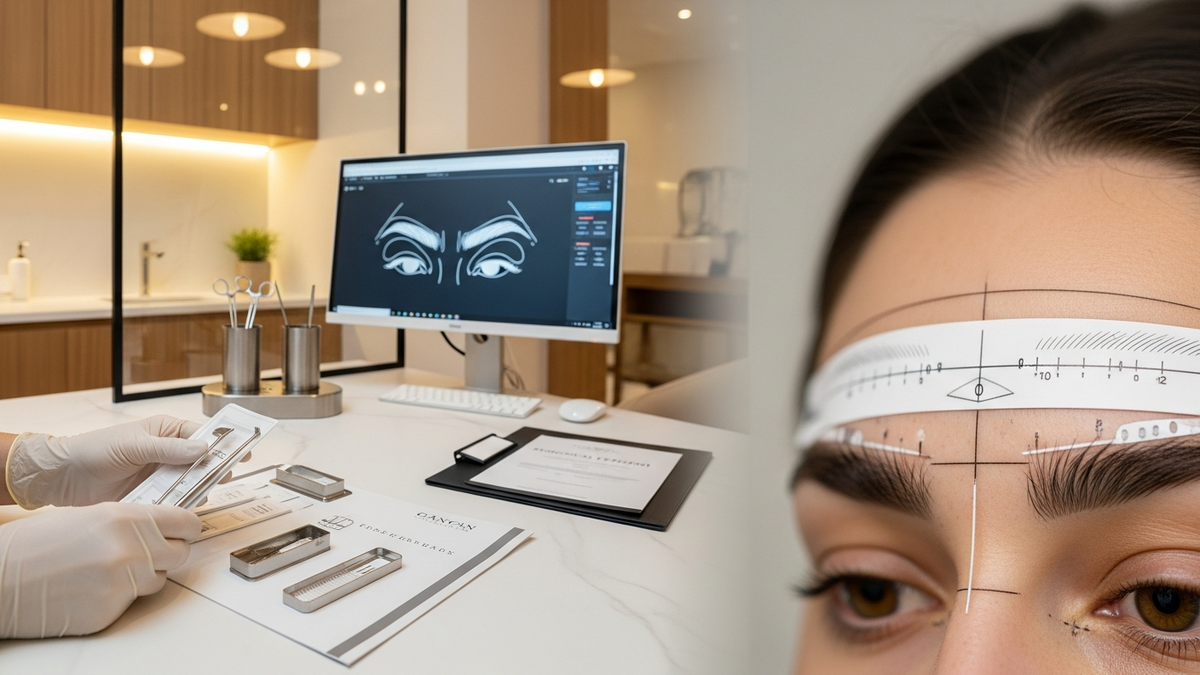
- Preoperative assessment: Measurements of eyelid crease height, symmetry, skin redundancy, and fat fullness; review of medical history and medications.
- Marking the incision: The planned incision line is drawn to preserve a natural crease and eyelid contour.
- Tissue management: Selective removal of excess skin and, when needed, repositioning or sculpting of fat.
- Closure: Fine sutures help minimize visible scarring and support proper healing.
For patients seeking outcomes that resemble the refined look associated with upper blepharoplasty celebrities, this step-by-step planning is where the “magic” begins—long before anyone sees the final result.
Upper Blepharoplasty vs. Lower Blepharoplasty: What’s the Difference?
Upper and lower blepharoplasty address different aging patterns:
- Upper blepharoplasty: Often focuses on hooding, excess skin, and upper lid fullness.
- Lower blepharoplasty: Commonly targets under-eye bags, tear trough concerns, and lower lid skin laxity.
Some patients need both for a harmonious result, while others only require upper lid correction. A comprehensive evaluation helps determine what will produce the most natural, balanced effect.
Potential Risks and Side Effects You Should Know
Any surgery has risks, and eyelid surgery is no exception. A reputable surgeon will explain both typical and less common outcomes. Possible risks include:
- Dry eye symptoms or temporary changes in tear production
- Swelling and bruising during early recovery
- Asymmetry (often mild and correctable with time; sometimes needs revision)
- Scarring that may be more noticeable initially, then improves
- Infection (uncommon, but possible)
- Changes in eyelid closure if tissue removal is too aggressive
That’s why choosing a surgeon who understands eyelid function—not just aesthetics—is essential, especially if you want a result that looks natural in motion and across lighting.
Recovery Timeline: What to Expect After Upper Eyelid Surgery
Recovery varies by individual, but many patients find the general timeline helpful:
- First 48–72 hours: Swelling and bruising often peak gradually; cold compresses may be recommended.
- Days 4–10: Bruising typically begins to fade; eyelids may feel tight.
- Weeks 2–4: Many patients return to work and normal routines, depending on healing and comfort.
- Months 2–3+: Final contour and subtle scar maturation continue to refine.
For high-visibility schedules, planning matters. Some patients schedule around events and filming, while others prioritize a timeline that allows for adequate healing and follow-up.
How to Choose the Right Surgeon for Upper Blepharoplasty
If you’re researching upper blepharoplasty celebrities as inspiration, the next step is selecting a clinician who can translate that “look” into an individualized plan for your anatomy. Consider these selection criteria:
1) Experience with facial plastic and eyelid anatomy
Eyelids are delicate structures. You want someone trained to manage both aesthetic goals and functional considerations.
2) A natural approach grounded in measurements
Ask how the surgeon determines incision placement, crease definition, and the balance of skin versus fat management. The best answers are specific, not generic.
3) Transparent discussion of risks and limitations
A trustworthy consult includes candid information about what surgery can achieve, what it cannot, and how healing may affect your timeline.
4) Patient education and follow-up
Choosing a surgeon who prioritizes education can make recovery smoother and decisions more confident.
Where Upper Blepharoplasty Fits in a Broader Facial Rejuvenation Plan
Many patients don’t need a single procedure—they need the right combination. Upper eyelid surgery can be part of a comprehensive facial refresh that may include other head-and-neck aesthetic options.
When a facelift might be considered
If lower face laxity contributes to an aged appearance, a Facelift may complement eyelid rejuvenation. If you’re exploring a broader plan, you can learn more here: Facelift.
When brow lift is the missing piece
For patients whose eyelid hooding is driven by brow descent, a brow lift can elevate the brow and reduce the need for excessive upper lid skin removal. This can support a naturally balanced look.
When other head-and-neck procedures matter
Some patients also consider adjacent areas for symmetry and harmony. For example, localized fat in the submental area may be addressed with submental liposuction, while ear reshaping can refine facial framing when appropriate.
Upper Blepharoplasty and Functional Considerations: More Than Cosmetics
One reason upper eyelid surgery can feel so “transformative” is that it can improve both appearance and comfort. In some individuals, upper lid hooding may create functional concerns, such as visual obstruction. A careful preoperative evaluation helps determine whether the primary driver is skin redundancy, fat prominence, brow position, or other factors.
Importantly, eyelid surgery planning should also consider ocular surface health. Dry eye or tear film issues can influence both symptoms and healing. A surgeon who takes a functional approach may recommend pre- or post-op eye care strategies to support comfort.
What This Means for People Who Want the “Celebrity” Look Without the Celebrity Outcomes
It’s tempting to think that upper blepharoplasty celebrities get a standardized result. In reality, the best outcomes are customized. The “celebrity” look typically reflects:
- Conservative tissue removal with attention to eyelid crease and contour
- Symmetry planning tailored to your natural anatomy
- Functional respect for blink and eyelid closure
- Realistic expectations about swelling, bruising, and final timing
If you want a refreshed, youthful appearance, the most effective strategy is to aim for a result that looks like you, just more rested—not someone else.
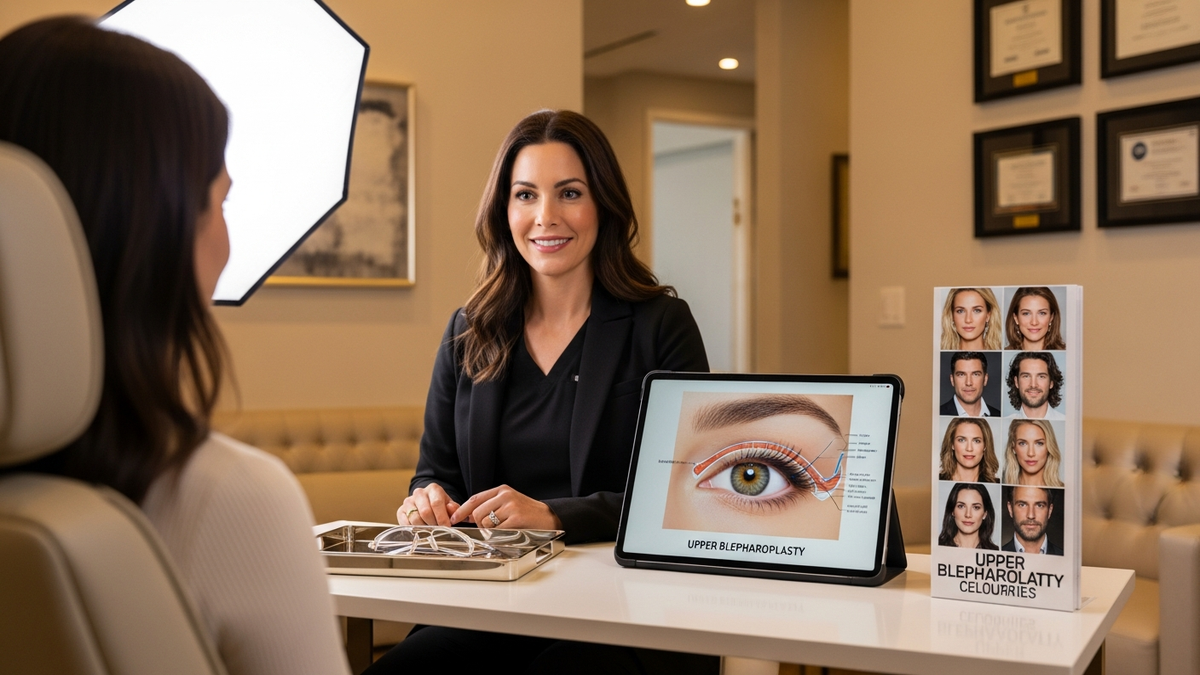
How to Prepare for Your Upper Blepharoplasty Consultation
Preparation can improve the quality of your consult and help you leave with a clear plan. Consider bringing:
- A list of medications, supplements, and any prior surgeries
- Photos in different lighting (front-facing, neutral expression, looking slightly down and up)
- Your main goals (for example: less hooding, reduced heaviness, improved crease definition)
- Any functional concerns (fatigue from looking through hooding, visual obstruction sensations)
- Questions about technique, recovery timeline, and scar expectations
At FlowGeniQ Digest, we encourage readers to treat consultations as a two-way process: you should feel heard, and your surgeon should provide clear, evidence-based guidance.
Learning More About Eyelid Surgery
If you want to understand how surgeons describe eyelid procedures and what they focus on, you can review general information here: Blepharoplasty.
For many patients, this initial reading helps them prepare better questions for their appointment.
Related Considerations: How Other Procedures Can Impact Facial Harmony
While this article focuses on upper blepharoplasty, it’s worth noting that facial harmony often involves multiple systems—skin quality, brow position, nasal airflow, and overall facial proportions.
Functional nasal health and facial balance
Some patients are surprised to learn that nasal function can influence comfort and overall well-being, which can indirectly affect how you feel in your appearance. For instance, if nasal obstruction is part of your story, you may explore functional options such as Septoplasty (and, in some cases, the concept of a deviated septum). Learn more about related topics with: Deviated Septum.
Breathing comfort matters for quality of life
When nasal breathing is improved, many patients report feeling more comfortable day-to-day. This can be especially meaningful if you’re planning a broader rejuvenation journey.
Frequently Asked Questions About Upper Blepharoplasty
1) How long do upper blepharoplasty results last?
Upper eyelid surgery can provide long-lasting improvement, but aging continues. Many patients enjoy years of refreshed appearance. Your final longevity depends on skin quality, eyelid anatomy, and how your face ages over time.
2) Will upper blepharoplasty look the same in motion and in photos?
Ideally, yes. Natural outcomes are designed to be consistent across expressions and lighting. That’s why surgeons emphasize crease placement, symmetry, and a balanced approach to skin and fat management.
3) Can upper blepharoplasty help with vision obstruction from hooded lids?
In some cases, yes—especially when hooding contributes to visual field limitation. A detailed preoperative exam is necessary to determine whether functional concerns exist and whether surgery can address them safely.
4) What’s the difference between upper blepharoplasty and a brow lift?
Upper blepharoplasty primarily addresses the upper eyelid skin and fullness. A brow lift elevates the brow and can reduce hooding caused by brow descent. Many patients benefit from the right combination based on their anatomy.
5) How do I avoid an overly “done” look?
Choose a surgeon who emphasizes conservative, measurement-driven planning. Ask about how they decide how much skin to remove and how they preserve eyelid function and natural crease definition.
CTA: Book a Consultation for a Personalized Upper Eyelid Plan
If you’re inspired by the refreshed, natural results you see with upper blepharoplasty celebrities, the most important next step is getting a plan built for your anatomy—not a trend. In Los Angeles and Beverly Hills, patients often look to board-certified facial plastic and reconstructive expertise for safe, natural-looking outcomes and clear education throughout the process.
Schedule your consultation to discuss candidacy, realistic goals, and a recovery timeline that fits your life. With the right approach, you can pursue a more open, youthful gaze while staying grounded in safety and individualized care.
Professional Disclaimer
This content is provided for general educational purposes only by FlowGeniQ Digest. It is not a substitute for professional advice, diagnosis, or treatment. Readers are advised to consult qualified professionals for personalized recommendations.
Medical Information Disclaimer
This content is provided for general educational purposes only by FlowGeniQ Digest. It is not a substitute for professional advice, diagnosis, or treatment. Readers are advised to consult qualified professionals for personalized recommendations.