Source note: This article is written for FlowGeniQ Digest and reflects general educational guidance based on widely accepted medical principles and patient-centered considerations for cosmetic and functional nasal care.
Choosing turkish rhinoplasty can feel exciting—especially when you’re comparing options, timelines, and budgets across countries. But the best outcomes come from more than pricing. The safest, most natural-looking results depend on a careful match between your anatomy, your goals (aesthetic and/or functional), and the surgeon’s training, technique, and safety standards.
In this guide, we’ll walk through what to expect from a rhinoplasty journey, how to evaluate quality when traveling, and which questions matter most—so you can make a confident decision.
What “Turkish Rhinoplasty” Usually Means (Aesthetic vs. Functional)
“Rhinoplasty” is a cosmetic procedure (often called a “nose job”) that changes the look and/or function of the nose. Some patients pursue rhinoplasty primarily for appearance—refining the tip, narrowing the bridge, improving symmetry, or addressing dorsal irregularities. Others also want functional improvement, such as better nasal airflow if they have structural issues.
In many international discussions, turkish rhinoplasty may refer to rhinoplasty performed in Turkey for patients traveling from abroad. However, the clinical approach should still be individualized. A nose that looks balanced should also work comfortably—especially if you experience nasal congestion, chronic “stuffy nose,” or difficulty breathing.
Aesthetic goals patients commonly seek
- Refining the nasal tip for a more harmonious face proportion
- Reducing a dorsal hump or smoothing contour irregularities
- Improving symmetry between nostrils
- Balancing nose width with facial features
- Correcting prior surgical results or congenital asymmetries
Functional goals that may change the plan
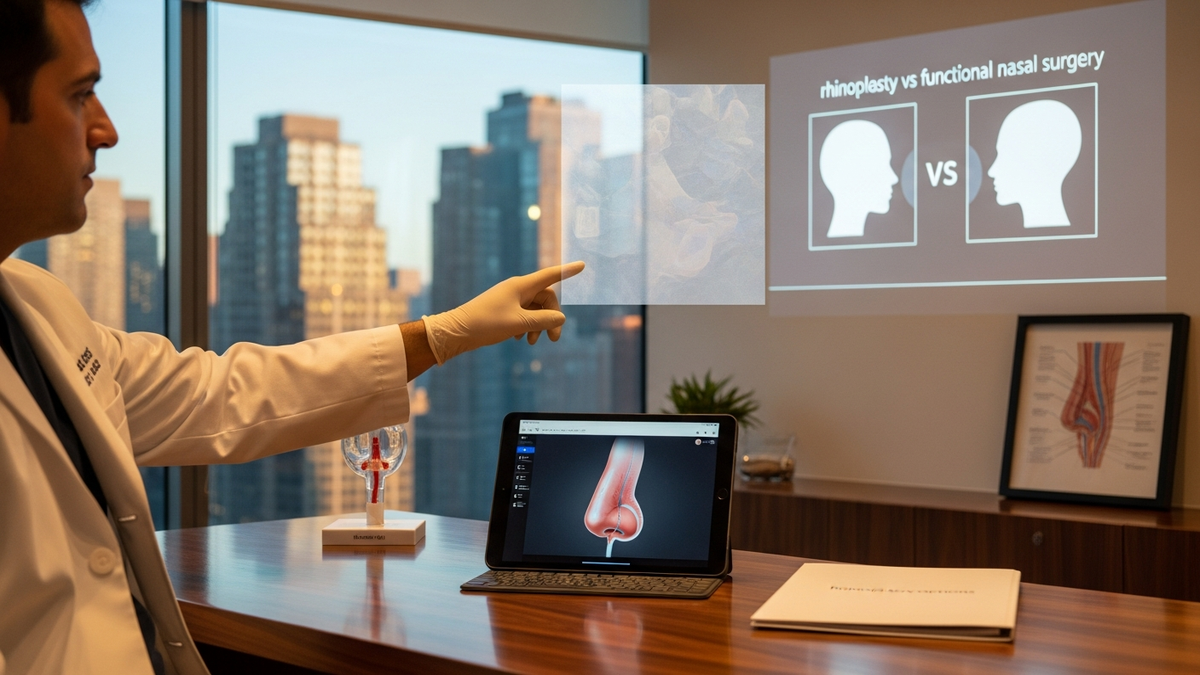
When breathing is a concern, the surgical plan may include elements of functional nasal surgery. For example, some patients benefit from procedures that address airflow more directly than cosmetic-only adjustments.
In a head-and-neck specialty context, functional nasal care may involve evaluating issues such as a deviated septum, enlarged inferior turbinates, or nasal valve collapse. These conditions can contribute to chronic obstruction and sinus symptoms.
Before You Travel: How to Evaluate Safety for Turkish Rhinoplasty
International surgery requires extra diligence. You’re not just choosing a procedure—you’re choosing a system: the surgeon, the facility, perioperative care, complication management, and follow-up logistics.
1) Verify credentials and specialty alignment
Rhinoplasty is not “one-size-fits-all.” Look for surgeons with formal training in facial plastic surgery or otolaryngology/head and neck surgery, plus specific rhinoplasty experience. Ask about:
- Board certification or equivalent licensing status
- Fellowship training or advanced rhinoplasty focus
- Volume of rhinoplasty cases performed annually
- Approach to functional assessment (breathing evaluation)
- How they manage revision cases
2) Ask how they handle functional breathing concerns
If you have congestion, recurrent sinus issues, or difficulty breathing, request a structured airway evaluation. A thoughtful surgeon should explain whether your obstruction is likely due to septal deviation, turbinate hypertrophy, nasal valve collapse, or other causes.
In some cases, functional procedures may be considered to permanently improve airflow and quality of life. For example, Septoplasty may be recommended for a Deviated Septum, and inferior turbinate reduction can help address long-term nasal blockage in selected patients.
3) Review facility standards and emergency readiness
- Is the procedure done in an accredited hospital or accredited surgery center?
- What anesthesia team is used and what monitoring is standard?
- How are complications managed (hematoma, infection, bleeding)?
- Are there clear protocols for postoperative care and urgent evaluation?
4) Ensure you have a follow-up plan you can access
After rhinoplasty, you’ll need postoperative visits to monitor healing, manage swelling, and assess breathing and contour. If you plan to return home after surgery, confirm:
- Whether you can schedule local follow-ups
- What medical records you’ll receive (operative report, photos, implant details if any)
- How quickly your surgeon will respond to concerns remotely
- Whether you can be evaluated again if something unexpected occurs
How to Choose the Right Rhinoplasty Approach for Your Nose
A successful turkish rhinoplasty outcome depends on selecting the correct approach for your anatomy and goals. Your surgeon should explain the rationale behind their plan—not simply offer a standard technique.
Open vs. closed rhinoplasty: what’s the difference?
Surgeons may use either open or closed rhinoplasty techniques. In general terms:
- Open rhinoplasty involves a small external incision that provides enhanced visibility of nasal structures, which can be helpful for complex reshaping or revision.
- Closed rhinoplasty uses internal incisions only, which may reduce external scarring but may limit direct visualization for certain cases.
Which is better? The right technique depends on your deformity, desired changes, and the surgeon’s preferred method for achieving stable, natural results.
Cartilage grafting and structural support
Many rhinoplasty results rely on grafts and structural reinforcement to maintain tip support and long-term shape. Your surgeon should discuss whether you need:
- Tip refinement or support
- Correction of asymmetry
- Camouflage or contour smoothing
- Revision stabilization
Ask what graft sources may be used (commonly cartilage from the septum, ear, or other sites) and how they plan to preserve function.
Revision rhinoplasty requires extra caution
If you’ve had prior nasal surgery, your goals and risks may differ. Revision cases often involve scar tissue, altered anatomy, and different structural needs. If you’re considering travel for a revision, ask specifically:
- How many revision rhinoplasty cases they perform
- What imaging or measurements they use for planning
- How they manage grafting and structural stability
- Expected timeline for swelling and final contours
What It Costs and Why “Cheap” Isn’t Always the Best Value
One reason turkish rhinoplasty attracts international interest is cost competitiveness. But cost comparisons can be misleading if they don’t include the full care package.
Ask what’s included in the quote
- Surgeon’s fee and anesthesia fee
- Facility and operating room costs
- Prescriptions and postoperative medications
- Imaging, splints, or stents
- Number of postoperative visits
- Management of complications (what’s included vs. billed separately)
- Revision policy (if needed)
Consider the hidden costs of travel
International surgery may add costs for transportation, lodging, time off work, and follow-up visits. When you compare options, include:
- Travel insurance and medical evacuation coverage (if available)
- Local follow-up with a qualified provider if complications arise
- Documentation fees and record transfer
Recovery Timeline: What to Expect After Rhinoplasty
Recovery varies by person and by the complexity of the procedure. Still, most patients can anticipate a general progression.
First days: swelling, splints, and rest
- Swelling and bruising are common, especially around the eyes and cheeks.
- Splints or internal support may be used and removed at an early follow-up.
- Pain is usually manageable with prescribed medications.
- Sleep with your head elevated to reduce swelling.
Weeks 1–6: gradual improvement
During this phase, you may still feel “blocked” due to healing tissues and swelling. Many patients notice changes in breathing and contour gradually. Your surgeon will guide activity restrictions, including:
- Avoiding heavy lifting and strenuous exercise
- Careful return to daily activities based on comfort and healing
- Protecting your nose from impacts
Months 3–12: refining the final result
Rhinoplasty results can continue to evolve for up to a year or longer, as soft tissues settle. Patience is part of the process—and a key to evaluating outcomes fairly.
Functional Breathing: Why It Matters Even for Cosmetic Patients
Many patients choose rhinoplasty for appearance, but nasal function can significantly affect satisfaction. Breathing comfort influences daily life, sleep quality, and how you feel about your result.
When to consider functional evaluation
Consider asking your surgeon about functional assessment if you experience:
- Chronic nasal congestion or a persistent “stuffy nose”
- Difficulty breathing through one or both nostrils
- Frequent sinus infections or sinus pressure
- Sleep-disordered breathing symptoms (e.g., snoring)
- Recurrent nosebleeds
Functional nasal options (examples)
Depending on diagnosis, functional treatments can include structural corrections and airway-focused procedures. In some cases, patients may benefit from interventions that address septal deviation or turbinate enlargement. For example:
- Septoplasty may be used to correct a Deviated Septum.
- Inferior turbinate reduction can help relieve long-term obstruction from enlarged turbinates.
- Nasal valve collapse may require specialized approaches, including non-surgical or surgical options in selected cases.
Important: Functional procedures and cosmetic refinement can sometimes be combined, but the plan should be tailored to your anatomy and symptoms—not assumed.
How Surgeons in Beverly Hills Approach Rhinoplasty (A Reference for Quality)
If you’re comparing turkish rhinoplasty with options closer to home, one useful benchmark is understanding how experienced head-and-neck facial plastic surgeons structure care: education, functional assessment, and natural-looking outcomes.
For example, Dr. Hootan Zandifar is a double board-certified, fellowship-trained Facial Plastic & Reconstructive Surgeon who focuses on cosmetic and reconstructive head and neck surgery. His rhinoplasty-related work emphasizes functional nasal surgery when appropriate—particularly for chronic congestion, difficulty breathing, and structural contributors such as a deviated septum or enlarged turbinates. In the right circumstances, functional procedures can permanently improve airflow and quality of life.
When cosmetic changes are desired, patients are guided by a patient education-first approach and a commitment to natural results. If you’re exploring rhinoplasty planning, you can also review general information about the procedure at Rhinoplasty and learn how surgeons evaluate both aesthetics and function.
Questions to Ask Your Surgeon Before Scheduling Turkish Rhinoplasty
Use this checklist as a practical starting point. The best surgeons welcome questions and provide clear, understandable answers.
About your specific case
- What is driving my nasal shape concerns—bone, cartilage, skin thickness, or asymmetry?
- Do you anticipate functional improvements in my case, or should we focus primarily on aesthetics?
- What findings do you see on exam (and do you use imaging or nasal endoscopy when needed)?
- What grafts or structural supports are likely, and why?
- What are my realistic outcomes at 3 months, 6 months, and 12 months?
About safety and complication management
- What are the most common risks for my anatomy and health profile?
- What is your plan for managing bleeding, infection, or breathing issues after surgery?
- How often do you see complications, and how are they handled?
- What postoperative medications and care instructions will I receive?
About follow-up and revision policy
- How many postoperative visits are included?
- What happens if I’m concerned about healing or contour—how quickly can I be seen?
- What is your revision policy and timeline?
- Will I receive my operative report and records for local follow-up?
Preparing for Surgery: Actionable Recommendations
Preparation can reduce risk and improve comfort. While your surgeon’s instructions are the final authority, these are common, practical steps to discuss.
1) Review your health and medications
- Tell your surgeon about all prescriptions, supplements, and allergies.
- Ask about medication adjustments (especially blood thinners) well in advance.
- Disclose smoking or nicotine use; cessation plans may be recommended.
2) Plan logistics for swelling and recovery
- Arrange transportation and a comfortable place to rest during the first week.
- Stock up on soft, easy-to-eat foods and hydration options.
- Prepare for vision changes from swelling/bruising (even if temporary).
3) Build a follow-up bridge back home
If you’re traveling for turkish rhinoplasty, plan for the possibility of local follow-up. Ask your surgeon for:
- Operative details and implant/graft documentation (if used)
- Clear postoperative milestones and red-flag symptoms
- Recommended timing for removal of splints/stents and checkups
How to Recognize Red Flags When Considering Turkish Rhinoplasty
Most patients want to feel excited—not overwhelmed—so it helps to know what warning signs look like.
Potential red flags
- Vague answers about technique, risks, or revision policy
- No discussion of functional breathing evaluation when symptoms exist
- Pressure to book quickly without a thorough consultation
- Limited or non-specific before/after documentation
- Unclear postoperative follow-up plan or communication method
- Inadequate information about anesthesia monitoring and facility standards
Related Facial Procedures: When Patients Combine Goals
Some patients pursue additional facial rejuvenation alongside nasal refinement to create a cohesive, balanced look. While not required, it can be helpful to understand how other procedures fit into a broader facial plan.
Facelift and eyelid surgery
If you’re considering Facelift or Blepharoplasty for age-related changes, your surgeon should coordinate timing and recovery so each procedure supports your overall aesthetic goals.
Hair restoration and eyebrow restoration
For patients focused on facial harmony beyond the nose—such as thinning brows or hair loss—some may explore complementary treatments. You can learn more about a hair transplant option or an eyebrow transplant if brow density loss affects facial balance.
Note: Combining procedures should be individualized and planned carefully to avoid excess downtime and to ensure safe recovery.
FAQ: Turkish Rhinoplasty
Is turkish rhinoplasty safe?
Safety depends on the surgeon’s training, the facility’s standards, anesthesia protocols, and postoperative care. International patients should verify credentials, ask about complication management, and ensure a realistic follow-up plan.
Will rhinoplasty improve breathing if I’m congested?
Sometimes. If your congestion is related to structural issues (e.g., septal deviation, turbinate enlargement, or nasal valve collapse), your surgeon may recommend functional elements—either combined with rhinoplasty or via targeted procedures like Septoplasty.
How long does it take to see final results?
Swelling typically improves over weeks, but rhinoplasty results can continue to refine for months. Many patients evaluate meaningful shape changes around 6–12 months, with gradual settling beyond that.
What should I ask before booking turkish rhinoplasty?
Ask about the exact technique, grafts or structural support, realistic timelines, risks for your anatomy, postoperative follow-up schedule, emergency/complication plan, and revision policy.
What are common complications to discuss?
Commonly discussed risks include bleeding, infection, asymmetry, persistent swelling, breathing changes, scarring, and in some cases the need for revision. Your surgeon should explain which risks are most relevant to your case.
CTA: Plan Your Next Step With Confidence
If you’re considering turkish rhinoplasty, take a structured approach: verify credentials, understand functional breathing considerations, and build a reliable follow-up plan. The goal is not only a refined nose—it’s a safe experience and a result that looks natural and feels right.
If you want additional context on rhinoplasty evaluation and functional nasal considerations, you may review Rhinoplasty and consider scheduling a consultation with a qualified facial plastic or head-and-neck specialist to discuss your goals and anatomy.
Professional Disclaimer
This content is provided for general educational purposes only by FlowGeniQ Digest. It is not a substitute for professional advice, diagnosis, or treatment. Readers are advised to consult qualified professionals for personalized recommendations.
Medical Information Disclaimer
This content is provided for general educational purposes only by FlowGeniQ Digest. It is not a substitute for professional advice, diagnosis, or treatment. Readers are advised to consult qualified professionals for personalized recommendations.