Choosing the right blepharoplasty plastic surgeon can feel overwhelming—especially when you’re trying to balance aesthetics, safety, and long-term outcomes. At FlowGeniQ Digest, we break down what truly matters when evaluating eyelid surgery providers, including how board certification, facial plastic expertise, and a conservative approach can influence both your look and your comfort.
For many people, blepharoplasty is more than cosmetic. Excess upper eyelid skin, persistent puffiness, or under-eye hollowness can affect how rested you look—and in some cases, may even interfere with vision. In Beverly Hills and Los Angeles, patients often seek natural-looking rejuvenation from specialists who focus on head and neck cosmetic and reconstructive surgery.
What a Blepharoplasty Plastic Surgeon Actually Does
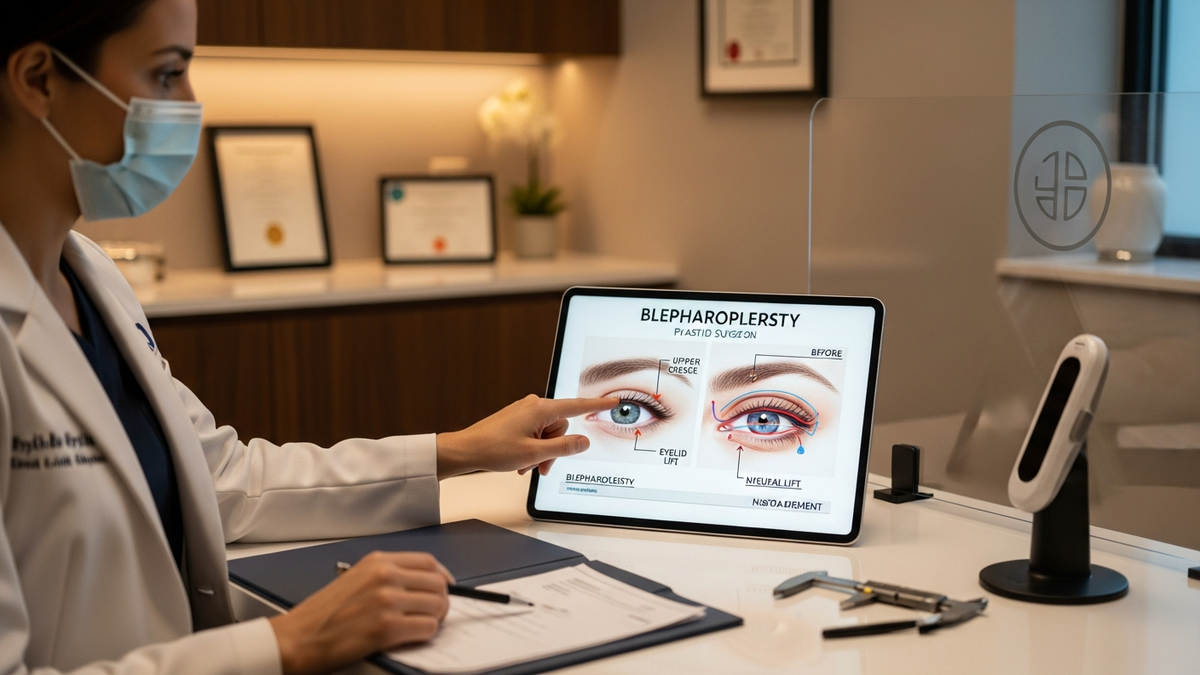
Blepharoplasty (eyelid surgery) targets the structures around the eyes—skin, muscle, and fat compartments—to create a more balanced, refreshed appearance. A skilled surgeon doesn’t just “remove skin.” They plan for eyelid function, eye comfort, and facial harmony.
Upper eyelid vs. lower eyelid: different goals, different techniques
- Upper eyelid blepharoplasty: typically addresses excess skin, thickened eyelids, or a “hooded” appearance. The aim is to open the eye while preserving natural eyelid crease anatomy.
- Lower eyelid blepharoplasty: often focuses on puffiness, under-eye bags, and sometimes fine-tuning volume balance. Surgeons may use conservative skin tightening and/or fat repositioning depending on anatomy.
In the right hands, eyelid surgery can also improve the way light reflects across the face, helping you look more even, awake, and youthful—without an overdone or “windblown” effect.
Why “Natural Results” Depends on More Than Experience
Many patients search for a blepharoplasty plastic surgeon because they want results that look like them—just refreshed. Natural outcomes usually come from three pillars:
- Accurate assessment of anatomy (skin quality, eyelid position, tear trough/under-eye structure, brow support).
- Functional awareness (blink mechanics, eyelid closure, corneal protection, and dry-eye risk).
- Conservative planning (avoiding over-resection and respecting the “frame” of the eyes).
That’s why it’s valuable to look for a surgeon who treats the face as an integrated system. For example, if brow position is contributing to upper eyelid hooding, a brow lift (also called a forehead lift or browplasty) may be part of the best plan—not simply removing more skin.
How to Choose the Right Blepharoplasty Plastic Surgeon
When you’re comparing providers, don’t rely only on before-and-after photos. Use a structured checklist so you can evaluate quality with confidence.
1) Verify credentials and facial plastic expertise
Look for surgeons who are board certified and have dedicated training in facial plastic and reconstructive surgery. Eyelid surgery requires an understanding of both aesthetics and delicate functional anatomy.
For example, Dr. Hootan Zandifar, MD, FACS is a double board certified facial plastic and reconstructive surgeon and fellowship trained with a focus on head and neck surgery. His practice emphasizes natural-looking solutions and patient education—factors that can be crucial when you’re deciding on eyelid surgery.
2) Ask how they plan your surgery (not just what they do)
A high-quality consultation should include:
- Assessment of upper vs. lower eyelid concerns
- Evaluation of tear trough, fat distribution, and skin tone
- Discussion of brow position and whether brow lift is needed
- Review of your eye health and history of dry eye or allergies
- Clear explanation of expected scars and recovery timeline
If you feel rushed or the plan is vague, that’s a red flag. You deserve a thoughtful, individualized surgical strategy.
3) Look for conservative technique and functional safety
Upper and lower blepharoplasty can be transformative, but the margin for error is real. Ask how the surgeon reduces risk of:
- Dry eye symptoms
- Lagophthalmos (incomplete eyelid closure)
- Asymmetry and eyelid malposition
- Visible scarring
- Under-eye heaviness or “hollow” appearance
A surgeon who prioritizes function will often explain how they tailor tissue handling and closure technique to protect the eye.
4) Review realistic outcomes and patient selection
Not everyone is an ideal candidate for the same approach. Some people may need adjunct treatments or staged plans. During your consult, ask:
- Am I better suited for upper eyelids only, lower eyelids only, or both?
- Do I need fat repositioning, skin-only tightening, or volume balancing?
- Is my brow contributing to my eyelid appearance?
“Natural” often means making the right choice for your anatomy—not chasing a generic look.
5) Confirm where the surgery is performed and how follow-up works
Ask about the surgical setting, anesthesia plan, and postoperative care. A strong practice provides clear instructions and accessible follow-up—because the early recovery phase affects final results.
Common Reasons People Consider Blepharoplasty
Patients pursue eyelid surgery for different reasons, including:
- Upper eyelid hooding that makes eyes look smaller or heavier
- Excess skin that can interfere with cosmetics and sometimes vision
- Puffiness under the eyes or persistent “bags”
- Fine lines and crepey skin on the eyelids
- Asymmetry between eyes
In Beverly Hills, many patients also explore other facial rejuvenation options in combination with eyelid surgery. Depending on your goals, a surgeon may discuss additional head and neck procedures that can enhance overall harmony.
What to Expect During the Consultation
A top blepharoplasty plastic surgeon consultation is more than a quick exam. It should feel like a careful diagnostic process.
Medical history and eye comfort evaluation
Be prepared to discuss:
- Dry eye symptoms, allergies, or frequent irritation
- Contact lens use
- Previous eye surgeries or injuries
- Medications that affect healing or bleeding
Facial harmony assessment
Your eyelids don’t exist in isolation. Expect the surgeon to evaluate brow position, midface support, and how your eyes sit within your face.
Photography and measurements
High-quality practices often take standardized photos and may perform measurements to document baseline eyelid position and skin redundancy.
Blepharoplasty Techniques: Upper, Lower, and Combination Approaches
Different techniques exist for different problems. The right approach depends on your anatomy and goals.
Upper eyelid surgery
Upper blepharoplasty typically removes or redistributes tissue to reduce excess skin while maintaining natural eyelid contour. The incision is placed to align with the natural crease, helping scars blend over time.
Lower eyelid surgery
Lower blepharoplasty can address under-eye puffiness and improve contour. Some patients benefit from conservative skin tightening; others may benefit from fat repositioning to reduce the appearance of bags without creating a hollow look.
Because the lower eyelid is closely connected to tear trough anatomy and cheek support, a surgeon’s judgment matters greatly.
Combination: upper + lower blepharoplasty
Many patients choose both upper and lower eyelids for a more complete refresh. However, a cautious surgeon will ensure the plan matches your skin quality, healing capacity, and eye comfort needs.
How to Prepare for Eyelid Surgery
Preparation is a practical step that can improve comfort and recovery. Your surgeon will provide personalized instructions, but these are common recommendations:
- Follow medication guidance: ask about stopping blood thinners, certain supplements, and anti-inflammatory medications before surgery.
- Arrange transportation: plan for a responsible adult to take you home and help during the first day.
- Set up recovery supplies: cold compresses, gentle skincare, and any prescribed eye drops or ointments.
- Plan your schedule: most people need downtime for swelling and bruising.
Recovery Timeline: What Most Patients Experience
Recovery varies by technique, extent of surgery, and individual healing. Still, many patients can anticipate a similar general pattern.
First 72 hours
Swelling and bruising often peak during this period. Cold compresses and head elevation are commonly recommended to reduce swelling.
Days 4–14
Bruising typically improves. Many patients can return to light daily activities, though strenuous exercise may still be limited.
Weeks 3–6
Most visible swelling continues to decrease. Scar maturation is gradual, so results become more refined over time.
3–12 months
Final texture and contour improvements can continue as tissues settle and scars soften.
Risks and Side Effects You Should Know
Every surgical procedure has potential risks. A trustworthy blepharoplasty plastic surgeon will discuss risks clearly and tailor mitigation strategies to your anatomy.
Potential risks
- Dry eye or temporary irritation
- Asymmetry between eyelids
- Infection (uncommon with proper care)
- Bleeding or hematoma
- Scarring (usually minimal with careful incision placement)
- Changes in eyelid position (rare, but important)
How to reduce risk
Actionable steps you can take include:
- Be honest about dry eye symptoms and eye history.
- Use prescribed eye lubrication exactly as directed.
- Attend follow-up visits and report changes promptly.
- Avoid smoking and follow nutrition guidance to support healing.
When Blepharoplasty Might Not Be Enough
Sometimes the issue isn’t only the eyelid. If brow position is causing hooding, a bra plasty or brow lift may be needed. If midface support is reduced, a comprehensive facial plan may be more effective.
For patients seeking broader rejuvenation, a surgeon may discuss additional options such as a Facelift depending on skin laxity and structural changes.
How Blepharoplasty Fits Into a Broader Head-and-Neck Approach
At FlowGeniQ Digest, we encourage patients to think beyond one procedure when appropriate. A surgeon who focuses on head and neck surgery can offer a more integrated perspective—especially when aesthetic goals overlap with functional considerations.
For example, Dr. Hootan Zandifar focuses solely on cosmetic and reconstructive surgery of the head and neck. That focused scope can support careful decision-making across procedures—such as addressing eyelid rejuvenation, brow support, and other facial changes in a cohesive way.
Finding the Best Eyelid Surgery Provider in Los Angeles and Beverly Hills
If you’re searching for a blepharoplasty plastic surgeon in Los Angeles or Beverly Hills, prioritize local expertise and patient-centered communication. Many patients appreciate practices that:
- Provide clear education about candidacy
- Explain what results you can realistically expect
- Use advanced techniques for natural contouring
- Offer compassionate care and responsive follow-up
When you’re ready to learn more about eyelid surgery, you can explore an overview of Blepharoplasty directly to understand common goals and how upper and lower eyelids are treated.
Questions to Ask Your Prospective Surgeon
Use this list during your consultation to compare providers effectively:
- Are you board certified in facial plastic surgery?
- What technique do you recommend for my specific eyelid anatomy?
- How do you minimize risk of dry eye and eyelid malposition?
- Will I need upper, lower, or both?
- How do you define “natural results” in your practice?
- What does recovery look like for my schedule?
- How often do you perform revision eyelid procedures, if needed?
A confident surgeon will welcome questions and provide clear, understandable answers.
Blepharoplasty and Related Procedures: What Else Might Be Considered?
While this article focuses on eyelid surgery, many patients exploring facial rejuvenation also consider other head-and-neck procedures. For example:
- Hair restoration for thinning or receding patterns—if that’s part of your overall appearance goals. You can learn more about a hair transplant option if relevant to your situation.
- Eyebrow restoration for patients with eyebrow thinning. If you’re considering this, review eyebrow transplant information.
These are optional considerations and should be discussed only if they align with your goals and medical needs.
Separately, some patients have chronic nasal breathing issues that affect comfort and sleep. While it’s not related to blepharoplasty itself, head-and-neck specialists may evaluate whether nasal function procedures are needed as part of overall quality-of-life care. For instance, Septoplasty can address structural airflow problems, including conditions such as a Deviated Septum. Those discussions are only appropriate when symptoms indicate nasal obstruction.
How FlowGeniQ Digest Supports Your Decision-Making
This guide is provided by FlowGeniQ Digest to help you ask better questions and make more informed choices. We encourage you to treat your consultation as a two-way conversation: you’re evaluating the surgeon, but the surgeon is also evaluating your anatomy, expectations, and safety considerations.
In practices like Dr. Hootan Zandifar’s, patient education is a core part of care—helping you understand options, risks, and what to expect before, during, and after surgery.
FAQ: Blepharoplasty Plastic Surgeon Questions
1) How do I know if I’m a good candidate for blepharoplasty?
Good candidates typically have excess upper eyelid skin, lower eyelid puffiness, or under-eye concerns that affect appearance (and sometimes function). Your surgeon will evaluate eyelid position, skin quality, eye comfort, and overall facial balance.
2) Will blepharoplasty improve my vision?
In some cases, upper eyelid hooding can obstruct the visual field. If your eyelid skin is significantly blocking vision, blepharoplasty may help. Your surgeon and eye care professionals can help determine whether functional improvement is likely.
3) What’s the difference between a plastic surgeon and a facial plastic surgeon for eyelid surgery?
Both may offer blepharoplasty, but facial plastic surgeons often have specialized training in the head and neck anatomy and aesthetics. The key is not only credentials, but also technique choices tailored to your eyelid function and facial harmony.
4) How long until I look “normal” after lower eyelid surgery?
Many people see meaningful improvement within 1–2 weeks, but swelling and bruising can vary. Full refinement can take months as tissues settle and scars mature.
5) What should I do if I have dry eye symptoms?
Tell your surgeon before surgery. Dry eye can affect comfort and healing, and your surgeon may recommend lubrication strategies or adjust the surgical plan to protect the eye.
CTA: Ready to Explore Blepharoplasty in Beverly Hills?
If you’re considering eyelid rejuvenation, the next step is a personalized consultation with a qualified specialist. A thorough evaluation can clarify whether upper eyelid surgery, lower eyelid surgery, or a combined approach is best for your anatomy and goals.
To learn more about blepharoplasty options and how eyelid surgery is approached in Beverly Hills, schedule a consultation with Dr. Hootan Zandifar, MD, FACS and bring your questions—especially about natural contouring, eye comfort, and recovery expectations.
Professional Disclaimer
This content is provided for general educational purposes only by FlowGeniQ Digest. It is not a substitute for professional advice, diagnosis, or treatment. Readers are advised to consult qualified professionals for personalized recommendations.
Medical Information Disclaimer
This content is provided for general educational purposes only by FlowGeniQ Digest. It is not a substitute for professional advice, diagnosis, or treatment. Readers are advised to consult qualified professionals for personalized recommendations.