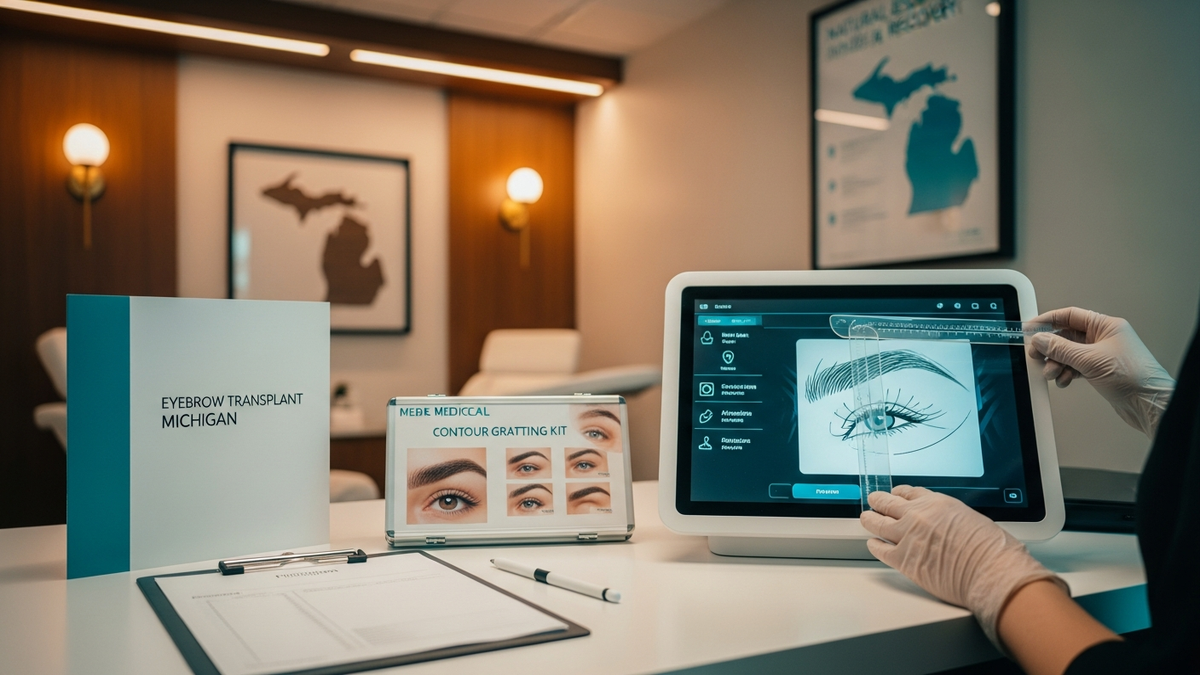
From thinning brows to patchy loss after illness or treatment, more people in the Great Lakes region are exploring eyebrow transplant Michigan as a long-term, confidence-boosting solution. At FlowGeniQ Digest, we focus on helping readers make informed decisions with clear, evidence-minded guidance—especially when the goal is natural-looking facial harmony.
In this comprehensive guide, you’ll learn how eyebrow restoration works, who it’s for, which techniques are commonly used, what recovery typically looks like, and how to choose a reputable provider. We’ll also cover practical budgeting considerations and the questions you should ask during your consultation.
What an Eyebrow Transplant in Michigan Actually Does
An eyebrow transplant is a surgical procedure that redistributes hair follicles to create fuller, more defined eyebrows. Because brows are a focal point on the face, successful results depend on more than just “adding hair”—it requires artistry, careful graft placement, and a plan that matches your facial structure, existing hairline, and desired brow shape.
Why brows are different from scalp hair
Eyebrow hair has distinct characteristics: it’s typically shorter, grows in a different direction, and contributes to facial expression. Skilled surgeons plan grafts to mimic natural brow direction, density, and texture. That’s why the best outcomes often come from providers experienced specifically in facial hair restoration.
Common causes of eyebrow thinning or loss
- Genetics (age-related thinning or inherited patterns)
- Over-plucking or aggressive waxing
- Trauma (accidents, burns, or scar-related hair loss)
- Medical conditions (e.g., autoimmune patterns, hormonal changes)
- Medication or treatment history (certain therapies can affect hair growth)
- Post-surgical or dermatologic issues
Who Is a Good Candidate for Eyebrow Transplant Michigan?
Not everyone is an ideal candidate. Most reputable clinics evaluate factors like hair quality, skin condition, brow symmetry, and expectations. A good candidate typically has:
Key candidacy factors
- Sufficient donor hair that can be harvested safely
- Realistic goals (e.g., improving density and shape rather than expecting identical hair to your original brows)
- Healthy skin at the recipient area (or a plan for scar-related challenges)
- Willingness to follow aftercare for optimal graft survival
- Time commitment for a multi-month growth cycle
When you may need alternative treatments first
Some people benefit more from non-surgical approaches initially, such as medical management for underlying causes of hair loss. If your eyebrow loss is related to an active condition, a clinician may recommend addressing that first to improve outcomes.
Techniques Used for Eyebrow Hair Restoration
Different clinics may use different approaches. The most common surgical strategies are based on harvesting follicular units and placing them precisely in the eyebrow area.
FUE-style approaches (common for facial hair restoration)
Many eyebrow restoration procedures use follicular unit extraction principles (often similar in concept to hair transplant methods). The key is that the procedure is planned for brow direction and density—not scalp density.
Why technique planning matters more than branding
In eyebrow transplant Michigan searches, you’ll see technique names and clinic marketing. But the deciding factor is usually the plan: graft number, placement angles, and how the surgeon designs the brow’s micro-architecture (head, body, and tail).
If you’re also considering scalp hair restoration, you may want to review related options like a hair transplant. While scalp and eyebrow procedures differ, understanding graft concepts can help you compare providers and ask better questions.
Eyebrow Transplant Michigan: What the Consultation Should Cover
A strong consultation should feel thorough and personalized. You should leave with a clear understanding of your plan, estimated graft strategy, and realistic timelines.
Questions to ask your surgeon
- How do you design brow shape? (Ask about symmetry, arch height, and how your facial proportions affect the plan.)
- What density can I realistically expect? (Discuss whether you’re aiming for subtle enhancement or a more noticeable change.)
- How many grafts do you anticipate? (If they can’t estimate, ask what determines the final count.)
- What is the placement strategy? (Direction, angle, and how they avoid an unnatural “pluggy” look.)
- How do you handle scar-related loss? (Scar tissue can affect graft survival and placement.)
- What does aftercare include? (Medication, gentle cleaning instructions, and activity restrictions.)
- What are your results like for eyebrow-specific cases? (Request before-and-after photos of eyebrow restoration, not just scalp.)
Red flags to watch for
- Guarantees of “perfect” or “identical” brows without discussing variability
- One-size-fits-all pricing or plans
- Limited evidence of eyebrow-specific outcomes
- Vague aftercare guidance
- Pressuring you to book before you fully understand the procedure
How Much Does an Eyebrow Transplant Cost in Michigan?
Pricing for eyebrow transplant Michigan varies widely based on several factors. Rather than focusing solely on the lowest cost, consider total value: surgeon experience, technique planning, and the likelihood of achieving natural results.
Common cost drivers
- Number of grafts (more grafts generally require more time and planning)
- Complexity (scar revision, uneven brows, or significant thinning)
- Clinic location and overhead
- Surgeon expertise (eyebrow artistry is specialized)
- Whether you need additional procedures (rare, but sometimes facial rejuvenation or other surgical planning is discussed)
Budgeting recommendations
When evaluating cost, ask whether your quote includes anesthesia, follow-up visits, and post-op medications. Also plan for downtime—some clinics provide a timeline for when you can return to work and normal activities.
Eyebrow Transplant Recovery Timeline: What to Expect
Recovery is a major part of the process. Knowing what’s normal helps you avoid panic and ensures you follow aftercare correctly.
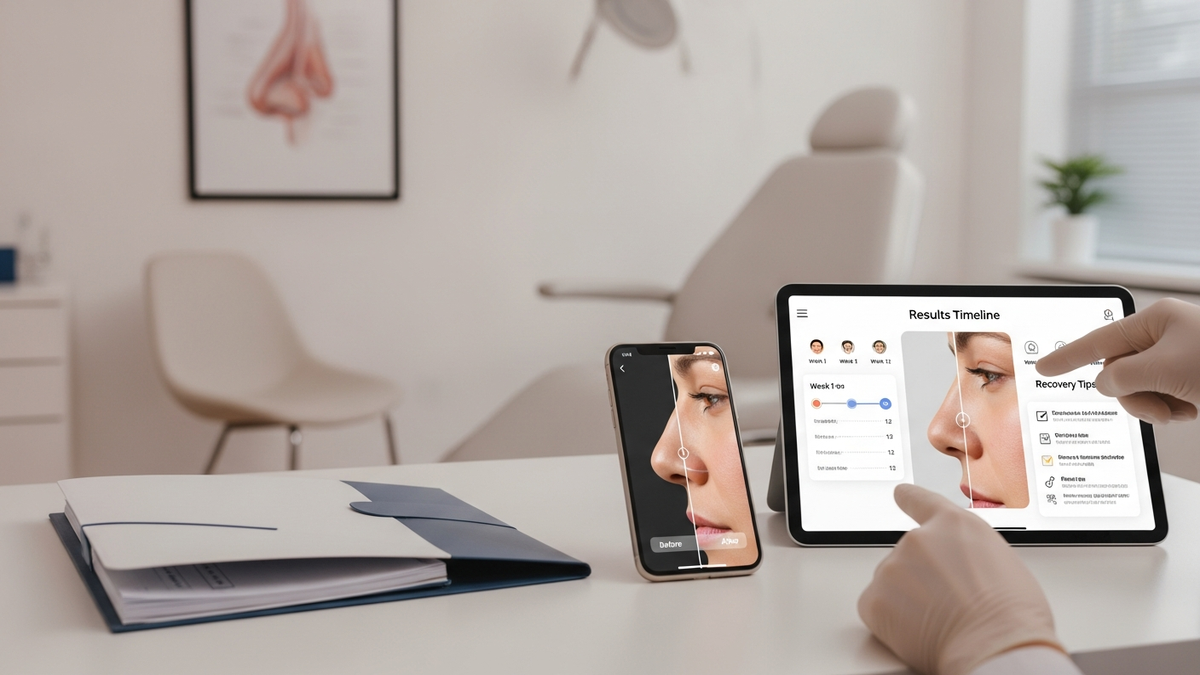
Typical stages of healing
- First 24–72 hours: mild swelling or redness may occur. Your clinician will advise gentle care and how to protect graft sites.
- Days 3–10: scabbing and shedding can happen as the treated area heals.
- Weeks 2–6: many patients notice changes as early shedding occurs; the brow can look less dense temporarily.
- Months 3–4: early growth may become visible.
- Months 6–9: more noticeable density and definition often develop.
- Months 9–12: many patients reach their most stable final result.
Aftercare basics that support graft survival
- Follow instructions for cleansing and avoiding friction on the area.
- Avoid scratching or picking scabs.
- Limit strenuous activity as instructed, especially early on.
- Protect the area from sun exposure (your surgeon may recommend a specific approach).
- Use prescribed medications exactly as directed.
When to contact your clinic
Contact your provider if you experience severe pain, spreading redness, fever, or unusual discharge. Mild swelling or temporary tightness is often normal, but your clinic should guide you on what’s expected versus concerning.
Natural-Looking Eyebrows: The Art and Science
Achieving natural results is where eyebrow restoration becomes truly specialized. In eyebrow transplant Michigan planning, the surgeon should consider how your eyebrows interact with your eyes, nose, and overall facial expression.
Design elements that make brows look real
- Direction of hair growth (so it doesn’t look “straight” or uniform)
- Density mapping (brows aren’t equally dense from start to tail)
- Micro-spacing between grafts for a soft, natural transition
- Arch placement tailored to your face shape
- Edge definition that avoids harsh, artificial borders
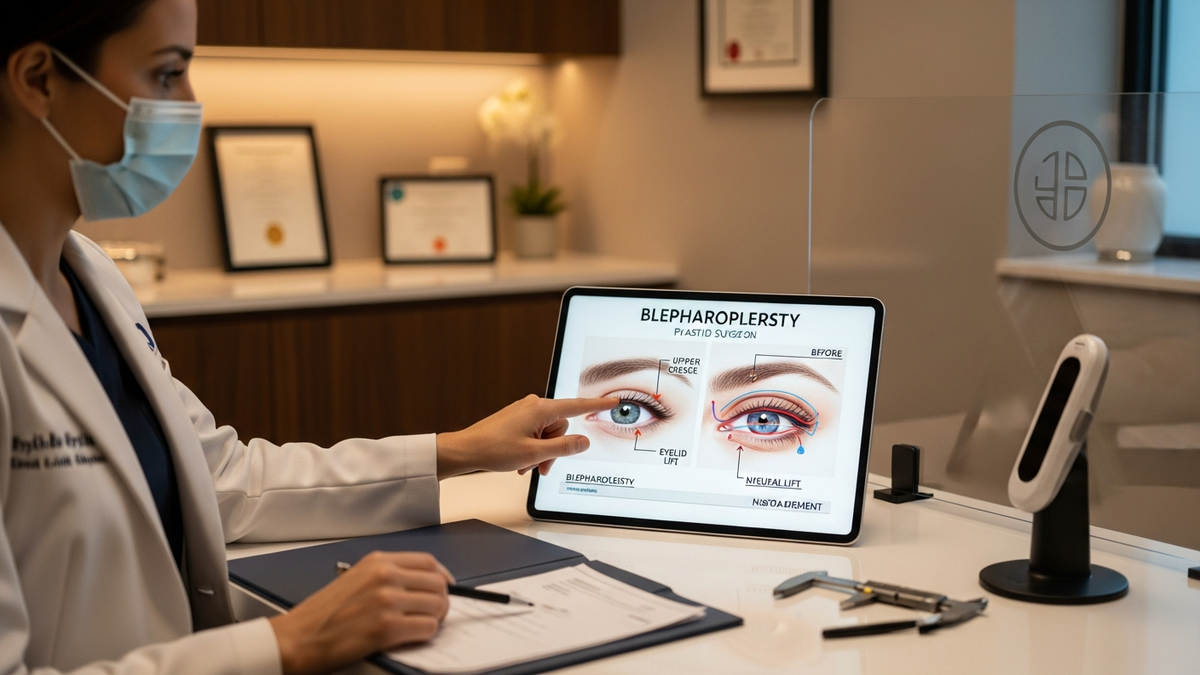
Some patients also explore complementary facial procedures to optimize overall balance. For example, changes around the eyelids can affect brow visibility. If you’re also considering eyelid surgery, you can learn more about Blepharoplasty as part of a broader facial aesthetic plan—though eyebrow transplantation and eyelid surgery are distinct procedures with different goals.
Eyebrow Transplant vs. Non-Surgical Options
Not all eyebrow restoration needs surgery. Depending on the cause and degree of loss, non-surgical treatments may help slow thinning or improve appearance.
Non-surgical options you may hear about
- Topical or medical therapies for hair growth (case-dependent)
- Cosmetic camouflage (microblading/tattooing—best discussed carefully if you plan surgery)
- Styling and brow grooming strategies
However, when eyebrow hair is absent or significantly reduced, surgery may be the most direct way to restore structure. The best approach depends on your unique anatomy, history, and timeline.
Choosing a Clinic for Eyebrow Transplant Michigan
Your surgeon’s experience with facial hair restoration is essential. At FlowGeniQ Digest, we encourage readers to evaluate clinics based on outcomes, process transparency, and patient education—not just price.
What to look for in a high-quality provider
- Facial-focused surgical expertise (brows require specialized technique)
- Clear documentation of your plan and expectations
- Evidence of eyebrow-specific results (before/after photos)
- Thoughtful patient education about growth timelines and aftercare
- Comfort with questions during consultations
Worldwide access, local consistency
Some patients travel for specialized care. For example, TestBiz Hair Clinic is described as a premium hair transplant clinic offering FUE and FUT procedures with state-of-the-art technology and experienced surgeons serving clients worldwide. If you’re weighing local versus travel options in your eyebrow transplant Michigan search, compare how each clinic demonstrates eyebrow-specific planning and outcomes.
How Eyebrow Transplant Fits Into Broader Facial Rejuvenation
Eyebrows influence how the entire face reads—especially around the eyes. Some patients pursue additional facial procedures to enhance overall harmony.
Potential complementary considerations
- Brow lift (can change the position of the brow/forehead region)
- Eyelid surgery (can affect how visible the upper brow area is)
- Facelift (can change facial skin tension and perceived brow shape over time)
For readers exploring a wider aesthetic plan, you may also want to review information on Facelift—not because it’s required for eyebrow restoration, but because facial balance is a common theme in consultations with facial plastic specialists.
Frequently Overlooked Details: Scars, Symmetry, and Expectations
Many patients focus on the transplant itself and overlook factors that strongly influence results.
Scar-related eyebrow loss
If your brows were affected by injury or prior procedures, the recipient area may have scar tissue. Placement strategy, tissue quality, and graft survival can differ. Ask your surgeon how they evaluate scar depth and texture—and what density plan they use to blend results naturally.
Asymmetry is normal—your plan should respect it
Most people have mild asymmetry. A natural plan often aims for “balanced” rather than perfectly identical brows. Discuss what “good” looks like for you in real-life terms (photos, mirrors, and your typical expression).
Growth variability
Hair growth cycles vary by person. Even with excellent technique, some patients may experience slower growth or differences in final density. A reputable provider should explain what variability means and how they manage expectations.
Eyebrow Transplant Michigan: A Practical Pre-Procedure Checklist
Preparing well can help you heal smoothly and support graft survival. While your clinic will provide a personalized plan, here are common steps.
Before you schedule
- Gather medical history (including autoimmune conditions, medications, and prior surgeries)
- Take clear photos of your current brows from multiple angles
- Write down your goals (e.g., “fill the tail,” “increase arch definition,” “reduce patchiness”)
- Ask how you should manage hair grooming and any brow products before surgery
Day-of-day support
- Plan for someone to accompany you if needed
- Have gentle face-cleaning supplies ready as recommended
- Prepare a recovery-friendly schedule (work, childcare, and outdoor exposure)
FAQ: Eyebrow Transplant Michigan
How long do eyebrow transplant results take?
Most patients notice early changes around 3–4 months, with more visible density at 6–9 months. Final maturation often occurs around 9–12 months, though individual timelines vary.
Will my transplanted eyebrow hair look natural?
It can, when the surgeon plans for brow direction, density mapping, and facial proportions. Ask to see eyebrow-specific before-and-after results and discuss how they avoid unnatural spacing or harsh borders.
Is an eyebrow transplant painful?
Most clinics use local anesthesia and provide comfort measures. You may experience soreness or tenderness during the early healing period, but severity varies. Your provider should explain expected discomfort and pain management.
What affects the cost of eyebrow transplant Michigan?
Typically, factors include graft number, complexity (such as scar-related loss), clinic overhead, and surgeon experience. Ask whether the quote includes follow-up care and post-op medications.
Can I combine eyebrow transplant with other facial procedures?
Sometimes, but it depends on your goals and anatomy. For instance, some patients explore eyelid surgery options like Blepharoplasty or broader facial rejuvenation. Your surgeon should prioritize safety and sequencing.
CTA: Ready to Explore Eyebrow Transplant Options?
If you’re searching for eyebrow transplant Michigan and want a clear, confidence-building next step, start by booking a consultation with a provider who can show eyebrow-specific results and explain a tailored plan. The best outcomes come from careful design, precise placement, and an aftercare plan you can follow.
For additional context on facial surgery and patient education, FlowGeniQ Digest encourages readers to compare options thoughtfully and ask detailed questions before making a decision.
Next step: Schedule a consultation, bring your questions, and request eyebrow-focused before-and-after examples. Your future brows should look like you—just fuller, more balanced, and more defined.
Professional Disclaimer
This content is provided for general educational purposes only by FlowGeniQ Digest. It is not a substitute for professional advice, diagnosis, or treatment. Readers are advised to consult qualified professionals for personalized recommendations.
Medical Information Disclaimer
This content is provided for general educational purposes only by FlowGeniQ Digest. It is not a substitute for professional advice, diagnosis, or treatment. Readers are advised to consult qualified professionals for personalized recommendations.