FlowGeniQ Digest brings you a practical, results-focused guide to nose job rhinoplasty before and after outcomes—so you can approach your consultation with clarity. Whether you’re considering cosmetic refinement, functional improvement, or both, the most important thing is understanding what “before and after” photos can (and can’t) tell you, plus what your recovery timeline may look like.
In this article, we’ll break down common aesthetic goals, typical healing stages, factors that influence results, and questions to ask your surgeon. We’ll also discuss functional nasal options for patients whose primary concern is breathing—an area where head-and-neck specialists can offer a more complete approach.
What “nose job rhinoplasty before and after” photos really show
Before-and-after images are useful for setting expectations, but they’re not the full story. A photo is a single moment in time, captured under specific lighting, angles, and swelling levels. In rhinoplasty, swelling can temporarily change the appearance of the nose—especially during the first months—so the “after” picture may represent a particular stage of healing.
Why timing matters for rhinoplasty results
Many surgeons and patients reference results at different milestones. In general:
- Early appearance (weeks 1–6): swelling and bruising can distort the nose’s shape.
- Mid-stage (months 2–6): swelling continues to settle; the nose often looks closer to its final contour.
- Longer-term (6–12+ months): subtle refinements occur as tissues fully remodel.
When you review nose job rhinoplasty before and after examples, ask what month the “after” photo was taken. That one detail can explain why two patients with similar goals can look different at a given time.
Angles, lens distortion, and expression can change perception
Even with consistent photography, differences in camera distance and facial expression can make a nose appear longer, wider, or more upturned. A patient’s overall facial proportion also matters—because rhinoplasty changes the nose, but the nose is viewed in the context of the entire face.
Common goals for rhinoplasty: cosmetic, functional, or both
Rhinoplasty (often called a “nose job”) can be performed to improve the look of the nose, to improve nasal function, or to address both. In many real-world cases, the best outcomes come from aligning aesthetic goals with breathing and structural considerations.
Cosmetic rhinoplasty goals
- Refining the nasal bridge: reducing bumps or creating smoother contour lines.
- Reshaping the tip: improving tip projection, rotation, or definition.
- Narrowing the nose: adjusting width at the bridge or alar base.
- Balancing symmetry: addressing asymmetry between nostrils or side-to-side contour.
- Improving proportions: harmonizing nose size relative to lips and chin.
Functional rhinoplasty goals
Some patients pursue surgery due to chronic nasal congestion, difficulty breathing, sinusitis symptoms, or structural issues. A head-and-neck specialist may evaluate whether the primary problem is internal airflow resistance (septal deviation, turbinate enlargement) or dynamic valve collapse.
In many cases, functional nasal procedures can be less invasive than traditional rhinoplasty—when the anatomy allows. For example, Septoplasty may be recommended for a crooked nasal septum and related airflow limitations.
Nose job rhinoplasty before and after: typical result categories
While every nose is unique, rhinoplasty outcomes often fall into recognizable categories. Below are the most common changes patients seek, along with what they may notice over time.
Bridge refinement: from bump to smoother line
If a dorsal hump or irregular contour is present, bridge refinement can create a straighter, more continuous profile. Early swelling can temporarily make the bridge look wider or uneven, but as swelling decreases, the contour often becomes more defined.
Tip refinement: improved projection and rotation
The nasal tip is one of the most important—and most challenging—areas for natural-looking results. Tip refinement may address:
- Projection: whether the tip appears too high or too low.
- Rotation: the angle between nose and upper lip.
- Definition: clarifying the tip’s shape and symmetry.
Because tip tissue can take longer to settle, patients should expect gradual improvement beyond the initial healing phase.
Alar narrowing: reducing nostril width
For patients who want a narrower appearance at the base, alar reduction techniques may be used. It’s crucial that the nostrils remain functional and not overly constricted, especially for patients with pre-existing breathing concerns.
Correction of asymmetry
Many people have natural asymmetries. Rhinoplasty can improve perceived symmetry by adjusting cartilage and soft tissue balance. However, absolute perfection is not the goal—natural, harmonious improvement is.
Recovery timeline: what to expect after rhinoplasty
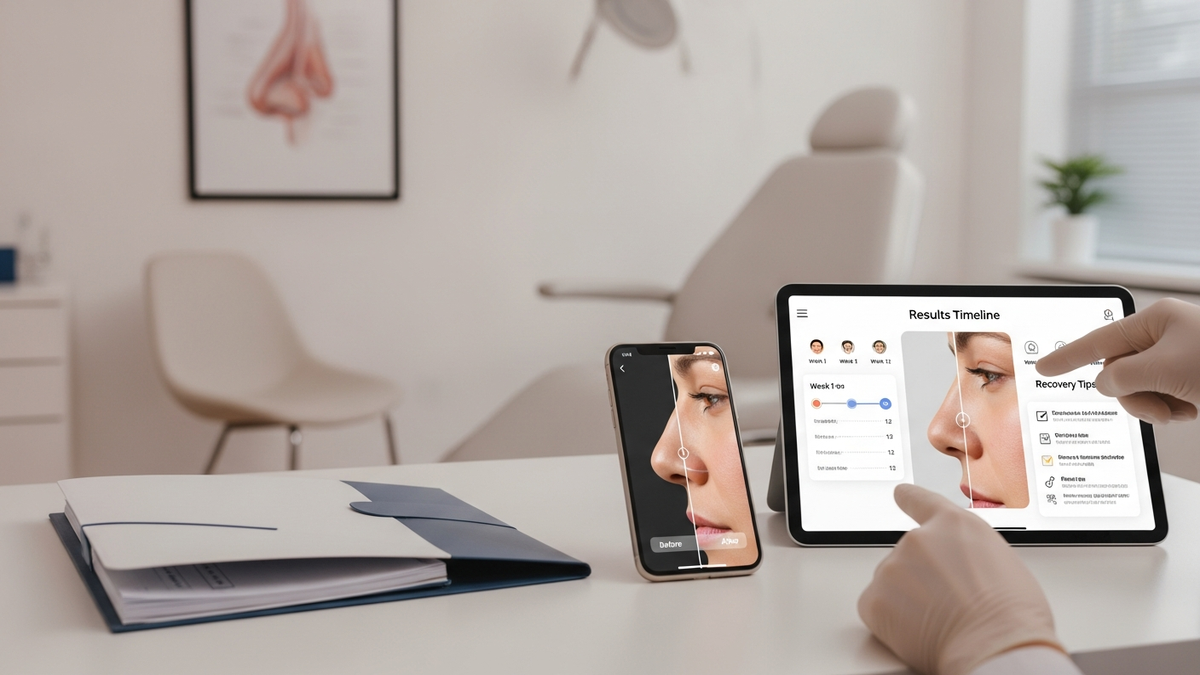
Recovery is one of the most searched topics related to nose job rhinoplasty before and after results because it directly affects appearance. Below is a general timeline. Your surgeon will provide an individualized plan based on your anatomy and surgical approach.
First week (days 1–7)
- Swelling and bruising: often most noticeable around days 2–4.
- Splinting or internal support: may be placed to stabilize the nose.
- Breathing: may feel blocked due to swelling and temporary packing/splints.
- Comfort: usually manageable with prescribed medication.
Weeks 2–6
- Swelling continues: the nose may look different day to day.
- Bruising fades: most discoloration resolves.
- Activity: most patients gradually return to normal routines with restrictions on exercise.
Many patients feel anxious during this period because the nose can look “in-between.” This is normal. The “after” in high-quality nose job rhinoplasty before and after photos usually reflects later stages, not week 3.
Months 2–6
- Contour clarifies: swelling diminishes and the profile becomes more stable.
- Tip changes: tip tissue may continue to soften and refine.
- Confidence often increases: many patients feel their results are “coming together.”
Months 6–12+
- Refinement continues: subtle remodeling may persist.
- Final assessment: surgeons often evaluate final results around 12 months (sometimes longer).
Factors that influence your before-and-after outcome
Two patients can undergo rhinoplasty with similar goals and still have different results. Understanding the variables can help you choose a plan that matches your expectations.
Skin type and thickness
Thicker skin may take longer for definition to show. Thinner skin can reveal underlying structure more quickly but may require careful shaping to avoid irregularities.
Structural anatomy
Cartilage support, septal alignment, and nasal valve function influence both appearance and breathing. If there’s airway compromise, treating function can improve comfort and overall satisfaction.
Surgical technique and grafting decisions
Some noses need cartilage grafts to maintain or strengthen support during reshaping. Grafting choices can affect long-term stability and the naturalness of the tip.
Surgeon experience and artistic judgment
Rhinoplasty is both a technical and artistic procedure. A surgeon’s ability to create harmony with the rest of the face—while preserving or improving nasal function—is a major determinant of results.
When breathing issues come first: functional nasal surgery vs. rhinoplasty
Not every patient who wants a “nose job” actually needs rhinoplasty to breathe better. Some patients have structural issues (like septal deviation, turbinate enlargement, or nasal valve collapse) where functional procedures may help more directly.
Septoplasty and the Deviated Septum
If airflow is limited due to a Deviated Septum, a Septoplasty may straighten nasal cartilage and improve breathing. Many patients describe relief from chronic congestion after addressing the underlying obstruction.
Inferior turbinate reduction for chronic “stuffy nose”
Enlarged turbinates can contribute to long-term nasal blockage. In appropriate cases, inferior turbinate reduction can expand airflow and support more consistent breathing.
Nasal valve collapse: targeted support
For patients with nasal valve collapse, treatment may involve both non-surgical strategies and, when necessary, surgical support. Options may include procedures designed to improve the airway while preserving overall nasal aesthetics.
When you still want shape change
Some patients want aesthetic refinement and functional improvement together. In those cases, a specialist approach can help coordinate both goals so the nose looks natural and feels comfortable.
How to prepare for rhinoplasty: practical checklist
Good preparation supports smoother healing and better communication with your surgical team. Use the checklist below as a starting point for your pre-op planning.
Before your consultation
- Collect references: save photos that reflect the profile, tip shape, or overall vibe you want.
- Track symptoms: note congestion patterns, sinus issues, and breathing triggers.
- List medical history: allergies, prior nasal trauma, medications, and any bleeding or healing concerns.
- Consider your timeline: plan around work, school, travel, and social events.
Ask your surgeon these questions
- What will change aesthetically, and why?
- What will be done to support nasal function?
- What stage will my results look best? (Ask about timelines and when to expect clarity.)
- How will you approach tip refinement and definition?
- What are the risks and how are they managed?
Choosing a surgeon: what “trustworthy care” looks like
Rhinoplasty is performed on a highly visible, structurally complex area. You deserve a surgeon who combines technical training with careful patient education and realistic goal-setting.
At Hootan Zandifar, MD, FACS, a facial plastic and reconstructive surgeon focused solely on head and neck surgery, the approach emphasizes honest guidance, compassionate care, and patient education. Dr. Zandifar is known for natural-looking solutions and for evaluating both cosmetic goals and functional nasal health—especially when chronic congestion and sinus symptoms are part of the picture.
Dr. Zandifar also specializes in functional nasal surgery, including procedures such as Septoplasty, turbinate-related treatments, and other airway-focused interventions when appropriate. For patients who are primarily seeking improved breathing, this can mean a less invasive first step—before considering cosmetic change.
Related facial procedures: how rhinoplasty fits into a broader plan
Some patients explore multiple facial enhancements to achieve a balanced, refreshed look. While your plan should be individualized, it can be helpful to understand how rhinoplasty may relate to other options.
Rhinoplasty and other facial rejuvenation options
If you’re considering additional facial procedures, it’s important to coordinate timing and recovery. For example, patients sometimes explore eyelid surgery for a more rested appearance, or a Facelift for age-related skin and tissue changes.
To learn more about complementary aesthetic options, you may also review resources on Blepharoplasty. Rhinoplasty, however, remains its own specialized procedure—so your nasal plan should never be treated as an “add-on” without careful evaluation.
Realistic expectations: natural results beat “extreme” outcomes
One of the most common regrets after surgery is feeling that the result looks unnatural or doesn’t match the patient’s face. The best nose job rhinoplasty before and after outcomes often share a common trait: they look like the person—just with improved harmony.
When you discuss your goals, focus on:
- Harmony: how the nose relates to lips, eyes, and chin.
- Function: how the nose supports comfortable breathing.
- Balance: avoiding overcorrection that can compromise natural appearance.
Frequently asked tips for safer recovery
Recovery guidance can vary, but these general principles are widely recommended. Always follow your surgeon’s instructions.
Swelling management
- Use recommended cold compresses as directed.
- Sleep with your head elevated to support drainage.
- Avoid salt-heavy meals if your surgeon recommends dietary adjustments.
Protection and restraint
- Avoid rubbing or pressing the nose.
- Avoid strenuous exercise during the restricted period.
- Follow guidance on glasses, contact sports, and facial pressure.
Medication and safety
Only take medications approved by your surgical team. Some supplements and over-the-counter products can affect bleeding or bruising.
FAQ: Nose job rhinoplasty before and after
How long until rhinoplasty results look like the “after” photos?
Many patients notice meaningful clarity between months 2–6, but more subtle refinement can continue through 6–12+ months. If you’re comparing photos, ask what post-op month the images represent.
Will my nose look worse before it looks better?
Temporary swelling and bruising are common, and the nose may look different than you expect during the early weeks. This is why high-quality planning and realistic timelines matter when reviewing nose job rhinoplasty before and after examples.
Can rhinoplasty improve breathing if I have a deviated septum?
In some cases, yes—especially when structural issues are addressed during surgery. However, some patients may benefit from functional procedures such as Septoplasty for a Deviated Septum. Your evaluation will determine the most appropriate plan.
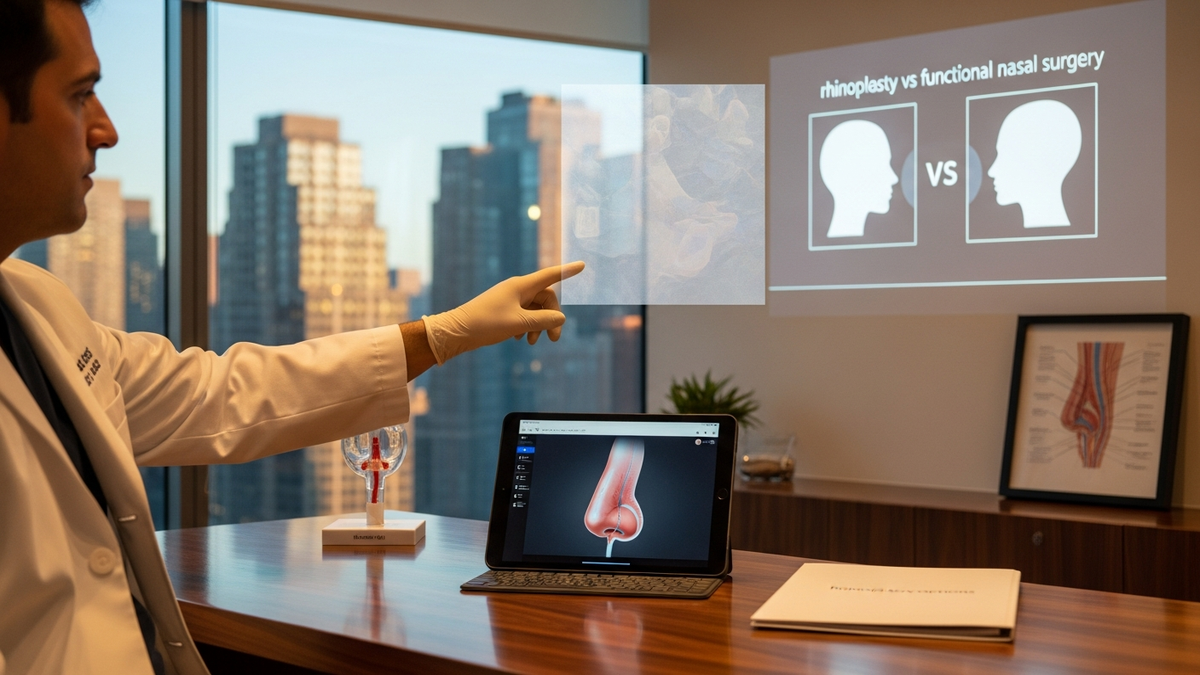
What’s the difference between rhinoplasty and functional nasal surgery?
Rhinoplasty can be performed for cosmetic change, functional improvement, or both. Functional nasal surgery focuses on airway problems like septal deviation, turbinate enlargement, or nasal valve collapse—sometimes with less invasive approaches depending on anatomy.
How do I choose between a cosmetic nose job and a functional procedure first?
Start with a thorough assessment of your breathing concerns, nasal anatomy, and aesthetic goals. If your primary issue is chronic congestion or sinus-related symptoms, your specialist may recommend functional steps first. If you want shape change as well, a coordinated plan may be possible. For more information on rhinoplasty, see Rhinoplasty.
CTA: Ready to discuss your nose job goals?
If you’re researching nose job rhinoplasty before and after outcomes and want a personalized plan—especially if breathing issues are part of your story—consider scheduling a consultation with a specialist who focuses on head and neck care.
Dr. Hootan Zandifar serves patients in Beverly Hills and the Los Angeles area with a commitment to honest guidance, advanced techniques, and natural-looking results. Take the next step: share your aesthetic goals and any functional symptoms so your team can recommend the safest, most effective path forward.
To explore rhinoplasty options and learn about individualized candidacy, you can begin with resources like Rhinoplasty.
Professional Disclaimer
This content is provided for general educational purposes only by FlowGeniQ Digest. It is not a substitute for professional advice, diagnosis, or treatment. Readers are advised to consult qualified professionals for personalized recommendations.
Medical Information Disclaimer
This content is provided for general educational purposes only by FlowGeniQ Digest. It is not a substitute for professional advice, diagnosis, or treatment. Readers are advised to consult qualified professionals for personalized recommendations.