Source: FlowGeniQ Digest
For many people, hair isn’t just hair—it’s identity, confidence, and how you want to be seen. A transgender hair transplant can help address hair loss patterns, refine the hairline, and support gender-affirming presentation. But the best outcomes depend on more than technique alone: they require thoughtful planning, realistic expectations, and a surgeon who understands both aesthetics and the biology of your hair.
This guide—created for FlowGeniQ Digest readers—covers the key considerations behind transgender-specific hair transplant planning, including hairline design, FUE vs FUT, how hormones can influence expectations, and practical steps you can take before and after surgery.
What Is a Transgender Hair Transplant?
A transgender hair transplant is a hair restoration procedure tailored to the patient’s gender-affirming aesthetic goals. Common reasons people seek it include:
- Hairline refinement (lowering, softening, or reshaping)
- Filling in thinning areas (temples, mid-scalp, crown)
- Correcting uneven growth or prior transplant results
- Restoring density to better match how you want your hair to frame your face
At a high level, the surgical mechanics are similar to other hair transplant approaches—donor hairs are harvested and placed into thinning or balding areas. The difference is the design philosophy: hairline shape, density distribution, and angle of implantation are chosen to complement facial proportions and your desired look.
Why Hair Transplant Planning Matters More for Transgender Patients
Hairline and density are perceived cues. Small differences—like how far the hairline sits from the forehead, how the corners transition, or how dense the frontal zone is—can meaningfully change the overall impression. For transgender patients, those cues often need to align with:
- Face shape and fore/aft facial proportions
- Desired feminization or masculinization (e.g., softer vs more defined hairline; temple angles; crown coverage priorities)
- Natural hair behavior (how your existing hair grows, sheds, and responds over time)
- Timeline (including how your treatment plan interacts with gender-affirming hormone therapy)
That’s why a comprehensive consult should include more than “Do you have donor hair?” It should also address pattern planning, design goals, and how your hair will likely behave in the months and years after surgery.
FUE vs FUT for Transgender Hair Transplant: Which Is Better?
Two commonly offered methods are FUE (Follicular Unit Extraction) and FUT (Follicular Unit Transplantation). Both can produce natural results when executed well. The “right” method depends on donor characteristics, your goals, and the clinic’s approach.
FUE (Follicular Unit Extraction)
In FUE, individual follicular units are extracted (typically using a small punch tool) and transplanted into the recipient area. Many patients like FUE because:
- There is typically no linear scar
- It may be a good option for people who prefer shorter hairstyles
- It can be suitable for various recipient patterns, including hairline refinement
Considerations: FUE can be more time-intensive depending on graft counts. Your surgeon should explain expected graft yield and how donor capacity affects your plan.
FUT (Follicular Unit Transplantation)
In FUT, a strip of scalp is removed and follicular units are separated for transplantation. FUT can be advantageous when:
- Higher graft counts are needed
- The donor area has characteristics that support strip harvesting
- The clinic’s team has strong experience with FUT dissection
Considerations: FUT leaves a linear scar and may affect how short you can style your hair. If you’re unsure, ask about scar management and what your hairstyle goals are.
How Surgeons Choose
A quality hair restoration team will evaluate:
- Donor density and hair caliber
- Donor strip/scalp laxity (for FUT) or punch/extraction feasibility (for FUE)
- Recipient area needs (hairline vs temples vs crown)
- Long-term plan (including future thinning risk)
If you’re exploring options, you can start with general services information here: hair transplant.
Hairline Design for Transgender Hair Transplant: Feminine vs Masculine Aesthetics
Hairline design is often the centerpiece of transgender hair restoration. But “feminine” and “masculine” are not one-size-fits-all categories. Your surgeon should create an individualized plan based on your:
- Facial proportions (forehead height, brow position)
- Eye spacing and cheek structure
- Existing hair characteristics (texture, curl pattern, density)
- How you style your hair (parting, framing, length)
Feminizing Hairline Features (Common Goals)
Many patients aiming for a more feminine presentation pursue a hairline that looks softer and more natural. Common design goals may include:
- A slightly higher, softer transition rather than a very sharp edge
- Gentler temple corners
- Careful frontal density to avoid an “overly thick” or unnatural look
Masculinizing Hairline Features (Common Goals)
For a more masculine presentation, goals often include a hairline that appears proportionate and structured. Common design goals may include:
- A more defined frontal shape with appropriate corner angles
- Density distribution that supports a natural male pattern
- Temple and frontal emphasis when that’s where thinning exists
Important: The “ideal” hairline must still look believable with your natural growth pattern. Overly aggressive lowering or excessive density at the front can lead to an unnatural appearance.
How Hormones and Hair Loss Patterns Can Influence Results
Gender-affirming hormone therapy can influence hair growth and shedding patterns, but the timing and direction of effects vary widely between individuals. For transgender patients, it’s especially important to discuss:
- Your current hormone regimen and duration
- Any history of androgen-related hair loss in your family
- Whether you’re also using medical therapies for hair loss (e.g., topical or oral options)
- When you plan surgery relative to hormone changes
Even with excellent technique, a transplant can’t stop future hair loss in areas that are genetically susceptible. A strong clinic plan addresses this risk upfront—sometimes by combining surgery with ongoing hair-loss management.
What to Expect: Timeline of a Transgender Hair Transplant
Hair transplant results are gradual. Understanding the timeline helps you avoid disappointment and make better decisions about follow-up care.
Typical Phases
- Immediately after surgery (Day 0–7): swelling, redness, and scabbing in recipient areas. Donor sites recover over days to weeks.
- Early shedding (Weeks 2–8): transplanted hairs often shed as part of the normal growth cycle.
- New growth (Months 3–6): fine regrowth begins; texture and thickness can evolve.
- Visible maturation (Months 6–12): density and coverage become increasingly noticeable.
- Final refinement (12–18+ months): many patients consider this the “true” endpoint for density and realism.
Why Patience Is Part of the Plan
Because early shedding can look worse before it looks better, it’s essential to have realistic expectations and a clear post-op follow-up schedule. Your surgeon should explain what’s normal and what may require evaluation.
Recovery and Aftercare: Practical Steps for Better Healing
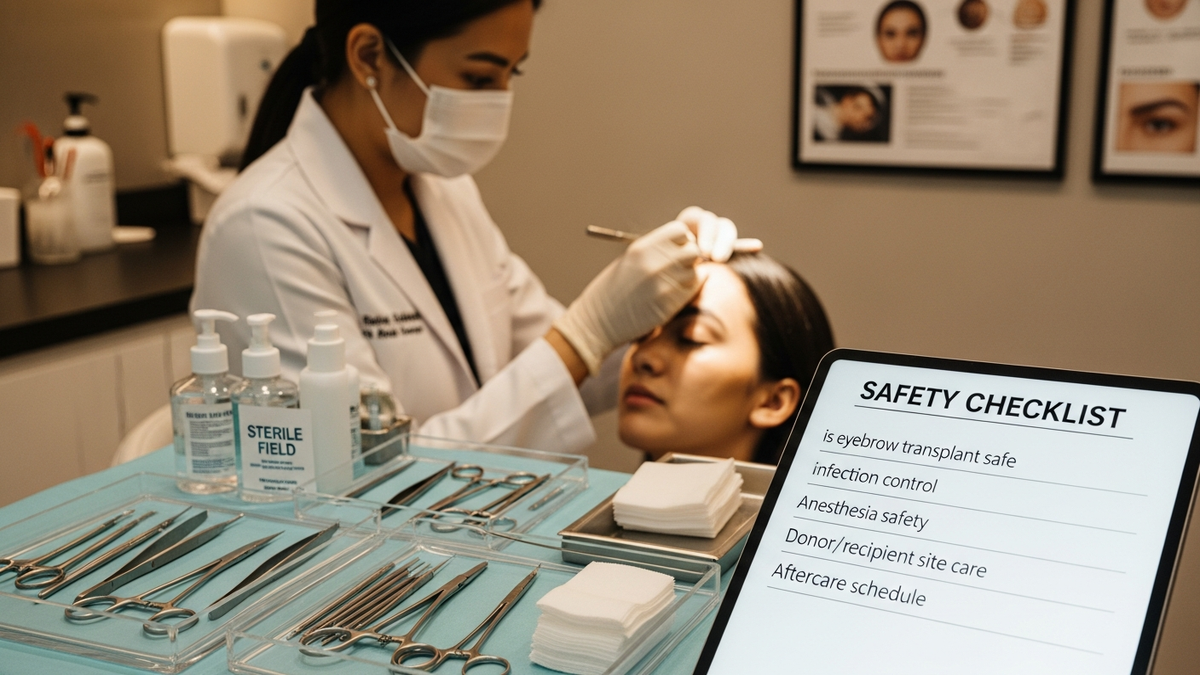
Recovery protocols vary by surgeon and procedure type, but most transgender hair transplant aftercare includes:
First Week Priorities
- Follow wound care instructions exactly (washing schedule, ointments, and precautions)
- Avoid heavy sweating, bending with pressure on the head, and strenuous activity
- Sleep with head elevated as directed
- Do not pick scabs; allow them to shed naturally
Weeks 2–6: Protecting the Grafts
- Resume gentle activities as permitted
- Be cautious with sun exposure and avoid direct heat on the scalp
- Follow medication recommendations (if prescribed)
Months 2–12: Supporting Growth
- Attend follow-ups to monitor growth progress
- Discuss hair-loss maintenance options if you’re prone to thinning
- Use styling approaches that avoid traction and unnecessary scalp stress
Choosing a Clinic: What to Look for in a Transgender Hair Transplant Provider
When searching for a provider, prioritize competence, transparency, and a design-focused consult. A premium hair transplant clinic should be able to clearly answer questions like:
Design and Planning
- How do you create a custom hairline for my facial proportions?
- What graft allocation plan do you use for frontal vs mid-scalp vs crown?
- What happens if I want more density later—do you plan for staged procedures?
Technique and Quality Control
- Do you emphasize natural angle and direction of implantation?
- What are your typical graft survival and growth outcomes?
- How experienced is your team with FUE and FUT?
Safety and Communication
- What are the risks specific to my scalp and donor characteristics?
- How do you handle complications if they arise?
- Do you provide clear post-op instructions and follow-up care?
If you’re considering other head-and-neck cosmetic procedures alongside hair restoration, choose a surgeon who focuses on the region and understands facial aesthetics. For example, Dr. Hootan Zandifar focuses on cosmetic and reconstructive surgery of the head and neck and is known for an honest, compassionate approach and natural-looking results. (Always ensure your hair transplant is performed by a qualified hair restoration surgeon/team.)
Related Options: Eyebrow Transplant and Full Facial Harmony
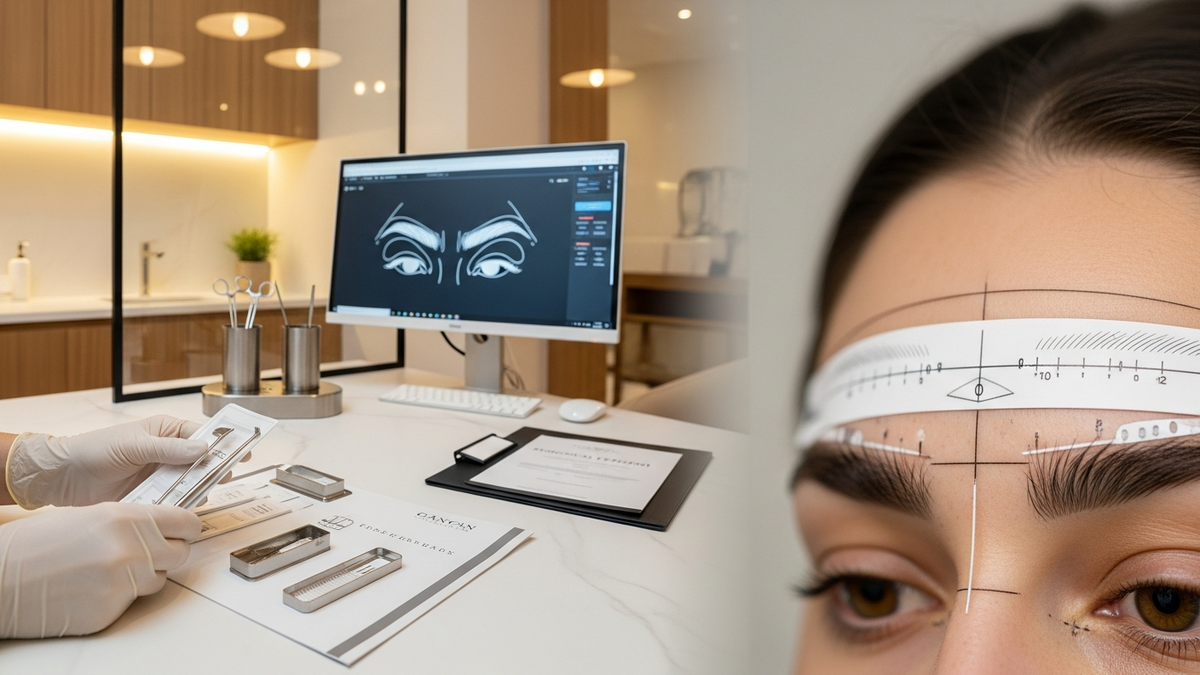
Hair restoration isn’t always limited to the scalp. Some transgender patients also explore eyebrow transplant to improve symmetry and balance with their desired presentation. If this is part of your plan, you can review related information here: eyebrow transplant.
Eyebrows can be a high-impact feature because they frame the eyes. Like scalp hair, eyebrow density, direction, and placement should be designed carefully to look natural—not “painted on.”
Common Questions About Transgender Hair Transplant
Below are some of the most frequent questions FlowGeniQ Digest readers ask when researching transgender hair restoration.
Will the transplant look natural?
Natural results depend on appropriate graft selection, skilled implantation (angle, density distribution, and direction), and a hairline design that matches your face. A conservative, design-first approach often looks better long-term than an overly aggressive placement strategy.
Can I have a hair transplant if I’m currently thinning?
Many people can. However, you need a plan that accounts for future thinning risk. Your surgeon may recommend staged procedures or ongoing hair-loss medication to protect existing hair.
Is FUE or FUT better for transgender patients?
Both can work well. The best choice depends on your donor characteristics, goals, and the clinic’s experience. Your surgeon should explain why they recommend one method over the other for your case.
How soon can I style my hair?
Styling timelines vary by procedure and healing. Most patients need to avoid pressure on grafts early on. Your clinic should provide specific instructions about washing, combing, and when you can wear certain hairstyles.
Actionable Checklist: Preparing for Your Consult
Use this checklist to make your consult productive and to ensure you get answers that matter.
Before the Appointment
- Bring a list of medications and supplements
- Share your hormone therapy timeline and any changes you’re planning
- Collect photos of your preferred hairline and presentation (and photos of haircuts you like)
- Write down your top 3 goals (e.g., “temples only,” “soft hairline,” “more density at crown”)
During the Appointment
- Ask how your hairline design will be measured and mapped
- Ask whether your plan is staged and why
- Ask about expected growth timeline and what “normal shedding” looks like
- Ask what maintenance is recommended to protect existing hair
After the Appointment
- Request a written plan: method (FUE/FUT), estimated grafts, and design rationale
- Confirm post-op follow-up schedule and who you can contact with concerns
- Plan for time off work and your early recovery support needs
When to Be Extra Cautious
Be cautious if a clinic:
- Guarantees “perfect” results or implies results are immediate
- Doesn’t discuss future hair loss risk
- Can’t explain how they design hairlines for your facial proportions
- Offers a one-size-fits-all approach to density distribution
Hair transplantation is a medical procedure. A careful, evidence-based approach protects both your appearance and your health.
FAQ: Transgender Hair Transplant
1) Are transgender hair transplants different from other hair transplants?
The mechanics can be similar, but the design goals and aesthetic planning are typically different. Transgender hair restoration focuses on hairline shape, density distribution, and overall facial harmony aligned with your gender-affirming presentation.
2) Will hormones affect my transplant results?
Hormones may influence shedding and regrowth patterns, but individual response varies. Discuss your hormone regimen and timeline with your surgeon so your plan accounts for likely changes over time.
3) How long until I see results?
Most patients start noticing early regrowth around months 3–6, with more visible density improvements by months 6–12. Final results often take 12–18 months or longer.
4) Is it possible to do FUE and FUT in stages?
Yes. Some patients benefit from staged approaches depending on donor capacity, desired coverage, and long-term hair-loss pattern. Your surgeon can map a strategy that preserves donor supply for future needs.
5) Can I combine a hair transplant with other facial procedures?
Sometimes, but the timing and medical considerations matter. If you’re considering additional procedures, ensure your care team coordinates plans and avoids interfering with healing. (For general context, some head-and-neck cosmetic options include procedures like Septoplasty or Rhinoplasty, though these are separate from hair restoration.)
CTA: Ready to Explore a Transgender Hair Transplant Plan?
If you’re considering a transgender hair transplant, the most important first step is a consultation that treats your hairline design goals and future hair behavior as part of the same plan. A premium clinic should provide clear answers about method choice (FUE vs FUT), expected timeline, and realistic outcomes.
Next step: Use the information in this FlowGeniQ Digest guide to prepare your questions, then schedule a consult with a qualified hair restoration surgeon to discuss your goals and candidacy.
Note on related services: If you’re still early in your research, you can review general hair transplant services here: hair transplant.
Professional Disclaimer
This content is provided for general educational purposes only by FlowGeniQ Digest. It is not a substitute for professional advice, diagnosis, or treatment. Readers are advised to consult qualified professionals for personalized recommendations.
Medical Information Disclaimer
This content is provided for general educational purposes only by FlowGeniQ Digest. It is not a substitute for professional advice, diagnosis, or treatment. Readers are advised to consult qualified professionals for personalized recommendations.