FlowGeniQ Digest brings you this complete, practical guide to surgery for septum deviated—including when it helps, what procedures may be recommended, and how to prepare for a safe, effective outcome. If you’ve been dealing with persistent nasal congestion, mouth breathing, sinus pressure, or sleep disruption, a structural issue like a deviated nasal septum may be the missing piece.
In this guide, you’ll learn the difference between symptoms caused by a deviated septum versus those driven by allergies, turbinate enlargement, nasal valve collapse, or chronic sinusitis. You’ll also get a clear overview of septoplasty, the most common surgery for a crooked septum, plus related options that may be used together to optimize nasal airflow.
What “septum deviated” means—and why it can affect breathing
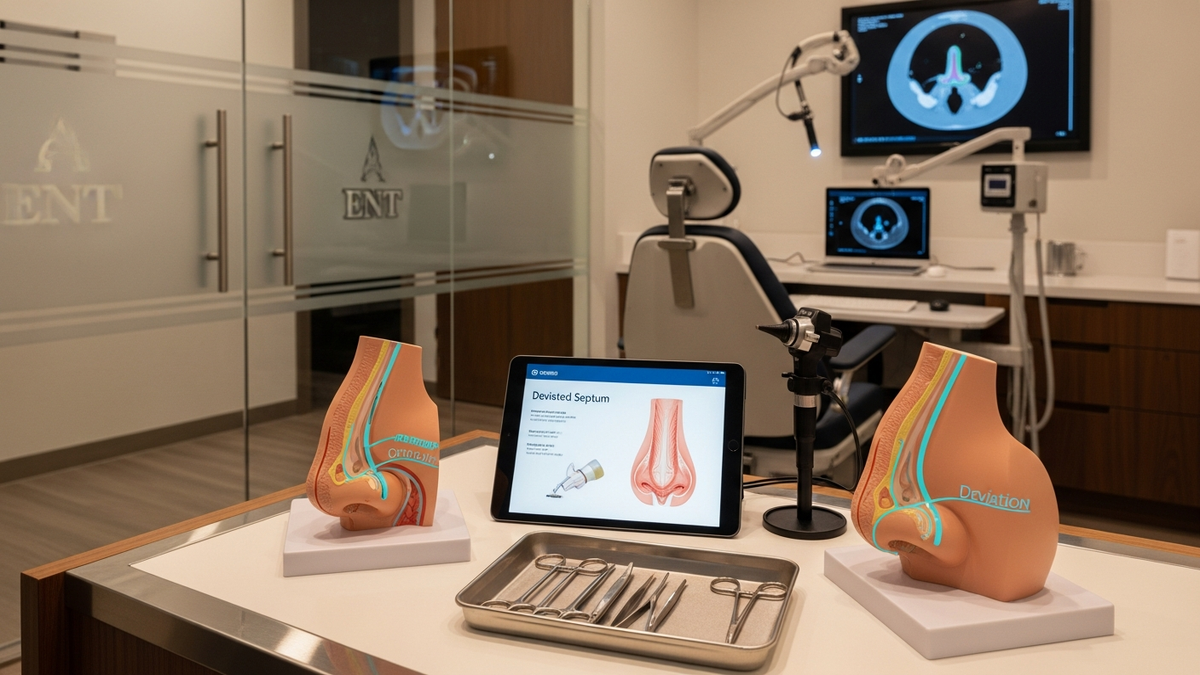
The nasal septum is the thin cartilage and bone structure that divides the nose into two passages. In most people, it sits near the center. When the septum is deviated, it can obstruct airflow on one or both sides, creating chronic congestion and difficulty breathing through the nose.
A deviated septum can also contribute to secondary problems, such as:
- Dryness and irritation from altered airflow patterns
- Enlarged nasal turbinates due to chronic airflow disruption
- Sinus ventilation issues that may worsen sinus pressure or recurrent infections
- Sleep-related breathing difficulties in some patients
Common symptoms that may indicate a deviated septum
Not every case of nasal congestion is structural. However, a deviated septum is often considered when symptoms are persistent and correlate with one-sided or consistently blocked breathing. Typical symptoms include:
- Chronic nasal congestion (often more pronounced on one side)
- Difficulty breathing through the nose, especially during exercise
- Frequent sinus pressure or recurrent sinus infections
- Post-nasal drip sensation (may be related to airflow and inflammation)
- Dry nose or nosebleeds (sometimes)
- Snoring or disrupted sleep (in some patients)
Important: allergies, chronic rhinitis, and inflammatory conditions can mimic or worsen the same symptoms. A thorough evaluation is key to identifying the true driver of your nasal obstruction.
Surgery for septum deviated: when is septoplasty recommended?
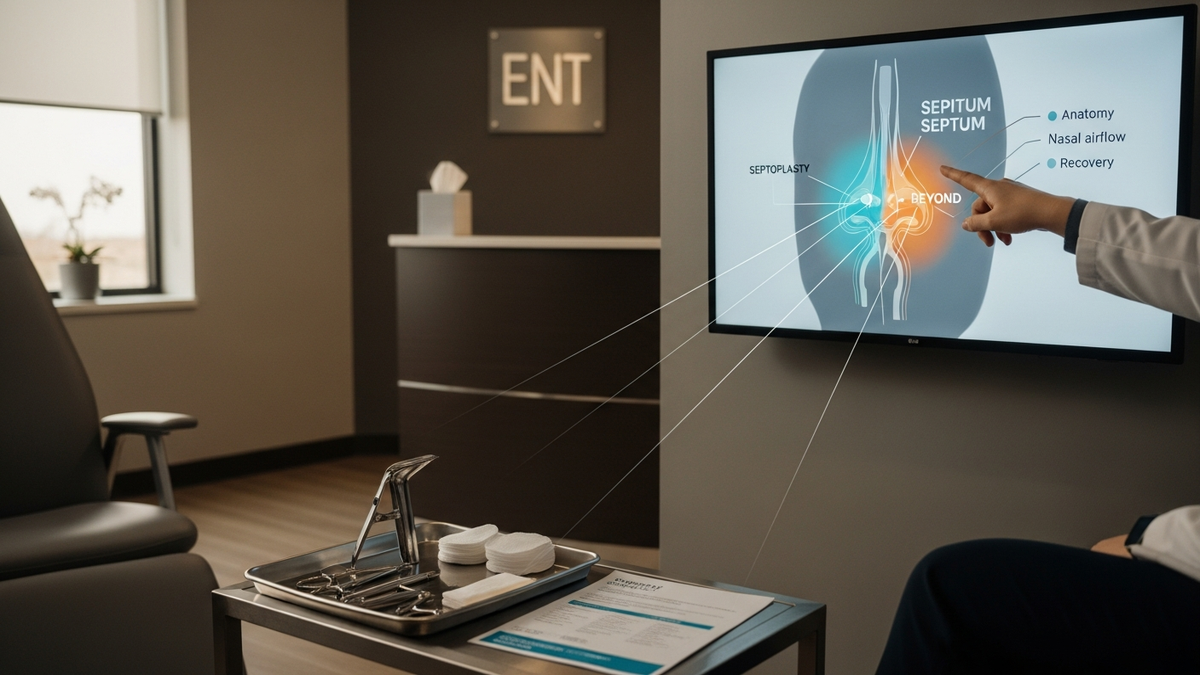
Septoplasty is the standard surgical treatment for a deviated nasal septum. It straightens the nasal cartilage and corrects the crooked septum to improve airflow.
In many cases, surgery becomes a consideration when:
- Symptoms persist despite appropriate medical therapy
- You have significant obstruction affecting daily life (breathing, sleep, exercise)
- There’s evidence of a structural blockage that correlates with your symptoms
- There are complications such as recurrent sinusitis, chronic nose obstruction, or impaired nasal function
For a deeper look at the procedure, you can review Septoplasty and related information at the Hootan Zandifar, MD practice site. (This is helpful background; your personal plan should be guided by an in-person exam.)
Septoplasty vs. rhinoplasty: are they the same?
Many people search for “surgery for septum deviated” and eventually encounter the term Rhinoplasty. While both involve the nose, they are not the same procedure.
Septoplasty (functional focus)
Septoplasty primarily targets the internal nasal septum to improve airflow. It’s performed to treat breathing issues caused by a deviated septum.
Rhinoplasty (aesthetic focus)
Rhinoplasty alters the shape and appearance of the nose. Some patients need both functional correction and cosmetic refinement, but the goals and techniques differ.
If you’re also considering cosmetic changes, learn more about Rhinoplasty—but remember: functional breathing outcomes should be evaluated first when obstruction is your primary concern.
Other surgeries that may be recommended alongside septum correction
In real-world nasal obstruction, the deviated septum is often only part of the puzzle. A functional nasal surgeon may recommend additional procedures to address coexisting structural contributors.
Inferior turbinate reduction for chronic “stuffy nose”
Enlarged nasal turbinates can maintain obstruction even after septal correction. Inferior Turbinate Reduction aims to improve airflow and help relieve long-term nasal blockage. It may be especially relevant for patients with chronic congestion and, in some cases, sleep apnea symptoms.
Nasal valve collapse repair (when the airway is blocked at the entrance)
The nasal valve is a key area controlling airflow. Some patients experience breathing difficulty that doesn’t fully respond to septoplasty alone. In these cases, the treatment plan may include both non-surgical and surgical approaches, depending on severity.
Options can include steroid and non-steroid allergy medications or other non-invasive treatments designed to improve airway patency. For severe obstruction, surgical repair may be considered, including procedures such as Latera implant or Vivair in appropriate candidates.
Septal perforation repair (when there’s a hole through the septum)
A septal perforation is a hole that extends through the septum. When present, symptoms can include chronic nosebleeds, whistling sounds while breathing, and difficulty breathing. In such cases, a septal perforation repair procedure may be necessary to address the underlying structural issue.
Balloon sinuplasty and endoscopic sinus surgery for sinus-related obstruction
If your “septum deviated” symptoms are actually driven or amplified by sinus disease, your care team may recommend sinus procedures.
- Balloon sinuplasty: a minimally invasive option often used to open blocked sinus passages and reduce chronic sinus infections.
- Endoscopic sinus surgery: an approach designed to restore normal sinus function, widen sinus passages, and help eliminate trapped mucus and recurrent infections.
These procedures are typically considered when chronic sinusitis is present and confirmed through clinical evaluation and appropriate imaging or endoscopic assessment.
Allergy treatment (when inflammation is the main driver)
Allergies can significantly affect nasal airflow and congestion. For some patients, a comprehensive plan includes allergy-directed therapies. One innovative option is Sublingual Immunotherapy (SLIT)—a no-shot approach that may help reduce allergy-related symptoms for selected candidates.
How surgeons evaluate a deviated septum before recommending surgery
A high-quality outcome depends on proper diagnosis. Expect your clinician to review your history, symptoms, prior treatments, and to perform an exam that may include:
- Detailed nasal history (duration, triggers, side predominance, sleep effects)
- Physical examination of nasal structure
- Nasal endoscopy to assess airflow obstruction and inflammation
- Assessment of turbinates, valve function, and septal alignment
- Consideration of sinus disease if symptoms suggest chronic sinusitis
In many cases, the goal is not only to “straighten the septum,” but to restore functional nasal breathing by addressing all relevant anatomic contributors.
What to expect during surgery for septum deviated (septoplasty)
While surgical techniques vary, septoplasty typically involves correcting the internal cartilage and bone so the septum sits closer to midline. Because the procedure is functional, the surgeon usually works inside the nose to minimize visible external changes.
Common steps (high-level overview)
- Anesthesia is administered (often general anesthesia; your surgeon will confirm the plan).
- Incisions are made inside the nostrils to access the septum.
- Cartilage and/or bone are adjusted or reshaped as needed.
- Stabilization may be performed to support the corrected alignment.
- Follow-up care includes post-operative instructions for healing and symptom monitoring.
How long does septoplasty take?
For many patients, septoplasty is a relatively focused procedure. Your surgeon will provide an exact estimate based on your anatomy and whether additional procedures (like turbinate reduction) are planned.
Recovery timeline: what the first days and weeks can feel like
Recovery varies, but most patients can expect a structured healing timeline after surgery for septum deviated. Your surgeon will provide individualized instructions, including medication guidance and nasal care.
First 24–72 hours
- Some nasal congestion and swelling are normal
- There may be mild to moderate discomfort
- Bleeding or bloody drainage can occur, especially early
- You may be advised on saline rinses and gentle hygiene
Week 1–2
- Swelling may gradually improve
- Breathing can start to feel easier, though it may not be “fully normal” yet
- Follow-up visits may include evaluation of healing and removal of any internal supports if used
Weeks 3–6
- Many patients notice meaningful improvement in nasal airflow
- Residual dryness or crusting can still happen
- Return to normal activities is guided by your surgeon’s recommendations
Full healing
Complete healing can take several months as internal tissues remodel. It’s normal for your breathing to continue improving over time.
Risks and complications: what to know before you decide
Most patients do well after septoplasty, but understanding risks helps you make an informed decision. Potential complications may include:
- Bleeding
- Infection (uncommon)
- Persistent nasal congestion if other causes remain
- Septal perforation (rare, but important)
- Adhesions/scarring that may require additional treatment
- Changes in sensation or temporary numbness
Your surgeon should review your specific risk profile and how they mitigate it. If you have a history of bleeding disorders, smoking, or prior nasal surgery, be sure to disclose it.
How to prepare for surgery for septum deviated
Preparation reduces risk and supports smoother healing. While your surgeon’s instructions are the final authority, common pre-op steps include:
- Review medications and supplements (especially blood thinners and certain supplements)
- Stop smoking well in advance if applicable
- Arrange transportation and post-op support
- Plan for time off work based on your recovery needs
- Stock up on nasal care supplies recommended by your clinician
Also, be realistic about what surgery can and cannot do. Septoplasty can improve airflow when obstruction is structural, but it won’t replace allergy management or treat sinus disease if those are also present.
Choosing the right surgeon: questions to ask
Because nasal airflow depends on anatomy and technique, selecting an experienced, functional nasal surgeon matters. When you schedule a consultation, consider asking:
- Is my obstruction primarily from a deviated septum? Or are turbinates, nasal valve collapse, or sinus disease also contributing?
- What procedures would you recommend and why? (Septoplasty only vs. septoplasty plus turbinate reduction, valve repair, or sinus treatment.)
- What results are realistic for my symptoms? Ask about expected breathing improvement and the timeline.
- How do you manage post-op care? Including pain control, nasal hygiene, and follow-up scheduling.
- What are the potential risks in my case? Especially if you have a history of nosebleeds, prior surgery, or inflammatory conditions.
If you want to understand how functional nasal surgery may be approached, you may find it helpful to review the philosophy and services offered by specialists such as Dr. Hootan Zandifar, who focuses on functional nasal surgery aimed at improving chronic nasal congestion and sinusitis symptoms using minimally invasive techniques.
Functional nasal surgery approach: treating the full cause of obstruction
In patients with chronic congestion, difficulty breathing, or sinus-related symptoms, the best results often come from a functional approach—one that addresses structural defects (like a deviated septum) and coexisting contributors (such as enlarged turbinates, nasal valve collapse, or chronic sinus disease).
Dr. Hootan Zandifar specializes in functional nasal surgery designed to help treat chronic symptoms of nasal congestion and sinusitis. When structural defects affect airflow—such as a deviated septum—surgical intervention can be the best course of action for long-term improvement in breathing and quality of life.
FAQs about surgery for septum deviated
1) Is surgery for septum deviated always necessary?
No. Many patients improve with medical management such as allergy treatment, nasal steroid sprays, saline irrigation, or treatment for chronic rhinitis. Surgery is typically considered when symptoms are persistent and a structural deviation is confirmed as a primary cause of obstruction.
2) Will septoplasty change the outside of my nose?
Septoplasty is primarily an internal procedure. Most patients do not experience visible external changes. If you’re also considering cosmetic changes, your surgeon can discuss whether procedures like Rhinoplasty are appropriate in your case.
3) How soon can I breathe better after septoplasty?
Some improvement may be noticed early, but swelling and healing can temporarily affect airflow. Many patients notice meaningful changes within weeks, with continued improvement over months as tissues fully recover.
4) What if I still feel congested after septoplasty?
Persistent congestion can occur if other contributors remain—such as enlarged turbinates, nasal valve issues, allergies, or chronic sinusitis. A functional evaluation can identify what’s still driving symptoms and whether additional treatment (like turbinate reduction or sinus therapy) is needed.
5) Is septoplasty the same as correcting a deviated septum?
Yes—septoplasty is the standard surgical method to correct a deviated septum. For more background, you can review Deviated Septum and Septoplasty resources.
CTA: take the next step toward easier breathing
If you’re searching for surgery for septum deviated, you’re likely ready for answers—clear diagnosis, realistic expectations, and a plan focused on restoring airflow. FlowGeniQ Digest recommends starting with a consultation that includes a functional nasal evaluation so you can understand your unique anatomy and whether septoplasty (or a combination of procedures) is the right path.
Schedule an in-person consultation with a qualified facial plastic or ENT specialist experienced in functional nasal surgery to discuss your symptoms, exam findings, and a personalized treatment plan.
Professional Disclaimer
This content is provided for general educational purposes only by FlowGeniQ Digest. It is not a substitute for professional advice, diagnosis, or treatment. Readers are advised to consult qualified professionals for personalized recommendations.
Medical Information Disclaimer
This content is provided for general educational purposes only by FlowGeniQ Digest. It is not a substitute for professional advice, diagnosis, or treatment. Readers are advised to consult qualified professionals for personalized recommendations.