FlowGeniQ Digest brings you an expert, patient-friendly overview of deep plane facelift what is it—and what to consider if you’re exploring advanced anti-aging facial surgery. A deep plane facelift is widely discussed among facial plastic surgery options because it addresses sagging and aging at deeper structural levels of the face, with the goal of restoring a natural, refreshed contour rather than simply “tightening” skin.
Below, we’ll explain how the technique works, what results people typically seek, how recovery and risks may differ from other facelift approaches, and what questions to ask during your consultation—so you can make a confident, well-informed decision.
Deep plane facelift: what is it?
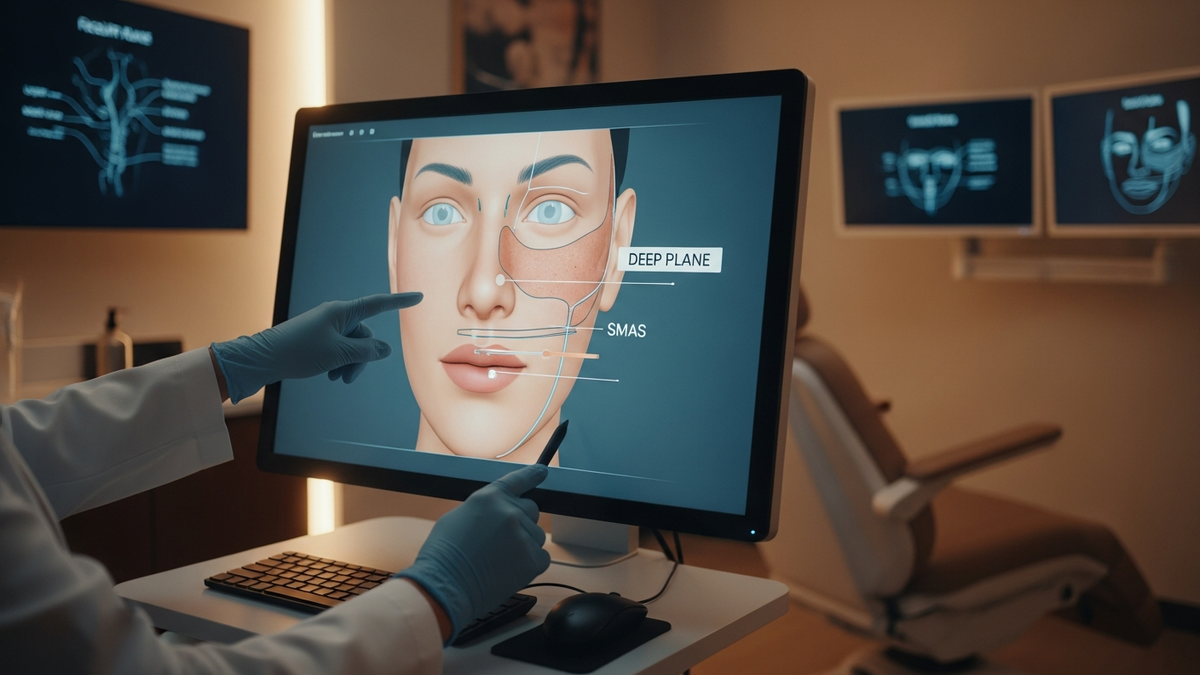
A deep plane facelift is a surgical technique designed to reposition and support facial tissues at a deeper anatomic level than many traditional facelift methods. In practical terms, it aims to correct the structural causes of facial aging—such as loss of support in the midface, changes in the jawline, and descent of deeper tissue layers—rather than focusing only on the outer skin.
Why “deep plane” matters
Facial aging is not just a skin issue. Over time, supportive tissue layers and fat compartments can shift, leading to:
- Midface sagging and volume redistribution
- Jawline definition loss
- Lower face heaviness or jowling
- Neck laxity and banding
The deep plane approach is intended to restore a more youthful “lift” by working with the face’s deeper supportive structures. Many surgeons consider it an advanced option for people with moderate to severe aging changes, especially when the goal is long-lasting, natural-looking repositioning.
How a deep plane facelift works (anatomy in plain language)
During a deep plane facelift, the surgeon carefully elevates and repositions tissue layers to improve facial contour. While exact steps vary by surgeon and patient anatomy, the concept generally includes:
- Incisions are typically made around the ear and possibly within the hairline to allow access and improve scar concealment.
- Dissection at a deeper tissue plane allows repositioning of structural support rather than only tightening the skin.
- Tissue repositioning and securement helps re-create youthful contours, including midface support and jawline definition.
- Skin redraping follows structural repositioning to match the new underlying shape.
- Neck evaluation may include tightening of neck tissue and/or adjunct procedures depending on the patient’s needs.
What it’s often used to address
People commonly consider a deep plane facelift when they want improvement in combinations of:
- Nasolabial fold deepening (midface descent contribution)
- Marionette lines and lower face descent
- Jowls and jawline sagging
- Neck laxity
- Overall loss of facial “lift”
Deep plane facelift vs. traditional facelift
Many patients search for “deep plane facelift what is it” because they want to understand how it differs from other facelift types. The most useful way to compare is by looking at depth of tissue work, target areas, and typical goals.
Typical differences
- Depth of dissection: Deep plane techniques work deeper within the facial layers.
- Support and repositioning: The goal is to restore underlying structure (often including midface support), not just tighten skin.
- Result profile: Many patients pursue deep plane approaches for more substantial contour restoration and longer-lasting structural support.
Is it always better?
No single technique is universally superior. The “best” approach depends on your anatomy, degree of sagging, skin quality, prior surgeries, and your aesthetic priorities. A qualified facial plastic surgeon can help determine whether a deep plane facelift is the most appropriate option—or whether another strategy (including a less extensive facelift or a combination procedure) may produce the most natural outcome.
Expected benefits of a deep plane facelift
While individual results vary, patients often pursue a deep plane facelift for benefits such as:
- More natural-looking lift: By repositioning deeper tissues, the contour can look less “pulled” and more balanced.
- Improved jawline definition: Structural support can help reduce the appearance of jowls and heaviness.
- Midface rejuvenation: Many deep plane approaches aim to support the midface, which can indirectly improve folds and lower-face descent.
- Neck improvement (when addressed): Neck laxity can be treated as part of a comprehensive facial rejuvenation plan.
It’s important to remember that a facelift cannot stop aging. Instead, it can reset facial structure and help you look refreshed for years—often with results that continue to evolve naturally as you heal.
Who is a good candidate?
When patients ask deep plane facelift what is it, they’re often also asking: “Am I the right fit?” Candidacy is highly individualized. However, deep plane facelift techniques are frequently considered for:
Common candidacy indicators
- Moderate to advanced facial sagging
- Visible jowling or jawline loss of definition
- Midface descent contributing to folds
- Neck laxity that may benefit from surgical tightening
- People seeking a structural, long-term rejuvenation approach
Factors that may change recommendations
Your surgeon may adjust the plan based on:
- Skin thickness and elasticity
- Bone structure and fat distribution
- Previous surgeries or scarring
- Medical history (including clotting risk, diabetes control, smoking status)
- Realistic expectations regarding healing timeline and final appearance
What to expect during consultation
A thorough consultation is essential. In a reputable facial plastic practice, you should expect an evaluation of facial structure from multiple angles, including the neck and midface, and a discussion of your goals and priorities.
Questions to ask
- Is a deep plane facelift the best match for my anatomy?
- Which areas will you address—midface, jawline, neck?
- What incision placement and technique do you use?
- What does recovery look like in your practice?
- How do you manage risks such as nerve irritation or asymmetry?
- Will I need adjunct procedures? (e.g., eyelid surgery or neck lift)
How other facial procedures may fit in
Many patients pursue a multi-step rejuvenation plan rather than a single procedure. Depending on your goals, your surgeon may discuss complementary options such as:
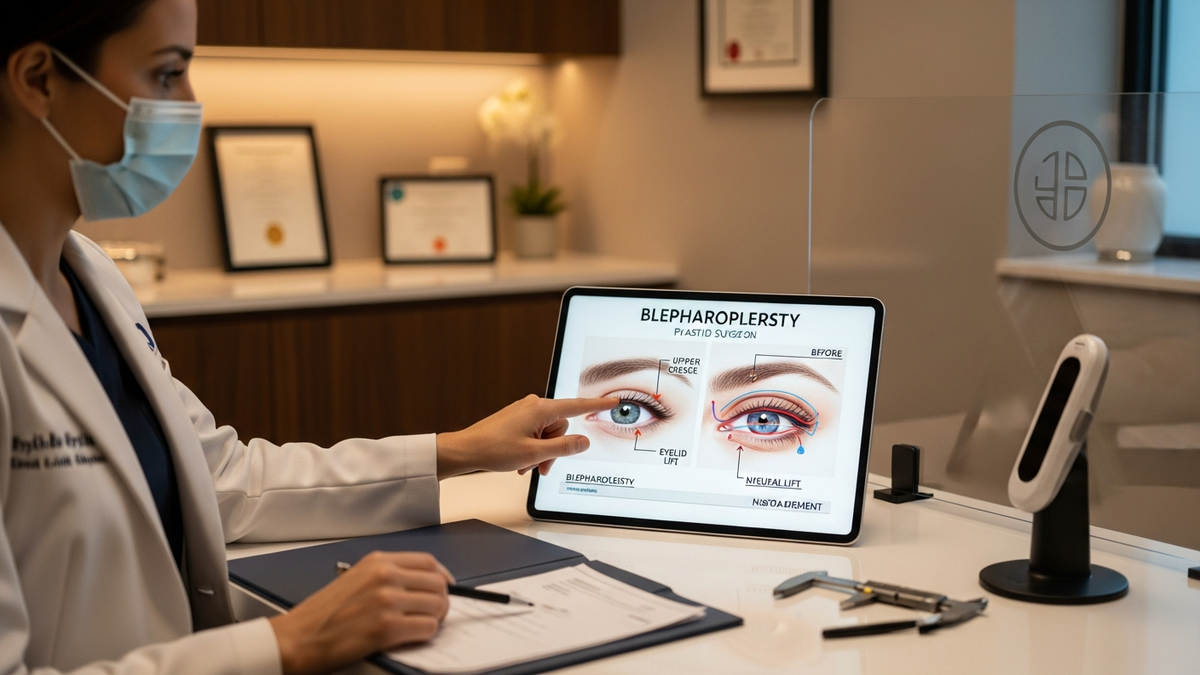
- Eyelid surgery: If upper or lower eyelid aging contributes to a tired appearance, Blepharoplasty may be considered.
- Forehead/brow support: If brow position contributes to upper face aging, a brow lift may be discussed.
- Neck-focused correction: If neck laxity is a primary concern, a dedicated neck lift strategy may be recommended.
Deep plane facelift procedure overview
Because surgical technique is individualized, your experience may differ from another patient’s. Still, most deep plane facelift surgeries share a similar framework.
Day of surgery
- You’ll receive anesthesia appropriate for your plan.
- Incisions are created to access the targeted tissue planes.
- The surgeon repositions and secures tissues to create improved facial contour.
- Skin is redraped and excess is tailored for a natural fit.
- Dressings and supportive garments are applied as directed.
Immediate post-op period
Swelling and bruising are common. Your care team will provide instructions on:
- How to manage discomfort
- When to resume gentle activity
- How to care for incisions and dressings
- What signs of complications require prompt medical attention
Recovery timeline: what to plan for
Recovery varies by person and by the extent of the procedure (including whether the neck is addressed, and whether adjunct procedures are performed). However, patients often experience a general pattern:
Typical recovery stages
- First week: Swelling, bruising, tightness, and limited facial movement are common. Many people can manage light activities with restrictions.
- Weeks 2–3: Bruising typically fades. Swelling continues to improve gradually. You may look noticeably better but still not fully “normal.”
- Weeks 4–6: Many patients see substantial contour refinement, though subtle swelling may persist.
- Months 3–6: Final aesthetic settling can continue as tissues soften and scars mature.
Actionable recommendation: Plan your schedule with recovery in mind. Avoid strenuous exercise early on, follow wound-care instructions closely, and attend all follow-up appointments to monitor healing.
Risks and side effects to understand
All surgery carries potential risks. A responsible surgeon will discuss complications openly and explain how they reduce risk and manage them if they occur.
Common side effects
- Swelling and bruising
- Temporary numbness or altered sensation
- Asymmetry during healing that often improves as tissues settle
- Scarring that typically becomes less noticeable over time
Potential surgical risks
Serious complications are uncommon in experienced hands, but possible risks include:
- Infection
- Hematoma (blood collection)
- Persistent nerve weakness or sensation changes
- Skin flap issues
- Unsatisfactory aesthetic outcome requiring revision
Actionable recommendation: Before surgery, disclose your full medical history, including medications, supplements, smoking/vaping habits, and any history of poor wound healing. Ask how your surgeon handles risk reduction (e.g., surgical technique, perioperative protocols, and post-op monitoring).
How to choose a qualified surgeon
Because deep plane facelift what is it ultimately comes down to technique and outcomes, selecting the right surgeon is one of the most important decisions you’ll make. Look for:
What to prioritize
- Board certification and relevant training in facial plastic and reconstructive surgery
- Experience with advanced facelift techniques, including deep plane approaches
- Natural-looking results that match your goals (avoid one-size-fits-all)
- Strong patient education and transparent discussions about risks and limitations
Red flags
- Vague answers about technique or recovery
- Pressure to book quickly without a thorough evaluation
- Results that appear overly “tight” or unnatural for many patients
- Limited discussion of risks, scarring, and realistic timelines
In Los Angeles and Beverly Hills, many patients seek facial rejuvenation from surgeons who specialize in head and neck procedures. For example, Dr. Hootan Zandifar focuses on cosmetic and reconstructive surgery of the head and neck, emphasizing natural-looking outcomes and patient education—an approach that aligns well with the thoughtful decision-making required for advanced techniques like the deep plane facelift.
Deep plane facelift and complementary treatments
Facial aging is multi-dimensional. While the deep plane facelift can address structural sagging, your overall rejuvenation plan may include other procedures depending on your features and goals.
Examples of complementary options
- Eyelid rejuvenation: If your eyes contribute to a tired appearance, Blepharoplasty can help balance the face.
- Neck-focused correction: A Facelift plan in Beverly Hills may be tailored to include neck tightening when needed.
- Hair restoration (when relevant): Some patients pursue a broader refresh that includes a hair transplant for thinning or pattern hair loss.
While these additional procedures are not required for everyone, they illustrate how a comprehensive facial rejuvenation plan can harmonize results across the face.
Cost considerations (and how to think about value)
Costs for a deep plane facelift vary widely based on surgeon expertise, geographic location, anesthesia fees, facility fees, and whether additional procedures are included. Rather than focusing solely on the lowest price, consider the value of:
- Surgeon training and experience with advanced techniques
- Safety protocols and postoperative support
- Quality of outcome and natural aesthetic philosophy
- Whether the plan is customized to your anatomy
Actionable recommendation: Request a detailed estimate and ask what’s included (consultation, surgery, anesthesia, facility, follow-ups). If financing is offered, confirm terms and total cost.
Frequently asked questions about deep plane facelift what is it
1) How long does a deep plane facelift last?
Results can be long-lasting, but no facelift stops aging. Many patients enjoy meaningful improvement for years. Longevity depends on your skin quality, lifestyle factors, and how your tissues age after surgery.
2) Is a deep plane facelift more risky than other facelift techniques?
Any facelift carries risks. Deep plane approaches involve working at deeper tissue levels, which may require specialized expertise. In experienced hands, complication rates are generally low, but your surgeon should explain risks specific to your anatomy and plan.
3) Will I look “too tight” after a deep plane facelift?
The goal of deep plane repositioning is to create a natural lift and contour rather than an overly tightened appearance. Choosing a surgeon with a natural-results philosophy and a technique matched to your facial structure can help reduce the risk of an unnatural look.
4) What is the typical downtime for a deep plane facelift?
Many patients take at least 1–2 weeks off for recovery, with bruising and swelling often improving most noticeably over the first few weeks. Full settling can take months.
5) Can a deep plane facelift address neck sagging?
Often, yes—depending on your neck anatomy and the degree of laxity. Your surgeon may include neck tightening as part of the overall plan.
Next steps: how to move forward confidently
If you’re considering a deep plane facelift what is it question, the next step is to schedule a consultation with a qualified facial plastic surgeon who can evaluate your anatomy and discuss the most appropriate technique—not just a one-size-fits-all offer.
Actionable checklist before your appointment
- Collect reference photos of the look you want (include different angles and lighting).
- Write down your top goals (jawline, midface, neck, overall balance).
- Bring your medical history and a current list of medications/supplements.
- Ask about technique specifics, recovery expectations, and risk management.
- Plan for postoperative help at home for the first few days.
CTA: Ready for a personalized facelift discussion?
If you’re in Los Angeles or Beverly Hills and exploring advanced facial rejuvenation, consider speaking with Dr. Hootan Zandifar—a double board-certified, fellowship-trained facial plastic and reconstructive surgeon known for natural-looking outcomes and patient education. A consultation can help you determine whether a deep plane facelift is the right structural approach for your goals, and whether complementary procedures (like eyelid surgery) could enhance balance across the face.
Book your consultation through the practice’s online scheduling options and take the next step toward a refreshed, youthful appearance with a plan tailored to you.
Professional Disclaimer
This content is provided for general educational purposes only by FlowGeniQ Digest. It is not a substitute for professional advice, diagnosis, or treatment. Readers are advised to consult qualified professionals for personalized recommendations.
Medical Information Disclaimer
This content is provided for general educational purposes only by FlowGeniQ Digest. It is not a substitute for professional advice, diagnosis, or treatment. Readers are advised to consult qualified professionals for personalized recommendations.