Source note: This article is published as part of FlowGeniQ Digest, with medical and educational information designed to help readers understand common facial rejuvenation concepts. It is grounded in the clinical approach and patient education priorities commonly emphasized by leading head-and-neck facial plastic specialists.
For many people, the phrase “facelift def” is a quick way to ask a bigger question: What is a facelift, exactly? and what can it realistically change in the face and neck? A facelift—often called a rhytidectomy—aims to reduce visible signs of aging by lifting and tightening facial skin and underlying tissue. When performed thoughtfully, it can create a more refreshed, youthful appearance while preserving a natural look.
In this guide, we’ll break down the concept of a facelift in plain language, explore who it’s for, what results to expect, and how to choose a qualified surgeon. We’ll also touch on related procedures—like Facelift, Blepharoplasty, and Septoplasty—to help you understand how facial rejuvenation plans are often customized.
Facelift def: What “Facelift” Means in Real Terms
In everyday usage, facelift def commonly refers to the definition and practical purpose of a facelift procedure. Clinically, a facelift is a cosmetic surgery designed to lift and tighten sagging facial tissues. Depending on the surgical plan, it may also improve the appearance of certain folds, jowls, and loose skin in the lower face and neck.
What tissues are addressed?
A modern facelift is not only about skin. Surgeons typically consider the position and support of deeper structures—such as the superficial musculoaponeurotic system (SMAS) and related supportive layers—because aging changes often occur in the underlying framework, not just the surface.
- Lifting helps reposition descended tissues.
- Tightening can reduce the appearance of looseness and sagging.
- Skin redraping refines contour and smooths the transition lines.
What areas can a facelift improve?
Patients commonly seek a facelift for signs of aging in the face and neck. Many individuals notice sagging or wrinkled skin around:
- Lower face (jowls, nasolabial area appearance)
- Jawline (contour definition)
- Neck (loose skin, bands, and texture)
- Overall facial harmony (a more rested, youthful “frame”)
Facelift vs. Other Rejuvenation Options
One reason “facelift def” searches are so common is that people often compare a facelift to other cosmetic treatments. The most effective plan depends on your anatomy, aging pattern, and goals—sometimes a facelift is ideal, and sometimes a different approach may be better.
When a facelift may be the right choice
A facelift is often considered when there is noticeable sagging or loss of firmness in the lower face and neck. Many patients opt for this procedure because it can significantly reverse the visible signs of aging that show up as skin and tissue descend over time.
When other procedures may complement (or replace) a facelift
Facial aging is multidimensional. Some people primarily need eyelid rejuvenation, others need brow support, and many need a combination strategy for balanced results.
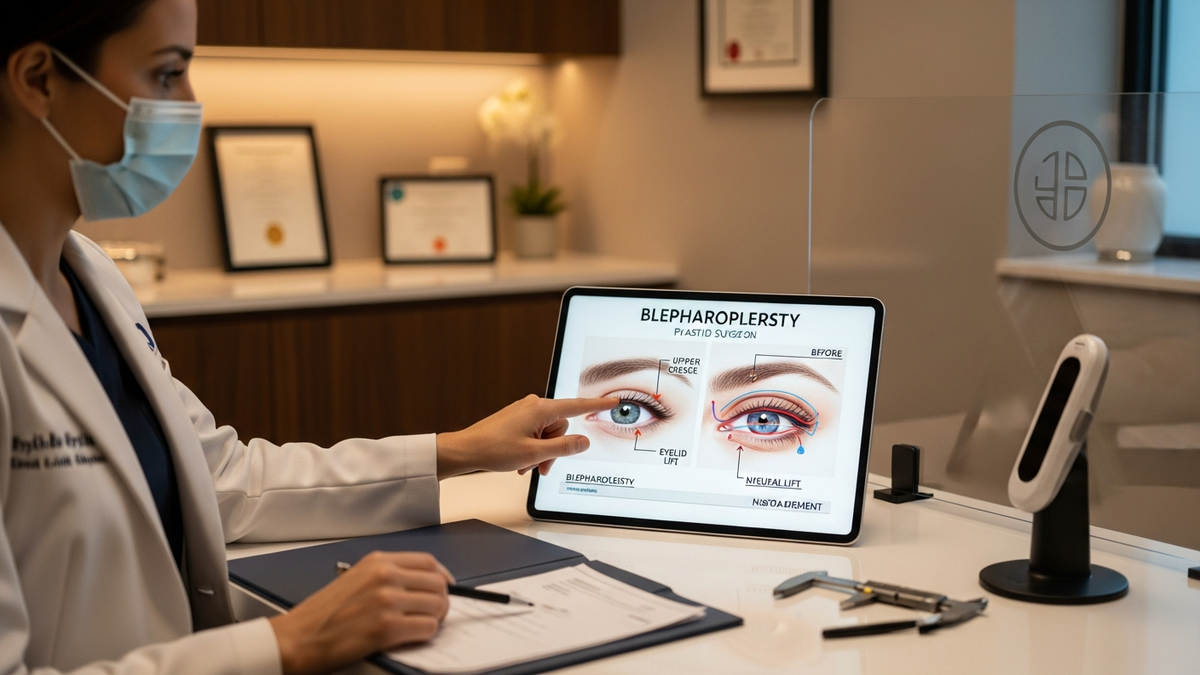
- Eyelid surgery (Blepharoplasty): Often targets excess upper eyelid skin and/or under-eye puffiness. It can improve the overall “rested” look. Learn more: Blepharoplasty.
- Brow lift: Addresses forehead wrinkles and helps raise the brow to reduce vision obstruction.
- Neck lift: Focuses specifically on the neck; it may be paired with a facelift for comprehensive lower-face rejuvenation.
- Submental liposuction: Targets localized fat under the chin to refine facial lines.
- Fat reduction vs. tissue tightening: Some “jowl” concerns are driven by fat distribution, while others are driven by tissue laxity. Your surgeon will evaluate which component is most responsible.
Who Is a Good Candidate for a Facelift?
A strong facelift definition includes not only what the procedure is, but also who benefits most. Ideal candidates are typically those with age-related changes and enough skin quality to respond well to tightening and repositioning.
Common signs that you may be a candidate
- Sagging skin along the jawline/jowls
- Loose neck skin or loss of neck definition
- Deepening folds and visible aging lines that concern you
- A desire for a more youthful contour with natural results
Factors that affect candidacy
Your surgeon will evaluate several variables, including:
- Skin elasticity and overall skin thickness
- Health history (e.g., smoking, bleeding risk, medication use)
- Degree of laxity and distribution of aging
- Realistic expectations based on your anatomy
- Previous procedures and healing tendencies
For patients considering cosmetic surgery in Los Angeles, choosing a surgeon with experience in head-and-neck anatomy and a natural aesthetic philosophy can be especially important. Specialists who focus on facial plastic and reconstructive surgery may be particularly equipped to tailor plans to both cosmetic goals and functional considerations.
What Results Can You Expect After a Facelift?
When people search “facelift def,” they’re often looking for the practical answer: What will I look like afterward? While no surgeon can guarantee specific outcomes, a facelift can produce meaningful improvements when the surgical plan matches the patient’s anatomy.
How the “younger” look is achieved
Facelift results typically come from repositioning sagging tissues and tightening supportive layers. Many patients describe results as:
- Less visible sagging around the jawline
- A smoother transition between the jaw and neck
- A more refreshed facial contour
- Improved overall harmony (especially when combined with other rejuvenation procedures)
How long do results last?
Facelift outcomes are not permanent in the sense that aging stops. However, many patients enjoy long-lasting benefits because the procedure addresses structural changes. Lifestyle factors (sun exposure, smoking, weight stability, and skincare habits) can influence longevity.
Natural-looking is the goal
A hallmark of premium facial rejuvenation is avoiding an over-tight, “pulled” look. Surgeons trained in facial plastic and reconstructive principles often emphasize natural movement and balanced proportions.
Facelift Recovery Timeline: What to Plan For
Recovery is a major part of the facelift definition in real life. Even when the procedure is successful, your comfort, swelling, and visible healing will affect how you experience the transformation.
Typical early recovery
- First days: Swelling and bruising are common. You’ll follow post-op instructions closely.
- First 1–2 weeks: Many people can return to light activities as advised, though bruising may persist.
- Sutures/tape: Removal timing depends on the technique and surgeon preference.
When you may see more refined results
Swelling gradually subsides. Many patients notice more natural contour definition as healing progresses over several weeks. Final results can take longer as tissues settle.
Practical recovery tips
- Arrange support: Plan for someone to help you during the first day or two.
- Follow wound care precisely: Don’t improvise with creams or ointments not approved by your surgeon.
- Protect from sun: UV exposure can affect healing and pigmentation.
- Manage activity: Avoid strenuous exercise until cleared.
- Stay hydrated and patient: Healing is gradual; comparing early results to final outcomes can be misleading.
Risks and Side Effects: The Candid Part of Facelift Def
A complete “facelift def” must include safety. All surgeries carry potential risks. While many patients have smooth recoveries, it’s important to understand complications so you can make an informed decision.
Potential risks may include
- Swelling and bruising
- Temporary numbness or altered sensation
- Asymmetry as tissues heal (often improving over time)
- Scarring (typically placed to be less noticeable)
- Infection or poor wound healing (rare but possible)
- Seroma/hematoma (fluid or blood collection)
- Changes in skin color or texture
- Hairline or incision-line concerns
Your surgeon will review your personal risk profile during consultation. Factors like smoking, certain medications, and underlying health conditions can increase risk.
How to Choose the Right Surgeon for a Facelift
Choosing a surgeon is where “facelift def” becomes deeply practical. A facelift is not a one-size-fits-all procedure; it should be planned around your anatomy, your goals, and your healing patterns.
What to look for
- Specialization: Consider a surgeon who focuses on head-and-neck facial plastic and reconstructive surgery.
- Board certification and training: Verify credentials and fellowship training where applicable.
- Natural aesthetic approach: Review before-and-after photos for consistency and realism.
- Patient education: A quality surgeon explains options, limitations, and trade-offs clearly.
- Personalized plan: Your procedure should match your aging pattern—not a template.
Questions to ask at your consultation
- What areas will you lift/tighten, and why?
- Which technique do you recommend for my anatomy?
- What results are realistic for my skin quality and degree of laxity?
- How do you handle asymmetry and scar management?
- What is the recovery timeline for my specific plan?
- Which risks apply to me personally?
- Will I need complementary procedures (e.g., Blepharoplasty or a neck-focused approach)?
Personalized Facial Rejuvenation: When a Facelift Is Part of a Broader Plan
In many facial rejuvenation journeys, a facelift is one component of a multi-area strategy. The goal is not just “younger skin,” but a balanced, refreshed appearance across the face.
Complementary procedures that often pair well
- Eyelid surgery: Targets upper eyelid heaviness and/or under-eye puffiness for a rested look.
- Brow lift: Can help support the upper face and reduce forehead wrinkles.
- Neck lift: Focuses on neck laxity for a smoother jaw-to-neck transition.
- Submental fat reduction: Helps refine the chin/neck contour.
For patients also managing functional concerns—such as nasal breathing issues—your overall head-and-neck health may influence your surgical planning. For example, some individuals seek structural nasal correction as part of improving quality of life. If nasal obstruction is part of your concerns, explore options such as Septoplasty and issues like a Deviated Septum with a qualified specialist.
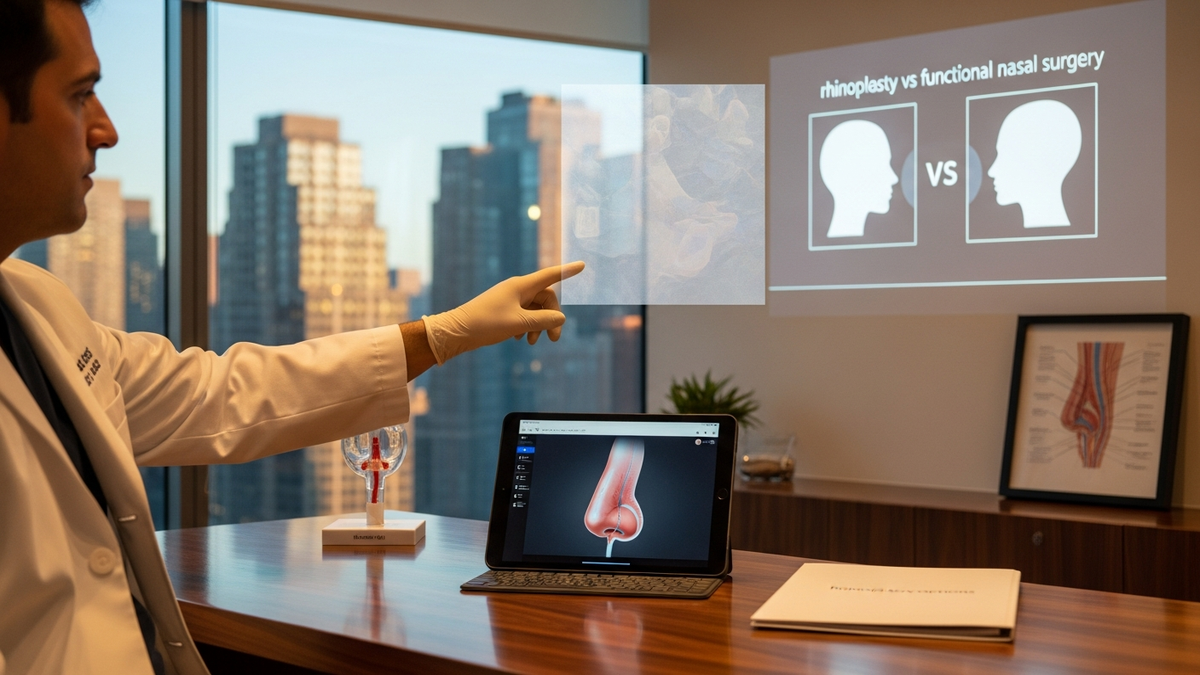
Similarly, if you’re considering rhinoplasty for both appearance and function, you may find useful context in Rhinoplasty. While this is separate from a facelift, it illustrates how facial plastic surgery often addresses both aesthetics and function—depending on the patient’s needs.
Facelift Def for Real People: How to Set Expectations Before Surgery
Perhaps the most important “facelift def” is the emotional and practical definition: what you want to feel and how you want to look after healing.
Use a goal-based approach
Instead of focusing only on age reversal, define outcomes in terms of:
- Contour (jawline/neck definition)
- Texture (skin tightness and reduced sagging)
- Balance (facial harmony with your features)
- Confidence (how you want to present yourself)
Expect gradual improvement
It’s common for swelling to temporarily mask your final result. A premium surgeon will discuss timeline expectations and how to interpret early healing changes.
Plan for the “whole you”
Many patients also consider hair restoration or eyebrow restoration to complement facial rejuvenation. If hair density or brow shape is part of your overall aesthetic goals, you may explore a hair transplant or an eyebrow transplant through qualified providers. While these are separate procedures, they can contribute to a cohesive, natural-looking appearance.
Facelift Def: What a Typical Surgical Day and Process Looks Like
Understanding the process can reduce anxiety and help you feel prepared. While exact steps vary by surgeon and facility, here’s a general overview of how a facelift journey often unfolds.
Before surgery
- Consultation: Review your goals, photos, medical history, and physical exam.
- Pre-op instructions: Medication adjustments, lab work as needed, and fasting guidelines.
- Marking: Incision planning and tissue positioning strategy.
During surgery
Facelift techniques vary. Your surgeon will lift and tighten targeted tissues and then redrape skin to refine contours. Incision placement is typically designed to blend with natural lines and hair-bearing areas when possible.
After surgery
- Monitoring: You’ll be monitored during the immediate recovery period.
- Dressings and instructions: You’ll receive guidance for care, swelling management, and activity limits.
- Follow-up visits: Scheduled check-ins support healing and early identification of any concerns.
Why Los Angeles Patients Often Prioritize Facial Plastic Expertise
In a city like Los Angeles, where cosmetic surgery options are abundant, the most important differentiator is often depth of facial plastic expertise and a commitment to education and natural results. Patients frequently want confidence that their surgeon understands both aesthetics and the underlying head-and-neck anatomy.
Some facial plastic and reconstructive surgeons focus exclusively on head and neck surgery, which can support comprehensive care across rejuvenation and functional concerns. For instance, specialists who offer advanced anti-aging techniques may aim to help patients restore a fresh, youthful, vital appearance—smoothing wrinkles and age lines while prioritizing natural-looking outcomes.
If you’re exploring facelift options, you may also want to review the detailed, patient-focused approach available through Facelift consultations with a board-certified facial plastic and reconstructive surgeon.
FAQ: Facelift Def Questions People Ask Most
1) What does “facelift def” mean?
“Facelift def” usually means the definition and purpose of a facelift procedure—how it lifts and tightens facial and neck tissues to reduce visible signs of aging. It’s also a shorthand for what results you can expect and whether you’re a good candidate.
2) Is a facelift only for older patients?
No. While most patients are in their 40s to 60s, some younger individuals pursue facelift techniques when they have early sagging or structural changes. Candidacy depends on anatomy, skin quality, and goals—not age alone.
3) Will I look “done” or unnatural after a facelift?
Not when the procedure is planned thoughtfully. The best results are typically natural-looking, with balanced proportions and preserved facial movement. This depends on technique, tissue handling, and your surgeon’s aesthetic philosophy.
4) What is the recovery time after a facelift?
Most people experience swelling and bruising for at least the first couple of weeks, with gradual improvement over subsequent weeks. Your surgeon will provide a personalized timeline based on your surgical plan.
5) Can a facelift be combined with other procedures?
Often, yes. Many patients combine a facelift with complementary treatments such as eyelid surgery (Blepharoplasty) or neck-focused procedures for comprehensive rejuvenation. Your surgeon can recommend the safest, most effective combination for your goals.
CTA: Ready to Learn What a Facelift Could Do for You?
If you’re exploring facelift def because you want clearer answers and a plan tailored to your face, the next step is a consultation with a qualified facial plastic and reconstructive surgeon.
Actionable next steps:
- Schedule an in-person or virtual consultation to discuss your goals and aging pattern.
- Bring photos that represent the look you want (and photos that show what you don’t want).
- Ask about technique, realistic outcomes, and whether complementary procedures (like Blepharoplasty) would improve results.
- Review recovery planning and safety considerations specific to you.
For those in Los Angeles and surrounding areas, you can begin by learning more about facelift options through Facelift resources and consultation pathways.
Professional Disclaimer
This content is provided for general educational purposes only by FlowGeniQ Digest. It is not a substitute for professional advice, diagnosis, or treatment. Readers are advised to consult qualified professionals for personalized recommendations.
Medical Information Disclaimer
This content is provided for general educational purposes only by FlowGeniQ Digest. It is not a substitute for professional advice, diagnosis, or treatment. Readers are advised to consult qualified professionals for personalized recommendations.