Welcome to FlowGeniQ Digest, your multi-industry guide to evidence-informed wellness and informed decision-making. If you’re searching for a deep plane facelift in Florida, you’re likely looking for something more than surface-level tightening—something that addresses the way facial tissues shift over time.
This guide explains what a deep plane facelift is, who it’s for, what results are realistic, and how recovery typically unfolds. We’ll also cover Florida-specific considerations (like humidity, heat exposure, and travel plans) and provide a practical checklist for choosing a surgeon you can trust.
What Is a Deep Plane Facelift?
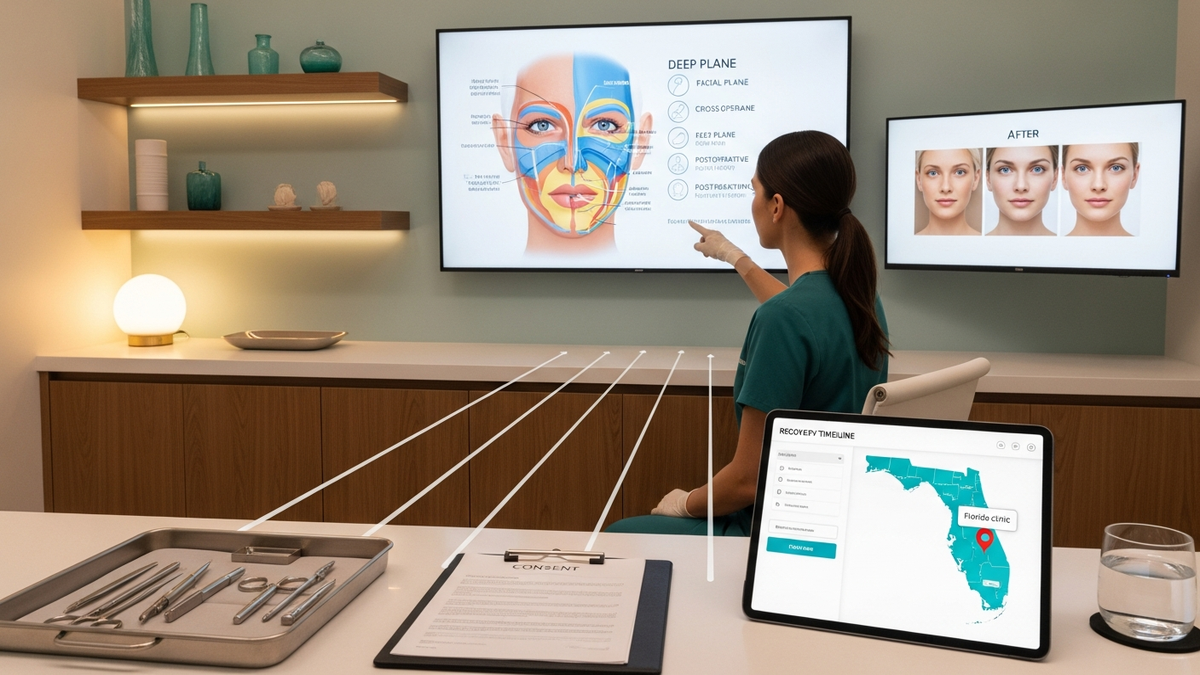
A traditional facelift primarily targets the skin and superficial fat. In contrast, a deep plane facelift focuses on reorganizing and supporting deeper layers of facial tissue. The procedure is designed to lift sagging areas by repositioning structures that contribute to age-related changes—often including the SMAS layer and related connective tissues.
Because the technique works at a deeper level, many surgeons and patients describe it as offering more natural-looking movement and longer-lasting results for appropriately selected candidates. However, the best approach depends on your anatomy, your goals, and your overall health—not just the technique name.
Why Patients Choose Deep Plane Facelifts in Florida
Florida’s lifestyle and climate can influence how people experience aging and recovery. Many patients want rejuvenation that looks natural in bright daylight and photographs—whether they’re in Miami, Orlando, Tampa, or the Panhandle.
Common motivations include:
- Natural facial movement that still looks like “you,” just refreshed.
- Addressing midface and jawline descent rather than only tightening the lower face.
- Planning around schedules (events, work demands, travel) with realistic downtime.
- Long-term value—patients often want results that remain stable as the years progress.
Deep Plane vs. Other Facelift Options
When you’re comparing facelift techniques, it helps to understand what each one is trying to correct. While “best” is individualized, here’s a practical comparison:
Deep Plane Facelift
- Targets deeper facial layers for repositioning and support.
- Often chosen for significant sagging or patients seeking more structural lift.
- May provide more durable results in the right candidates.
SMAS Lift / Superficial Lifts
- May emphasize lifting through the SMAS or more superficial layers.
- Often suitable for patients with different degrees of aging or specific goals.
Skin-Only Tightening
- Generally limited in longevity compared with structural approaches.
- Not typically the first choice for patients with deeper tissue descent.
If you’re also considering complementary procedures, a qualified surgeon can help you sequence treatments. For example, eyelid rejuvenation may enhance overall harmony—see Blepharoplasty for more information.
Ideal Candidates for a Deep Plane Facelift
Not everyone is a candidate for a deep plane approach. Surgeons typically evaluate skin quality, facial volume changes, fat distribution, skin laxity, and the degree and pattern of tissue descent.
Common signs you may be a candidate
- Lower face and jawline sagging (jowls, marionette-related descent)
- Neck laxity that may require a combined approach
- Midface descent contributing to nasolabial area changes
- Desire for natural results with improved facial contour
Factors that may affect candidacy
- Active smoking or nicotine exposure (can increase healing risks)
- Uncontrolled medical conditions (e.g., certain cardiovascular or clotting disorders)
- Unrealistic expectations about what surgery can change
- Significant skin damage or conditions that require careful preoperative planning
During your consultation, your surgeon should discuss both surgical and non-surgical alternatives, including what a facelift can and cannot do.
Expected Results: What a Deep Plane Facelift Can (and Can’t) Do
One of the most important parts of choosing a surgeon is understanding realistic outcomes. In general, a deep plane facelift aims to:
- Lift sagging facial tissues
- Tighten and support the jawline and neck area
- Improve definition around the lower face
- Reduce visible signs of aging while preserving natural facial expression
However, it won’t typically “stop time.” Skin will continue to age. Some patients may also need adjunct treatments (for example, volume restoration, brow support, or eyelid rejuvenation) to achieve their full goals.
How long do results last?
Many patients report long-lasting improvements, but the exact duration varies based on genetics, skincare, weight stability, sun exposure, and how well tissues are supported during surgery. Your surgeon should discuss expected longevity in the context of your specific anatomy.
Deep Plane Facelift Steps: A High-Level Overview
Because surgical technique varies by patient and surgeon, the following is a general educational overview—not a substitute for personalized surgical planning.
- Preoperative planning: facial mapping, photography, and discussion of goals and incision placement.
- Anesthesia: typically performed under general anesthesia or deep sedation depending on the plan.
- Incision and tissue elevation: incisions are commonly placed around the ear and hairline to help conceal scarring.
- Deep layer repositioning: the surgeon releases and repositions deeper supportive structures to lift and restore contour.
- Skin redraping and contour refinement: excess skin is adjusted while maintaining natural facial movement.
- Closure and postoperative care: incisions are closed and recovery instructions are reviewed.
If you’re exploring related options, you may also want to read about a broader Facelift approach to understand how surgeons tailor techniques to patient needs.
Recovery After a Deep Plane Facelift in Florida
Recovery is where planning matters most. In Florida—where heat and humidity can be intense—your ability to follow postoperative instructions (especially regarding hydration, swelling management, and activity restrictions) can influence comfort and healing.
Typical recovery timeline (general guidance)
- First 48–72 hours: swelling and bruising peak for many patients; rest and head elevation are crucial.
- Days 4–10: bruising often becomes more noticeable before it gradually resolves; many patients start light walking.
- Weeks 2–4: many return to non-strenuous work; swelling continues to improve.
- Weeks 6–12: most visible swelling diminishes; final contour stabilization may continue beyond this.
Florida-specific tips for comfort and healing
- Plan for indoor recovery: avoid direct heat exposure during the earliest phase.
- Follow head-elevation instructions: sleeping position can influence swelling.
- Stay hydrated (as approved by your surgeon): heat increases fluid needs.
- Use sunscreen later, not immediately: protect scars from sun once your surgeon clears you.
- Be mindful of travel: if flying, ask your surgeon about timing and precautions.
Your surgeon should provide detailed, personalized postoperative instructions. In some cases, additional procedures (like neck lift components or eyelid surgery) can change the recovery timeline.
Risks and Side Effects to Understand
All surgical procedures carry potential risks. A reputable surgeon will explain risks clearly and discuss how they mitigate them.
Common side effects
- Swelling and bruising
- Temporary numbness or tightness
- Asymmetry during early healing that often improves
Potential surgical risks
- Infection
- Bleeding or hematoma
- Scarring (usually minimized by incision planning)
- Persistent numbness in some areas
- Contour irregularities
- Rare nerve-related issues
- Unfavorable healing in higher-risk patients
Choosing a surgeon who performs facelifts regularly and who emphasizes patient education can help you make safer decisions.
How to Choose the Right Surgeon for a Deep Plane Facelift in Florida
When you search for a provider, don’t focus solely on the phrase “deep plane facelift.” Focus on surgical expertise, facial anatomy experience, and a track record of natural outcomes.
Use this evaluation checklist
- Board certification and focused practice: look for credentials in facial plastic surgery or related surgical specialties.
- Facial anatomy expertise: deep plane work requires precise understanding of tissue planes.
- Before-and-after galleries: review results that match your age, concerns, and facial structure.
- Communication style: your surgeon should explain options, risks, and tradeoffs clearly.
- Personalized plan: you should not receive a “one-size-fits-all” surgical template.
- Safety protocols: ask about facility accreditation, anesthesia protocols, and emergency preparedness.
Ask these questions during your consultation
- “What layers will you lift and how does your approach match my anatomy?”
- “How do you control for natural facial movement and expression?”
- “What is your typical recovery timeline for patients like me?”
- “What are your most common complications and how are they managed?”
- “Will I need adjunct procedures (neck lift, eyelids, fat transfer, or brow support)?”
Tip: If you’re also considering other head-and-neck rejuvenation procedures, it can be helpful to ask how they integrate with your facelift plan—like Blepharoplasty for upper or lower eyelid concerns.
Complementary Procedures: Enhancing Overall Facial Harmony
Many patients don’t experience aging in one isolated area. A deep plane facelift may be paired with other treatments to restore balance. Your surgeon can recommend what’s appropriate based on your goals.
Eyelid rejuvenation (Blepharoplasty)
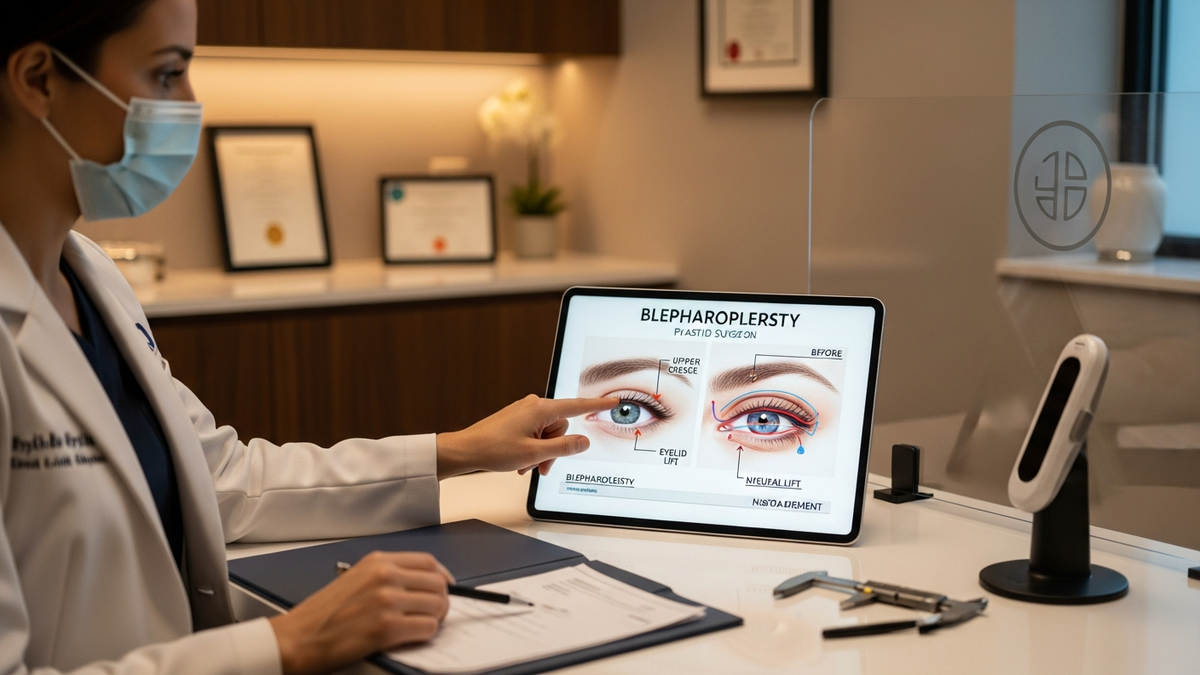
When upper eyelids feel heavy or lower eyelids look puffy, eyelid surgery can complement a facelift by refining the upper face. Learn more about Blepharoplasty.
Brow support (Brow lift)
Brow position affects how the entire face reads. If brow descent contributes to a tired appearance, a brow lift may be considered alongside facelift planning.
Rhinoplasty and nasal breathing considerations
Facial rejuvenation isn’t only about lifting. Some patients also want functional improvements in breathing. If you’re considering nose surgery for both aesthetics and airflow, you may find educational value in procedures like Septoplasty (often discussed in relation to a Deviated Septum).
For aesthetic nose changes, see Rhinoplasty.
Hair restoration and facial framing
Hair loss can change how facial proportions look over time. For patients exploring hair restoration options, you can learn about a hair transplant approach as part of broader self-confidence goals.
Eyebrow density also impacts facial expression; for those who are considering restoration, an eyebrow transplant may be considered in appropriate cases.
Preparing for Surgery: Actionable Steps You Can Take Now
Preparation isn’t just administrative—it’s medical. The better prepared you are, the smoother your recovery can feel.
Preoperative checklist
- Follow medication guidance: ask your surgeon about blood thinners, supplements, and pain medications.
- Stop nicotine well in advance: smoking and nicotine can impair healing.
- Plan your recovery environment: comfortable head elevation, clean supplies, and a support person.
- Arrange time off work: build in extra days for unexpected swelling.
- Prepare for sun protection later: Florida sun is intense—scar protection matters.
- Keep expectations aligned: discuss what results look like at early vs. later stages of healing.
During the consultation
Bring:
- Photos of how you want to look (with the caveat that your anatomy must guide the plan)
- A list of medications and supplements
- Your medical history, including prior surgeries and anesthesia experiences
- Questions about risks, recovery, and postoperative follow-up
How FlowGeniQ Digest Supports Informed Decisions
FlowGeniQ Digest brings together trustworthy, education-first content across wellness and healthcare topics. For procedures like a deep plane facelift, the goal is to help you understand the “why” behind surgical decisions—so you can have more meaningful conversations with your surgeon.
As part of an education-focused approach, we encourage patients to prioritize:
- Evidence-informed expectations
- Transparent risk discussion
- Personalized surgical planning
- Aftercare clarity
FAQs About Deep Plane Facelift in Florida
1) How is a deep plane facelift different from a traditional facelift?
A deep plane facelift works with deeper supportive facial structures to lift and reposition tissue more structurally. A traditional facelift may focus more on superficial layers. Your surgeon will determine the best plan based on your anatomy and goals.
2) What is the typical downtime for a deep plane facelift?
Many patients plan for about 1–2 weeks for reduced activity and a return to non-strenuous work, with continued swelling improvements over several weeks. Full stabilization can take longer, depending on the individual and whether additional procedures are performed.
3) Will my scars be visible in Florida’s sun?
Scars can become more noticeable with sun exposure. Your surgeon should provide scar-care guidance, including when to use sunscreen and how to protect incisions as they heal.
4) What are the most common risks?
Common side effects include swelling, bruising, and temporary numbness. Potential risks include infection, bleeding/hematoma, contour irregularities, and rare nerve-related issues. Your surgeon should explain risk rates and mitigation strategies.
5) Can I combine a deep plane facelift with other treatments?
Often, yes. Many patients combine facelift approaches with procedures such as eyelid surgery (Blepharoplasty) or other rejuvenation options. The best combination depends on your goals and your surgical safety plan.
CTA: Ready to Explore Your Deep Plane Facelift Options?
If you’re considering a deep plane facelift in Florida, the next step is a consultation where your surgeon can evaluate your anatomy and discuss a personalized surgical plan. Bring your questions, review your goals, and ask how the approach supports natural facial movement and long-term harmony.
FlowGeniQ Digest encourages you to choose education-first care and to prioritize clear communication throughout the decision process.
Professional Disclaimer
This content is provided for general educational purposes only by FlowGeniQ Digest. It is not a substitute for professional advice, diagnosis, or treatment. Readers are advised to consult qualified professionals for personalized recommendations.
Medical Information Disclaimer
This content is provided for general educational purposes only by FlowGeniQ Digest. It is not a substitute for professional advice, diagnosis, or treatment. Readers are advised to consult qualified professionals for personalized recommendations.