FlowGeniQ Digest is here to help you navigate beauty and health topics with clarity. If you’ve been searching for rhinoplasty pronunciation (and maybe you’re also wondering what the procedure actually involves), you’re in the right place.
In this guide, we’ll cover how to say “rhinoplasty” correctly, break down what people mean when they talk about a “nose job,” and explain how modern facial plastic surgery can address both aesthetics and—when appropriate—function. We’ll also share practical questions to bring to your consultation.
Rhinoplasty Pronunciation: How to Say It Clearly
The word rhinoplasty is commonly pronounced as:
- RY-noh-plas-tee
- In many accents, you may hear: ryh-noh-plas-tee (the “ry” sound is the key)
Quick tip: Think “RY” + “noh” + “plasty.” If you can say plasty like “plass-tee,” you’re already most of the way there.
Why pronunciation matters (more than you think)
When you’re scheduling consults, asking for referrals, or speaking with a medical team, correct pronunciation helps you communicate quickly and confidently. It also reduces the chance of mix-ups—especially when people casually use related terms like septoplasty, nasal valve repair, or functional nasal surgery.
What Is Rhinoplasty?
Rhinoplasty is a cosmetic procedure that alters and enhances the aesthetics of the nose. It’s often called a “nose job.” In the right cases, rhinoplasty can also be used to improve or restore nasal function—such as airflow—depending on the underlying anatomy and the goals of the patient.
At a high level, rhinoplasty may involve:
- Reshaping the nasal structure (cartilage and bone)
- Refining the tip, bridge, or overall proportions
- Adjusting symmetry
- In select cases, supporting breathing by addressing structural contributors
If you’re considering a procedure for both appearance and breathing, it’s important to clarify whether you’re discussing cosmetic rhinoplasty or functional nasal surgery—because the plan and technique may differ.
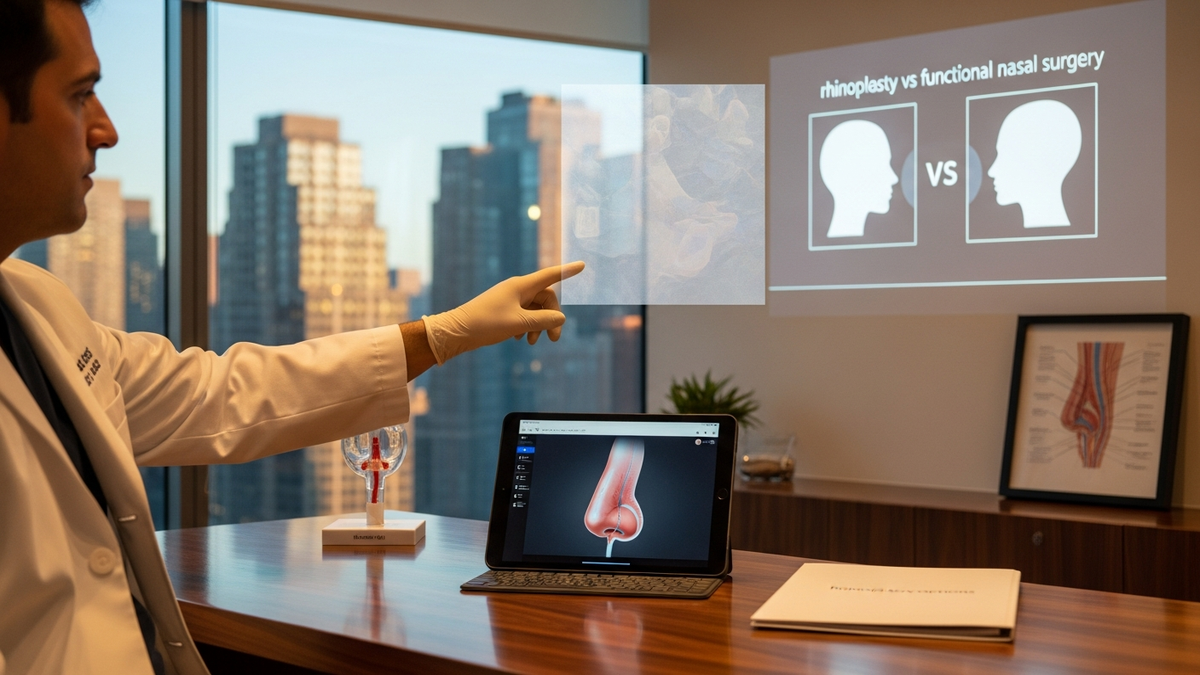
Rhinoplasty vs. Functional Nasal Surgery: Understanding the Difference
Many people think rhinoplasty is the only answer for nasal concerns. But modern head and neck surgery often starts with function first—especially when chronic congestion, sinusitis, or difficulty breathing is involved.
Dr. Hootan Zandifar focuses on cosmetic and reconstructive surgery of the head and neck, with a strong emphasis on functional nasal surgery for chronic symptoms of nasal congestion and sinusitis. In certain cases, less invasive procedures than rhinoplasty can permanently alleviate symptoms that make it hard to breathe and improve quality of life.
Common functional nasal issues
- Deviated septum (septum not straight, obstructing airflow)
- Enlarged nasal turbinates (contributing to a long-term “stuffy nose”)
- Nasal valve collapse (a common cause of airflow limitation)
- Septal perforation (a hole through the septum causing symptoms)
- Chronic sinus drainage problems (sometimes treated with balloon sinuplasty or endoscopic sinus surgery)
For example, if your symptoms align with a deviated septum, your surgeon may discuss Septoplasty and review the role of the Deviated Septum.
When People Say “Nose Job,” What Goals Are They Usually Referring To?
Patients typically seek rhinoplasty for one or more goals:
- Cosmetic goals: refine the bridge, reshape the tip, improve balance with facial features, or correct asymmetry
- Functional goals: improve airflow, reduce chronic obstruction, or support nasal breathing
- Reconstructive goals: address deformity from injury, congenital differences, or prior surgery
In consultations, a skilled surgeon will often discuss both appearance and breathing. That’s because the nose is a complex structure, and the best outcomes typically require a tailored plan.
How Rhinoplasty Is Planned (A Patient-Centered Approach)
A premium rhinoplasty experience isn’t just about the procedure itself—it’s about planning. That planning includes your anatomy, your history, and your desired outcome.
1) Consultation and facial analysis
You can expect a careful evaluation of:
- Nasal proportions in relation to the face
- Skin thickness and how it may affect tip definition
- Soft tissue balance and symmetry
- Functional contributors to congestion or breathing difficulty
2) Discussion of realistic outcomes
A trustworthy surgeon will explain what’s possible and what isn’t. This includes discussing:
- Expected changes (and limitations)
- How healing affects the final look
- Potential risks and how they’re managed
- How to prepare for surgery and recovery
3) Technique selection
Rhinoplasty techniques can vary. Your surgeon may choose approaches based on the structures involved and your specific goals. If the primary issue is breathing, functional options may be recommended.
Non-Rhinoplasty Options for Breathing and Congestion
If your main concern is chronic congestion, it may be helpful to know that not every nasal problem requires rhinoplasty.
Septoplasty for airflow obstruction
Septoplasty straightens the nasal cartilage and corrects a crooked septum that obstructs one or both nostrils. If you’re exploring Septoplasty, your surgeon will evaluate whether the septum is a primary driver of symptoms.
Inferior turbinate reduction for a “stuffy nose”
When turbinates are enlarged, they can negatively affect airflow and cause long-term congestion. Inferior turbinate reduction is often considered for patients with chronic nasal obstruction and sleep-related breathing concerns.
Nasal valve collapse treatments
Some patients experience breathing limitations due to nasal valve collapse. Depending on severity, non-surgical approaches may include steroid or non-steroid allergy medications and other non-invasive treatments aimed at opening the airway. Surgical options may include procedures such as Latera implant or Vivair treatment in appropriate cases.
Balloon sinuplasty and endoscopic sinus surgery
If sinus blockage contributes to chronic symptoms, minimally invasive options like balloon sinuplasty may help open blocked sinus passages. For more complex chronic sinusitis, endoscopic sinus surgery can restore normal sinus function by widening sinus passages and improving mucus drainage.
Allergy management (including SLIT)
Allergies can affect your ability to breathe efficiently through the nose. Sublingual immunotherapy (SLIT)—a no-shot method—may be an option for certain patients, helping reduce allergic triggers over time.
Rhinoplasty Recovery: What to Expect (General Timeline)
Recovery varies by technique, individual healing, and whether functional components are addressed. Still, there are common phases people plan around.
Early recovery (first days to 1 week)
- Swelling and bruising are common
- You may have nasal congestion or packing depending on your plan
- Your surgeon may provide specific instructions for cleaning, medications, and activity limits
Intermediate healing (weeks 2 to 6)
- Swelling gradually improves, though some puffiness may persist
- Most patients return to non-strenuous routines based on surgeon guidance
- Follow-up appointments help monitor healing
Longer-term results (months)
Nasal healing continues beyond the first month. Many people notice changes in shape and definition over time. Final results can take several months to fully develop, depending on your body and the specifics of your surgery.
How to Choose the Right Surgeon for Rhinoplasty
Choosing a surgeon is one of the most important decisions you’ll make. Look for someone who combines technical skill with a commitment to patient education and natural-looking outcomes.
What to look for in a facial plastic surgeon
- Board certification and fellowship training relevant to head and neck surgery
- Experience with both aesthetic and functional nasal concerns (when applicable)
- Transparent communication about risks, limitations, and expected results
- Natural aesthetic philosophy (proportions and harmony, not “cookie-cutter” changes)
- Patient education that helps you make informed choices
Dr. Hootan Zandifar is a board-certified Facial Plastic & Reconstructive Surgeon known for an honest, trustworthy, and compassionate approach. His focus on the head and neck allows for an integrated evaluation of both appearance and function. He also emphasizes patient education—so you understand your options before committing to a plan.
Rhinoplasty and Other Facial Procedures: Keeping Your Whole Face in Mind
Many patients consider multiple procedures over time. If you’re thinking about broader rejuvenation or facial balance, it’s helpful to discuss your timeline with your surgeon.
Face lift and eyelid surgery (common “paired” goals)
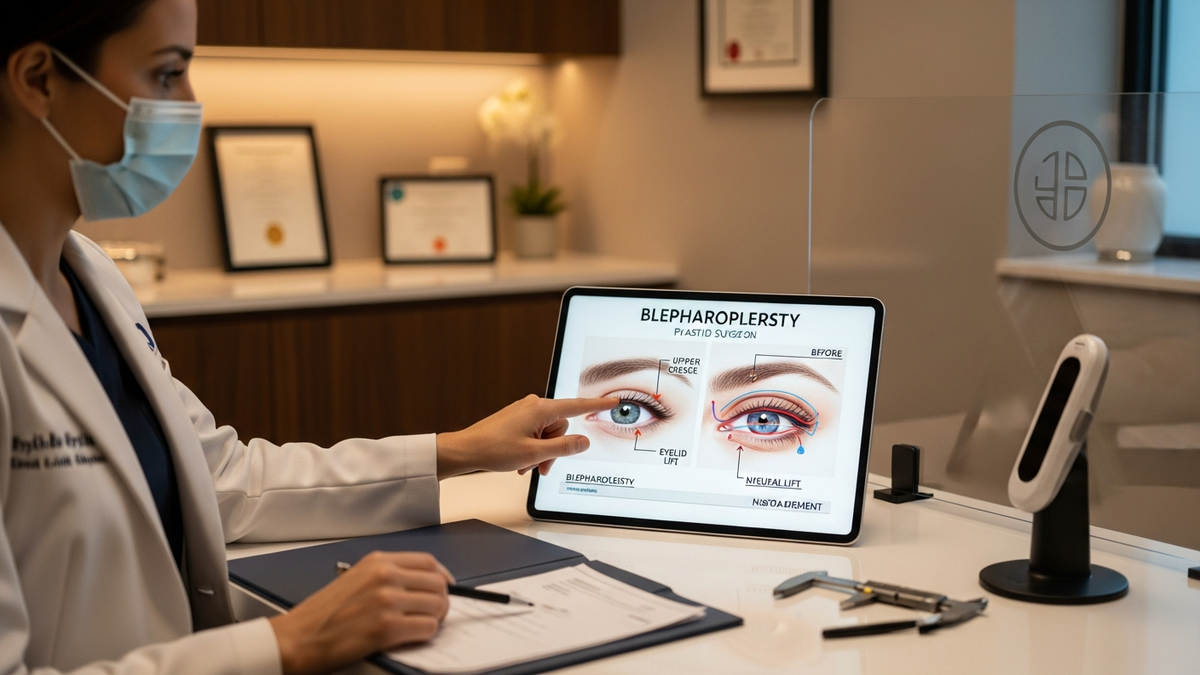
Some patients pursue Facelift or Blepharoplasty alongside nasal refinement to address overall aging and facial harmony. Your surgeon can help you decide what to prioritize first and how to coordinate recovery.
Frequently Confused Terms: Rhinoplasty, Septoplasty, and More
If you’re trying to speak confidently during appointments, it helps to know the difference between terms that sound similar.
Rhinoplasty
Typically focuses on the shape of the nose and may also improve function depending on the plan.
Septoplasty
Focuses on straightening the nasal septum to improve airflow (often addressing breathing obstruction).
Why this matters
If you’re dealing with chronic congestion, you may not need rhinoplasty to get meaningful relief. A functional approach can sometimes address the root cause—while still supporting your aesthetic goals.
Actionable Prep Tips Before Your Consultation
If you’re searching for rhinoplasty pronunciation, you’re likely also preparing to ask the right questions. Here are practical steps to help you get the most out of your appointment.
1) Write down your goals (appearance and breathing)
- What do you want to change about your nose?
- Do you have congestion, sinus symptoms, or breathing limitations?
- What does your ideal outcome look like to you?
2) Bring a symptom timeline
For functional concerns, details matter:
- When symptoms started
- What makes them worse or better
- Previous treatments tried
3) Prepare questions in advance
Consider asking:
- Am I a candidate for rhinoplasty, or would functional nasal surgery address my symptoms more directly?
- How will my breathing be evaluated?
- What technique do you recommend and why?
- What is the recovery timeline for my situation?
- How do you approach natural-looking results?
4) Learn key terms so you can communicate clearly
Besides rhinoplasty pronunciation, familiarize yourself with related terms you might hear, such as nasal valve collapse, turbinates, septum, and chronic sinusitis.
Choosing the Right Procedure When Your Concern Isn’t Only Aesthetic
Sometimes people pursue rhinoplasty because they want a refined nose. But if you also have chronic congestion or sinusitis, you may benefit from a functional evaluation first.
Dr. Zandifar offers functional nasal procedures that can be less invasive than rhinoplasty in the right circumstances—aimed at permanently alleviating symptoms that affect breathing and quality of life. This patient-first approach helps ensure the plan matches the problem.
Rhinoplasty Pronunciation in Real Conversations: Example Phrases
Want to sound natural when you talk to a clinic? Here are a few example phrases you can practice:
- “I’d like to schedule a consultation for rhinoplasty.” (RY-noh-plas-tee)
- “I’m also concerned about breathing—do I need functional nasal surgery instead?”
- “Can you explain the difference between rhinoplasty and septoplasty?”
- “What outcome would be realistic for my nasal tip and bridge?”
FAQ: Rhinoplasty Pronunciation and Procedure Basics
1) How do you pronounce rhinoplasty?
Most people pronounce it as RY-noh-plas-tee. The emphasis is on the “RY” sound at the beginning.
2) Is rhinoplasty only for appearance?
Not always. While rhinoplasty is commonly known as a cosmetic “nose job,” in select cases it may also help improve nasal function. Your surgeon will evaluate your anatomy and goals to determine the best approach.
3) What’s the difference between rhinoplasty and septoplasty?
Rhinoplasty primarily focuses on reshaping the nose. Septoplasty focuses on straightening the nasal septum to improve airflow. Some patients may need one, the other, or a combined strategy depending on their condition.
4) How long does rhinoplasty recovery take?
Recovery varies, but swelling and bruising are usually most noticeable early on. Many patients return to non-strenuous activities within weeks, while final results may take several months to fully develop.
5) Should I consider functional nasal surgery if I have chronic congestion?
Possibly. If congestion, sinusitis, or breathing limitations are part of your story, a functional evaluation can identify structural causes. In appropriate cases, functional procedures may be less invasive than rhinoplasty.
CTA: Ready to Explore Your Options?
If you’re considering nasal refinement or you’re searching for relief from congestion, FlowGeniQ Digest recommends starting with a consult where your goals—appearance and breathing—are addressed together.
To learn more about rhinoplasty in Beverly Hills, visit Rhinoplasty. And if your concerns are primarily functional, explore options such as Septoplasty and related nasal procedures through a specialist evaluation.
Remember: The best plan is individualized. Share your symptoms, your aesthetic goals, and your questions—then let a qualified surgeon guide you toward the safest, most effective path.
Professional Disclaimer
This content is provided for general educational purposes only by FlowGeniQ Digest. It is not a substitute for professional advice, diagnosis, or treatment. Readers are advised to consult qualified professionals for personalized recommendations.
Medical Information Disclaimer
This content is provided for general educational purposes only by FlowGeniQ Digest. It is not a substitute for professional advice, diagnosis, or treatment. Readers are advised to consult qualified professionals for personalized recommendations.