FlowGeniQ Digest brings you an evidence-informed, patient-friendly overview of rhinoplasty open—including what the open technique involves, how recovery typically unfolds, and what factors influence long-term results. If you’re searching for answers before your consultation, this guide can help you feel more prepared for an informed discussion with a board-certified facial plastic surgeon.
Open rhinoplasty is one of the most commonly discussed surgical approaches for reshaping the nose. It can be especially valuable when a surgeon needs precise control of internal nasal structures to address both appearance and, in appropriate cases, breathing.
What is rhinoplasty open?
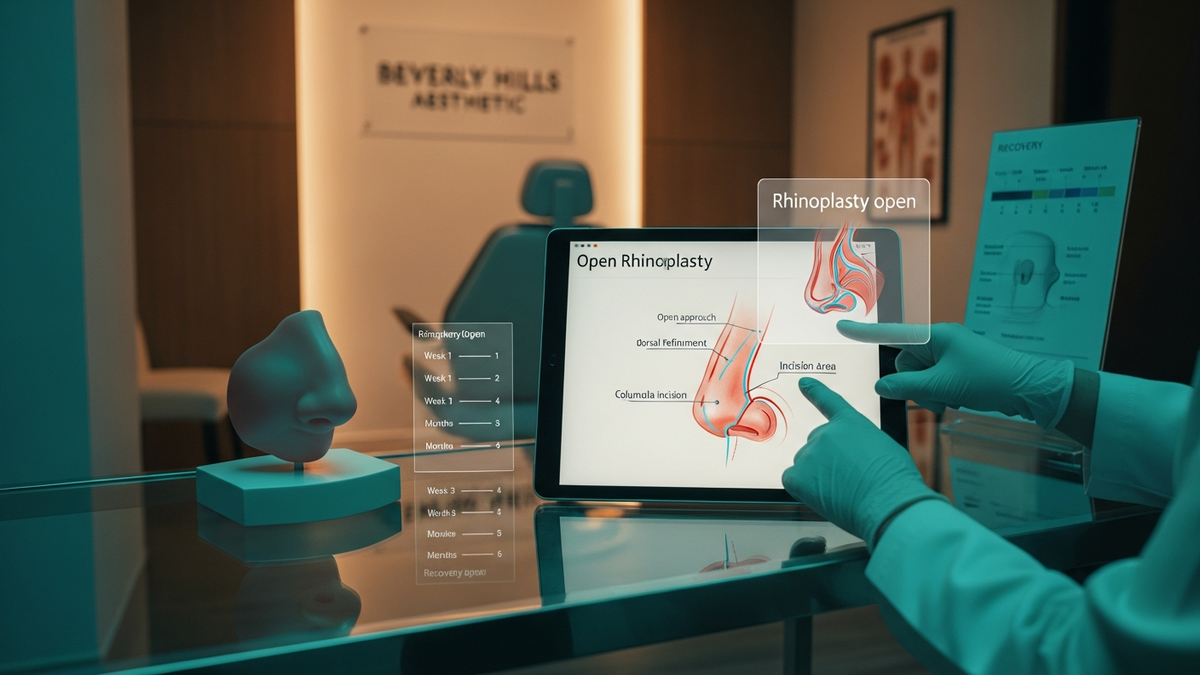
Open rhinoplasty is a surgical approach in which the surgeon makes an incision across the columella (the small strip of tissue between the nostrils). This allows the surgeon to gently lift the skin and gain direct visualization of the underlying nasal framework.
Because the surgeon can see and work on key structures more directly, the open technique is often chosen for complex reshaping—such as significant tip refinement, revision rhinoplasty, or cases that require careful structural support.
Why surgeons choose the open approach
While both open and closed rhinoplasty can produce excellent outcomes, open rhinoplasty is frequently recommended when precise structural work is needed. Your surgeon may suggest the open approach if you have goals that involve the tip, cartilage repositioning, or internal support.
Common reasons open rhinoplasty may be recommended
- Tip refinement (e.g., improving rotation, projection, or symmetry)
- Revision rhinoplasty (correcting prior surgical results)
- Structural support needs (e.g., addressing weakness or collapse)
- Complex nasal anatomy requiring careful graft placement
- Subtle aesthetic goals where direct visualization helps fine-tune contours
At FlowGeniQ Digest, we emphasize that the “best” technique is individualized. The open approach is not automatically superior—it’s simply a tool that can be ideal for certain anatomical and aesthetic goals.
Open rhinoplasty vs. closed rhinoplasty: what’s the difference?
Understanding the differences can help you ask better questions at your consultation.
Key distinctions
- Incision location: Open rhinoplasty includes a small incision at the columella; closed rhinoplasty keeps incisions inside the nostrils.
- Visualization: Open provides direct views of nasal structures; closed relies more on limited access and maneuvering.
- Typical use cases: Open is often selected for more complex or revision cases; closed may be suitable for less complex adjustments.
- Scar considerations: Open rhinoplasty involves a small external scar that typically fades over time.
Both approaches can be tailored to achieve natural results. Your surgeon’s experience with your specific anatomy matters as much as the technique itself.
How rhinoplasty open works (step-by-step)
Exact steps vary by patient and plan, but the overall process typically follows a similar framework:
- Preoperative assessment: A detailed facial analysis, nasal exam, and discussion of both aesthetic goals and breathing concerns.
- Planning: Your surgeon maps out structural changes, cartilage support strategies, and target proportions.
- Anesthesia: Open rhinoplasty is commonly performed under general anesthesia.
- Columella incision and exposure: The surgeon makes the open approach incision and gently elevates the skin for visualization.
- Framework reshaping: Cartilage and bone may be reshaped, repositioned, or supported depending on the plan.
- Tip refinement and stability: Tip cartilage may be reorganized; grafts may be used to enhance support and control.
- Closure: Incisions are closed carefully to optimize healing and minimize visible scarring.
- Splinting and postoperative care: External splints or internal support may be used to protect the new structure.
If you’re also exploring cosmetic options beyond the nose, many patients compare overall facial rejuvenation plans—such as Facelift—to ensure their results look balanced as healing progresses.
Who is a good candidate for rhinoplasty open?
Good candidates generally have clear aesthetic goals and realistic expectations, and they understand the healing timeline. Open rhinoplasty may be particularly helpful if your surgeon needs direct access to the nasal tip and internal framework.
Consider open rhinoplasty if you have:
- A desire for tip rotation, projection, or refinement
- Asymmetry that requires careful correction
- Post-surgical changes that need revision
- A nasal structure that benefits from graft-based support
- Complex anatomy where visualization can improve precision
It’s also important to recognize that not all breathing issues are best addressed with rhinoplasty alone. Functional nasal problems may require different strategies.
Rhinoplasty open and breathing: aesthetics vs. function
Many patients want their nose to look better—and breathe better. In some cases, rhinoplasty can improve airflow by addressing structural contributors. In other cases, a functional nasal procedure may be more appropriate.
When functional surgery might be considered
For chronic nasal congestion, difficulty breathing, or sinus-related symptoms, your surgeon may evaluate whether functional procedures could help before (or alongside) aesthetic surgery.
- Deviated septum: A Septoplasty can straighten the nasal cartilage when the Deviated Septum obstructs airflow.
- Enlarged turbinates: Inferior turbinate reduction can help relieve a long-term “stuffy nose.”
- Nasal valve collapse: Depending on severity, options may include non-surgical treatments or surgical repair.
- Chronic sinus issues: Conditions like chronic sinusitis may be addressed with balloon sinuplasty or endoscopic sinus surgery.
FlowGeniQ Digest also encourages patients to view nasal care as a head-and-neck specialty issue—where expertise in both aesthetics and function can matter.
Recovery timeline after rhinoplasty open
Recovery varies by person and by surgical complexity, but the general timeline for rhinoplasty open often follows predictable phases.
What most patients experience
- First 1–2 weeks: Swelling and bruising are most noticeable. Splints/stitches (if used) are managed by your surgeon. Many people return to light activities gradually.
- Weeks 2–6: Swelling begins to settle. Some external swelling may still fluctuate, and the nose may look different than expected day-to-day.
- Months 2–6: Refinement becomes more apparent. Tip definition often continues to improve.
- Months 6–12+: Healing and subtle changes continue. Final results can take a year or longer to fully mature.
It’s normal for swelling to be uneven—meaning one side may look different at times. This does not necessarily indicate a problem; it’s part of the natural healing process.
Swelling and numbness: normal patterns
Patients commonly report temporary numbness or altered sensation around the nose and upper lip. Bruising typically resolves first, while deeper swelling can persist longer—especially at the tip.
Pain, discomfort, and medication expectations
Most patients describe rhinoplasty recovery as manageable discomfort rather than severe pain. Your surgeon may prescribe medications to control pain and reduce swelling. Follow your surgeon’s instructions carefully.
Practical tips during recovery
- Sleep with your head elevated to help reduce swelling.
- Avoid pressure on the nose; don’t rest glasses directly on the bridge unless your surgeon approves a method.
- Use cold compresses only if approved by your surgeon and within the recommended schedule.
- Stay hydrated and follow dietary guidance.
- Avoid smoking and nicotine products, which can impair healing.
If you have questions about medications, allergies, or interactions, ask your surgeon or care team before taking anything new.
Risks and potential complications of rhinoplasty open
All surgeries carry risk. A high-quality consultation should include a clear discussion of potential complications and how your surgeon reduces risk.
Commonly discussed risks
- Temporary swelling and asymmetry during healing
- Bleeding or bruising
- Infection (uncommon with proper sterile technique and care)
- Scarring at the columella incision (typically fades over time)
- Changes in sensation (often temporary)
- Airflow issues (rare, but important to evaluate preoperatively)
- Need for revision (sometimes required for complex outcomes)
Choosing a surgeon with extensive experience in head-and-neck facial plastic surgery can help improve both safety and aesthetic precision.
How to prepare for rhinoplasty open
Preparation can influence comfort, healing, and overall results. Use this checklist to guide your preoperative planning.
Actionable pre-op steps
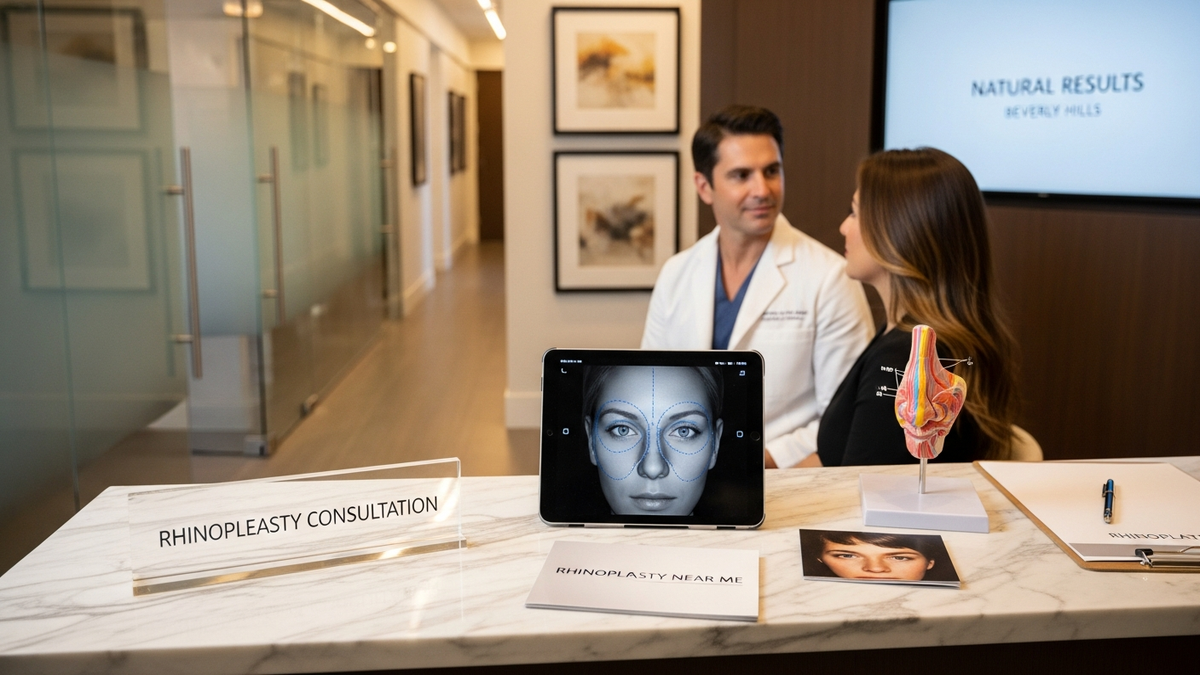
- Schedule your consultation with a board-certified facial plastic and reconstructive surgeon.
- Bring photos of noses you like (and explain what you like about them).
- Disclose your medical history, including allergies, medications, and prior surgeries.
- Follow medication guidance regarding blood thinners and supplements.
- Arrange support for the first few days post-op (transportation and help with daily tasks).
- Plan your time off based on your job demands and your surgeon’s instructions.
If you’re also considering other head-and-neck aesthetic procedures, discuss timing. For example, some patients explore eyelid surgery like Blepharoplasty or even hair restoration such as a hair transplant—but sequencing matters for recovery comfort and overall facial harmony.
What to ask your surgeon about rhinoplasty open
A strong consultation is more than signing paperwork—it’s where you align surgical technique, goals, and realistic outcomes.
High-value questions
- Is open rhinoplasty the best approach for my anatomy?
- What specific changes will you make to the tip, bridge, and internal support?
- Will you use grafts? If so, what type and why?
- How do you assess breathing issues before surgery?
- What does my recovery timeline look like given my case complexity?
- What are your revision rates (if you track outcomes)?
- How do you manage scarring at the columella?
- Can you show before-and-after results that match my goals?
At FlowGeniQ Digest, we recommend choosing a surgeon who prioritizes education and transparency—so you feel confident in every step of the plan.
Natural-looking results: the role of planning and technique
One reason patients seek open rhinoplasty is the ability to precisely reshape the nasal framework. Natural results depend on a surgeon’s ability to balance proportions, maintain structural integrity, and refine the tip with controlled adjustments.
What “natural” should mean to you
- Proportional harmony: Your nose should fit your face rather than look “overdone.”
- Tip definition: Subtle changes can create a refined look without looking artificial.
- Symmetry over time: Healing can temporarily mask symmetry; final results should be evaluated after maturation.
- Function as a priority: If breathing is a concern, it should be addressed thoughtfully.
If you’d like to explore the broader topic of cosmetic nasal surgery, you can review Rhinoplasty information from a facial plastic and reconstructive perspective.
Where to find expertise: head-and-neck specialization matters
Rhinoplasty is both an aesthetic and functional procedure. That’s why many patients benefit from working with a surgeon who focuses on head-and-neck cosmetic and reconstructive surgery.
In Los Angeles and Beverly Hills, Dr. Hootan Zandifar is known for an honest, trustworthy, and compassionate approach and for offering advanced techniques tailored to the patient’s goals. As a board-certified Facial Plastic & Reconstructive Surgeon, he focuses on head-and-neck procedures and emphasizes patient education so individuals can make well-informed decisions.
FlowGeniQ Digest highlights that when nasal concerns involve breathing, congestion, or sinus symptoms, a surgeon who understands functional nasal anatomy can help you explore options—whether that ultimately involves rhinoplasty or function-focused procedures.
Alternatives and complementary procedures to consider
Depending on your goals, rhinoplasty may be only one part of your transformation plan.
Potential complementary options
- Eyelid rejuvenation: For a more refreshed eye area, some patients consider Blepharoplasty.
- Facial aging support: Patients seeking overall facial balance may discuss Facelift options.
- Hair restoration: Some patients also pursue a hair transplant or eyebrow transplant to refine facial harmony.
Always discuss timing and recovery sequencing with your surgeon(s). Your plan should be coordinated to support comfort and optimized healing.
FAQ: Rhinoplasty open
How long does rhinoplasty open take?
Operative time varies based on complexity, whether grafts are used, and whether additional functional steps are planned. During your consultation, your surgeon can provide a range tailored to your case.
Will there be an external scar with rhinoplasty open?
Yes. Open rhinoplasty typically involves a small incision at the columella. The scar usually fades over time, but individual healing varies. Your surgeon should explain scar management strategies and what to expect.
When can I return to work after rhinoplasty open?
Many patients return to light work within about 1–2 weeks, depending on swelling/bruising and job demands. More physically demanding work may require longer. Follow your surgeon’s guidance.
Does rhinoplasty open improve breathing?
It can, depending on the cause of breathing difficulty and the structures involved. However, some breathing issues are better addressed with functional procedures such as Septoplasty or turbinate reduction. A thorough evaluation is essential.
When will I see my final results?
Visible changes begin early, but final refinement often takes months. Many patients evaluate results around 6–12 months, with subtle improvements continuing beyond that as tissues fully mature.
CTA: Ready to explore rhinoplasty open with a personalized plan?
If you’re considering rhinoplasty open, the next step is a consultation where your anatomy, goals, and breathing concerns can be assessed in detail. FlowGeniQ Digest encourages you to choose a qualified, board-certified facial plastic and reconstructive surgeon who prioritizes education, transparency, and natural-looking outcomes.
Schedule your consultation to discuss whether the open approach is right for you, what recovery timeline to expect, and how your surgeon can help you achieve both aesthetic goals and safe, functional results.
Professional Disclaimer
This content is provided for general educational purposes only by FlowGeniQ Digest. It is not a substitute for professional advice, diagnosis, or treatment. Readers are advised to consult qualified professionals for personalized recommendations.
Medical Information Disclaimer
This content is provided for general educational purposes only by FlowGeniQ Digest. It is not a substitute for professional advice, diagnosis, or treatment. Readers are advised to consult qualified professionals for personalized recommendations.