FlowGeniQ Digest created this educational overview to help you understand the blepharoplasty medical term—and what it means in real-world terms for your eyes, vision, and confidence. If you’ve noticed drooping upper lids, persistent under-eye puffiness, or skin that makes you look “tired” even when you’re well-rested, blepharoplasty may be the conversation worth having with a qualified facial plastic surgeon.
In this article, you’ll learn what blepharoplasty is, the differences between upper eyelid and lower eyelid surgery, common reasons people pursue it, how outcomes are planned for a natural look, and what recovery typically involves. We’ll also cover key safety considerations, so you can make informed decisions.
What is the blepharoplasty medical term?
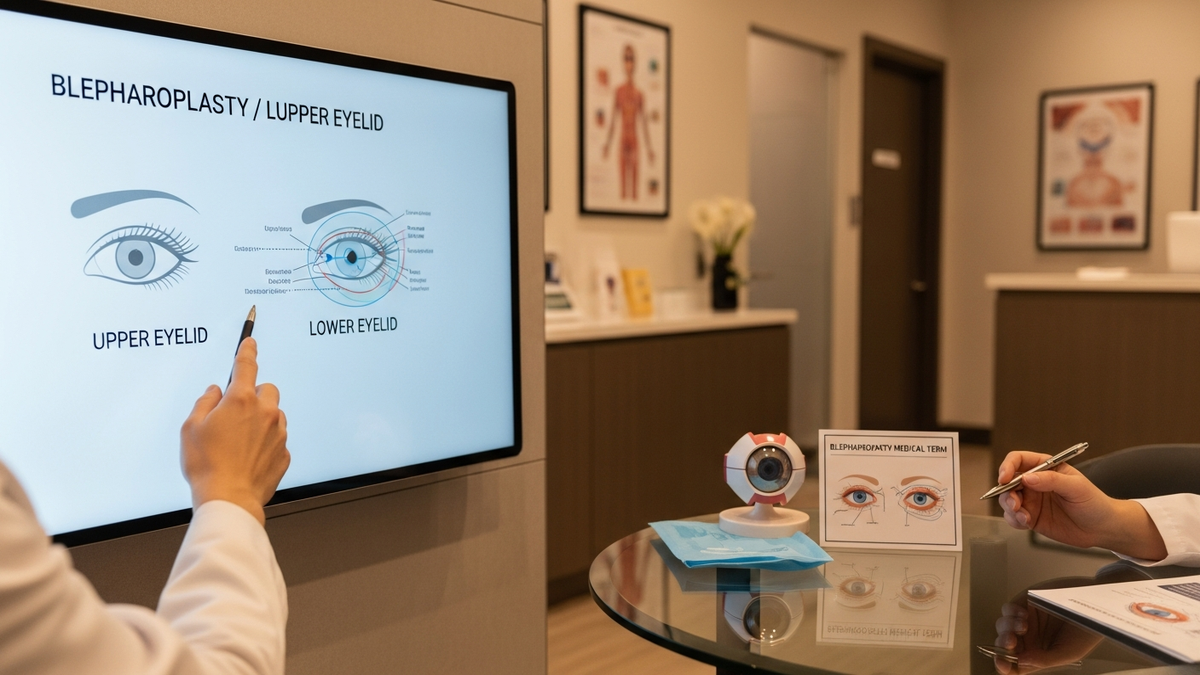
The blepharoplasty medical term refers to a surgical procedure that reshapes the eyelids. The goal is usually to improve both appearance and, in some cases, function. Depending on your anatomy and concerns, surgery may address:
- Upper eyelids: excess skin, heaviness, or drooping that can create a tired or aged look
- Lower eyelids: under-eye puffiness, fullness, or skin laxity
- Eye-area balance: how eyelids, brow position, and facial proportions work together
Blepharoplasty is most often described as “eyelid surgery,” but the medical terminology matters because it reflects a structured approach: surgeons evaluate eyelid anatomy, eyelid function, and the surrounding tissues that influence how the eyes look and work.
Upper vs. lower blepharoplasty: what’s the difference?
Upper eyelid blepharoplasty
Upper eyelid surgery targets excess skin or tissue in the upper lids. Many patients pursue upper blepharoplasty because the eyelid skin can fold over the lash line and cast a shadow over the eyes—making you look older, even if your face hasn’t changed dramatically elsewhere.
In certain cases, excess upper-lid tissue can also contribute to functional complaints, such as feeling like your vision is blocked or limited. The eyelids are not just cosmetic structures; they play a role in the way you see and blink.
Lower eyelid blepharoplasty
Lower eyelid surgery focuses on under-eye concerns. These may include:
- Persistent puffiness
- Lower-lid skin laxity
- Fullness that can appear like “bags”
- Uneven transitions between the lower lid and cheek
Because the lower eyelid is delicate and closely related to tear drainage and facial soft tissue movement, planning matters. A thoughtful surgeon aims to refresh the under-eye area while preserving natural contours and avoiding an overly “tight” look.
Why do people consider blepharoplasty?
People seek blepharoplasty for many reasons—some purely cosmetic, others partly functional. Common motivations include:
- Tired appearance: upper lid heaviness or under-eye puffiness that doesn’t match your energy level
- Aging changes: skin laxity and fat redistribution over time
- Genetic traits: naturally heavier lids or under-eye fullness present for years
- Vision obstruction: in select cases, excess upper-lid skin can interfere with visual fields
- Comfort and confidence: feeling better about your appearance and how you present yourself
At Hootan Zandifar, MD, FACS, the emphasis is on natural-looking results and patient education—so you understand what’s possible, what’s not, and how to plan for the outcome that fits your anatomy and goals.
How surgeons plan eyelid surgery for natural results
One reason the blepharoplasty medical term can feel confusing is that “eyelid surgery” can mean different techniques. A premium result depends on individualized planning, including:
1) Eyelid anatomy assessment
A surgeon evaluates eyelid skin quality, eyelid position, lash line anatomy, and how the eyelid moves. The goal is to tailor the amount of correction rather than apply a one-size-fits-all approach.
2) Eye surface health and dryness risk
Because eyelid surgery can affect blink dynamics and tear film, your surgeon should assess whether you have dry eye symptoms or other ocular surface concerns. This is especially important for patients who already experience irritation, burning, or fluctuating vision.
3) Brow position and facial balance
The eyelids don’t exist in isolation. Brow position can influence the apparent height of the upper lid. In some cases, a brow lift (also known as a forehead lift or browplasty) may be considered alongside or instead of blepharoplasty to address the true source of the “heavy lid” look.
What happens during blepharoplasty?
While every case is unique, eyelid surgery typically follows a structured process. During your consultation, your surgeon reviews your goals and performs an exam. If you move forward, you’ll receive preoperative instructions tailored to your health and medication profile.
Typical surgical approach (high level)
For upper eyelids, incisions are usually placed in natural skin folds so scars are less noticeable. Excess skin and, if appropriate, small amounts of tissue may be removed or repositioned.
For lower eyelids, the surgeon may address skin laxity and fullness with techniques that preserve natural contours. The exact method depends on whether the main concern is skin, fat, muscle tone, or transitions between the lid and cheek.
Important: Your surgeon should explain the planned technique, expected swelling/bruising, and realistic outcomes for your specific anatomy.
Is blepharoplasty medical term only cosmetic?
Blepharoplasty can be cosmetic, functional, or both. The blepharoplasty medical term itself doesn’t limit the procedure to appearance alone. Many patients report that refreshed eyelids also help with day-to-day comfort—particularly when excess upper-lid tissue contributes to a feeling of visual blockage.
That said, functional claims should be evaluated carefully. If you have symptoms like persistent visual field obstruction, your surgeon may recommend additional assessment to document the functional impact before surgery.
Recovery timeline: what to expect after eyelid surgery
Recovery varies by individual, but most patients can expect a predictable pattern of swelling and bruising. A typical recovery experience includes:
- First few days: swelling and possible bruising; cold compresses may be recommended
- First 1–2 weeks: gradual improvement; many patients return to lighter activities as advised
- Weeks 3–6: continued refinement of swelling; final contour and subtle changes become clearer
Your surgeon will provide individualized post-op instructions, including how to care for incisions, what activities to avoid, and when follow-up visits are scheduled. Following these instructions closely helps support healing and reduces complication risk.
Potential risks and side effects (and how to reduce them)
Any surgery has risks. A responsible consultation addresses both benefits and potential downsides. While many patients heal smoothly, possible risks may include:
- Dry eye symptoms or temporary irritation
- Swelling and bruising that can take time to settle
- Asymmetry during healing (often improves over time)
- Scarring (usually less noticeable when incisions are placed thoughtfully)
- Rare complications that require prompt medical attention
How do you reduce risk? Start with good patient selection and planning:
- Choose a qualified facial plastic surgeon experienced with eyelid anatomy and function.
- Be transparent about your eye health (dry eye, allergies, contact lens use, prior surgeries).
- Follow medication guidance before and after surgery.
- Attend follow-ups so healing can be monitored.
Blepharoplasty vs. non-surgical eye rejuvenation
Not every eyelid concern requires surgery. Non-surgical options can help certain issues, especially mild skin laxity or early puffiness. However, surgical correction is often considered when:
- Excess skin creates a persistent hooding effect
- Lower-lid fullness is structural rather than temporary
- Swelling is chronic and not responsive to lifestyle measures
- Vision obstruction is suspected
During your consultation, ask your surgeon to explain why surgery—or an alternative—makes sense for your case. A good plan aligns expectations with anatomy.
Who is a good candidate for blepharoplasty?
Ideal candidates generally include adults who are bothered by eyelid changes and are in good overall health. You may be a good candidate if you have:
- Upper eyelid skin excess or heaviness
- Under-eye puffiness or lower-lid skin laxity
- A desire for a refreshed, natural look rather than an exaggerated transformation
- Realistic expectations and willingness to follow pre- and post-op instructions
Candidacy also depends on eye surface health, blink function, and brow position. Those factors are part of why a detailed evaluation matters.
How to prepare for eyelid surgery
Preparation can improve comfort and support healing. Your surgeon may advise:
- Medication review: discuss blood thinners, supplements, and any chronic medications
- Smoking considerations: quitting or reducing smoking can support circulation and healing
- Arrange transportation: plan for help during the first day
- Prepare recovery supplies: cold compresses, prescribed ointments, and comfortable head elevation
- Follow fasting instructions if anesthesia is used
If you’re in the Los Angeles/Beverly Hills area, you can also ask how the surgical team coordinates scheduling, pre-op testing, and post-op follow-up.
Choosing a surgeon: what to look for
When selecting a surgeon for blepharoplasty, prioritize credentials, experience, and communication. Consider asking:
- How many eyelid procedures do you perform each year?
- Can you explain how you tailor upper vs. lower eyelid techniques to anatomy?
- How do you manage dry eye risk and eye surface health?
- What does recovery look like for patients similar to me?
- Can you show before-and-after photos of comparable cases?
At Hootan Zandifar, MD, FACS, the approach is education-forward and centered on natural-looking, head-and-neck-focused surgical excellence. Patients are guided through expectations, planning, and healing support—so they feel informed and confident.
If you’d like to review blepharoplasty options specifically, you can explore Blepharoplasty.
Related facial procedures: when blepharoplasty is part of a larger plan
Sometimes, eyelid rejuvenation is complemented by other facial procedures to harmonize the full upper face. For example:
- Facelift may be considered for mid-to-lower facial aging patterns. Learn more about Facelift.
- Brow lift can address brow position that contributes to upper-lid heaviness.
- Neck lift may improve lower face and neck aging for overall balance.
These decisions are highly individualized. The best plan is the one that addresses the true source of your concerns with the least necessary intervention.
Frequently searched terms around blepharoplasty
People often search for related terms to understand what the procedure involves. Here are clear definitions you may find helpful:
- Blepharoplasty: eyelid surgery to reshape the upper and/or lower eyelids.
- Upper eyelid surgery: typically targets excess skin and tissue in the upper lid.
- Lower eyelid surgery: typically targets under-eye puffiness, fullness, or skin laxity.
- Eyebrow lift (browplasty): raises the brow to improve the appearance and, in some cases, reduce vision obstruction.
For patients comparing procedures, it’s useful to ask your surgeon how eyelid changes interact with brow position and overall facial aging.
FAQ: Blepharoplasty medical term questions
1) What does the blepharoplasty medical term mean in simple language?
In simple terms, blepharoplasty means eyelid surgery—a procedure that reshapes the upper and/or lower eyelids to address excess skin, puffiness, and tired-looking eyes.
2) Is blepharoplasty only for older adults?
No. Some patients are younger and seek surgery due to genetic eyelid traits or early structural changes. The key factor is whether your anatomy and eye health support safe, appropriate correction.
3) Will I have visible scars after blepharoplasty?
Surgeons typically place incisions in natural eyelid folds or discreet areas to minimize scar visibility. Healing varies by person, but scars often become less noticeable over time.
4) How long does recovery take?
Swelling and bruising commonly improve over the first couple of weeks, with continued refinement over several weeks. Your surgeon will provide a personalized timeline based on upper vs. lower eyelid work and your healing pattern.
5) Can blepharoplasty improve vision?
In select cases, upper eyelid excess can contribute to functional visual field obstruction. A qualified surgeon can assess whether your eyelid anatomy may be affecting vision and discuss whether surgery could help.
CTA: Schedule an eyelid consultation with a facial plastic surgeon
If you’re exploring the blepharoplasty medical term and wondering whether upper or lower eyelid surgery is right for you, the next step is a consultation. During your visit, a qualified surgeon can evaluate your eyelid anatomy, discuss your goals, and explain the most appropriate pathway—whether that’s blepharoplasty alone or a broader facial rejuvenation plan.
To learn more about eyelid surgery, you can start here: Blepharoplasty.
FlowGeniQ Digest encourages you to ask questions, review realistic outcomes, and choose a provider who prioritizes both natural aesthetics and eyelid function.
Professional Disclaimer
This content is provided for general educational purposes only by FlowGeniQ Digest. It is not a substitute for professional advice, diagnosis, or treatment. Readers are advised to consult qualified professionals for personalized recommendations.
Medical Information Disclaimer
This content is provided for general educational purposes only by FlowGeniQ Digest. It is not a substitute for professional advice, diagnosis, or treatment. Readers are advised to consult qualified professionals for personalized recommendations.