Published on FlowGeniQ Digest
For anyone exploring cosmetic enhancement, fat grafting breast augmentation has become an increasingly popular option—especially for patients who want subtle, natural-looking changes using their own tissue. Unlike traditional implant-based approaches, fat transfer relies on harvesting fat from one area of your body, processing it, and then carefully injecting it into the breasts to improve volume, contour, and symmetry.
This guide—grounded in widely accepted surgical principles and patient education priorities—walks you through how fat grafting breast augmentation works, who it’s best for, what results to realistically expect, and what risks to discuss with a qualified surgeon. We’ll also cover how to prepare, what recovery typically looks like, and which questions to ask before committing to surgery.
What Is Fat Grafting Breast Augmentation?
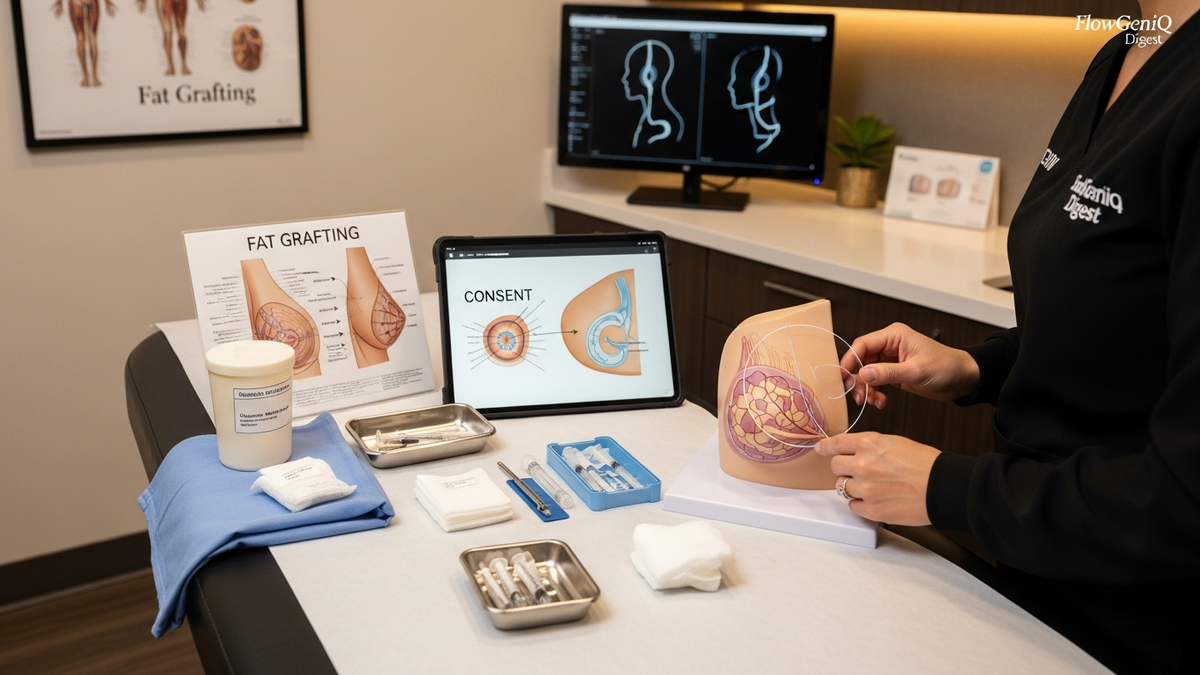
Fat grafting breast augmentation (also called autologous fat transfer or fat transfer breast augmentation) is a procedure that uses the patient’s own fat to augment the breasts. The surgeon harvests fat—commonly from areas such as the abdomen, flanks, thighs, or back—then processes the fat and injects it into targeted layers of the breast tissue.
The goal is not only to add volume, but to sculpt the breasts for a smoother contour. Many patients pursue fat transfer because it can provide a softer, more natural feel than implants, especially when the desired change is moderate.
How Fat Transfer Works: The Core Steps
While techniques vary by surgeon and facility, most fat grafting breast augmentation procedures follow a similar sequence:
- Initial consultation and planning: You and your surgeon review goals (size, shape, symmetry), medical history, prior surgeries, and imaging needs.
- Fat harvesting: Fat is removed using liposuction through small access points. The goal is to harvest enough viable fat while minimizing trauma to the tissue.
- Fat processing: Harvested fat is prepared using a standardized method (the exact approach varies). Processing aims to separate viable fat cells from other components.
- Injection and sculpting: The surgeon injects fat in planned areas to create a balanced breast shape. Injection technique and placement depth are critical for survival of transferred fat.
- Post-procedure monitoring: You’ll have follow-up visits to assess swelling, fat retention, and overall healing.
Why Patients Choose Fat Grafting Over Implants
Many patients are drawn to fat grafting breast augmentation for reasons that go beyond volume. Common priorities include:
- More natural look and feel: Because the result is made from your own tissue, many patients describe the feel as softer.
- Gradual, sculpted enhancement: Fat transfer can be tailored to address contour irregularities, not just size.
- Dual benefit: Liposuction harvests fat from another body area, potentially improving overall body proportions.
- No implant foreign body: For some patients, avoiding implants is a major emotional and practical preference.
Important: Fat grafting is not always a one-time “big jump” procedure. The amount of retained fat varies, and many patients need more than one session to reach their desired volume.
Fat Retention: What Results Are Realistic?
One of the most important topics in any discussion of fat grafting breast augmentation is fat survival and retention. Not all transferred fat persists long-term. Some fat cells will naturally die and be replaced by the body’s healing process.
While individual outcomes vary, surgeons typically plan around the fact that the final result may be less than the initial injected volume. Swelling can also temporarily change appearance during early recovery.
Factors that influence how much fat remains
- Harvest quality: Gentle technique and adequate fat viability matter.
- Processing method: Different processing approaches can affect viability.
- Injection technique: Layering, distribution, and placement influence survival.
- Your biology: Metabolic factors, healing response, and overall health play a role.
- Post-op care: Following surgeon instructions can support optimal healing.
Because of these variables, a board-certified surgeon should provide a personalized plan and a candid conversation about whether you’re likely to need one or multiple sessions.
Who Is a Good Candidate for Fat Grafting Breast Augmentation?
Ideal candidates often share certain characteristics. However, candidacy is individualized and should be determined by a qualified surgeon after a thorough evaluation.
Common candidacy considerations
- Desire for moderate volume: Fat transfer is commonly best for subtle to moderate augmentation and contour refinement.
- Adequate donor fat: You typically need enough fat in donor areas for harvesting.
- Good skin elasticity: Healthy skin and tissue quality support better shaping.
- Realistic expectations: Understanding that fat retention may require staged procedures.
- Stable health: Good general health supports healing and reduces complication risk.
Situations that may require special planning
- Prior breast surgery: Scar tissue and previous procedures may affect injection planning and imaging needs.
- Weight fluctuations: Significant future changes in weight can alter breast volume.
- Smoking or nicotine use: Nicotine can impair blood flow and healing, which may compromise fat survival.
- Medical conditions: Certain conditions or medications may require additional pre-op coordination.
Potential Benefits Beyond Volume
While fat grafting breast augmentation is often discussed as a way to add size, it can also improve:
- Asymmetry: Gentle correction of uneven volume or contour.
- Upper pole fullness: Targeted injections can help improve shape in specific regions.
- Softening of edges: Fat can smooth irregularities and transitions.
- Scars or contour defects: In select cases, fat transfer may help refine areas with depression or irregularities.
Risks and Side Effects You Should Know
Any surgical procedure involves risks. A responsible surgeon will discuss complications clearly and help you weigh risks relative to your goals.
Common or expected post-op effects
- Swelling and bruising: Often most noticeable in the first days to weeks.
- Temporary firmness or tenderness: Fat necrosis or healing tissue can feel firm early on.
- Changes in sensation: Rarely, numbness or altered sensation may occur.
Serious risks to discuss with your surgeon
- Fat necrosis: Areas of fat may not survive and can form firm lumps.
- Cysts or calcifications: These may develop as part of the healing process.
- Infection: Any surgical site can be affected.
- Asymmetry or contour irregularities: Additional sessions or revisions may be considered.
- Unsatisfactory volume: Retention may be less than expected.
It’s also important to discuss how your surgeon plans to address breast imaging considerations. Fat transfer can create changes visible on mammography or ultrasound, so coordination with radiology may be recommended based on your age and risk profile.
How Pain, Recovery, and Downtime Typically Look
Recovery varies based on the extent of harvesting and the number of injection sites. Most patients can expect a period of swelling and discomfort, followed by gradual improvement.
Typical timeline (general guidance)
- First 1–2 weeks: Bruising and swelling commonly peak; you may have activity restrictions and wear compression garments.
- Weeks 2–6: Many patients return to lighter daily activities as directed by their surgeon.
- 1–3 months: Contour continues to settle; you may see more stable shaping.
- 3–6+ months: Fat retention becomes clearer; final results are often evaluated later.
Recovery tips that support better outcomes
- Follow compression and wound-care instructions exactly.
- Move gently as approved to reduce stiffness and support circulation.
- Avoid smoking and nicotine to protect healing.
- Attend follow-up appointments so your surgeon can monitor healing and fat survival.
- Be patient with results: early volume changes are often temporary.
Fat Grafting Breast Augmentation vs. Other Breast Enhancement Options
Choosing the right method depends on your goals, anatomy, and tolerance for staged results or revisions. Here’s a practical comparison:
Fat grafting vs. implants
- Natural feel: Fat transfer may feel softer and more integrated.
- Volume limits: Implants can provide a larger, more predictable size change in one step.
- Staging: Fat transfer more often requires multiple sessions for significant increases.
- Different risk profiles: Fat necrosis and calcifications are more specific to fat transfer; implants have their own considerations.
Fat grafting vs. reduction or lift procedures
If you have sagging or significant skin laxity, a lift or combination approach may address both position and volume. Fat transfer alone may not correct major droop, but it can enhance contour when used thoughtfully as part of a surgical plan.
What to Ask During Your Consultation
A high-quality consultation should feel educational and transparent. If you’re considering fat grafting breast augmentation, ask questions that clarify both outcomes and safety.
Questions that help you make an informed decision
- Am I a good candidate for fat transfer, or would implants or a combined approach better match my goals?
- How much volume do you expect to retain, and will I likely need more than one session?
- Where will you harvest fat from, and how will you process and inject it?
- What is your approach to sculpting and addressing asymmetry?
- How will this affect future breast imaging?
- What complication rates and risk mitigation strategies do you use?
- Can I see before-and-after results from patients with similar goals and anatomy?
How to Prepare for Surgery
Strong preparation supports safer surgery and smoother recovery. Your surgeon will provide a personalized checklist, but these are common preparation priorities.
Practical steps to take
- Review your medical history: Include medications, supplements, allergies, and prior surgeries.
- Plan for support: Arrange time off work and have someone assist you during the first days.
- Follow pre-op instructions: This may include fasting guidelines and medication adjustments.
- Stop nicotine: If you use nicotine products, ask your surgeon for cessation guidance well in advance.
- Set recovery expectations: Prepare comfortable clothing and a calm recovery environment.
Why Surgeon Expertise Matters in Fat Grafting
Fat transfer outcomes depend heavily on technique. Harvesting, processing, and injection strategy require precision and experience. A surgeon’s track record with natural contouring and patient education is often a better indicator of satisfaction than marketing claims.
What to look for in a qualified provider
- Board certification and relevant training
- A transparent, education-first approach
- Clear discussion of realistic outcomes and risks
- Before-and-after examples that match your goals
- Follow-up care and a plan for revision if needed
At FlowGeniQ Digest, we emphasize patient understanding as a core part of healthcare decision-making. Surgery is personal, and a well-informed patient typically navigates recovery and expectations more confidently.
Related Facial Plastic & Reconstructive Services (Optional Exploration)
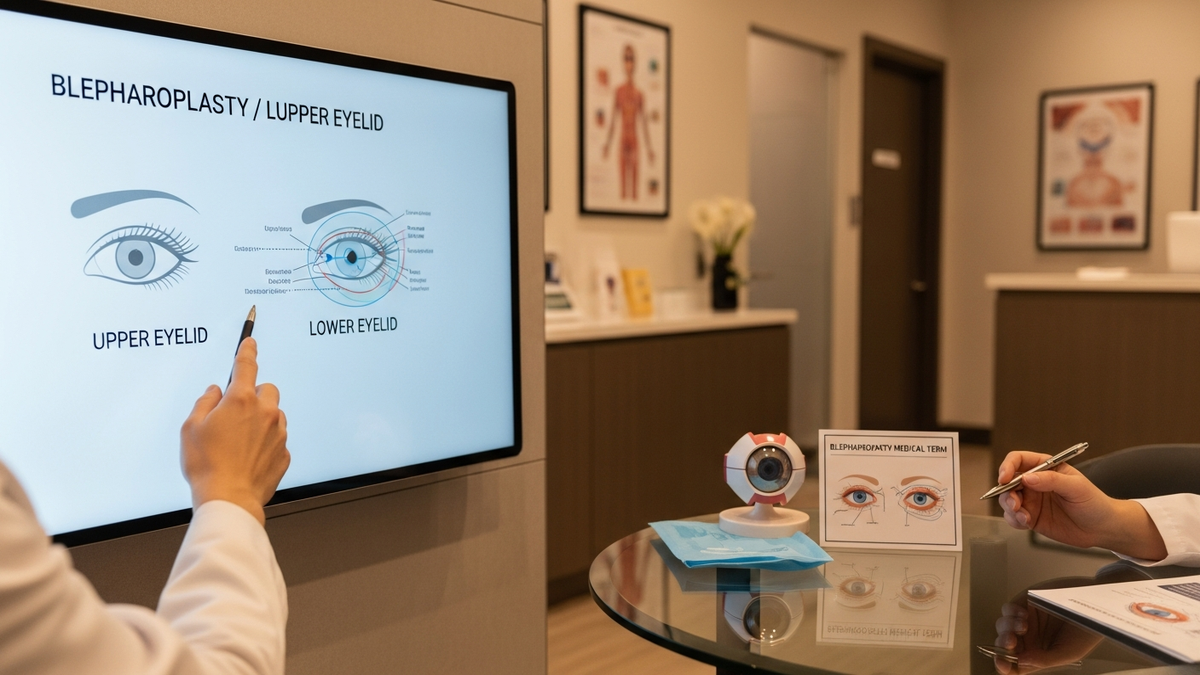
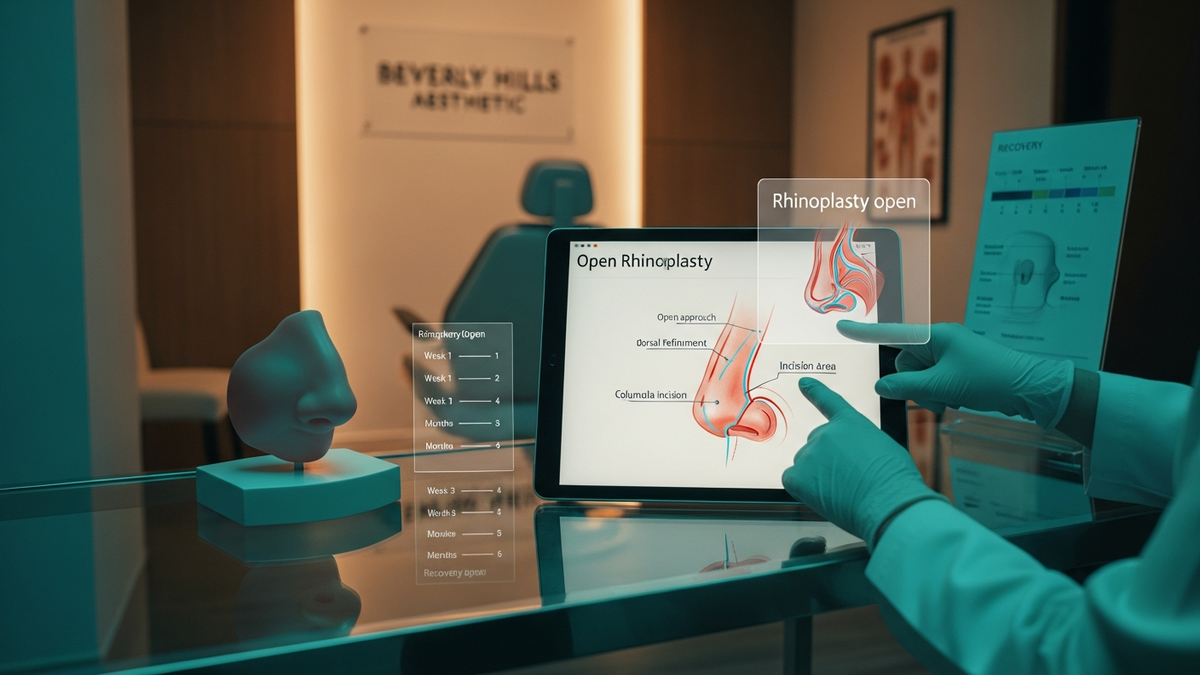
If you’re already researching cosmetic procedures, you may also be exploring other areas of facial rejuvenation. For example, some patients consider procedures like Rhinoplasty for nose shape or function, or Blepharoplasty to address excess eyelid skin. Others may ask about facial aging concerns and treatments such as Facelift options.
While these aren’t directly related to breast surgery, they reflect a broader theme: choosing experienced specialists who focus on education and natural-looking results. For patients with nasal breathing concerns, you may also see discussions around Septoplasty and Deviated Septum evaluations. And for hair restoration inquiries, readers sometimes explore a hair transplant as a separate, goal-driven pathway.
Similarly, for patients focused on brows, an eyebrow transplant may be considered when eyebrow thinning affects facial balance. If you’re researching multiple procedures, it’s wise to keep your providers aligned on your full medical history and goals.
What to Expect After Surgery: Follow-Ups and Monitoring
After fat grafting breast augmentation, follow-up visits are essential. Your surgeon will examine incision healing, assess swelling, and discuss how your body is responding to the transferred fat.
During follow-ups, your surgeon may
- Evaluate contour changes and symmetry
- Monitor for signs of infection or concerning lumps
- Provide guidance on massage (if recommended) and activity limitations
- Discuss timing for future sessions if additional volume is planned
Because fat retention evolves over months, patience is a key part of the process. Many patients find that the final shape looks more refined after the initial swelling resolves and the healing stabilizes.
Cost Considerations (How to Think About Pricing)
Costs for fat grafting breast augmentation can vary widely based on factors such as surgeon expertise, geographic location, anesthesia fees, facility costs, and whether you need multiple sessions. Some patients also require additional fat harvesting planning.
Instead of focusing solely on the lowest quote, consider asking about:
- What’s included in the price (consultation, anesthesia, facility, post-op care)
- Whether multiple sessions are expected
- Revision policy and how complications are handled
- How imaging follow-up is coordinated
A transparent cost conversation is part of responsible care and helps you budget realistically.
Choosing a Provider: Natural-Looking, Education-First Care
In cosmetic surgery, trust and communication matter as much as technical skill. A provider who prioritizes patient education can help you understand what’s possible—and what isn’t—before you commit.
Dr. Hootan Zandifar, for example, is described by patients and peers as honest, trustworthy, and compassionate, with a commitment to education and natural-looking results. While his focus is head and neck cosmetic and reconstructive surgery, the broader principle applies to any specialty: choose clinicians who explain options clearly, show relevant outcomes, and guide you through decision-making with integrity.
Conclusion: Is Fat Grafting Breast Augmentation Right for You?
Fat grafting breast augmentation can be a powerful option for patients seeking a natural look, a softer feel, and contour-focused enhancement using their own tissue. It’s especially appealing for those who want moderate volume changes and who understand that results may evolve and sometimes require more than one session.
If you’re considering this procedure, the best next step is a consultation with a qualified, board-certified surgeon who will evaluate your anatomy, discuss realistic expectations, and outline a safety-first plan tailored to you.
CTA: Talk to a Qualified Surgeon
If you’re exploring fat grafting breast augmentation and want personalized guidance, schedule a consultation to review your goals, donor fat availability, and expected fat retention. A thoughtful surgeon can help you choose the approach that best matches your body and desired outcome.
FlowGeniQ Digest encourages you to take action with confidence: gather your medical history, prepare questions, and prioritize patient education so you can make an informed decision.
Related FAQs
How long do results from fat grafting breast augmentation last?
Transferred fat that survives can provide long-lasting volume. However, fat retention varies, and natural aging or weight changes can affect appearance over time. Many patients see ongoing refinement over months as swelling resolves.
Will fat grafting breast augmentation leave lumps or noticeable firmness?
Some patients experience firmness early on due to healing. Fat necrosis can also create firmer areas or lumps. Most issues are manageable, but you should promptly report any concerning changes to your surgeon for evaluation.
Can I get a large increase in breast size with fat transfer alone?
Fat transfer is often best for subtle to moderate augmentation and contour improvements. Larger size changes may be limited by donor fat availability and by the need to preserve fat viability. Your surgeon can discuss whether a staged approach or an alternative method would better match your goals.
How does fat grafting affect mammograms or breast imaging?
Fat transfer can cause changes visible on imaging, such as calcifications or areas of fat necrosis. Many patients still undergo routine screening, but you should inform your radiology team and follow your surgeon’s guidance for imaging surveillance.
What’s the biggest factor in achieving a natural look?
Natural results depend on careful planning, precise injection technique, and realistic expectations about fat retention. Choosing an experienced provider who prioritizes education and sculpting can significantly influence outcomes.
Professional Disclaimer
This content is provided for general educational purposes only by FlowGeniQ Digest. It is not a substitute for professional advice, diagnosis, or treatment. Readers are advised to consult qualified professionals for personalized recommendations.
Medical Information Disclaimer
This content is provided for general educational purposes only by FlowGeniQ Digest. It is not a substitute for professional advice, diagnosis, or treatment. Readers are advised to consult qualified professionals for personalized recommendations.