FlowGeniQ Digest is your source for clear, evidence-aware guidance on modern aesthetic and reconstructive options. If you’re searching for rhinoplasty nose reduction, you’re likely balancing two priorities: achieving a more proportionate, refined nose—and feeling confident that your surgery will look natural and support healthy nasal function.
In Beverly Hills, many patients choose rhinoplasty (often called a “nose job”) to reduce size, reshape the tip, narrow the bridge, or refine symmetry. But the best outcomes happen when the surgeon treats the nose as both an aesthetic structure and a functional airway. This article explains what rhinoplasty nose reduction typically involves, what to expect during recovery, key risks to discuss, and how functional nasal surgery options may be relevant when breathing symptoms are part of the picture.
What “rhinoplasty nose reduction” really means
Rhinoplasty is a customized surgical procedure that alters the shape of the nose. “Nose reduction” is an umbrella term patients use when they want the nose to look smaller or more refined. Depending on your anatomy and goals, rhinoplasty nose reduction may include:
- Reducing the dorsal hump (the bridge bump)
- Narrowing the bridge for a slimmer profile
- Refining the tip (projection, rotation, or definition)
- Reshaping nostrils to improve symmetry
- Improving nasal airflow when structural issues are present
It’s important to know that “smaller” isn’t always “best.” A skilled facial plastic surgeon balances reduction with support and structural integrity—so the nose maintains natural proportions and long-term stability.
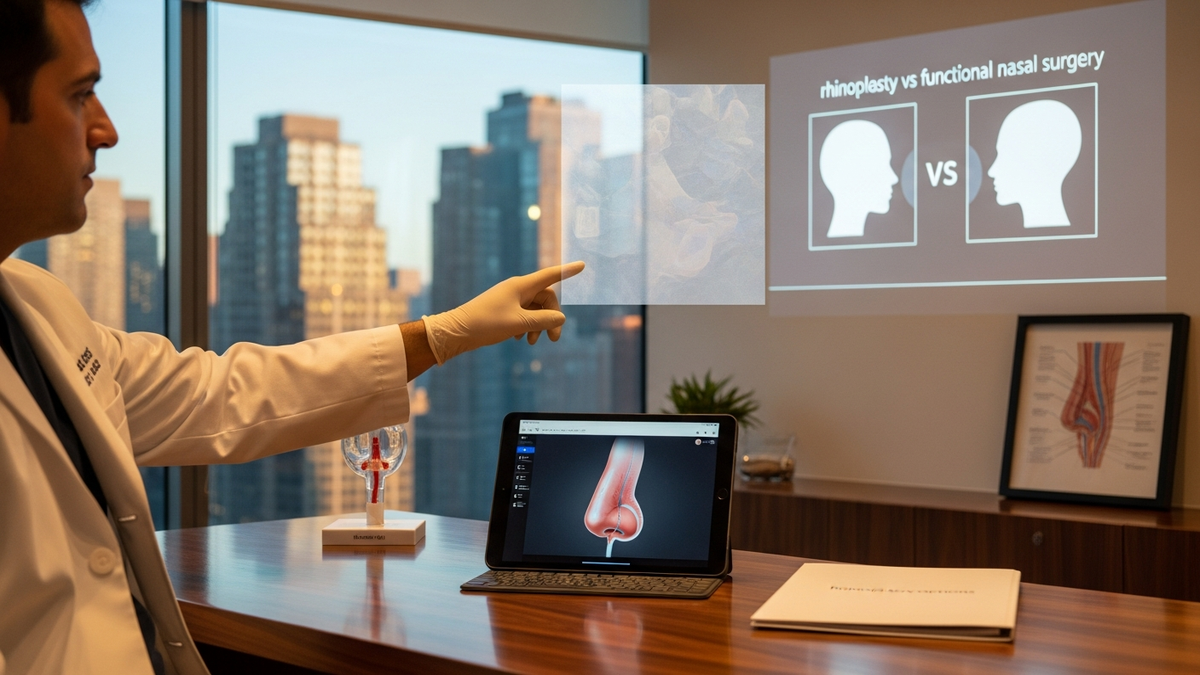
Rhinoplasty vs. functional nasal surgery: why both may matter
Some patients want aesthetic changes only; others have cosmetic goals plus symptoms like chronic congestion, sinus pressure, or difficulty breathing. In head and neck facial surgery, those categories can overlap.
Dr. Hootan Zandifar focuses on cosmetic and reconstructive head-and-neck surgery, with particular expertise in functional nasal surgery for chronic congestion and sinusitis using minimally invasive options when appropriate. In the right circumstances, these functional treatments can permanently alleviate symptoms that make it hard to breathe—while still supporting your overall facial aesthetic goals.
When a deviated septum contributes to nasal obstruction
A deviated septum is a common structural cause of airflow imbalance. If your breathing issues stem from septal deviation, correcting it may improve comfort and nasal function. For patients who also want aesthetic refinements, functional correction can be integrated into a comprehensive plan.
Learn more about this option here: Deviated Septum.
Inferior turbinate enlargement and the “stuffy nose” pattern
Enlarged turbinates can contribute to persistent nasal blockage. Inferior turbinate reduction may be recommended for long-term relief, especially in patients with chronic congestion or sleep-disordered breathing concerns.
Nasal valve collapse: a key breathing factor
The nasal valve is often the narrowest point controlling airflow. Some patients experience symptoms of nasal valve collapse—such as difficulty breathing through the nose that worsens with exercise or certain positions. Depending on severity, treatment may include non-surgical approaches (like allergy management) or surgical options such as implant-based repair.
Who is a good candidate for rhinoplasty nose reduction?
Ideal candidates generally meet the following criteria:
- Realistic aesthetic goals (you understand what can and cannot be changed safely)
- Stable facial growth (most adult patients; adolescents may require individualized timing)
- Good overall health and the ability to follow post-op instructions
- Clear understanding of recovery and temporary swelling
- Breathing symptoms evaluated when present (to avoid trading appearance for function)
During consultation, your surgeon should evaluate both your external nasal shape and internal airway anatomy. This includes reviewing your medical history, prior nasal trauma or surgeries, and any chronic sinus or allergy symptoms.
Consultation: what to expect in your rhinoplasty nose reduction visit
A high-quality rhinoplasty evaluation is more than a quick “yes/no.” It’s a structured process that aligns your goals with surgical feasibility. Expect:
- Facial analysis: the nose is assessed in relation to your lips, eyes, chin, and overall facial harmony.
- Internal examination: airflow-related evaluation to identify septal deviation, turbinate enlargement, or valve issues.
- Discussion of desired changes: hump reduction, tip refinement, bridge narrowing, nostril reshaping, and symmetry.
- Review of surgical approach: open vs. closed techniques (your surgeon will recommend based on anatomy and goals).
- Risk and outcome discussion: realistic expectations, scarring considerations, and long-term stability.
- Recovery planning: work schedule, sleeping position, medication guidance, and follow-up timeline.
Techniques and surgical approaches used in rhinoplasty
Rhinoplasty nose reduction is not one-size-fits-all. Surgeons tailor incisions, cartilage handling, and reshaping strategy to your anatomy. Common elements include:
- Cartilage sculpting to refine the tip and maintain structural support
- Bone contouring when narrowing the bridge is part of the plan
- Strategic grafting to support the nose after reduction (grafts may help maintain tip stability and airway function)
- Careful preservation of the nasal lining to support healing and reduce complications
If you’re specifically interested in the broader topic, you can review rhinoplasty overview information here: Rhinoplasty.
Open vs. closed rhinoplasty (how surgeons decide)
Both approaches can achieve excellent results. The decision often depends on:
- The amount of structural work needed
- Whether tip revision or grafting is planned
- Previous surgery history
- Surgeon preference based on experience and anatomy
Expected results: what rhinoplasty nose reduction can achieve
When done well, rhinoplasty nose reduction can improve:
- Facial balance by refining nose-to-chin and nose-to-lip proportions
- Profile harmony by smoothing the bridge or reducing a dorsal hump
- Tip definition by adjusting projection, rotation, and symmetry
- Overall natural appearance (the goal is “you, just refreshed” rather than an obvious change)
It’s also crucial to understand the timeline. Swelling can mask the final shape for months. Most patients see meaningful changes early, but full refinement can take a year or more depending on healing and technique.
Rhinoplasty nose reduction recovery timeline (realistic expectations)
Recovery varies by person and by surgical extent, but here’s a typical framework many surgeons use:
First week
- Swelling and bruising peak around days 2–4 for many patients
- Splinting/taping may be used to support healing
- You may experience nasal congestion and temporary dryness
- Pain is usually manageable with prescribed medication and rest
Weeks 2–4
- Many patients return to work or social activities as swelling improves
- Bruising fades; swelling remains but becomes more subtle
- Your surgeon may remove external supports if not already done
- Light exercise may be allowed with approval
Months 2–6
- Refinement continues as tissues settle
- Tip definition often improves as residual swelling decreases
- Some patients notice minor asymmetries that gradually smooth out
Months 6–12+
- Final shape and texture continue to mature
- Long-term stability is assessed over time
Common risks and complications to discuss before rhinoplasty
Every surgical procedure carries risk. A thorough consultation should cover potential complications so you can make an informed decision. Risks may include:
- Bleeding or hematoma (rare, but important)
- Infection
- Persistent swelling or delayed healing
- Asymmetry (often minor, sometimes requiring revision)
- Changes in sensation (temporary numbness can occur)
- Breathing issues if internal support is not properly addressed
- Scarring (usually minimal; open approach leaves a small columellar scar)
While these risks are uncommon, your surgeon should also explain what they do to minimize them—such as careful cartilage handling, grafting strategies when needed, and meticulous post-op care.
Rhinoplasty nose reduction cost: what influences pricing
Pricing for rhinoplasty can vary widely based on geography, surgeon experience, and surgical complexity. Factors that influence cost include:
- Surgical time and complexity of the reshaping
- Need for grafting or cartilage support
- Revision vs. primary surgery
- Whether functional airway work is included
- Operating facility fees and anesthesia considerations
- Post-op care and follow-up visits
Instead of focusing only on the lowest number, consider the value of comprehensive planning: an approach that addresses both aesthetics and function tends to reduce the likelihood of dissatisfaction or additional procedures.
How to prepare for rhinoplasty nose reduction
Preparation can meaningfully improve the experience and healing process. Follow your surgeon’s instructions, but common recommendations include:
- Review medications and supplements (some may increase bleeding risk)
- Arrange transportation for the first 24–48 hours
- Set up recovery supplies: cold compresses, saline spray, and a comfortable sleeping setup
- Plan time off work based on your swelling and comfort
- Avoid smoking and nicotine products well before surgery (ask your surgeon for timing)
- Follow fasting and anesthesia instructions precisely
Aftercare: do’s and don’ts that support better healing
Aftercare is where many outcomes are protected. While your surgeon will provide specific guidance, common aftercare principles include:
Do
- Use prescribed medications exactly as directed
- Keep your head elevated to reduce swelling
- Attend all follow-up appointments
- Use gentle nasal care (like saline) if recommended
- Avoid pressure on the nose (including glasses or heavy contact)
Don’t
- Avoid strenuous exercise until cleared
- Avoid picking or forcefully cleaning crusting
- Avoid smoking/vaping and nicotine products
- Avoid sun exposure on healing skin and scars as advised
Can rhinoplasty nose reduction improve breathing?
Sometimes, yes. Many patients report improved comfort after rhinoplasty when the procedure includes structural refinement that supports airflow. However, the degree of improvement depends on the underlying cause of obstruction.
For patients with chronic nasal congestion or sinusitis symptoms, Dr. Hootan Zandifar may evaluate whether functional nasal procedures are more appropriate before or alongside aesthetic work. In certain cases, functional procedures can be less invasive than full rhinoplasty while still permanently improving symptoms.
When septoplasty may be relevant
If your obstruction is driven by septal deviation, septoplasty may address breathing concerns. You can explore this option further here: Septoplasty.
When inferior turbinate reduction may help
If enlarged turbinates contribute to chronic blockage, turbinate reduction may improve airflow and reduce the “stuffy nose” pattern.
When nasal valve repair may be considered
For patients with nasal valve collapse, repair can improve breathing, sometimes with implant-based or minimally invasive approaches depending on severity. Your surgeon can help determine whether your anatomy responds better to functional repair rather than aesthetic-only changes.
Choosing a surgeon: what to look for in Beverly Hills
Rhinoplasty nose reduction is both artistic and technical. A surgeon’s training, experience, and approach to natural aesthetics matter. Consider these selection criteria:
- Board certification and specialized training in facial plastic and reconstructive surgery
- Experience with nose reduction and complex anatomical variation
- Commitment to patient education and realistic expectations
- Ability to address function when breathing symptoms exist
- Natural result philosophy focused on facial harmony
In Beverly Hills, Dr. Hootan Zandifar is known for an honest, trustworthy, and compassionate approach. He focuses solely on surgeries of the head and neck, combining advanced techniques with a strong emphasis on patient education and natural-looking outcomes.
How to manage expectations: “natural” doesn’t mean “unchanged”
Many patients want a nose that looks like it belongs on their face. That often means:
- Reduction that preserves your unique identity
- Tip refinement that avoids over-rotation or overly narrow shaping
- Bridge contouring that looks smooth rather than “cut”
- Symmetry that improves but doesn’t necessarily create perfect mirror symmetry
A thoughtful surgeon will explain how your nose will change and what trade-offs may exist—especially when there’s a balance between aesthetic reduction and internal support.
Combining rhinoplasty nose reduction with other facial procedures
Some patients consider additional facial rejuvenation to complement their results. While the best plan depends on your goals, common pairings include:
- Blepharoplasty for upper or lower eyelid rejuvenation (especially when you want a “refreshed” look overall). Learn more here: Blepharoplasty.
- Facelift for addressing sagging skin and deeper aging changes. Explore: Facelift.
These combinations should be evaluated carefully for timing and recovery. Your surgeon can help you prioritize procedures for the most cohesive aesthetic outcome.
FAQs about rhinoplasty nose reduction
1) How long does it take to see final results after rhinoplasty nose reduction?
Most patients notice improvements early, but swelling can take time to fully resolve. Many surgeons explain that meaningful refinement continues for months, with final results often taking up to a year or more depending on healing and the complexity of the work.
2) Will rhinoplasty nose reduction affect breathing?
It can. Some patients experience improved breathing if structural issues are addressed. Others may have persistent obstruction if the underlying cause isn’t evaluated. That’s why an airway-focused assessment is important—especially if you already have congestion or sinus symptoms.
3) What are the most common risks I should ask my surgeon about?
Commonly discussed risks include bleeding, infection, asymmetry, persistent swelling, changes in sensation, scarring, and—when relevant—breathing changes. Ask how the surgeon minimizes these risks and what the plan is if revision becomes necessary.
4) Is revision rhinoplasty more complex than primary surgery?
Often, yes. Revision cases may require additional cartilage grafting, scar tissue management, and careful structural planning. If you’re considering revision, choose a surgeon with strong experience in complex rhinoplasty.
5) Are there alternatives to rhinoplasty if my main issue is congestion?
Yes, sometimes. For chronic nasal congestion and sinusitis symptoms, functional nasal procedures may be less invasive and can improve airflow. Examples include septoplasty and inferior turbinate reduction, depending on your anatomy. A proper evaluation determines the best path.
CTA: schedule a consultation to align aesthetics with function
If you’re considering rhinoplasty nose reduction, the most confident decisions come from a personalized plan—one that respects your facial harmony and evaluates breathing and airway health when relevant.
To explore your options, schedule an online consultation with Dr. Hootan Zandifar in Beverly Hills. During your visit, you’ll discuss your goals, review your nasal anatomy, and determine whether rhinoplasty alone or a combination of functional and cosmetic strategies best supports your outcome.
FlowGeniQ Digest encourages you to educate yourself, ask the right questions, and choose a provider who prioritizes natural results and patient-centered care.
Professional Disclaimer
This content is provided for general educational purposes only by FlowGeniQ Digest. It is not a substitute for professional advice, diagnosis, or treatment. Readers are advised to consult qualified professionals for personalized recommendations.
Medical Information Disclaimer
This content is provided for general educational purposes only by FlowGeniQ Digest. It is not a substitute for professional advice, diagnosis, or treatment. Readers are advised to consult qualified professionals for personalized recommendations.