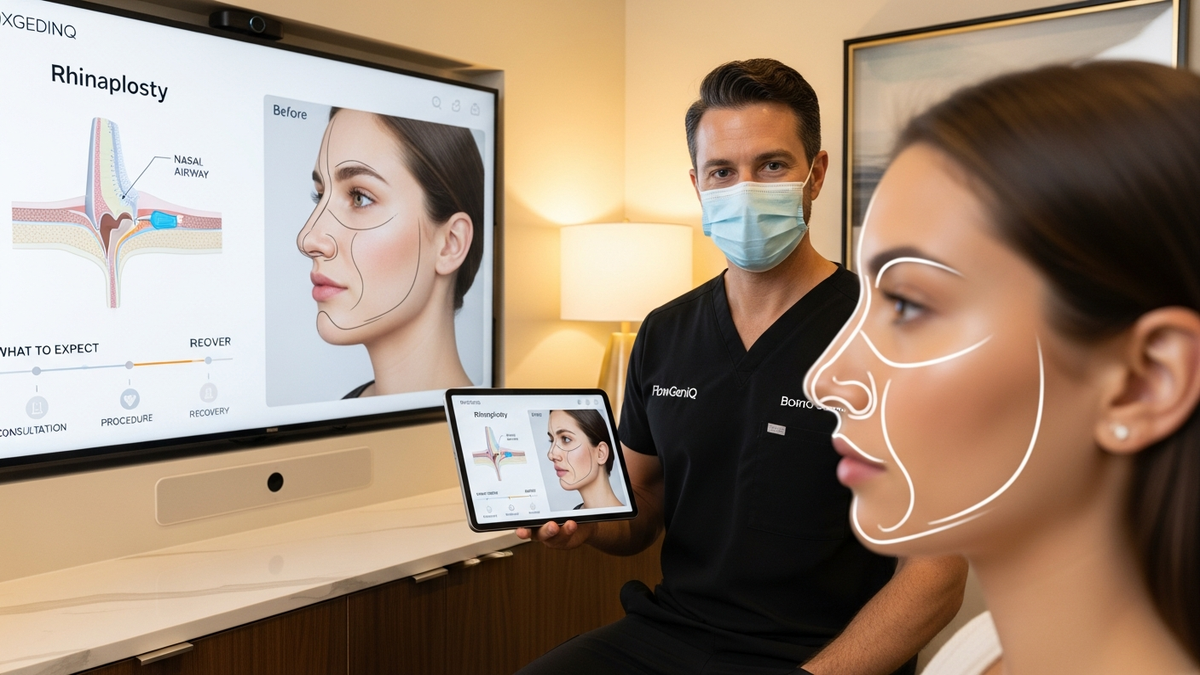
FlowGeniQ Digest is here to help you understand your options with clarity—especially when you’re considering rhinoplasty long nose changes. A long nose can impact facial balance, confidence, and sometimes even breathing comfort. The most successful outcomes come from a plan that respects both aesthetics (proportion, tip definition, symmetry) and function (airflow, valve stability, and structural support).
In this article, we’ll cover what “long nose” usually means in surgical terms, how rhinoplasty planning works, and when functional nasal procedures may be more appropriate than cosmetic-only approaches. You’ll also find a practical checklist for your consultation and a clear FAQ to address common concerns.
What does “rhinoplasty long nose” mean?
When people say they want rhinoplasty for a long nose, they typically mean one or more of the following:
- Increased nasal length (distance from the base of the nose to the tip)
- Tip droop or insufficient tip rotation
- Excess projection (nose appears to extend forward)
- Low or wide base support affecting overall proportion
- Asymmetry that becomes more noticeable with nasal length
- Functional symptoms such as chronic congestion or difficulty breathing
Importantly, “long nose” is not always a single structural issue. In many cases, the appearance of length is influenced by tip position, nasal base anatomy, columella show, and how the nose relates to the face (chin, lip line, and midface support). That’s why planning should be individualized—not templated.
Cosmetic goals vs. functional goals: the two-part planning approach
Modern nasal surgery often aims for two outcomes at the same time:
- Aesthetics: better facial harmony, a refined nasal length, improved tip definition, and natural symmetry.
- Function: stable airflow by addressing structural contributors to nasal obstruction (for example, a deviated septum, turbinate enlargement, or nasal valve collapse).
For patients who have both cosmetic concerns and breathing symptoms, combining surgical strategies can be especially valuable. In some cases, a purely cosmetic approach may not resolve the underlying reason the nose feels “blocked.”
When functional nasal surgery may be the most direct path
Chronic nasal congestion and sinus symptoms can be driven by structural issues such as septal deviation or enlarged inferior turbinates. If breathing is the primary problem, functional procedures can sometimes provide long-term relief—potentially improving both comfort and how you experience your results.
Dr. Hootan Zandifar specializes in functional nasal surgery designed to treat chronic symptoms of nasal congestion and sinusitis using minimally invasive procedures. When structural defects obstruct airflow—such as a Deviated Septum or enlarged turbinates—surgical intervention can be an effective, durable option. Learn more about Septoplasty and Deviated Septum as a foundation for improved nasal airflow.
How rhinoplasty changes a long nose (key surgical concepts)
Rhinoplasty is not one single technique—it’s a set of principles applied to your anatomy. For a rhinoplasty long nose goal, surgeons usually evaluate how to adjust length and proportions while preserving natural function.
1) Tip rotation and columella balance
Often, the “long nose” look is intensified by tip droop or an imbalance in how much of the columella is visible. Adjusting tip rotation can shorten the visual length without over-resecting bone or cartilage.
2) Nasal tip projection vs. nasal length perception
Some noses appear long because they project too far forward. By refining the tip (and sometimes adjusting support), surgeons can reduce perceived length while improving definition.
3) Structural support and cartilage strategy
The nose’s form depends on cartilage framework and how tissues are supported. For realistic, stable results, surgeons may use grafting strategies (when appropriate) to maintain strength while refining shape.
4) Base narrowing and proportional refinement
If the nasal base contributes to perceived length or width, base refinement can improve overall harmony. This is especially important for patients seeking a “balanced, natural” look rather than a dramatically altered silhouette.
Closed vs. open rhinoplasty for long nose concerns
One of the most common questions patients ask is whether they need open or closed rhinoplasty. The “best” approach depends on the complexity of your anatomy and the specific goals for your nasal tip and framework.
Closed rhinoplasty
Incisions are made inside the nostrils. Some surgeons prefer this approach for certain reshaping cases where extensive tip work is not required.
Open rhinoplasty
An external (small) incision at the columella provides enhanced visibility and access to the nasal framework. For long nose cases involving tip rotation, support refinement, or grafting, open techniques are often used.
Key takeaway: Your surgeon should explain why one approach fits your anatomy and how it supports both aesthetic and functional outcomes.
Rhinoplasty vs. functional nasal procedures: what’s the difference?
Cosmetic rhinoplasty focuses on appearance. Functional nasal procedures address airflow and breathing comfort. Many patients, especially those with chronic congestion, benefit from a combined strategy.
Septoplasty for breathing and obstruction
If a crooked septum contributes to obstruction, Septoplasty may help straighten the nasal cartilage and improve airflow. This can be a valuable step when nasal blockage affects quality of life.
Inferior turbinate reduction for the “stuffy nose” problem
Enlarged inferior turbinates can cause long-term nasal congestion and difficulty breathing. Inferior turbinate reduction is often considered for patients with chronic symptoms and may also be relevant for those with sleep apnea concerns related to airflow limitation.
Nasal valve collapse repair (non-surgical or surgical options)
Some patients experience breathing difficulty due to nasal valve collapse. Non-surgical approaches may include targeted allergy and anti-inflammatory treatments, while certain cases may require implants or surgical repair.
Can rhinoplasty for a long nose improve breathing?
Sometimes, yes. While rhinoplasty is primarily cosmetic, the same structural attention used for reshaping can also address functional contributors—especially if your long nose concern is paired with obstruction.
That said, not every long nose case requires functional surgery, and not every breathing issue is best solved by cosmetic reshaping. A thorough evaluation helps identify the true cause of symptoms.
Common functional contributors that may coexist
- Septal deviation (uneven nasal septum)
- Turbinate enlargement contributing to chronic congestion
- Nasal valve weakness affecting airflow stability
- Chronic sinusitis with mucus trapping and infection cycles
Dr. Hootan Zandifar’s functional focus is built around improving breathing comfort and quality of life using minimally invasive options when appropriate.
Minimally invasive options for chronic sinusitis and congestion
If your “long nose” concern is accompanied by recurring sinus infections, mucus buildup, or reduced sense of smell, your treatment plan may include sinus-focused therapies. For example:
Balloon sinuplasty
Balloon sinuplasty is a minimally invasive procedure that helps open blocked sinus passages, often reducing chronic sinus infection cycles.
Endoscopic sinus surgery with image guidance
For more complex or recurrent cases, endoscopic sinus surgery aims to restore normal sinus function by widening passages and improving drainage. This can help eliminate trapped mucus and support a more stable nasal environment.
Because these issues can affect how the nose feels day to day, addressing them may improve your overall satisfaction—whether or not you also pursue rhinoplasty.
Allergies and nasal airflow: a frequently overlooked factor
Allergies can significantly affect nasal breathing and may worsen congestion that makes the nose feel “blocked,” even if the structure looks fine. For patients with allergy-driven symptoms, targeted treatment can support better nasal airflow.
Dr. Zandifar offers allergy treatment options such as sublingual immunotherapy (SLIT)—a “no shot” approach for certain patients. Managing allergies can be an important part of a comprehensive plan for nasal comfort.
What to expect during a rhinoplasty consultation for a long nose
A high-quality consultation should feel like a process—not a single conversation. Here’s what you should expect when discussing rhinoplasty long nose goals.
1) Facial proportion analysis
Your surgeon will assess nasal length in relation to your midface, lips, chin, and overall facial balance. The goal is harmony—not an isolated “nose measurement.”
2) Functional breathing assessment
If you report chronic congestion, sinus symptoms, or difficulty breathing, your evaluation should include airflow considerations and structural contributors. This might include exam techniques to evaluate septal alignment, turbinate size, and nasal valve stability.
3) Surgical goal mapping
Expect the surgeon to explain what changes are likely to create the most natural-looking improvement—such as tip rotation strategy, projection adjustments, and support/grafting decisions (if needed).
4) Realistic outcome discussion
One of the hallmarks of excellent patient education is clarity about what can and cannot be achieved. A professional plan should discuss potential trade-offs, scar expectations, and the timeline for changes.
Recovery timeline: how long until a long nose rhinoplasty looks “right”?
Recovery varies, but a typical timeline includes:
- First week: swelling and bruising are common; nasal support may be in place.
- Weeks 2–4: swelling begins to settle; you’ll still see changes in contour and definition.
- Months 2–6: more refinement becomes visible as tissues continue to heal.
- Up to 12 months: final shape and subtle adjustments continue to emerge.
If your plan includes functional procedures (for example, septal or turbinate work), your recovery may include additional considerations. Your surgeon should provide a tailored post-op plan based on what was performed.
Choosing a surgeon: what “premium” care looks like
When you’re investing in rhinoplasty—especially for a complex goal like a rhinoplasty long nose—the right expertise matters. Look for:
- Board-certified facial plastic and reconstructive expertise (and relevant training in head and neck anatomy)
- Honest, education-first consultations that explain both aesthetic and functional considerations
- Natural-looking outcomes that match your facial proportions
- A plan that respects breathing, particularly if congestion or sinusitis is part of your story
Dr. Hootan Zandifar is a board-certified facial plastic and reconstructive surgeon who focuses on head and neck surgery. He is known for an honest, trustworthy, and compassionate approach, and for prioritizing patient education so you can make well-informed choices.
If you want to explore rhinoplasty background and approach, you can review Rhinoplasty information from Dr. Zandifar’s practice.
Actionable checklist: prepare for your long nose rhinoplasty discussion
Bring these items to help your consultation stay focused and productive:
- Photos in consistent lighting (front, 45-degree, and side views). Include a relaxed smile and neutral expression.
- Your breathing history: how long congestion has been present, whether symptoms are seasonal, and what you’ve tried.
- Symptom list: sinus infections, nosebleeds, whistling sounds, sleep disruption, or reduced smell (if applicable).
- Medication and supplement review: especially blood thinners, NSAIDs, and any allergy meds.
- Your priorities: “I want a shorter-looking nose” vs. “I need better breathing” vs. “both.”
- Questions about technique: what approach is likely for your anatomy and why (open vs. closed; grafting strategy; functional plan).
How to set expectations for a natural-looking long nose outcome
It’s tempting to chase a specific “before and after” appearance. But natural results usually come from subtle, proportion-based changes rather than extreme size reduction.
In a long nose rhinoplasty, the most flattering results typically balance:
- Tip refinement that preserves a natural shape and smooth contours
- Length reduction that looks harmonious with your lips and chin
- Symmetry that respects the reality that no face is perfectly identical
- Breathing comfort when functional concerns exist
Frequently compared facial procedures: when they matter (and when they don’t)
Some patients consider multiple facial rejuvenation options. While rhinoplasty addresses nasal structure, other procedures can influence how the nose looks in context—especially when facial aging changes midface support and skin tone.
For example, patients who are also evaluating overall facial rejuvenation may look into options like a Facelift. If you’re planning multiple procedures, timing and sequencing should be coordinated with your surgeon so swelling and healing don’t interfere with your goals.
For patients focused on the eyes, Blepharoplasty may be considered. If you’re planning rhinoplasty alongside other facial changes, your surgeon should help you prioritize the most important functional and aesthetic steps first.
FAQ: rhinoplasty long nose
1) Will rhinoplasty for a long nose make my nose look smaller immediately?
You’ll likely notice early changes, but swelling can temporarily alter shape and size. Most patients see meaningful refinement as swelling settles over weeks to months, with continued improvement up to a year.
2) Is rhinoplasty for a long nose always the best option if I have congestion?
Not necessarily. If your congestion is caused by structural issues like a Deviated Septum or enlarged turbinates, functional procedures such as Septoplasty or inferior turbinate reduction may be more directly targeted. Many patients benefit from a combined approach when both aesthetics and function are concerns.
3) What are the biggest risks I should discuss with my surgeon?
Every surgery has risks, including infection, bleeding, scarring, asymmetry, persistent swelling, and changes in sensation. If breathing issues are part of your picture, it’s also important to discuss nasal valve stability and long-term airflow outcomes.
4) How do I know if my long nose concern is mainly tip droop or nasal length?
Only a detailed exam can determine the primary contributor. Often, tip position, projection, and columella balance play a major role in how length is perceived—so your surgeon should explain which anatomical factors are driving your look.
5) Can allergies affect how my nose feels after rhinoplasty?
They can. Allergy-driven congestion may influence post-op comfort and symptom control. If allergies contribute to your symptoms, your care plan may include targeted treatments such as sublingual immunotherapy (SLIT) to support nasal comfort.
Next steps: schedule a consultation with a team that considers both form and function
If you’re exploring rhinoplasty long nose options, consider booking a consultation where your surgeon evaluates both aesthetic goals and breathing comfort. The best plans are comprehensive: they address proportion, tip strategy, and—when relevant—the structural drivers of congestion and sinus symptoms.
FlowGeniQ Digest encourages you to ask informed questions and choose a qualified, experienced provider. If you’re ready, start by scheduling an evaluation with Dr. Hootan Zandifar to discuss your unique anatomy and whether a functional component should be part of your plan.
Professional Disclaimer
This content is provided for general educational purposes only by FlowGeniQ Digest. It is not a substitute for professional advice, diagnosis, or treatment. Readers are advised to consult qualified professionals for personalized recommendations.
Medical Information Disclaimer
This content is provided for general educational purposes only by FlowGeniQ Digest. It is not a substitute for professional advice, diagnosis, or treatment. Readers are advised to consult qualified professionals for personalized recommendations.