Thinking about rhinoplasty la and wondering whether your nose goals are purely cosmetic—or also tied to chronic congestion, sinus pressure, or difficulty breathing? In Los Angeles, many patients want both: a nose that looks balanced on the face and a nasal airway that helps them breathe comfortably day and night.
At FlowGeniQ Digest, we often highlight how today’s best outcomes come from a thoughtful, head-and-neck–focused approach. For patients seeking a “nose job” in Beverly Hills, that may mean traditional rhinoplasty for visible refinement—or it may mean functional nasal surgery when the primary problem is airflow. The key is matching the right procedure to your anatomy, symptoms, and aesthetic priorities.
Rhinoplasty LA: What Most Patients Really Want
When people search for rhinoplasty la, they’re usually looking for two things:
- Improved appearance: better shape, proportion, and harmony with facial features.
- Improved function: easier breathing, less nasal blockage, fewer sinus symptoms, and better quality of life.
It’s common for these goals to overlap. A structural change that refines the nose externally may also influence airflow internally. Conversely, some patients have severe congestion due to an internal structural issue that won’t be fully solved by cosmetic-only changes.
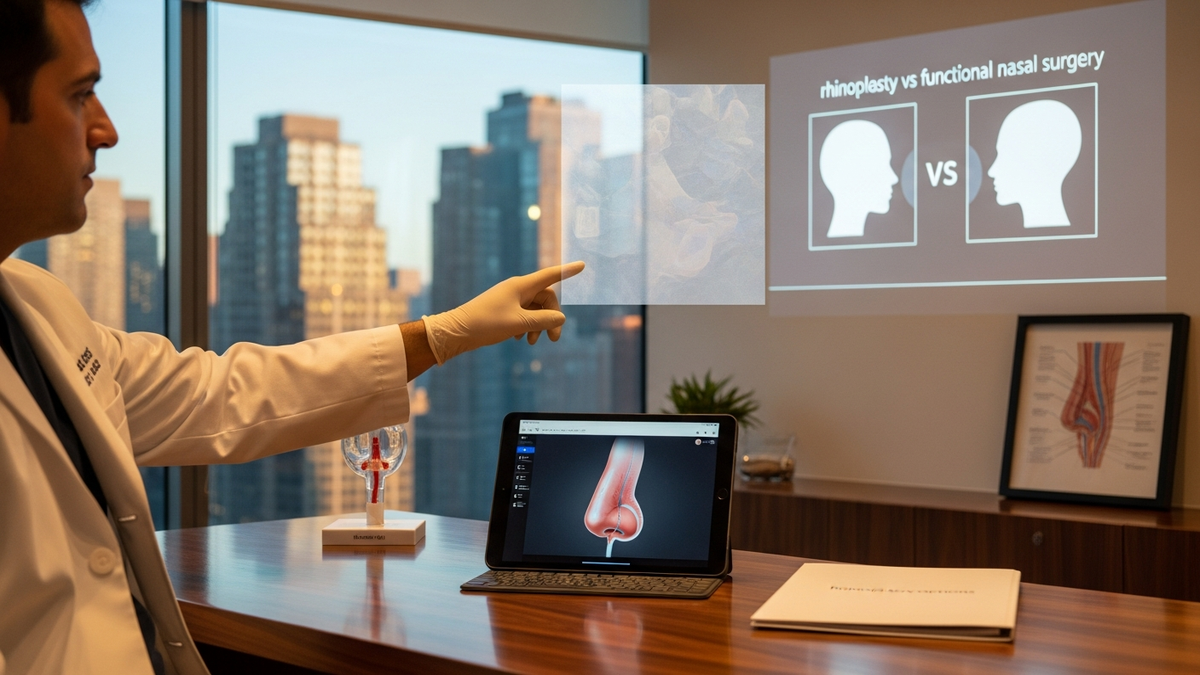
Rhinoplasty vs. Functional Nasal Surgery: The Core Distinction
Not every “nose problem” is primarily aesthetic. Many breathing issues are driven by anatomy—such as a deviated nasal septum, enlarged turbinates, or nasal valve collapse. In those cases, the most impactful path may be functional nasal surgery rather than an aesthetic rhinoplasty.
When rhinoplasty is the best fit
Traditional rhinoplasty (often called a “nose job”) is designed to alter the nose’s structure and appearance. Patients may seek rhinoplasty for concerns like:
- A hump or irregular contour
- A drooping or rotated tip
- Asymmetry between nostrils or facial side-to-side balance
- Proportional adjustments to improve overall facial harmony
Importantly, rhinoplasty can also be planned with functional goals in mind—especially when airway obstruction is present.
If you want to explore rhinoplasty options, you can review this resource: Rhinoplasty.
When functional nasal surgery may come first
Functional nasal procedures focus on airflow and symptom relief. They are often less invasive than rhinoplasty and may be the most appropriate starting point when chronic congestion or sinusitis is driven by internal structural issues.
Depending on the diagnosis, functional options can include septal correction, turbinate reduction, nasal valve repair, and sinus-targeted procedures.
Understanding Common Causes of Nasal Obstruction
Before choosing a procedure, the most effective surgeons evaluate both aesthetics and physiology. In a head-and-neck–specialized practice, the evaluation may include symptom history (congestion patterns, triggers, sleep-related breathing concerns), physical exam, and—when needed—imaging or endoscopic assessment.
Deviated septum
A deviated septum can obstruct airflow through one or both nostrils. Correcting the septum can reduce chronic stuffiness and improve nasal breathing.
If you’d like to learn more about surgical correction, see Septoplasty and Deviated Septum.
Enlarged inferior turbinates
Inferior turbinates help regulate airflow, humidity, and temperature. When they become enlarged, they can contribute to a long-term “stuffy nose,” sometimes worsening sleep quality and nasal breathing.
Nasal valve collapse
The nasal valve is one of the narrowest functional areas inside the nose. When it collapses—especially during inspiration—it can cause significant airflow limitation. Some cases can improve with non-surgical approaches, while others may require targeted surgical repair.
Chronic sinusitis and sinus drainage issues
For patients whose congestion is driven by chronic sinus inflammation or impaired drainage, sinus procedures may be needed to restore normal function. Balloon sinuplasty and endoscopic sinus surgery are often considered based on the specific anatomy and disease pattern.
How a Natural-Looking Rhinoplasty Is Planned
Natural results are not accidental. They come from careful planning, precise structural support, and a strategy that respects individual facial proportions. In rhinoplasty la conversations, “natural” typically means:
- Your nose looks like it belongs on your face—not like it was “done.”
- Tip definition and contour are refined without over-aggressive narrowing.
- Symmetry is improved in a realistic, individualized way.
- Breathing function is considered as part of the overall design.
Facial harmony: the nose doesn’t exist alone
A skilled surgeon evaluates the nose in context of your face: the brow, midface, lips, chin projection, and overall balance. Changes that look great from the front may look different in profile or from oblique angles—so planning should account for multiple views.
Structural integrity and support
Many modern rhinoplasty strategies emphasize maintaining or strengthening the internal framework of the nose. This approach helps reduce the risk of long-term instability and supports a stable, natural contour.
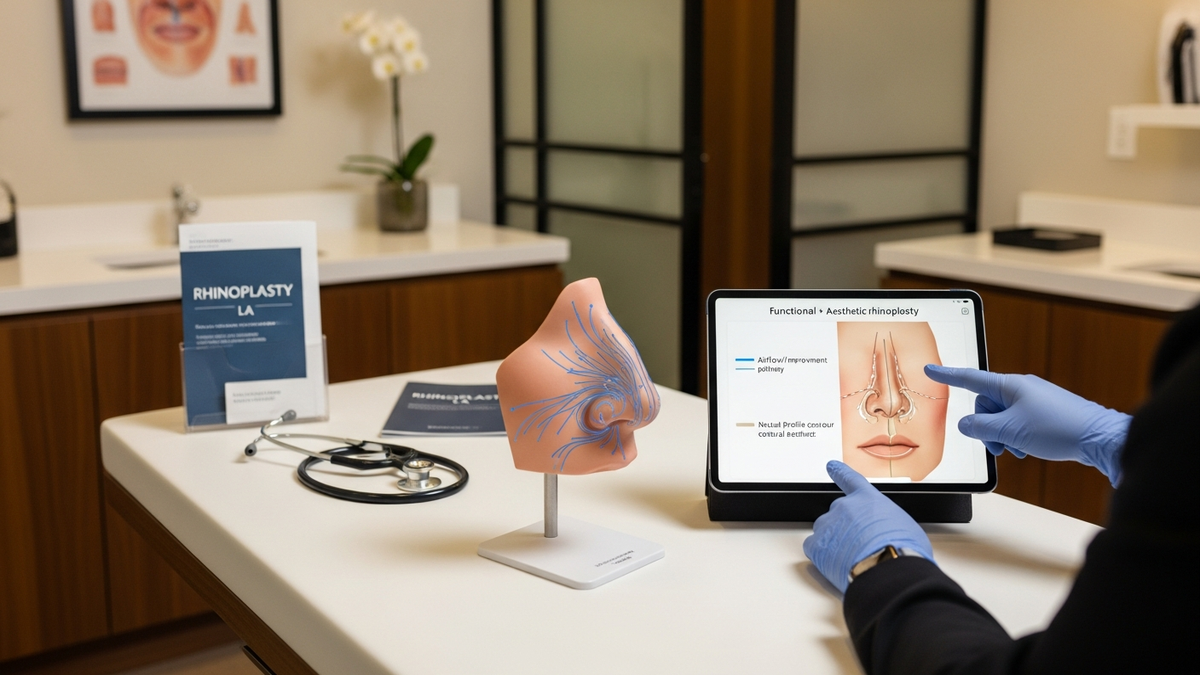
Functional integration: beauty and airflow can align
When breathing issues exist, the best plan often integrates functional objectives into the aesthetic design. That may mean addressing internal narrowing, supporting the nasal valve, or optimizing septal and turbinate-related contributors.
Los Angeles Rhinoplasty: What to Expect in the Consultation
If you’re evaluating rhinoplasty la options, your consultation should feel thorough—not rushed. A high-quality evaluation typically includes:
- Goal mapping: what you want to change visually and what symptoms you want to improve.
- Airflow assessment: how you breathe through each nostril and whether you have congestion patterns.
- History review: allergies, sinus infections, prior nasal trauma, prior surgeries, and sleep-related symptoms.
- Discussion of alternatives: when functional surgery may be more appropriate than rhinoplasty alone.
- Realistic outcome expectations: what can and cannot be achieved based on anatomy.
At FlowGeniQ Digest, we emphasize patient education because informed decisions lead to better satisfaction. If you’re in Los Angeles or nearby, a head-and-neck–focused surgeon can be especially valuable—because your nose is both an aesthetic feature and an airway structure.
Meet the Approach: Facial Plastic & Reconstructive Expertise
In Beverly Hills, Dr. Hootan Zandifar focuses on cosmetic and reconstructive surgery of the head and neck. His practice emphasizes honest, trustworthy, and compassionate care, along with patient education so you can make well-informed choices. This model aligns with what many patients seek when they search for rhinoplasty la: a natural aesthetic outcome paired with attention to function.
Dr. Zandifar is board certified and fellowship trained, with expertise spanning head and neck surgery and facial plastic and reconstructive surgery. That depth matters because nasal anatomy is complex—small structural differences can affect both appearance and breathing.
Procedure Options That May Complement or Replace Rhinoplasty
Depending on your diagnosis, you may benefit from functional procedures that improve breathing, sometimes without the need for full rhinoplasty. In other cases, combining approaches may be ideal.
Septoplasty for airflow correction
Septoplasty straightens the nasal cartilage when a crooked septum obstructs airflow. Many patients experience meaningful relief from chronic congestion after septal correction.
Learn more here: Septoplasty.
Inferior turbinate reduction for “stuffy nose”
When turbinates are enlarged, targeted reduction can open nasal passages and improve long-term comfort.
Nasal valve collapse repair (non-surgical and surgical options)
Some nasal valve problems can be improved with non-surgical strategies, including medication-based approaches for inflammation and allergy. When obstruction is more severe, surgical techniques such as implant or other valve-focused treatments may be considered.
Balloon sinuplasty and endoscopic sinus surgery
For sinus-related congestion and chronic infections, sinus-targeted procedures can restore normal drainage pathways. Minimally invasive options like balloon sinuplasty may be appropriate in select cases, while endoscopic sinus surgery can address more complex sinus disease patterns.
Allergy-focused treatment (SLIT)
Allergies can worsen nasal inflammation and congestion. Sublingual immunotherapy (SLIT)—often described as a “no-shot” method—may be considered for eligible patients as part of a broader plan.
Recovery: Rhinoplasty LA Timelines and Practical Tips
Recovery varies by procedure type and the extent of work performed. While your surgeon will provide personalized instructions, here are common themes patients experience after nasal surgery:
Early recovery (first days)
- Swelling and bruising are common, often peaking around the first few days.
- Nasal congestion can occur due to swelling, internal healing, or splinting.
- Comfort measures may include prescribed medications and careful head elevation.
Intermediate recovery (weeks 1–6)
- Visible swelling continues to reduce gradually.
- Breathing may improve as healing progresses, though final function can take time.
- Activity restrictions help protect the healing nose.
Long-term healing (months)
Most nasal tissues continue to refine over time. Final aesthetic outcomes can take several months to fully emerge, depending on healing and the specifics of your procedure.
How to Choose the Right Surgeon for Rhinoplasty LA
Choosing a surgeon is about more than proximity. For rhinoplasty la patients, the right match often includes:
- Relevant training in facial plastic and reconstructive surgery and/or head-and-neck surgery.
- Functional understanding of nasal airway anatomy, not just external cosmetic goals.
- Natural aesthetic philosophy with individualized planning.
- Transparent communication about risks, trade-offs, and alternatives.
- Patient education that supports informed consent and realistic expectations.
Questions to ask at your appointment
- What is the likely cause of my nasal obstruction (septum, turbinates, valve, sinus inflammation)?
- Would you recommend rhinoplasty, functional nasal surgery, or a staged approach?
- How will you protect nasal support structures to maintain long-term stability?
- What changes can I realistically expect in breathing and appearance?
- What are the most common risks in my specific situation?
- What does recovery look like for my job, exercise routine, and sleep?
When Alternatives May Be a Better First Step
Some patients assume they need rhinoplasty because they dislike their nose. But if your primary complaint is chronic congestion, a functional approach may deliver the greatest day-to-day benefit first. In a well-structured plan, the surgeon may:
- Address airflow contributors (septum, turbinates, valve) to improve breathing.
- Reassess aesthetic priorities after nasal function is improved.
- Choose a rhinoplasty only if it adds meaningful aesthetic value beyond functional correction.
This staged thinking often supports better satisfaction because it reduces the chance of under-treating the root cause of symptoms.
Related Facial Procedures: A Note on Whole-Face Planning
While this article focuses on rhinoplasty, many patients in Los Angeles also consider other facial enhancements. A full-face perspective can help ensure your nose refinement aligns with the rest of your features.
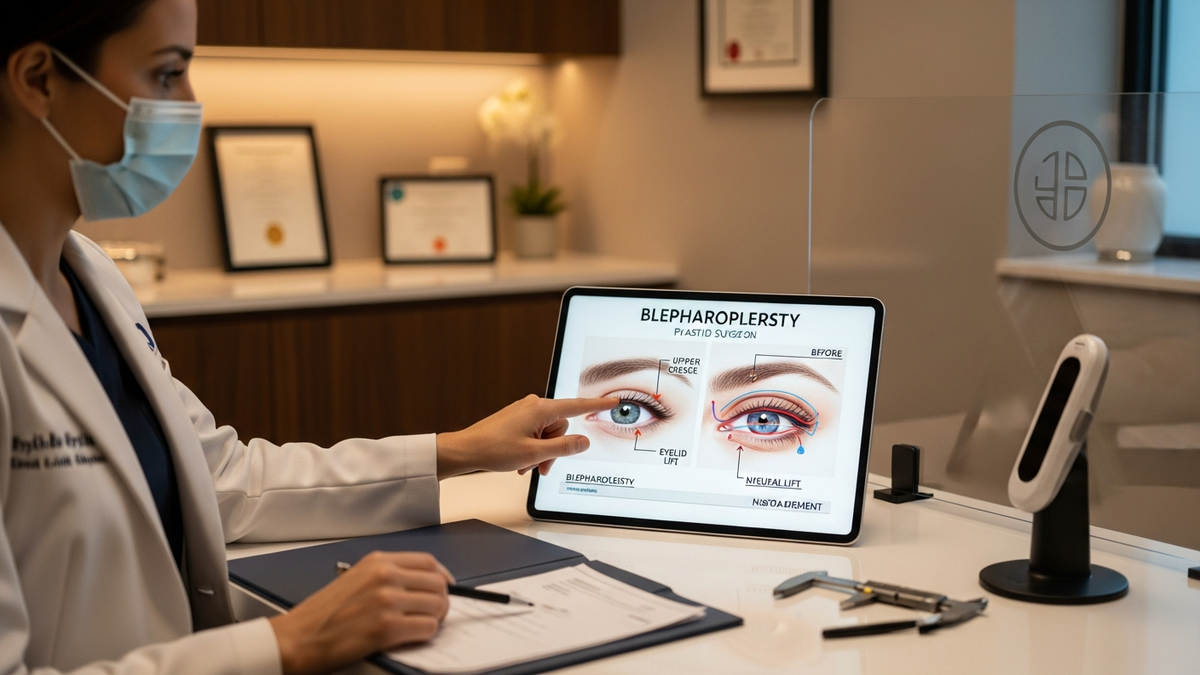
For example, some patients explore rejuvenation options such as Facelift or Blepharoplasty to address age-related changes that affect overall facial balance. Others may consider hair restoration strategies like hair transplant or eyebrow transplant to restore symmetry and framing.
These decisions are personal, but they share a common principle: the best outcomes typically come from a plan that considers harmony and proportion—not isolated features.
FAQ: Rhinoplasty LA and Functional Nasal Surgery
Is rhinoplasty la only for cosmetic reasons?
No. Many patients pursue rhinoplasty for both appearance and breathing. If your congestion is driven by structural issues, a functional nasal plan may be recommended—either alone or in combination with rhinoplasty.
How do I know if I need functional surgery instead of rhinoplasty?
If you have chronic nasal blockage, frequent sinus symptoms, or signs of airway narrowing (including sleep-related breathing issues), your surgeon may recommend a functional evaluation. Procedures like septoplasty can be considered when the septum is a primary contributor.
Will improving airflow also improve my sinus symptoms?
Often, yes—especially when congestion is related to airflow obstruction and impaired drainage. Depending on your diagnosis, treatments may include turbinate reduction, valve repair, balloon sinuplasty, or endoscopic sinus surgery.
What does recovery typically involve after nasal surgery?
Most patients experience swelling and congestion early on. Activity restrictions and proper postoperative care are important for healing. Your surgeon will provide a timeline tailored to your procedure and anatomy.
How long until the final rhinoplasty result looks natural?
Nasal healing continues over months. Many patients notice meaningful changes early, but final refinement—both aesthetic and functional—can take time.
CTA: Schedule a Consultation to Match Your Goals With the Right Plan
If you’re researching rhinoplasty la, consider booking a consultation where your surgeon can evaluate both your aesthetic goals and your airway needs. The most satisfying outcomes usually come from an individualized plan—whether that’s rhinoplasty, functional nasal surgery, or a combination approach.
Take the next step: review your symptoms, note your aesthetic priorities, and schedule a visit with a qualified facial plastic and reconstructive specialist to discuss your options.
Professional Disclaimer
This content is provided for general educational purposes only by FlowGeniQ Digest. It is not a substitute for professional advice, diagnosis, or treatment. Readers are advised to consult qualified professionals for personalized recommendations.
Medical Information Disclaimer
This content is provided for general educational purposes only by FlowGeniQ Digest. It is not a substitute for professional advice, diagnosis, or treatment. Readers are advised to consult qualified professionals for personalized recommendations.