Source: FlowGeniQ Digest
Choosing where to have your procedure done is one of the biggest decisions in cosmetic surgery planning. If you’ve been searching “rhinoplasty in turkey cost,” you’re likely trying to balance affordability with safety, quality results, and long-term satisfaction. Turkey is frequently discussed because many clinics offer competitive package pricing for nose reshaping—often combined with travel and accommodation. But the true cost of rhinoplasty is rarely just one number.
In this premium, practical guide, we’ll explain what drives rhinoplasty pricing in Turkey, what “all-inclusive” packages can include (and what they may not), the variables that affect your final bill, and how to compare clinics responsibly. We’ll also cover how functional nasal concerns—such as congestion—can change the surgical plan, and why “cheapest” can be an expensive strategy.
Rhinoplasty in Turkey Cost: What You’re Really Paying For
When people ask about rhinoplasty in turkey cost, they usually mean the total price they’ll pay for surgery abroad. In reality, the final cost is influenced by several categories:
- Surgeon expertise and training (experience with both cosmetic refinement and structural nasal work)
- Surgical complexity (primary vs. revision surgery; open vs. closed approach; cartilage grafting)
- Hospital and anesthesia setup (accredited facilities, monitoring standards, anesthesia type)
- Pre- and post-operative care (imaging, labs, medications, splints, follow-ups, dressing changes)
- Package inclusions (airport transfers, hotel nights, interpreter services, transportation for check-ups)
- Revision risk and “hidden costs” (additional fees for complications, extra visits, or revision work)
Because these items vary widely between clinics and “packages,” two patients can see very different totals even if their advertised prices look similar.
Typical Price Ranges (and Why They Vary)
There isn’t one universal price for rhinoplasty in Turkey. Clinics may quote different ranges based on marketing strategy, surgeon seniority, and the level of bundled services. That said, most pricing discussions fall into three tiers:
- Lower-cost packages: often emphasize bundled travel/hotel and a base surgical fee; may limit surgeon time, testing, or follow-up frequency.
- Mid-range options: more comprehensive care plans, more detailed pre-op assessment, and clearer post-op follow-up scheduling.
- Premium surgical care: typically includes higher-intensity follow-up, advanced operative planning, and more robust contingency planning for revisions.
Key takeaway: The “rhinoplasty in turkey cost” you see online should be treated as a starting point, not a final quote. The safest comparisons are apples-to-apples: same surgeon experience level, same type of surgery, same hospital setting, and same follow-up plan.
What Impacts Rhinoplasty Pricing the Most?
1) Primary rhinoplasty vs. revision rhinoplasty
Primary rhinoplasty (your first nose surgery) is often priced differently than revision rhinoplasty. Revision cases are frequently more complex because of altered anatomy, scar tissue, and prior grafting. Revision surgery can require more operative time and specialized planning.
2) Your nasal anatomy and goals
Rhinoplasty isn’t one-size-fits-all. The surgical plan depends on:
- Skin thickness and soft-tissue support
- Cartilage strength and structural balance
- Septal alignment and airway considerations
- Whether grafting is needed (e.g., cartilage grafts)
Patients with structural challenges or combined aesthetic and functional goals may have higher surgical complexity, which can influence the total cost.
3) Open vs. closed technique
Clinics may quote prices differently depending on the approach. An open approach can provide more visibility for complex reshaping, while a closed approach may be suitable for certain cases. Your surgeon should explain why one approach fits your anatomy and desired outcome.
4) Grafting and cartilage requirements
Cartilage grafting can be essential for stability, tip refinement, and maintaining long-term structural integrity. If grafting is required, it may affect both operative time and costs.
5) Hospital accreditation, anesthesia, and monitoring
Even if two clinics advertise similar package prices, anesthesia and monitoring standards can differ. Ask what facility you’ll use and what level of perioperative monitoring is provided.
6) Surgeon time and pre-op planning depth
Premium results often depend on thoughtful planning: careful measurements, airway assessment, and realistic goal-setting. Clinics that invest more time in pre-op evaluation may charge more, but that planning can reduce the odds of dissatisfaction and the need for additional intervention.
What’s Usually Included in “All-Inclusive” Rhinoplasty Packages?
Many international surgery packages include more than the headline surgical fee. Common inclusions may include:
- Surgeon consultation (often virtual and/or in-person)
- Surgery fee and anesthesia
- Hospital stay (typically 1 night, depending on the plan)
- Post-op medications
- Splinting and follow-up visits
- Airport pickup and transportation
- Hotel accommodation for a set number of nights
- Interpreter/concierge support
However, inclusions vary. The most important step is to ask for a line-item breakdown so you can understand exactly what you’re paying for—and what may be billed separately.
Hidden Costs to Watch for in Rhinoplasty in Turkey Cost Quotes
“Hidden costs” don’t always mean unethical behavior; sometimes they’re simply unclear terms. Still, they can affect your total budget. Consider these common add-ons:
- Extra days in the hospital or hotel (delays, slower recovery, or follow-up scheduling)
- Additional consultations beyond the package
- Imaging and lab tests that aren’t included
- Prescription refills after you return home
- Revision fees if results don’t meet expectations or if structural issues arise
- Medical travel insurance (often not included)
- Post-op care at home (local ENT or follow-up if concerns arise)
Actionable recommendation: Ask the clinic for a written estimate that includes: surgery fee, anesthesia fee, facility fee, surgeon fee, medications, number of follow-up visits, and what happens if you need extra visits or additional work.
Functional vs. Cosmetic Rhinoplasty: How Airway Issues Can Change Cost
Many people think rhinoplasty is purely aesthetic. In practice, nasal surgery can also address breathing problems such as chronic congestion, sinus pressure, deviated septum issues, or turbinate enlargement. When functional concerns are present, the surgical plan may shift—and so can cost.
When functional surgery may be part of the plan
If your main goal includes easier breathing, your surgeon may recommend procedures beyond aesthetic reshaping. In some cases, surgeons focus on functional nasal surgery (sometimes less invasive than full rhinoplasty), depending on your anatomy.
For example, a Septoplasty may be recommended when the Deviated Septum contributes to obstruction. If turbinate tissue is enlarged, an inferior turbinate reduction procedure may be considered.
These functional approaches can sometimes help patients achieve better airflow without necessarily changing the external appearance in the same way as a full rhinoplasty. That said, some patients need both cosmetic refinement and structural airway correction—making the overall plan more comprehensive.
How to Compare Clinics Fairly (Not Just by Price)
Because rhinoplasty in turkey cost comparisons can be misleading, use a structured evaluation. Price is only one variable; outcomes depend on surgical skill, safety protocols, and follow-up care.
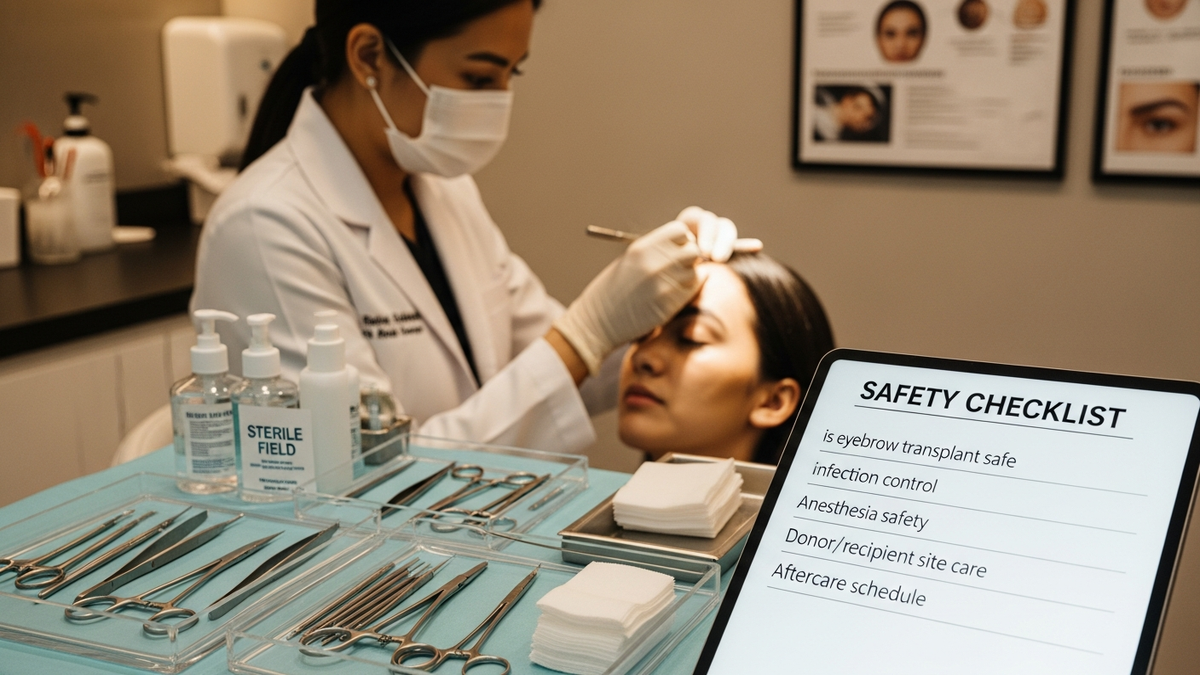
Checklist: Questions to Ask Before You Book
- Who is performing my surgery? Ask for the surgeon’s credentials and experience with both primary and revision rhinoplasty.
- Where will surgery take place? Confirm hospital/facility standards and the anesthesia team.
- What’s included in the package? Request a line-item list of fees and follow-up visits.
- How many post-op appointments are included? Make sure you understand the schedule and what happens if you need additional visits.
- What’s the revision policy? Get details about what qualifies for revision work and whether additional fees apply.
- Do you provide a pre-op assessment plan? Ask how virtual evaluation translates to an in-person surgical plan.
- How is airway function assessed? If you have congestion or sinus symptoms, ask whether your plan includes functional evaluation.
Look for transparent outcome communication
Clinics should be able to discuss limitations honestly. A premium provider will set realistic expectations, show results that match your target aesthetic, and explain risks and recovery timelines clearly.
Recovery Timeline and Why Planning Matters for Cost
Your recovery affects your travel schedule, time off work, and how many follow-ups you’ll need. Even if the surgical fee is affordable, poor planning can add costs through extra hotel nights, delayed return flights, or urgent care visits.
Typical recovery phases (general guidance)
- First week: swelling and bruising peak for many patients; splint care and early follow-up are common.
- Weeks 2–6: visible swelling gradually decreases; you may still feel “off” as tissues settle.
- Months 2–6: more refinement as healing continues; many patients look closer to their final shape.
- Months 6–12+: long-term stabilization and subtle changes continue.
Actionable recommendation: Budget time for recovery and ask the clinic how long they recommend staying in Turkey after surgery (and why).
Risk Management: Safety Should Trump Savings
All surgery involves risk—whether performed locally or internationally. When comparing rhinoplasty in turkey cost, consider the total risk management system:
- Pre-op screening for medical factors that affect healing
- Intraoperative safety protocols and monitoring
- Post-op instructions you can follow confidently
- Access to follow-up if you have concerns
Choosing a clinic solely because it’s the cheapest can increase the chance of dissatisfaction or complications that later require additional spending for corrective care.
How Head & Neck Specialists Think About Rhinoplasty and Function
One reason patients sometimes feel strongly about surgeon specialization is that the nose is both an aesthetic focal point and part of the respiratory system. Providers who focus on head and neck surgery often bring a functional perspective to nasal planning.
For example, Dr. Hootan Zandifar focuses solely on cosmetic and reconstructive surgery of the head and neck. He is known for honest, trustworthy, compassionate care and for patient education that helps individuals make well-informed decisions. His approach includes both aesthetic refinement and functional nasal surgery when appropriate—particularly when chronic nasal congestion or breathing difficulty is related to structural factors.
If you’re exploring rhinoplasty as part of a broader facial plan, you may also want to think about how other procedures could complement your goals. For instance, some patients consider additional facial rejuvenation options like Facelift or eyelid surgery such as Blepharoplasty. While these are separate decisions, they highlight an important point: comprehensive planning often leads to better overall satisfaction.
And if your goal includes nasal reshaping specifically, you may want to review detailed information about Rhinoplasty to understand what a surgical plan and evaluation typically include.
Planning Your Trip: Budget Beyond the Procedure
International surgery planning should include more than the quote. Consider travel and recovery realities:
- Flights (and whether you can change dates if swelling requires additional time)
- Transportation between airport, hotel, and clinic
- Medication logistics (bringing prescriptions home and ensuring you have refills)
- Time off work (swelling can affect social comfort longer than expected)
- Local follow-up in your home country if you need additional evaluation
Actionable recommendation: Build a contingency buffer into your budget—especially if the clinic’s package is time-limited.
Rhinoplasty in Turkey Cost: Frequently Misunderstood Terms
Marketing materials can use terms that sound reassuring but may not fully explain the care plan. Here are common misunderstandings:
- “All-inclusive”: Ask for the exact list of included services and the number of follow-ups.
- “Surgeon fee included”: Confirm whether it includes revision consultations or only the primary operation.
- “Same results for everyone”: Results depend on anatomy, healing, and surgical planning.
- “No extra charges”: Ask what conditions might trigger additional fees (extra visits, additional imaging, revisions).
When a Lower Price Might Be a Red Flag
Sometimes a very low rhinoplasty in turkey cost quote correlates with limited follow-up, unclear revision terms, or lower transparency about facility and anesthesia. Be cautious if you encounter:
- Vague answers about surgeon identity or surgical approach
- No written estimate or unclear inclusion list
- Pressured booking timelines
- Limited access to post-op communication
- Insufficient documentation of safety protocols
A premium clinic should be comfortable providing details and guiding you through informed consent.
Alternative Options: Functional Nasal Surgery vs. Rhinoplasty
If your primary complaint is chronic congestion or breathing difficulty, you may not need full cosmetic rhinoplasty in every case. Depending on your diagnosis, functional procedures may be recommended.
For example, Septoplasty can correct a crooked nasal septum, while other structural procedures may help restore airflow. These options can help you breathe more comfortably, and in certain circumstances may reduce the need for extensive aesthetic changes.
Understanding your functional diagnosis can also help you plan realistically for cost. If your goal is both airflow improvement and external refinement, your plan may involve rhinoplasty. If your primary goal is breathing, a functional-first approach may be considered.
FAQ: Rhinoplasty in Turkey Cost
1) What is the average rhinoplasty in turkey cost?
There isn’t one fixed average because pricing depends on whether it’s primary vs. revision surgery, the complexity of your anatomy, hospital and anesthesia standards, and what’s included in the package. Treat any online number as a starting point and request a detailed line-item estimate.
2) What’s usually included in an “all-inclusive” Turkey rhinoplasty package?
Packages often include surgeon/anesthesia fees, hospital stay, some medications, airport transfers, and hotel nights, plus scheduled follow-ups. Always confirm the exact number of post-op visits, what medications are covered, and what happens if you need additional appointments.
3) Are there hidden costs when traveling for rhinoplasty?
Potential hidden costs include extra hotel nights, additional consultations, tests not covered in the package, revision-related fees, and insurance or local follow-up expenses. The best way to avoid surprises is to request a written breakdown and revision policy details.
4) Does functional breathing correction change the cost?
It can. If your plan includes functional procedures for obstruction (for example, septum-related issues), your surgery may be more comprehensive. Functional evaluation helps determine whether rhinoplasty alone is enough or whether a different approach—such as Septoplasty—is more appropriate.
5) How do I compare clinics safely beyond price?
Compare surgeon credentials, the facility where surgery occurs, anesthesia and monitoring protocols, the inclusion list, and the follow-up schedule. Ask about revision policy and request transparent, written estimates.
CTA: Get a Clear Plan Before You Budget
If you’re considering rhinoplasty abroad, the smartest next step is to turn “cost” into a clear surgical plan. At FlowGeniQ Digest, we help readers navigate complex healthcare decisions with education-first guidance.
Action steps:
- Request a written line-item estimate from your chosen clinic.
- Ask how they handle revision risk and additional follow-ups.
- Ensure your airway concerns (if any) are evaluated, not ignored.
- Plan recovery time and budget a small contingency buffer.
If you’d like to explore rhinoplasty planning resources, you can also review detailed procedure information such as Rhinoplasty or functional nasal options like Septoplasty to better understand what questions to ask.
Professional Disclaimer
This content is provided for general educational purposes only by FlowGeniQ Digest. It is not a substitute for professional advice, diagnosis, or treatment. Readers are advised to consult qualified professionals for personalized recommendations.
Medical Information Disclaimer
This content is provided for general educational purposes only by FlowGeniQ Digest. It is not a substitute for professional advice, diagnosis, or treatment. Readers are advised to consult qualified professionals for personalized recommendations.