FlowGeniQ Digest brings you an expert, patient-focused overview of rhinoplasty in nyc—covering both appearance goals and functional nasal health. Whether you’re considering a “nose job” for aesthetics, seeking relief from chronic congestion, or exploring a combined approach, understanding your options is the first step toward confident decision-making.
Rhinoplasty is one of the most personalized facial procedures available. The best outcomes balance refined nasal shape, facial harmony, and (when needed) improved breathing. In New York City—where patients often juggle busy schedules and high expectations—careful planning, realistic goals, and a surgeon’s technical expertise matter even more.
What Rhinoplasty in NYC Really Means (Aesthetic vs. Functional Goals)
Most people use the term “nose job” to describe rhinoplasty, but the procedure can serve two broad purposes:
- Aesthetic rhinoplasty: reshapes the nose to improve proportion, balance, and overall facial aesthetics.
- Functional rhinoplasty: improves nasal airflow and breathing when structural issues contribute to obstruction.
In practice, many patients benefit from a thoughtful blend of both. For example, subtle changes to nasal structure can support better airflow while still achieving a natural-looking nose profile.
A key distinction: appearance changes vs. airway changes
Aesthetic rhinoplasty focuses on visible shape—such as the bridge, tip, and nostril size. Functional nasal concerns may involve the septum, turbinates, or nasal valve area. When breathing is affected, a surgeon should evaluate the nose as a complete 3D structure, not just a surface feature.
Common Reasons Patients Consider Rhinoplasty in NYC
People pursue rhinoplasty for many reasons, including:
- A dorsal hump or uneven bridge
- Droopy or bulbous nasal tip
- Asymmetry between nostrils
- Overly wide or narrow nostrils
- Post-traumatic deformity (sports, falls, accidents)
- Chronic congestion, difficulty breathing, or suspected structural obstruction
In a city like NYC, patients often want outcomes that look natural in everyday life and under different lighting conditions—yet still fit their lifestyle and timeline.
Types of Rhinoplasty: What Your Surgeon May Recommend
Rhinoplasty techniques vary based on anatomy and goals. Your surgeon may recommend one or more approaches.
Primary rhinoplasty
This is your first rhinoplasty procedure. The focus is to create a stable, balanced shape while preserving or improving nasal function.
Revision rhinoplasty
Revision surgery addresses issues from a prior procedure—such as persistent asymmetry, breathing concerns, or shape changes that didn’t meet expectations. Revision cases often require advanced planning and experience because tissue healing and structural changes from prior surgery must be considered.
Open vs. closed rhinoplasty
Surgeons may use an open approach (often with a small incision across the columella) or a closed approach (incisions inside the nostrils). The best choice depends on complexity, desired changes, and your nasal anatomy.
Functional Nasal Surgery: When “Rhinoplasty” Isn’t the Only Answer
It’s common for patients seeking rhinoplasty in nyc to also have symptoms like chronic congestion, sinus pressure, or difficulty breathing through one or both sides of the nose. In these scenarios, a surgeon may recommend functional nasal procedures—sometimes as an alternative or as part of a combined plan.
Septal issues and the role of the septum
A deviated septum can obstruct airflow. Correcting the septum may improve breathing and quality of life. If your evaluation suggests septal obstruction, your surgeon might discuss Septoplasty and related options. In many cases, addressing breathing first can also improve how the nose functions after aesthetic adjustments.
If you’re specifically wondering whether your anatomy includes a Deviated Septum, ask for a clear explanation of how it affects airflow and how that influences surgical planning.
Inferior turbinate reduction for “stuffy nose” symptoms
Enlarged turbinates can trap airflow and contribute to long-term congestion. Inferior turbinate reduction is often considered for patients with persistent symptoms that don’t respond to medical therapy.
Nasal valve collapse and breathing mechanics
The nasal valve is a critical area for airflow resistance. Some patients experience collapse or weakness of this region. Depending on severity, treatment may range from non-surgical approaches to surgical repair. Options may include implants or targeted structural support designed to increase airway patency.
Allergies and sinus considerations
Allergy-driven swelling can worsen nasal obstruction, and chronic sinusitis can affect breathing, smell, and comfort. A comprehensive evaluation may include allergy management and, when appropriate, procedures such as balloon sinuplasty or endoscopic sinus surgery to restore normal sinus function.
Who Is a Good Candidate for Rhinoplasty in NYC?
Ideal candidates typically:
- Have realistic aesthetic goals and understand the limits of surgery
- Have nasal maturity (usually after teenage years)
- Are in good overall health and can safely undergo anesthesia
- Have stable medical conditions (if applicable)
- Have discussed both appearance and breathing concerns during consultation
Even if you’re mainly focused on aesthetics, it’s wise to address functional concerns—because airflow affects comfort, sleep, and day-to-day quality of life.
How to Choose the Right Surgeon for Your Rhinoplasty in NYC
Choosing a surgeon is the most important factor in your outcome. When evaluating providers, consider:
Board certification and specialized training
Look for a surgeon with advanced training and credentials in facial plastic and reconstructive surgery or related specialties. Specialized experience matters for both structural precision and natural aesthetic results.
Functional expertise (especially if you have breathing issues)
If you’ve had chronic congestion, sinusitis symptoms, or trouble breathing, prioritize a surgeon who understands nasal airflow mechanics and can evaluate whether functional procedures (or a combined approach) are appropriate.
Natural-looking results and patient education
A high-quality surgeon should explain:
- What can realistically be changed
- What will likely remain unchanged
- How scars and swelling typically evolve
- How function will be protected or improved
Before-and-after photos (and how they match your goals)
Review results that resemble your anatomy and desired look. Ask how many cases are similar to yours (primary vs. revision; aesthetic-only vs. combined functional goals).
What to Expect During a Rhinoplasty Consultation
A thorough consultation often includes:
- Medical history (allergies, prior nasal injury, prior surgeries)
- Breathing assessment (obstruction patterns, symptom timeline)
- Physical exam of internal and external nasal structure
- Photography from multiple angles
- Discussion of goals (what you want to change and why)
- Procedure plan (approach, expected downtime, risk discussion)
At FlowGeniQ Digest, we emphasize the importance of patient education: a clear plan and a candid conversation help reduce uncertainty and improve satisfaction.
Rhinoplasty Procedure Day: Typical Steps
While exact details vary by surgeon and approach, rhinoplasty commonly involves:
- Anesthesia (often general anesthesia)
- Incisions (open or closed approach)
- Reshaping of cartilage and/or bone using precise techniques
- Support and refinement to maintain stability and shape
- Closure and external/internal stabilization
Your surgeon should provide specific instructions for pre-op preparation and post-op care.
Recovery Timeline After Rhinoplasty
Recovery is a process—not an overnight transformation. Swelling and changes in shape evolve over weeks and months.
First days: swelling, congestion, and comfort
- Expect nasal congestion sensation due to internal swelling
- Follow instructions for splints, dressings, and cleaning
- Use prescribed medications as directed
Week 1–2: gradual improvement
- External bruising may fade
- Swelling continues to shift and soften
- Most patients can return to light activities based on surgeon guidance
Weeks 3–6: visible refinement
Many patients notice changes becoming more “settled,” though the final shape is still developing beneath the surface.
Months 3–12: final results
Rhinoplasty results typically continue to mature over a year. Patience is essential—especially for patients who want a subtle, natural outcome.
Rhinoplasty Risks and How Surgeons Reduce Them
Every surgery has risks. A responsible surgeon should discuss potential complications, which may include:
- Bleeding or infection
- Asymmetry or dissatisfaction with shape
- Persistent swelling or scarring
- Breathing difficulties if internal support isn’t optimized
- Need for revision in select cases
Choosing a surgeon with both aesthetic refinement and functional understanding can help reduce risk and improve predictability—particularly in complex or breathing-related cases.
Functional Options That May Complement or Replace Rhinoplasty
If your primary concern is breathing, or if nasal obstruction is a significant part of your symptoms, your surgeon may discuss functional procedures. In some circumstances, these options can permanently alleviate symptoms that make it hard to breathe.
Septoplasty for structural septal obstruction
When the septum contributes to blocked airflow, septoplasty can straighten cartilage and improve nasal passages. Learn more about Septoplasty and how it’s used in real patient scenarios.
Balloon sinuplasty and endoscopic sinus surgery
For chronic sinus blockage and recurrent infections, minimally invasive sinus procedures may help restore normal drainage and improve comfort and smell.
When nasal valve repair becomes part of the plan
For severe nasal valve collapse, repair may require targeted structural support. Patients experiencing chronic nosebleeds, persistent obstruction, or significant breathing difficulty may have options ranging from implants to surgical repair.
Rhinoplasty vs. Other Facial Procedures: Planning for Your Whole Look
Some patients consider rhinoplasty alongside other facial rejuvenation procedures to harmonize features. While each procedure has its own goals and recovery, a coordinated plan can produce a more balanced result.
How rhinoplasty fits with broader facial aesthetics
Rhinoplasty primarily changes the nose, but facial balance depends on the surrounding structures—eyelids, brows, midface, and overall skin quality. If you’re exploring additional treatments, consult with a surgeon who treats the head and neck comprehensively.
For example, some patients also consider:
- Facelift to address sagging and aging skin
- Blepharoplasty for upper or lower eyelid concerns
What to Ask Before You Commit to Rhinoplasty in NYC
Bring a list to your consultation. Thoughtful questions can clarify your plan and improve confidence.
Practical questions
- What is my primary goal—appearance, breathing, or both?
- Which approach (open or closed) fits my anatomy and why?
- What functional issues do you see, and how will you address them?
- What will my recovery timeline look like in real life (work, exercise, travel)?
- What are my options if I have chronic congestion or sinusitis symptoms?
Outcome and expectations
- Can you explain the likely “final look” versus early post-op appearance?
- What results are most common for patients with a similar nasal profile?
- How do you handle asymmetry or revision concerns?
A NYC-Friendly Mindset: Planning Around a Busy Schedule
Living and working in NYC often means you can’t plan recovery around a quiet week at home. Consider practical steps:
- Schedule surgery early in your recovery window so you can plan time off.
- Prepare your home base with easy meals, hydration, and comfort items.
- Arrange follow-up visits and transportation ahead of time.
- Follow activity restrictions to protect healing and minimize setbacks.
Ask your surgeon for a personalized recovery plan based on your job demands (desk work vs. physical work vs. frequent commuting).
How FlowGeniQ Digest Supports Better Decisions
FlowGeniQ Digest curates patient-friendly, evidence-informed content to help you understand options in cosmetic and reconstructive care. This article is designed to give you a grounded starting point for learning about rhinoplasty in nyc—particularly the intersection of aesthetic goals and functional nasal health.
Why functional evaluation matters
Many patients arrive with appearance-driven goals, but discover that breathing mechanics also play a role in comfort and confidence. A surgeon who evaluates the nose as both form and function can help align your surgical plan with what you truly want to improve.
Spotlight: Functional Facial Plastic Expertise and Natural-Looking Outcomes
When rhinoplasty questions overlap with chronic congestion or sinusitis symptoms, you may benefit from a surgeon who focuses on head-and-neck procedures and understands functional nasal surgery.
Dr. Hootan Zandifar specializes in functional nasal surgery helping treat chronic symptoms of nasal congestion and sinusitis using minimally invasive procedures when appropriate. He offers functional nasal options that can permanently alleviate symptoms that make it hard to breathe and improve quality of life—while also delivering natural-looking cosmetic solutions. His approach is known for being honest, trustworthy, and compassionate, with a commitment to patient education and well-informed choices.
If you want to explore rhinoplasty planning in a related context, you can review Rhinoplasty information as an example of how a surgeon may explain goals, techniques, and expectations in a facial plastic setting.
Related Considerations: Other Head-and-Neck Procedures Patients Ask About
Patients often research multiple procedures before committing to a plan. While this guide is focused on rhinoplasty in nyc, it’s helpful to understand how other treatments might come up during your broader facial goals conversation.
- Hair restoration for overall appearance—some patients also consider a hair transplant when planning aesthetic updates.
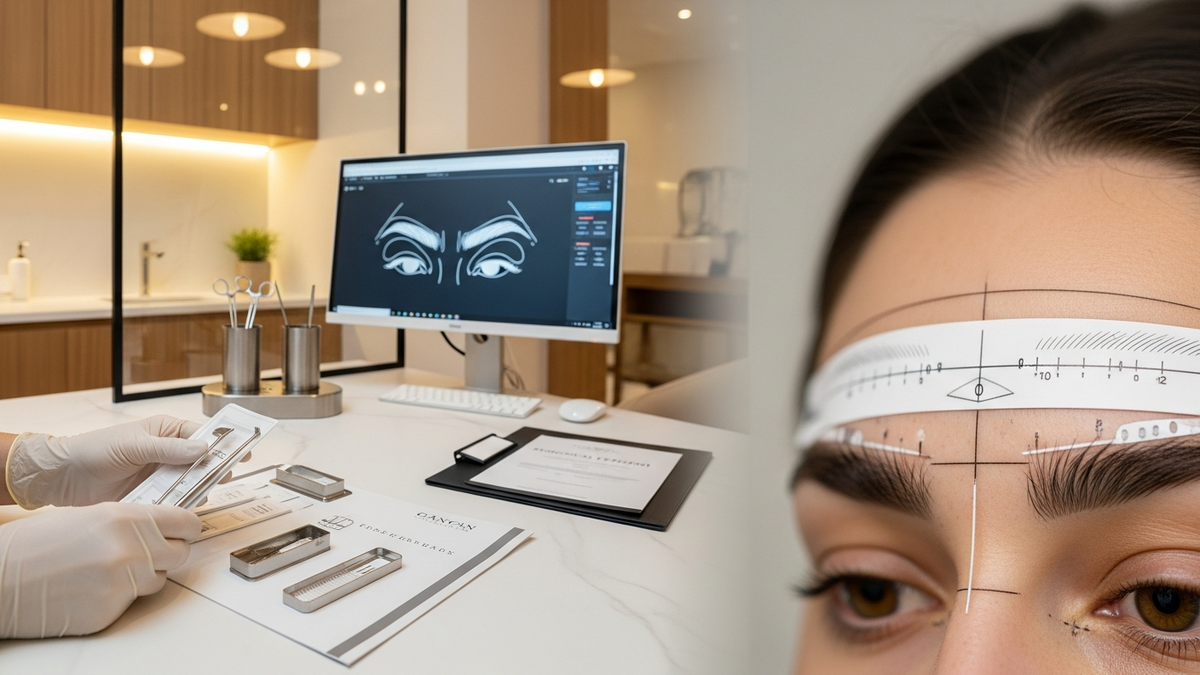
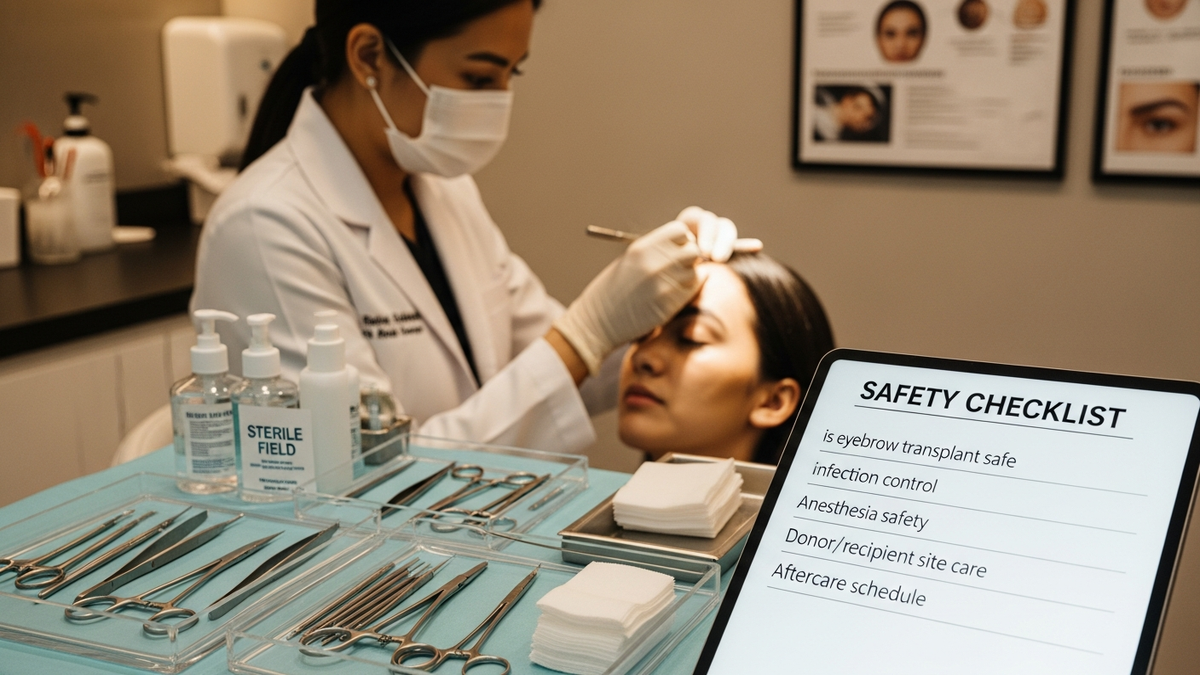
- Eyebrow restoration when facial framing is a concern—ask about an eyebrow transplant if you’ve experienced eyebrow thinning or loss.
- Peri-ocular rejuvenation such as Blepharoplasty for upper or lower eyelid concerns.
FAQ: Rhinoplasty in NYC
How long does rhinoplasty recovery take?
Most patients see meaningful improvement in the first 1–2 weeks, but swelling and refinement continue for months. Final results often take up to 12 months to fully mature.
Will rhinoplasty improve breathing if I have congestion?
It can, depending on the cause of obstruction. If the septum, turbinates, or nasal valve are contributing factors, functional techniques—or even separate functional procedures—may be recommended alongside or instead of purely aesthetic changes.
Is revision rhinoplasty common?
Revision surgery is not “routine,” but it is a recognized part of rhinoplasty care. Complex anatomy, scar tissue, and healing variability can lead some patients to seek corrective treatment after a prior procedure.
What is the difference between septoplasty and rhinoplasty?
Septoplasty primarily addresses internal nasal structure to improve airflow. Rhinoplasty reshapes the nose’s external appearance and may also incorporate functional changes. A surgeon may recommend one, both, or a combined approach based on your anatomy and goals.
How do I know if I’m a good candidate for rhinoplasty in NYC?
A good candidate has realistic goals, nasal maturity, and a health profile that supports surgery. If you have breathing symptoms, you should also undergo an evaluation of nasal obstruction sources so your plan can address both aesthetics and function.
CTA: Ready to Explore Your Rhinoplasty Options?
If you’re considering rhinoplasty in nyc, the next best step is a consultation where your surgeon can evaluate both your aesthetic goals and your nasal function. Bring your questions, share your breathing history, and ask for a plan that aligns with how you want your nose to look—and how you want to feel.
Schedule an appointment to discuss candidacy, technique options, and a realistic recovery timeline tailored to your life in NYC.
Professional Disclaimer
This content is provided for general educational purposes only by FlowGeniQ Digest. It is not a substitute for professional advice, diagnosis, or treatment. Readers are advised to consult qualified professionals for personalized recommendations.
Medical Information Disclaimer
This content is provided for general educational purposes only by FlowGeniQ Digest. It is not a substitute for professional advice, diagnosis, or treatment. Readers are advised to consult qualified professionals for personalized recommendations.