FlowGeniQ Digest brings you this comprehensive, patient-focused guide to rhinoplasty in Los Angeles—covering both aesthetic goals and functional breathing outcomes. Whether you’re considering a “nose job” for cosmetic refinement or exploring options for chronic nasal congestion, understanding your anatomy, your options, and your surgeon’s approach is the first step toward results that look natural and feel right.
Why Rhinoplasty in Los Angeles Is More Than a Cosmetic “Nose Job”
In Los Angeles, many patients pursue rhinoplasty to refine facial harmony—adjusting the size, shape, or profile of the nose. But an increasingly important part of the conversation is function: how well the nose supports airflow, comfort, and healthy sinus function.
Modern rhinoplasty often aims for a dual outcome:
- Cosmetic refinement—improving proportions, smoothing edges, balancing the nose with the face.
- Functional improvement—supporting nasal breathing by addressing structural issues such as septal deviation, turbinate enlargement, or nasal valve weakness.
At the same time, not every breathing problem requires full rhinoplasty. In certain cases, functional nasal surgery can be less invasive and more directly targeted to the cause of obstruction.
Rhinoplasty vs. Functional Nasal Surgery: Knowing the Difference
Patients often arrive with two questions: “Will my nose look better?” and “Will I be able to breathe better?” The best plan depends on what’s driving your symptoms.
When Rhinoplasty May Be the Right Choice
Rhinoplasty may be appropriate when you want both aesthetic changes and structural support. Examples include:
- Visible changes to the nasal bridge, tip, or overall profile
- Desire to refine asymmetry while also improving airflow
- Correction of cartilage or bone alignment that contributes to obstruction
- Revision considerations after prior nasal surgery
If you’d like to explore rhinoplasty options, you can review Rhinoplasty for more context on how surgeons approach both form and function.
When Functional Procedures May Come First
Many breathing-related issues stem from specific anatomical areas. In those situations, targeted functional procedures may be recommended before (or instead of) rhinoplasty.
For example, a crooked septum can contribute to nasal obstruction. If your primary concern is breathing—especially chronic congestion—your surgeon may discuss options such as Septoplasty or evaluation for a Deviated Septum. These procedures focus on improving airflow by straightening internal nasal structures.
Similarly, enlarged turbinates or “stuffy nose” symptoms may require inferior turbinate reduction, while nasal valve collapse can sometimes be addressed with specific implants or techniques.
Meet the Surgical Approach: Natural Results With Functional Priorities
In Los Angeles, patients benefit from surgeons who understand both cosmetic aesthetics and head-and-neck functional anatomy. Dr. Hootan Zandifar focuses solely on cosmetic and reconstructive surgery of the head and neck, with an emphasis on functional nasal surgery and advanced techniques designed to restore a fresh, youthful appearance.
As a board-certified facial plastic and reconstructive surgeon, Dr. Zandifar offers an honest, education-first approach—helping patients understand what’s possible, what’s realistic, and which procedure best matches their goals.
Why Functional Expertise Matters for Rhinoplasty Outcomes
A nose is both a cosmetic focal point and a complex airway. When surgeons consider nasal breathing during planning, patients often experience:
- More comfortable long-term results (especially for those with baseline congestion)
- Better airflow stability by addressing weak points like the nasal valve
- Improved satisfaction because appearance and comfort align
Types of Rhinoplasty: Open, Closed, and Beyond
Rhinoplasty techniques differ based on goals, anatomy, and surgeon preference. The two common approaches are open and closed rhinoplasty, but the “real” differentiator is often how the surgeon plans cartilage/bone support and tip refinement.
Open Rhinoplasty (Common for Complex Reshaping)
Open rhinoplasty uses a small external incision that provides greater visibility of the nasal framework. This can be helpful for:
- Significant structural changes
- Revision rhinoplasty
- Complex tip work or asymmetry correction
Closed Rhinoplasty (Often for Subtle Refinement)
Closed rhinoplasty keeps incisions inside the nose. It may be considered for:
- More limited aesthetic adjustments
- Patients with anatomy that can be addressed effectively without external exposure
Structural Support: The Key to Long-Term Stability
Regardless of technique, many modern rhinoplasty strategies emphasize structural support—using cartilage grafts or other reinforcement to maintain shape while preserving airflow.
This is especially important for patients with nasal valve weakness, tip collapse tendencies, or functional symptoms.
What to Expect During the Rhinoplasty Consultation in Los Angeles
Your consultation is where your plan becomes personalized. A high-quality evaluation typically includes a detailed discussion of:
- Your aesthetic goals (what you want changed—and what you want preserved)
- Your breathing history (congestion, nasal obstruction, sleep impact)
- Past nasal injuries or surgeries
- Medication and allergy considerations
- Medical history that could affect healing
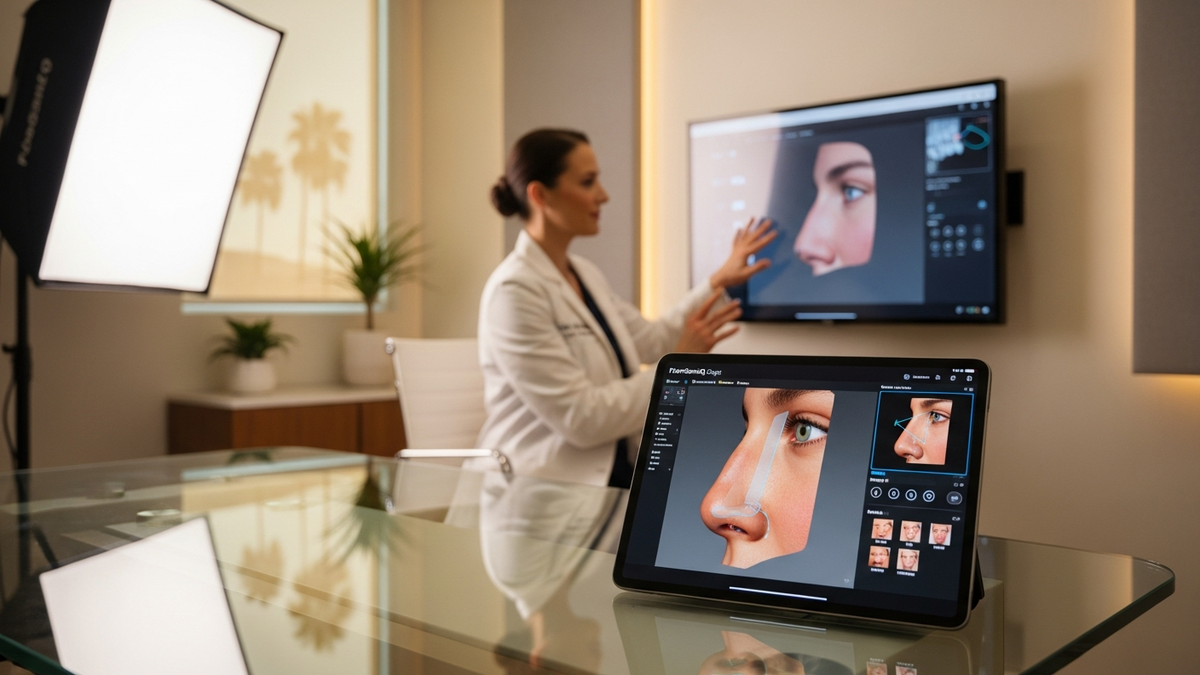
Expect an exam that may include assessment of internal nasal structures and airflow patterns. Many surgeons also use imaging or standardized photography to help patients visualize potential outcomes.
Questions to Ask Your Surgeon
- Will my procedure address breathing, or is it primarily cosmetic?
- What specific structure is causing my obstruction?
- What technique and grafting strategy do you recommend for my anatomy?
- How do you define a “natural-looking” result for my face?
- What does recovery look like week by week?
Rhinoplasty Procedure Day: Safety, Comfort, and Planning
Rhinoplasty is typically performed with anesthesia and careful intraoperative technique to protect the nasal framework. Your surgeon will provide preoperative instructions, which may include guidance on:
- Medications to avoid before surgery
- Smoking cessation and nicotine avoidance
- Arranging post-op support for the first 24–48 hours
- Planning for work and social downtime
While your exact protocol varies, the overall focus remains the same: precise reshaping, stable support, and a recovery plan tailored to your needs.
Recovery Timeline After Rhinoplasty in Los Angeles
Recovery is not a single moment—it’s a process. Patients often feel “presentable” at different times than the nose actually settles into its final form.
First Week: Swelling, Bruising, and Rest
Most patients experience swelling and mild to moderate bruising. You may have splints or dressings depending on the approach and your surgeon’s protocol. It’s common to:
- Use prescribed medications as directed
- Keep your head elevated
- Avoid strenuous activity
- Follow wound and dressing care instructions
Weeks 2–6: Gradual Improvement
As swelling decreases, your nose may look more defined. However, it can still change in subtle ways. Many patients return to light routines with continued caution around:
- High-impact exercise
- Glasses pressure on the nose (your surgeon may suggest alternatives)
- Sun exposure (to help reduce discoloration)
Months 3–12: Final Shape and Refinement
Even after visible improvements, final refinement can take longer—often up to a year or more—depending on individual healing, skin thickness, and the extent of reshaping.
Functional Breathing Outcomes: What You Might Notice
If your rhinoplasty plan includes functional improvements, you may notice changes such as:
- Less “stuffy nose” feeling
- Improved nasal airflow
- Better comfort during sleep
- Reduced reliance on nasal sprays (only if your surgeon approves)
That said, breathing changes may evolve as swelling resolves. If you have chronic sinusitis or allergy-related congestion, your surgeon may also discuss complementary treatment strategies.
Alternatives and Adjunct Treatments for Nasal Congestion
Not every breathing concern is best treated with rhinoplasty alone. Dr. Hootan Zandifar offers functional nasal procedures designed to permanently alleviate symptoms that make it hard to breathe in appropriate circumstances.
Septoplasty for a Deviated Septum
Most noses have a septum that centrally divides the two nostrils for optimal airflow. When the septum is not straight, it can obstruct one or both nostrils. Septoplasty straightens the nasal cartilage and corrects the crooked septum. Learn more at Septoplasty and Deviated Septum resources.
Inferior Turbinate Reduction for Chronic “Stuffy Nose”
For patients with long-term nasal obstruction and chronic congestion, inferior turbinate reduction may help improve airflow and support easier breathing. This can be particularly relevant for patients who experience sleep-disordered breathing symptoms.
Nasal Valve Collapse: When the Airway Needs Support
The nasal valve is a critical pathway for airflow. In some patients, collapse of the nasal valve contributes to severe obstruction, difficulty breathing, chronic nosebleeds, or other symptoms.
Treatment options can include both non-surgical and surgical strategies depending on severity. Your surgeon may discuss options such as Latera implant or Vivair treatment in selected cases.
Balloon Sinuplasty and Endoscopic Sinus Surgery
If sinus blockage and chronic sinus infections are part of the picture, minimally invasive sinus procedures may be recommended. Options include:
- Balloon sinuplasty to open blocked sinus passages and help eliminate chronic sinus infections.
- Endoscopic sinus surgery with image guidance to restore normal sinus function, widen sinus passages, and improve smell.
Allergy Treatment That Can Support Nasal Function
Allergies can affect your ability to breathe efficiently through the nose. For some patients, sublingual immunotherapy—a “no shot” approach—may be considered. This can be an innovative option for allergy management and may complement structural treatment.
Who Is a Good Candidate for Rhinoplasty?
Ideal candidates typically have realistic expectations, stable health, and clear reasons—cosmetic, functional, or both—for pursuing surgery.
Common candidacy factors include:
- Adults with fully developed nasal structures
- Individuals seeking improved facial balance
- People with nasal obstruction that affects quality of life
- Patients who understand that swelling and final results take time
Your surgeon will help determine whether rhinoplasty alone is the best plan or whether targeted functional procedures should be prioritized.
How to Choose the Right Surgeon for Rhinoplasty in Los Angeles
Choosing a surgeon is one of the most important decisions you’ll make. Look for a specialist who combines aesthetic artistry with functional expertise and clear patient education.
Credentials and Training to Look For
For example, Dr. Hootan Zandifar is double board certified and fellowship trained, with extensive training in head and neck surgery and facial plastic and reconstructive surgery. This blend of expertise is designed to support both cosmetic and functional outcomes.
Natural-Looking Results: A Philosophy, Not a Promise
A trustworthy surgeon will discuss:
- Your facial proportions and how the nose supports them
- What can realistically be changed based on your anatomy
- How the plan protects structure and airflow
Patient Education and Transparent Expectations
Rhinoplasty satisfaction often depends on alignment between expectations and outcomes. A surgeon who educates you thoroughly can help reduce uncertainty and support confident decision-making.
Cost Considerations for Rhinoplasty in Los Angeles
Rhinoplasty costs vary based on complexity, surgeon experience, facility fees, anesthesia, and whether additional procedures are needed. Some functional components may be treated under different billing considerations, depending on the case.
Instead of focusing only on price, consider the value of:
- Comprehensive evaluation of both form and function
- Careful surgical planning and structural support
- Follow-up care and long-term result monitoring
Your consultation is the best time to discuss a transparent estimate.
Frequently Overlooked Details: Lifestyle, Skin, and Realistic Timelines
Small factors can influence both appearance and comfort after surgery. Pay attention to:
- Smoking/nicotine use: can affect healing and tissue health
- Skin thickness and elasticity: can impact how swelling resolves and how the final shape settles
- Allergies: ongoing inflammation can affect comfort and nasal function
- Activity level: adherence to restrictions supports smoother recovery
Rhinoplasty and Facial Harmony: Considering Other Head-and-Neck Aesthetic Treatments
Many patients in Los Angeles also consider other head-and-neck rejuvenation options alongside rhinoplasty. While everyone’s plan is unique, it’s helpful to think about overall facial balance.
For instance, some individuals explore complementary procedures such as:
- Facelift for age-related changes in facial skin and tissue—see Facelift.
- Blepharoplasty to address upper eyelid heaviness or lower eyelid puffiness—learn more at Blepharoplasty.
- Brow lift to refresh the upper face and reduce forehead lines.
These procedures are not required for rhinoplasty, but discussing your broader aesthetic goals can help ensure your results look cohesive.
FAQ: Rhinoplasty in Los Angeles
How long does rhinoplasty recovery take?
Most swelling and bruising improve significantly within the first few weeks, but final refinement often takes months. Many patients continue to see changes up to 12 months or longer, depending on the procedure and individual healing.
Will rhinoplasty help me breathe better?
It can—especially when functional issues like septal deviation, nasal valve weakness, or turbinate enlargement are addressed during planning. Your surgeon can determine whether rhinoplasty alone is appropriate or whether targeted functional procedures should be prioritized.
Is septoplasty the same as rhinoplasty?
No. Septoplasty focuses on straightening the septum to improve airflow. Rhinoplasty reshapes the nose’s external structure and may include functional support depending on your goals.
What makes a rhinoplasty result look natural?
Natural results typically come from careful proportion planning, respect for your existing facial features, and stable structural support. A surgeon who understands both aesthetics and nasal function is often better positioned to achieve balanced outcomes.
Can I combine rhinoplasty with other cosmetic procedures?
Some patients pursue multiple facial procedures, but timing and safety depend on your health and the specific procedures. Your surgeon can help you decide what should be done together versus staged for optimal recovery.
Next Steps: Start With a Personalized Consultation
If you’re considering rhinoplasty in Los Angeles, the best way to move forward is with a consultation that addresses both your aesthetic goals and your breathing needs. Dr. Hootan Zandifar’s patient-centered approach focuses on education, realistic planning, and natural-looking results—grounded in functional nasal expertise.
Actionable recommendations before your visit:
- Write down your primary concerns (appearance, breathing, sleep, congestion triggers).
- Bring a list of current medications and allergies.
- Share any prior nasal injuries or surgeries.
- Consider bringing reference photos that reflect the type of refinement you like.
Then, schedule your consultation to discuss whether rhinoplasty, functional nasal procedures (such as septoplasty), or a combination approach is best for you.
Professional Disclaimer
This content is provided for general educational purposes only by FlowGeniQ Digest. It is not a substitute for professional advice, diagnosis, or treatment. Readers are advised to consult qualified professionals for personalized recommendations.
Medical Information Disclaimer
This content is provided for general educational purposes only by FlowGeniQ Digest. It is not a substitute for professional advice, diagnosis, or treatment. Readers are advised to consult qualified professionals for personalized recommendations.