Rhinoplasty in Chicago: what you should know before you book a consultation
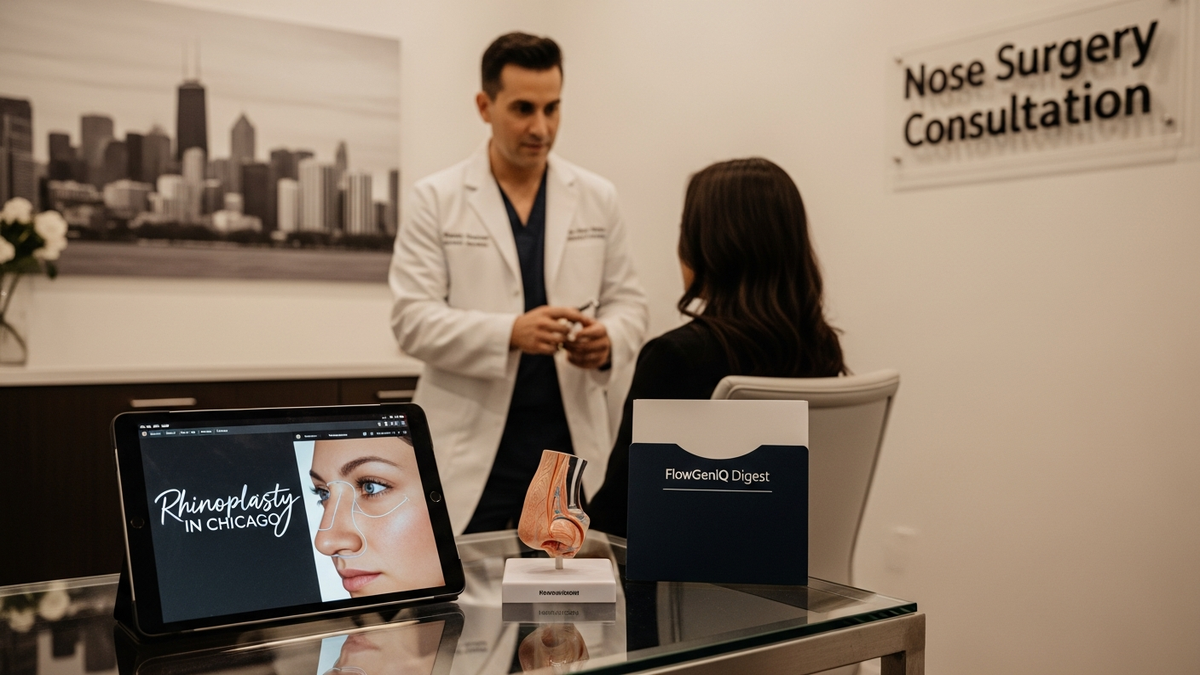
Choosing rhinoplasty in Chicago is a personal decision—often driven by both aesthetics and function. Some patients want a more balanced nose profile; others are seeking relief from chronic nasal obstruction, congestion, or difficulty breathing. In this FlowGeniQ Digest guide, we break down what rhinoplasty can do, how surgeons plan results, what recovery typically looks like, and how to choose a qualified team for natural-looking outcomes.
Important note: Not every “nose job” is the right answer for nasal breathing problems. In many cases, functional nasal procedures—such as Septoplasty or turbinate reduction—may be more appropriate than cosmetic-only surgery. A thorough evaluation is the best starting point.
What is rhinoplasty?
Rhinoplasty (often called a “nose job”) is a surgical procedure that changes the shape and/or structure of the nose. Surgeons may adjust the nasal bones, cartilage, tip position, and nasal airway components to improve facial harmony and—when indicated—nasal airflow.
In practice, rhinoplasty commonly addresses one or more of the following goals:
- Aesthetic refinement: reshaping the bridge, narrowing or straightening the nose, refining the tip, improving symmetry, or correcting disproportion.
- Functional improvement: reducing obstruction caused by structural issues that limit airflow.
- Structural balance: improving the relationship between the nose and surrounding facial features (eyes, cheeks, lips, and chin) for a natural look.
Today’s best outcomes often come from a plan that integrates both aesthetics and function—especially for patients who experience congestion, mouth breathing, or recurrent sinus symptoms.
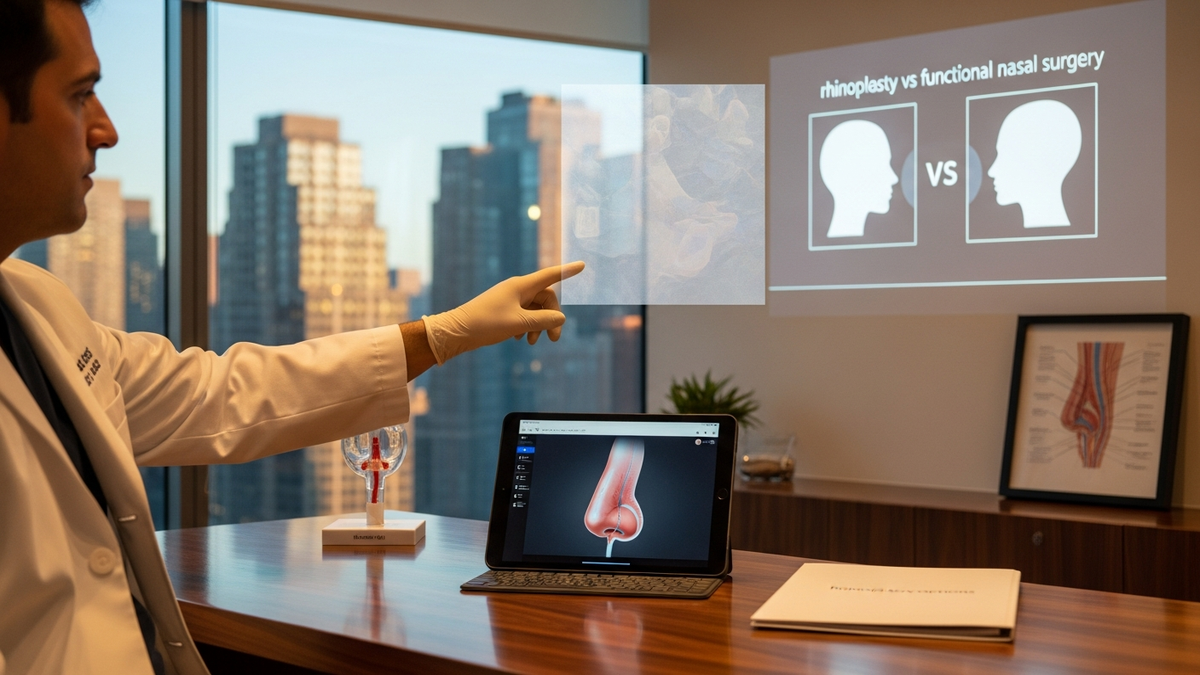
Rhinoplasty vs. functional nasal surgery: how to tell the difference
Many people search for rhinoplasty when they’re actually dealing with airway obstruction. While rhinoplasty can sometimes improve breathing, it is not the only option—and not always the most direct one.
When cosmetic rhinoplasty may be the best fit
Cosmetic rhinoplasty may be appropriate if your primary concern is appearance and you already breathe well through your nose. Your surgeon will still evaluate your internal nasal anatomy because aesthetics and airflow are closely linked.
When functional procedures may be more appropriate
If your main issue is chronic stuffiness, difficulty breathing, or symptoms related to structural obstruction, your surgeon may recommend functional options. For example:
- Septoplasty can straighten a crooked septum that obstructs airflow. If you’re dealing with a Septoplasty, this may be part of your evaluation.
- Patients with a Deviated Septum often experience one-sided blockage, mouth breathing, or persistent congestion.
- Inferior turbinate reduction may help relieve long-term “stuffy nose” symptoms by improving airflow.
- In some cases, nasal valve collapse is addressed with targeted medical or surgical techniques.
Functional surgery can be less invasive than rhinoplasty and may permanently improve symptoms that affect quality of life. A comprehensive exam is the key to choosing the right path.
Types of rhinoplasty (and what they’re designed to change)
Rhinoplasty is not one-size-fits-all. Your surgeon selects techniques based on your anatomy, skin type, cartilage strength, and desired outcome.
Open vs. closed rhinoplasty
- Open rhinoplasty: involves a small incision across the columella (the tissue between the nostrils). This approach can provide greater visibility for complex reshaping, tip refinement, or revision cases.
- Closed rhinoplasty: incisions are made inside the nostrils. This approach may be preferred for certain bridge or minor tip adjustments.
Both approaches can produce excellent results. The “best” method depends on the specific structural changes required.
Primary vs. revision rhinoplasty
- Primary rhinoplasty: your first nasal surgery.
- Revision rhinoplasty: performed after a prior operation where the outcome was unsatisfactory or functional issues remain.
Revision cases often require meticulous planning and may involve cartilage grafting, scar tissue considerations, and careful airway assessment.
Tip-focused vs. bridge-focused changes
Some patients primarily want a refined tip (droop, bulbousness, asymmetry). Others want bridge smoothing or straightening. Many patients need a combination to achieve balanced facial harmony.
Who is a good candidate for rhinoplasty in Chicago?
A strong candidate generally has realistic expectations, stable health, and anatomy that can be safely reshaped. During your evaluation, your surgeon typically reviews:
- Medical history (including bleeding disorders, autoimmune conditions, and prior nasal surgeries)
- Breathing symptoms (congestion, snoring, mouth breathing, allergies)
- Skin characteristics (thickness, oiliness, tendency toward swelling)
- Facial proportions and goals for symmetry
- Imaging or nasal endoscopy when needed
Many surgeons also consider whether a functional procedure (or combined approach) would better address your symptoms.
Common reasons patients seek rhinoplasty
- Visible hump or uneven bridge
- Drooping or poorly defined nasal tip
- Nasal asymmetry
- Wide nostrils or irregular nostril shape
- Difficulty breathing due to internal structural issues
- Post-traumatic deformity
How surgeons plan natural-looking results
One reason rhinoplasty in Chicago attracts patients from across the region is the emphasis on individualized, natural outcomes. Premium planning typically includes both artistic and anatomical considerations.
Facial harmony matters more than a “perfect” nose
Natural results are usually achieved by balancing nose size and shape with your unique facial features. Surgeons often discuss how changes will look from multiple angles—not just the front view.
Skin and cartilage guide the outcome
Your surgeon will evaluate your skin thickness and cartilage strength. For example, thicker skin may require more structural support to achieve refined definition, while thinner skin may show contour changes differently.
Airway assessment is part of quality rhinoplasty
Even if you’re focused on aesthetics, the best surgeons evaluate internal nasal mechanics. If you have chronic congestion or nasal valve issues, the plan may include functional steps to support long-term breathing.
For patients with breathing concerns, it’s worth asking whether your situation is better addressed by rhinoplasty or by a functional procedure such as Septoplasty. Some patients benefit from non-cosmetic interventions that directly address obstruction.
Rhinoplasty procedure overview: what happens during surgery?
While individual protocols vary by surgeon and case complexity, most rhinoplasty surgeries follow a structured flow:
- Preoperative planning: measurements, photography, and discussion of aesthetic and functional goals.
- Anesthesia: typically general anesthesia for comfort and safety.
- Incisions and access: open or closed technique based on your plan.
- Reshaping: modifications to cartilage and/or bone to achieve the desired contour.
- Support and grafting: cartilage grafts may be used to strengthen the tip, refine the shape, or support airway structure.
- Closure and dressing: incisions are closed; splints or dressings may be applied.
If your case includes functional components, your surgeon may also address septal alignment, turbinate size, or nasal valve support as indicated.
Recovery timeline after rhinoplasty in Chicago
Recovery is a major factor in planning. While every patient heals differently, most rhinoplasty recoveries follow a predictable pattern.
First week: swelling, bruising, and splints
- Days 1–3: swelling and bruising peak for many patients. Nasal congestion from splints or internal swelling is common.
- Days 4–7: you may begin to feel more comfortable, though swelling remains noticeable.
- Follow-up visits: splints or external dressings may be removed per your surgeon’s protocol.
Weeks 2–4: gradual refinement
As swelling decreases, the nose often looks less “puffy.” However, the final shape is still forming beneath the surface.
- Light activities may be possible based on your surgeon’s guidance.
- Strenuous exercise is usually restricted early on to reduce bleeding and swelling risk.
Months 2–6: visible improvement
Many patients notice meaningful changes by this stage. Tip definition and bridge contour often continue to settle.
Up to 12 months: final maturation
Rhinoplasty results can continue to refine for up to a year or longer, especially in areas like the tip where swelling and tissue remodeling take time.
Practical recovery tips
- Plan ahead: arrange time off for the first 1–2 weeks (or more, depending on your job).
- Sleep smart: keep your head elevated to reduce swelling.
- Avoid pressure: be careful with glasses or activities that may impact the nose.
- Follow medication instructions: use prescribed meds as directed and avoid aspirin/NSAIDs unless your surgeon approves.
- Attend follow-ups: healing is monitored closely—so don’t skip visits.
Risks and complications: what to discuss before surgery
All surgery carries risk. A trustworthy consultation will include a transparent discussion of potential complications and how the surgical team reduces them.
Possible risks
- Bleeding or infection
- Persistent swelling or asymmetry
- Scar tissue or contour irregularities
- Breathing changes (rarely worsening airway function)
- Need for revision surgery in some cases
How often complications occur depends on surgeon experience, your anatomy, and adherence to pre- and post-operative instructions.
Cost of rhinoplasty in Chicago: what influences price?
Rhinoplasty costs vary widely. If you’re budgeting for rhinoplasty in Chicago, consider that price may reflect more than the operating room fee.
Common cost factors
- Complexity: primary vs. revision, bridge vs. tip changes, grafting needs
- Functional components: combined aesthetic and airway work can change scope
- Surgeon expertise: advanced training and experience with your specific nasal anatomy
- Facility and anesthesia fees
- Pre- and post-op care: visits, medications, and follow-up imaging (if needed)
Actionable recommendation: When comparing quotes, ask for an itemized estimate and confirm what’s included (surgeon fee, anesthesia, facility, follow-ups). This helps you avoid surprises later.
How to choose the right surgeon for rhinoplasty in Chicago
Your surgeon selection is one of the most important decisions you’ll make. A premium rhinoplasty experience should feel educational, transparent, and tailored.
Key questions to ask during your consultation
- Are you board-certified and experienced in rhinoplasty (including revision cases if relevant)?
- Will you evaluate my airway (septum, turbinates, nasal valve) or refer for functional assessment?
- What technique fits my anatomy (open vs. closed, grafting plan, support strategy)?
- How do you define “natural” results for my face?
- Can you show before-and-after examples similar to my goals and skin type?
- What is the recovery plan and what restrictions should I expect?
- What risks do you see in my specific case, and how do you manage them?
Look for a patient education-first approach
In FlowGeniQ Digest’s research-based editorial standards, we prioritize care teams that emphasize education and informed decision-making. A surgeon who explains options—functional and cosmetic—and helps you understand trade-offs is usually a safer choice.
For example, some patients may be better served by functional nasal surgery rather than cosmetic changes alone. If you’re exploring rhinoplasty, it’s also reasonable to ask whether Septoplasty or other airway-focused procedures should be considered.
Functional nasal surgery options that may complement rhinoplasty
Many patients have overlapping goals: improving facial balance and improving breathing. Depending on your anatomy, your surgeon may recommend additional functional steps.
Septoplasty for a deviated septum
A deviated septum can obstruct one side of the nose. Septoplasty straightens the septal cartilage to improve airflow. If your main symptoms involve persistent blockage, this may be discussed as part of your plan.
Inferior turbinate reduction for chronic congestion
Enlarged turbinates can contribute to a long-term “stuffy nose.” Turbinate reduction aims to improve airflow and may benefit patients with chronic congestion and sleep-disordered breathing symptoms.
Repair of nasal valve collapse
The nasal valve is a key structure for airflow. When it collapses, patients may feel they can’t get enough air in—especially during exertion or certain positions. Treatment may be non-surgical in some cases, or surgical with targeted implants or support techniques in others.
When sinus issues and allergies are involved
Chronic sinusitis and allergies can worsen nasal obstruction. Treatments like balloon sinuplasty or endoscopic sinus surgery may be considered in appropriate patients. Allergy-focused approaches (including sublingual immunotherapy) can also help reduce inflammation that affects breathing.
Rhinoplasty and your overall appearance: planning beyond the nose
While rhinoplasty focuses on the nose, many patients think about the full face and how changes will look in context. A thoughtful surgeon may discuss how your nose relates to your profile and facial aging concerns.
When patients also consider other facial procedures
Some individuals explore additional options for harmony or rejuvenation. For instance:
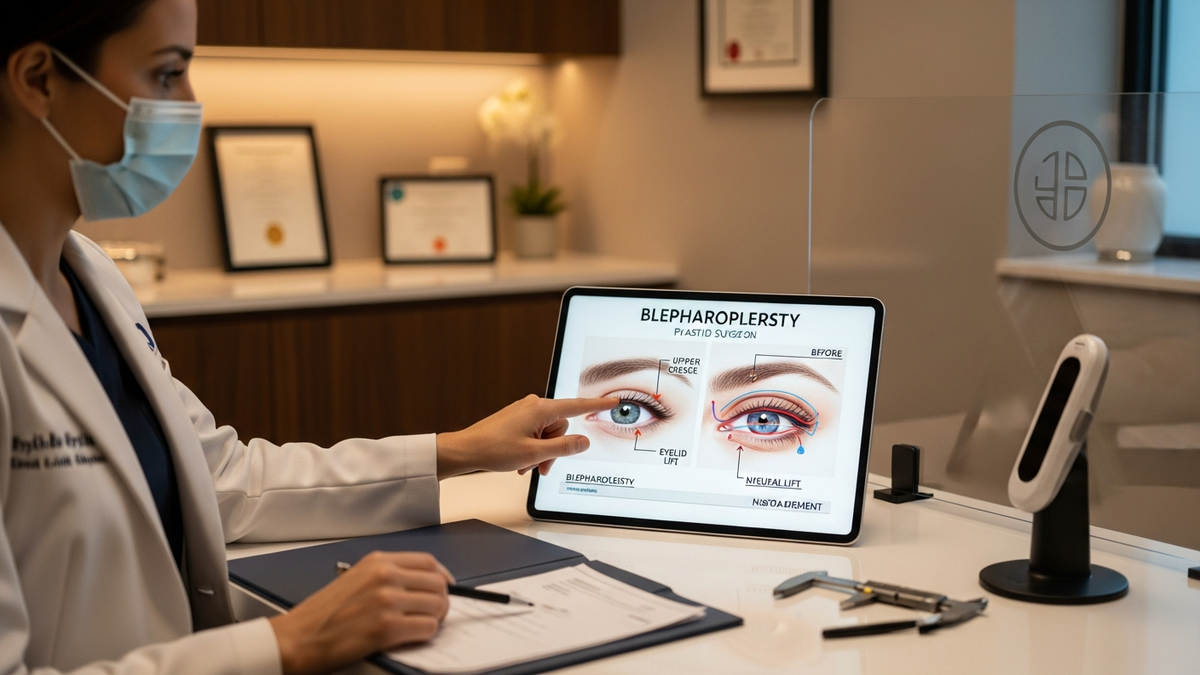
- Blepharoplasty for upper or lower eyelid changes: Blepharoplasty
- Facelift for skin laxity: Facelift
These decisions are highly personal. If you’re considering multiple procedures, ask your surgeon about sequencing and healing timelines.
Frequently overlooked pre-op steps
Getting ready for rhinoplasty is more than choosing a date. Patients who prepare well often have smoother experiences.
What to do before surgery
- Follow medication guidance: stop or adjust supplements and medications only as instructed.
- Arrange transportation: you’ll need help after anesthesia.
- Prepare recovery supplies: saline spray (if approved), cold compresses, and comfortable head-elevating pillows.
- Plan for work and social downtime: swelling and bruising can affect appearance early on.
- Bring your questions: write down goals, concerns, and any breathing symptoms.
What to avoid
- Avoid smoking or nicotine products if possible (ask your surgeon for a plan to reduce risk).
- Don’t start new supplements without approval.
- Be cautious with activities that could increase trauma to the nose during early healing.
Rhinoplasty in Chicago: a practical checklist for your decision
Use this checklist to keep your consultation grounded in your goals and safety.
- My main goal is: appearance, breathing, or both.
- My surgeon discussed airway evaluation and whether functional surgery is needed.
- I understand the planned technique (open vs. closed) and why it fits my anatomy.
- I reviewed realistic timeline expectations for swelling and final results.
- I asked about risks and how they’re managed.
- I received a clear post-op plan for follow-ups and restrictions.
- I feel heard and educated—not pressured.
Related reading: rhinoplasty and facial plastic surgery resources
If you’re researching options beyond your local area, you may find helpful educational pages about technique and outcomes. For example, you can explore Rhinoplasty resources for general background and surgical philosophy.
And if you’re comparing procedures across facial concerns, it can help to understand how different specialties approach harmony. (While this guide focuses on rhinoplasty in Chicago, the underlying principles of individualized planning apply broadly.)
FAQ: rhinoplasty in Chicago
How long does rhinoplasty recovery take?
Many patients return to lighter activities within 1–2 weeks, but swelling can persist for months. Final maturation often takes up to 12 months, especially for the nasal tip.
Will rhinoplasty improve breathing?
It can, depending on the cause of obstruction. If symptoms are driven by septal deviation, turbinate enlargement, or nasal valve collapse, surgeons may recommend functional procedures—sometimes combined with cosmetic reshaping.
Is open or closed rhinoplasty better?
Neither is universally “better.” The right choice depends on your anatomy, the complexity of changes needed, and your surgeon’s recommended technique for achieving both aesthetic and functional goals.
What makes results look natural?
Natural results typically come from individualized planning based on your facial proportions, skin thickness, cartilage support, and a balanced approach—not a standardized nose shape.
How do I know if I need revision rhinoplasty?
Revision is considered when goals were not met or when functional issues persist. A thorough evaluation is essential, and timing matters—your surgeon will usually wait until tissues fully heal before deciding on next steps.
CTA: schedule a consultation and get a plan tailored to your goals
If you’re considering rhinoplasty in Chicago, the best next step is a consultation that addresses both aesthetics and function. In FlowGeniQ Digest’s editorial approach, we encourage patients to come prepared with their goals and breathing symptoms so the surgeon can recommend the most appropriate pathway—whether that’s rhinoplasty, functional nasal surgery, or a combined plan.
Take action today: Book a consultation with a qualified, experienced facial plastic or ENT surgeon to discuss candidacy, technique options, and a realistic recovery timeline.
Professional Disclaimer
This content is provided for general educational purposes only by FlowGeniQ Digest. It is not a substitute for professional advice, diagnosis, or treatment. Readers are advised to consult qualified professionals for personalized recommendations.
Medical Information Disclaimer
This content is provided for general educational purposes only by FlowGeniQ Digest. It is not a substitute for professional advice, diagnosis, or treatment. Readers are advised to consult qualified professionals for personalized recommendations.