Published for FlowGeniQ Digest
When people search “rhinoplasty celebrity,” they’re usually chasing one of two things: an effortlessly refined nose that looks like it belongs on the face—and, increasingly, the ability to breathe better. The truth is that the most convincing results rarely come from a single “trend” or a cookie-cutter template. Instead, they come from careful planning that respects facial proportions, nasal structure, skin quality, and—often overlooked—functional nasal airway health.
In this guide, we’ll explore what rhinoplasty celebrity transformations have in common, how board-certified facial plastic surgeons think about aesthetics and function together, and what you can do to set yourself up for safer, more natural outcomes.
What “rhinoplasty celebrity” really means: aesthetics + function, not just a smaller nose
Celebrity nose jobs are frequently photographed in flattering lighting, after swelling has resolved, and with makeup and styling that enhance facial features. But the underlying surgical principles are consistent: top surgeons aim for balance, symmetry, and appropriate change—not perfection.
Just as important, many patients want their results to include better breathing. A nose that looks great but feels congested or unstable can create long-term dissatisfaction. That’s why modern facial plastic care often pairs aesthetic goals with functional evaluation.
Celebrity-style results tend to follow a “facial harmony” blueprint
Instead of focusing on the nose alone, surgeons consider how the nose interacts with:
- Forehead and brow position
- Tip projection and rotation
- Nasolabial angle
- Lip shape and chin projection
- Skin thickness and texture
This is a key reason why many rhinoplasty celebrity results look “natural”: they don’t fight your facial identity—they refine it.
Function matters: airflow, nasal valve support, and structural stability
Some people assume rhinoplasty is purely cosmetic. In reality, the nose is a complex airway structure. Changes to cartilage, support mechanisms, and internal anatomy can affect breathing. A thoughtful approach evaluates whether the patient has:
- Chronic nasal congestion
- Deviated nasal septum
- Enlarged turbinates
- Nasal valve collapse tendencies
- History of sinusitis or recurrent infections
When function is addressed alongside aesthetics, results often feel better day-to-day—not just in photos.
How facial plastic surgeons plan rhinoplasty celebrity outcomes
Achieving a refined, “celebrity-level” look requires more than technical skill. It requires a structured planning process that anticipates healing, swelling, and long-term tissue behavior.
1) A comprehensive nose and face analysis
During consultation, surgeons typically assess your facial proportions from multiple angles and evaluate your nasal anatomy internally and externally. They may review:
- Skin quality (thick vs. thin, elasticity, texture)
- Cartilage strength (and whether grafting is likely)
- Tip support and symmetry
- Internal airway contributors to congestion
- Previous surgeries or trauma
For patients who want both a refined aesthetic and improved breathing, this is where rhinoplasty planning becomes more nuanced.
2) Realistic goals and “appropriate change”
One of the most common reasons people feel disappointed after surgery is a mismatch between expectations and surgical reality. A natural look often means choosing a result that is proportionate to your face and your anatomy.
In other words, the goal is not to erase your nose—it’s to refine it. Many rhinoplasty celebrity results look subtle because they are designed to remain “you,” just elevated.
3) Technique selection based on anatomy
There isn’t one single rhinoplasty technique that works for everyone. The best plan depends on structural needs—especially around the nasal tip and airway support.
For some patients, the aesthetic goals can be achieved with a standard approach. For others, stability and breathing improvements may require additional strategies such as grafting, cartilage reinforcement, or targeted functional corrections.
When “rhinoplasty” isn’t the best first step: functional nasal surgery options
Not every breathing problem requires the same intervention as a purely cosmetic nose reshaping. In fact, some patients searching rhinoplasty celebrity outcomes are actually dealing with a functional issue that affects comfort and airflow.
At times, addressing airway contributors can improve daily breathing without necessarily performing a full cosmetic rhinoplasty. A facial plastic surgeon who focuses on both function and aesthetics can help you determine what’s appropriate for your anatomy.
Septoplasty for structural airflow issues
If your nasal septum is crooked—often described as a Deviated Septum—it can obstruct airflow. Septoplasty straightens the nasal cartilage and corrects a crooked septum, which may help you breathe more comfortably.
In many cases, patients with septal deviation may also have other contributors such as turbinate enlargement. The evaluation matters because the “best” procedure depends on where the obstruction is occurring.
If you suspect a septal issue, learning more about Septoplasty and the role of Deviated Septum can be a helpful starting point.
Inferior turbinate reduction for a chronic “stuffy nose”
Enlarged turbinates can create long-term congestion and a persistent feeling of blockage. Inferior turbinate reduction aims to improve airflow and nasal breathing, which can also support better sleep quality for some patients.
Nasal valve collapse: why stability is everything
The nasal valve is a key airflow structure. When it collapses, breathing can become difficult—even if the septum is relatively straight. Treatment may include non-surgical options (depending on severity) or surgical strategies.
Some patients may be candidates for implants or other interventions designed to increase airway support. Discussing nasal valve function is essential because it can influence both comfort and surgical planning.
Balloon sinuplasty and endoscopic sinus surgery for sinus blockage
If chronic sinusitis contributes to congestion, targeted sinus procedures may help restore normal sinus function. Options can include:
- Balloon sinuplasty to open blocked sinus passages with a minimally invasive approach
- Endoscopic sinus surgery (often with image guidance) to widen sinus passages and help clear trapped mucus
When sinus issues improve, the nose often feels less “heavy,” and patients can experience a meaningful quality-of-life upgrade.
Rhinoplasty celebrity results: what makes a nose look “expensive” and natural
Many rhinoplasty celebrity outcomes share a refined visual signature. While the exact look varies by person, the results often have these characteristics:
- Tip refinement without over-aggression
- Balanced projection (not too short, not too long)
- Natural nasal dorsum contour that matches skin thickness
- Symmetry from multiple angles
- Appropriate rotation that complements the lips
- Internal support that supports long-term shape and breathing
Skin and cartilage dictate what “small” really means
For example, thin skin may show cartilage definition differently than thicker skin. A surgeon must consider how the skin will drape over the new framework. This is one reason why two patients who both want a “celebrity nose” can end up with distinct surgical plans.
Grafting and support can be the difference between “pretty” and “stable”
When the nasal tip lacks sufficient support—or when internal stability needs reinforcement—grafting may be recommended. The goal is not only aesthetics today but maintaining structure as tissues heal and remodel over time.
Choosing a surgeon for rhinoplasty celebrity-level results
If you’re looking for a rhinoplasty celebrity outcome, the most important decision is selecting a qualified, experienced facial plastic and reconstructive surgeon. A premium result is built on training, technique, and patient-specific planning.
What to look for in a rhinoplasty provider
- Board certification in relevant specialties
- Facial plastic focus (head and neck expertise matters)
- Experience with functional nasal surgery alongside aesthetics
- Transparent, education-forward consultations
- Natural-looking outcomes consistent with your anatomy
A note on expertise and trust
Surgeons who specialize in head and neck procedures often bring a deeper understanding of both aesthetic structures and airway function. For patients in Los Angeles and Beverly Hills, finding a surgeon who can address both components can be especially beneficial.
Why a functional facial plastic approach can improve your rhinoplasty journey
At Hootan Zandifar, MD, FACS, the focus is on cosmetic and reconstructive surgery of the head and neck, with additional expertise in functional nasal surgery. The practice is built around education, honest guidance, and natural-looking results that aim to help patients look their best and feel their best.
Dr. Zandifar specializes in functional nasal procedures designed to treat chronic symptoms of nasal congestion and sinusitis using minimally invasive strategies when appropriate. In the right circumstances, these treatments can permanently alleviate symptoms that make it hard to breathe and improve quality of life.
Rhinoplasty can be the right choice—or part of a broader plan
Not every patient needs rhinoplasty first. Some need airway-focused care before considering aesthetic refinement. Others benefit from a combined approach. The key is a careful evaluation that clarifies what will deliver the best overall outcome for your anatomy.
If you’re researching rhinoplasty celebrity changes and want to understand how a surgeon evaluates both form and function, you may find it helpful to review Rhinoplasty information and how individualized planning works in practice.
Actionable pre-consultation checklist (so you can ask better questions)
If you’re preparing for a consultation for rhinoplasty or related functional nasal treatment, come ready. This can shorten decision time and help you get clarity quickly.
Bring this information
- Your medical and medication history (including allergies)
- Any prior nasal procedures or trauma details
- Photos of your face in neutral lighting and multiple angles
- A list of symptoms: congestion, sleep disruption, nosebleeds, sinus infections
- What you like and dislike about your nose (be specific)
Ask these questions
- “What functional issues could be affecting my breathing?”
- “Would I benefit from septoplasty or turbinate reduction before or instead of rhinoplasty?”
- “How will you preserve or enhance nasal support so the result stays stable?”
- “What does a natural outcome look like for my specific facial anatomy?”
- “What is the typical recovery timeline and what should I expect emotionally and physically?”
Recovery and results: why rhinoplasty celebrity timelines can be misleading
Celebrities often share curated “before and after” photos, but those images don’t always reflect the full recovery process. Swelling can persist for months, and subtle refinement continues as tissues settle.
Plan for a staged transformation:
- Early phase: swelling, bruising, and temporary nasal sensitivity
- Intermediate phase: noticeable contour changes, but still evolving
- Longer-term phase: shape refinement and stabilization over time
Your surgeon should discuss realistic expectations and provide guidance for safe healing.
Rhinoplasty celebrity inspiration: how to use photos without copying
It’s normal to feel drawn to a “celebrity nose” look. However, using inspiration photos effectively means using them as a starting point, not a demand.
Instead of saying “I want that exact nose,” try describing the features you like, such as:
- More refined tip
- Smoother dorsum contour
- Improved proportion to lips and chin
- Less visible hump or asymmetry
This gives your surgeon the information needed to propose a plan that fits your anatomy and supports breathing.
Related facial and head/neck enhancements (optional considerations)
Some patients who pursue rhinoplasty celebrity-inspired changes also explore other head and neck procedures to create a cohesive refresh. Depending on your goals, you may consider:
- Blepharoplasty for upper or lower eyelid rejuvenation: Blepharoplasty
- Facelift for mid-to-lower facial aging: Facelift
- Hair restoration if you’re addressing hair loss: hair transplant
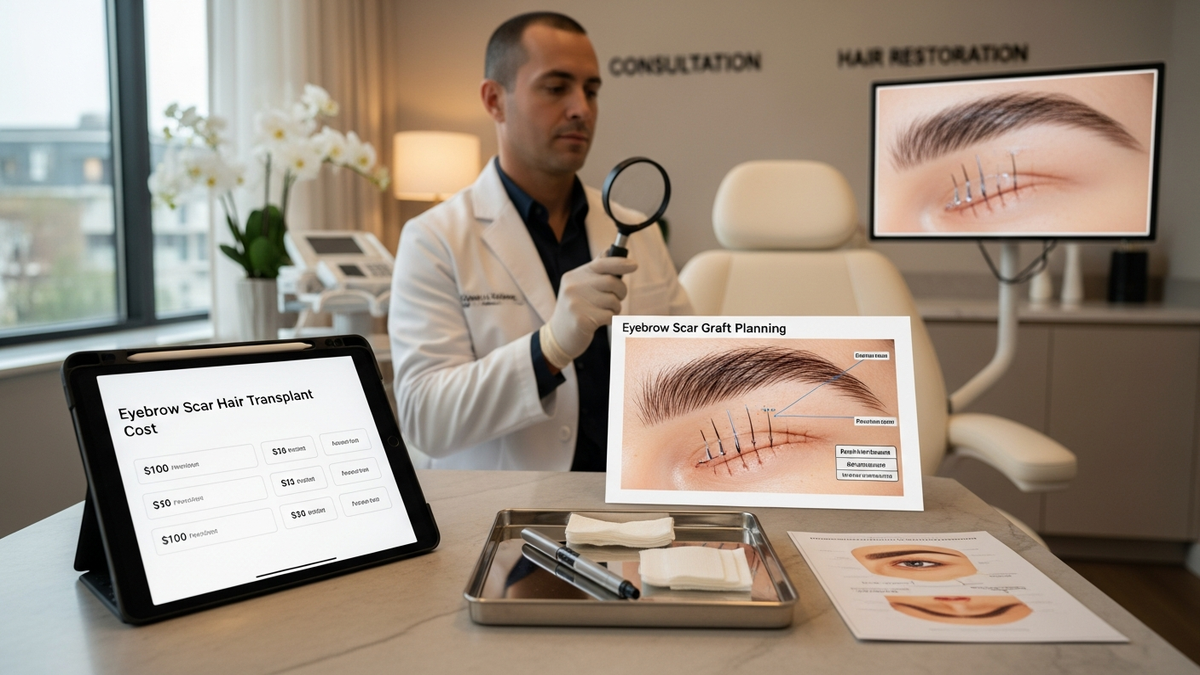
- Eyebrow restoration when eyebrow thinning affects facial framing: eyebrow transplant
These are not required for rhinoplasty success, but they can be part of a broader aesthetic strategy for some patients.
FAQ: Rhinoplasty celebrity results and real-world expectations
1) Can rhinoplasty give me the “celebrity nose” look?
It can, but the best approach is to translate celebrity features into goals that match your anatomy. A qualified surgeon will refine proportions and support stability rather than trying to replicate someone else’s nose exactly.
2) Will rhinoplasty always improve breathing?
Not necessarily. Rhinoplasty can improve breathing when structural issues are addressed, but some patients may need functional nasal procedures such as Septoplasty or turbinate reduction. A thorough evaluation helps determine what you need.
3) How do I know if I have a deviated septum?
Common signs include chronic one-sided blockage, mouth breathing, and recurring congestion. Your surgeon can confirm the cause during exam and imaging if needed. If you want to learn more, review Deviated Septum and Septoplasty resources.
4) What’s the safest way to use inspiration photos?
Use them to describe specific features you like (tip shape, dorsum contour, projection) rather than requesting a direct copy. This reduces expectation mismatch and improves the chances of a natural outcome.
5) How long until results look “normal”?
Swelling and refinement typically take time. Many patients see meaningful improvement within the first few months, but final settling can continue longer. Your surgeon should provide an individualized timeline.
Next steps: plan your rhinoplasty journey with clarity
If you’re inspired by rhinoplasty celebrity transformations, let that motivation guide you toward a plan that’s personalized, safe, and realistic. The best outcomes come from a surgeon who understands both aesthetics and nasal function—and who prioritizes patient education from the first conversation.
Actionable recommendation: Schedule a consultation to discuss your aesthetic goals and your breathing symptoms. Bring inspiration photos, your medical history, and a list of questions. Together, you can determine whether rhinoplasty is the right step—or whether functional nasal care (such as septoplasty or turbinate reduction) should be addressed first or alongside aesthetic refinement.
Schedule your consultation
Ready to explore a natural-looking, function-forward approach? Contact a qualified facial plastic and reconstructive surgeon to discuss your goals and symptoms. If you’re in the Los Angeles/Beverly Hills area, consider learning more about Rhinoplasty and functional nasal options during your appointment.
Professional Disclaimer
This content is provided for general educational purposes only by FlowGeniQ Digest. It is not a substitute for professional advice, diagnosis, or treatment. Readers are advised to consult qualified professionals for personalized recommendations.
Medical Information Disclaimer
This content is provided for general educational purposes only by FlowGeniQ Digest. It is not a substitute for professional advice, diagnosis, or treatment. Readers are advised to consult qualified professionals for personalized recommendations.