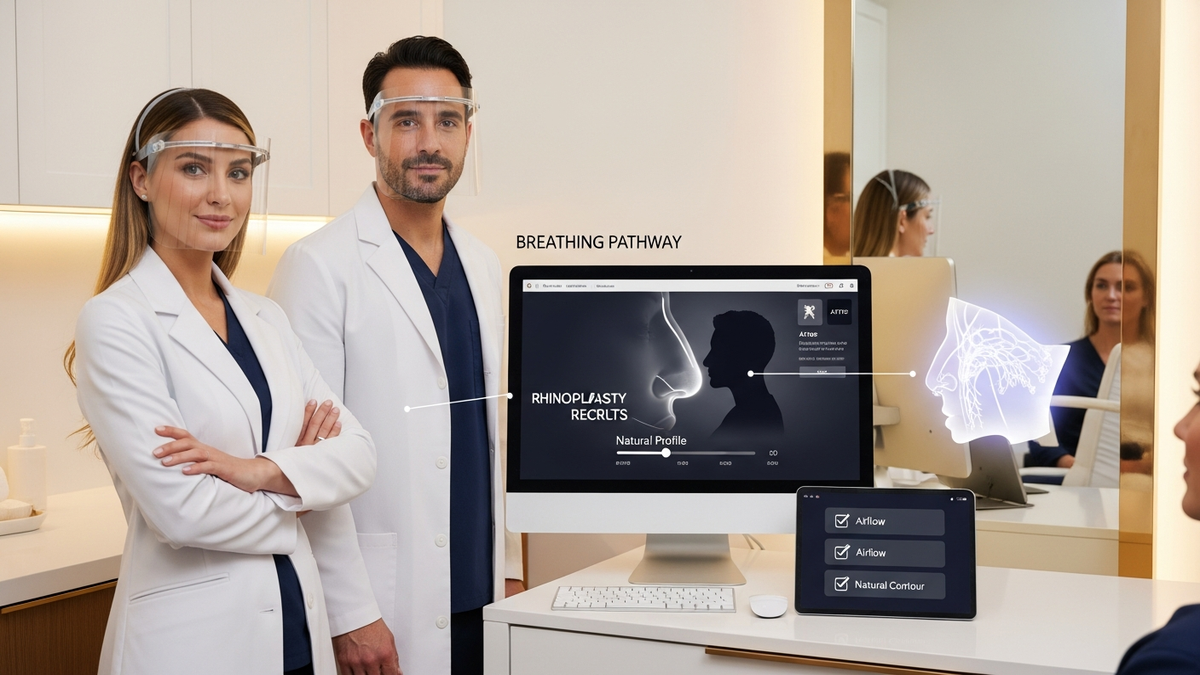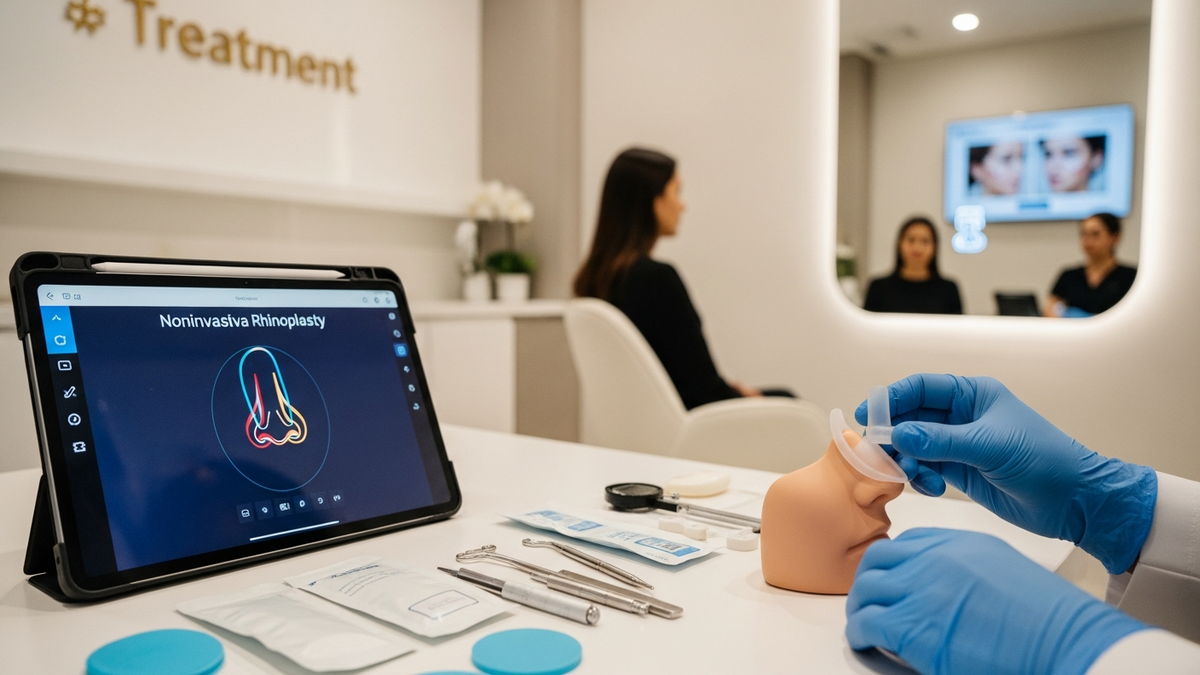
FlowGeniQ Digest brings you a practical, patient-centered overview of noninvasive rhinoplasty—a term people use to describe nose refinement methods that avoid (or minimize) traditional surgical dissection. If you’re considering changes to your nose’s shape or symmetry but want a less invasive path, this article will help you understand realistic outcomes, common options, and the evaluation process that determines whether noninvasive treatment is appropriate for you.
What Is Noninvasive Rhinoplasty?
Noninvasive rhinoplasty generally refers to aesthetic nose reshaping techniques performed without the typical surgical steps of rhinoplasty. Depending on the method, treatment may involve injectable materials, external devices, or other minimally invasive strategies. The goal is usually to improve visible features such as a dorsal hump, minor tip irregularities, asymmetry, or contour smoothness.
It’s important to note that “noninvasive” does not automatically mean “minor” or “risk-free.” The nose has delicate structures, a complex blood supply, and nearby functional anatomy. That’s why a careful specialist evaluation matters—especially if you also have breathing issues.
Noninvasive Rhinoplasty vs. Surgical Rhinoplasty
Patients often compare noninvasive options to classic surgical rhinoplasty to weigh tradeoffs in precision, duration, and capability.
What noninvasive options typically can do
- Refine surface contour (e.g., soften edges or improve smoothness)
- Address small asymmetries or minor irregularities
- Improve selected tip definition in appropriate cases
- Offer a lower commitment approach for some patients
What surgery is often better suited for
- Major structural changes (cartilage and bone repositioning)
- Functional correction when breathing is impacted
- Long-term reshaping when you need definitive changes
- Complex deformities requiring internal support or grafting
If you’re also considering functional improvements, you may hear terms like Deviated Septum and Septoplasty. For many patients, addressing nasal airflow can be as important as refining appearance. Learn more about surgical options at Septoplasty and Deviated Septum.
Common Noninvasive Rhinoplasty Methods
Noninvasive rhinoplasty is not a single procedure. It’s an umbrella term. Here are the most commonly discussed approaches.
1) Injectable nose reshaping (often hyaluronic acid fillers)
Injectable treatments can sometimes improve contour by adding volume or changing the way light reflects off the nose. In skilled hands, fillers may help smooth a dorsal line, camouflage minor bumps, or refine tip contour.
Key limitation: Injectables typically cannot permanently change the underlying bone structure. They also require precise technique to avoid vascular complications and unevenness.
2) External devices and temporary contouring
Some devices claim to influence nasal shape through external molding. Results—when they occur—are often subtle and time-dependent. These methods may be more suitable for minor cosmetic goals, and they rarely address functional problems.
3) Combination strategies
In some cases, patients benefit from a staged plan: noninvasive refinement for cosmetic goals alongside functional treatment for congestion or sinus issues. This can be especially relevant when the nose’s appearance and breathing symptoms are both part of the concern.
Who Is a Good Candidate for Noninvasive Rhinoplasty?
The best candidates are those with realistic aesthetic goals and anatomy suited to the method. A detailed assessment is essential to determine whether noninvasive options can meet your needs.
Potentially good candidates
- People seeking subtle refinements rather than major restructuring
- Those with minor asymmetry or contour irregularities
- Patients who want a less invasive approach
- Individuals who are open to repeat treatments if the chosen method is temporary
Situations where noninvasive rhinoplasty may be limited
- Significant hump removal or major bony changes
- Concerns requiring structural support beneath the skin
- Patients with functional nasal obstruction that needs internal correction
- History of complications from prior fillers or treatments
For patients with chronic nasal congestion, the “right” plan may focus on functional nasal surgery rather than cosmetic-only approaches. Dr. Hootan Zandifar specializes in functional nasal surgery to treat chronic symptoms such as congestion and sinusitis using minimally invasive techniques when indicated.
Functional Nasal Issues and How They Relate to the Nose’s Appearance
Many people think of the nose purely as an aesthetic feature. But nasal shape and nasal function are closely linked through structure, airflow, and tissue support. If you struggle to breathe through your nose—or have recurrent sinus symptoms—cosmetic refinement alone may not address the root cause.
When Functional Treatment May Matter More Than Cosmetic Refinement
Chronic congestion and sinusitis often have structural contributors. Common examples include:
- Septal deviation (a crooked septum affecting airflow)
- Enlarged nasal turbinates contributing to long-term “stuffy nose”
- Nasal valve collapse that can make breathing difficult
- Septal perforation leading to symptoms such as bleeding or whistling
In appropriate circumstances, functional, minimally invasive procedures can permanently alleviate symptoms and improve quality of life. For example, Septoplasty straightens the nasal cartilage and corrects a crooked septum, while inferior turbinate reduction can relieve persistent nasal obstruction and may help patients who experience sleep-disordered breathing symptoms.
Minimally invasive functional options to consider
- Septoplasty for structural septal deviation: Septoplasty
- Inferior Turbinate Reduction for long-term congestion
- Repair of Nasal Valve Collapse (non-surgical options may include certain medications and other non-invasive treatments; surgical options may include implants or procedures)
- Balloon Sinuplasty for blocked sinus passages and chronic sinus infections
- Endoscopic Sinus Surgery with image guidance to restore normal sinus function
- Allergy Treatment such as sublingual immunotherapy (SLIT) for allergy-related breathing challenges
While these procedures are not “noninvasive rhinoplasty” in the cosmetic sense, they are often minimally invasive and can dramatically improve breathing. Many patients find that improved airflow changes how they perceive their nose overall—comfort, confidence, and facial expression can all shift.
What to Expect During a Noninvasive Rhinoplasty Consultation
A high-quality evaluation is the difference between a good idea and a great outcome. During your appointment, expect a specialist to assess both aesthetic goals and anatomy.
1) Aesthetic goal-setting
You’ll likely discuss what you want to change: a dorsal hump, tip droop, asymmetry, or side-profile concerns. Bring photos from multiple angles and be ready to describe how you want your nose to look in real life—not just in selfies.
2) Structural and skin assessment
The specialist will evaluate skin thickness, cartilage support, and how the nose moves with expression. This matters because injectable methods behave differently depending on tissue characteristics.
3) Functional screening (breathing and sinus history)
If you have chronic congestion, sinusitis, nosebleeds, or difficulty breathing, share that history. A noninvasive cosmetic approach may be insufficient if airflow is compromised by structural issues.
4) Risk discussion and realistic expectations
Good clinicians explain what’s possible and what isn’t. If your goals require structural repositioning, they may recommend surgical rhinoplasty instead—often the more definitive option: Rhinoplasty.
Results: How Long Do Noninvasive Rhinoplasty Outcomes Last?
Longevity depends on the method. Injectable approaches are often temporary, with gradual changes over time as the body metabolizes materials or as swelling resolves. External devices may be temporary by nature. Because results vary, ask your provider for:
- Expected duration for your specific plan
- Whether touch-ups are likely
- What “maintenance” looks like
- How outcomes are measured (photos, symmetry goals, profile changes)
For patients who want a one-time, definitive transformation—especially when bone or cartilage changes are necessary—surgical rhinoplasty is often the more predictable route.
Risks and Side Effects of Noninvasive Rhinoplasty
Even when there are no incisions, noninvasive rhinoplasty can involve risks. The nose is a high-stakes area due to its vascular anatomy.
Potential risks
- Swelling, bruising, tenderness after treatment
- Asymmetry or uneven contour if product placement is suboptimal
- Infection (rare, but possible)
- Granulomas or nodules with certain injectable materials
- Vascular complications (rare but serious) requiring immediate medical attention
To reduce risk, choose a highly trained provider with a disciplined approach to anatomy, product selection, and emergency readiness.
How to Choose a Provider for Noninvasive Rhinoplasty
When you’re investing in facial outcomes, provider selection should be based on more than marketing claims. Consider the following:
Look for specialized expertise
The nose is both cosmetic and functional. A clinician who understands facial anatomy and nasal airflow can help ensure your plan addresses your full concern. Dr. Hootan Zandifar is a board-certified facial plastic and reconstructive surgeon who focuses on head and neck surgery and provides patient education so you can make informed choices.
Ask about assessment and imaging
Good consultations include careful evaluation and documentation. Ask how results will be tracked and how decisions are made for your unique anatomy.
Discuss prior treatments and contingency plans
If you’ve had fillers before or have an irregular history, be transparent. Ask what happens if the result needs adjustment.
Confirm credentials and safety protocols
In a noninvasive setting, safety still matters. Ask about training, emergency protocols, and how complications are handled.
Actionable Steps Before You Decide
Use this checklist to prepare for a consultation and to ensure you’re making a confident, informed decision.
- Define your “must-have” outcome (e.g., smooth dorsal contour, refine tip, correct mild asymmetry).
- Identify your breathing concerns (congestion, sinus infections, sleep issues, nosebleeds).
- Gather photos in consistent lighting: front, side profile, and 45-degree angles.
- List medical history including allergies, prior nasal procedures, and current medications.
- Ask about expected longevity and whether maintenance treatments are recommended.
- Request a clear plan (noninvasive first vs. functional or surgical pathway if needed).
If you’re exploring broader facial rejuvenation goals, you may also be considering other head-and-neck procedures. For example, patients who refine their nasal profile sometimes also address aging around the eyes or face. If that’s relevant to you, you can explore options like Blepharoplasty or a Facelift as part of an overall, personalized plan.
Frequently Misunderstood Questions About Noninvasive Rhinoplasty
Because the term is broad, misunderstandings are common. Here are a few key clarifications.
“Noninvasive” doesn’t always mean “less risk.”
Even without incisions, the nose can be high-risk for injectable procedures. Choose a clinician who treats the anatomy with respect and prioritizes safety.
It can be ideal for minor contour changes—but not major restructuring.
Noninvasive approaches are often best for subtle smoothing and refinement. If your goal requires removing a significant hump or changing cartilage framework, surgical rhinoplasty may be more appropriate.
Functional issues should be evaluated separately.
If you have chronic congestion or sinusitis symptoms, addressing nasal function can improve your quality of life—and may influence your aesthetic plan.
Related Considerations: Hair, Eyebrows, and Overall Facial Balance
Facial aesthetics are interconnected. Some patients pursue multiple improvements for a cohesive look—especially when they want natural harmony across features.
If you’re also working on hairline density or eyebrows, you may want to explore options such as a hair transplant or an eyebrow transplant. These procedures are different from rhinoplasty, but the underlying principle is the same: individualized planning for natural, balanced results.
FAQ: Noninvasive Rhinoplasty
1) Is noninvasive rhinoplasty permanent?
It depends on the method. Many noninvasive treatments—especially injectables—are temporary and may require maintenance. A consultation can clarify expected longevity for your specific goals and anatomy.
2) Can noninvasive rhinoplasty fix a deviated septum or breathing problems?
Noninvasive cosmetic techniques typically do not correct internal structural airflow issues. If you suspect a Deviated Septum or other functional cause of congestion, surgical evaluation may be needed. Learn more about options like Septoplasty.
3) Who performs noninvasive rhinoplasty?
A qualified specialist should perform it—ideally someone experienced with nasal anatomy, facial aesthetics, and safety protocols. Ask about training, outcomes, and how they assess both appearance and function.
4) What is the recovery time for noninvasive rhinoplasty?
Recovery is often shorter than surgery, but swelling and bruising can still occur depending on the method. Your provider should give you specific aftercare instructions and expected timelines.
5) What should I do if I don’t like the result?
Discuss adjustment options in advance. Many noninvasive methods have remedies or follow-up strategies, but the best plan depends on the material used and your anatomy. Choose a provider who offers clear follow-up care.
Schedule a Consultation (Beverly Hills, CA)
If you’re searching for noninvasive rhinoplasty with realistic expectations and a safety-first approach, consider an evaluation with a specialist who understands both cosmetic refinement and nasal function. Dr. Hootan Zandifar is known for an honest, compassionate approach and a commitment to patient education—helping you make well-informed decisions based on your unique anatomy.
Next step: Schedule your consultation to discuss your goals, review your history of congestion or sinus symptoms (if applicable), and learn which pathway—noninvasive refinement, functional nasal treatment, or rhinoplasty—is most appropriate for you.
Professional Disclaimer
This content is provided for general educational purposes only by FlowGeniQ Digest. It is not a substitute for professional advice, diagnosis, or treatment. Readers are advised to consult qualified professionals for personalized recommendations.
Medical Information Disclaimer
This content is provided for general educational purposes only by FlowGeniQ Digest. It is not a substitute for professional advice, diagnosis, or treatment. Readers are advised to consult qualified professionals for personalized recommendations.