FlowGeniQ Digest brings you an in-depth, patient-focused overview of rhinoplasty—one of the most requested facial procedures because it can improve both the way a nose looks and, in many cases, how well it functions.
If you’re searching for rhinoplasty in Beverly Hills, you’re likely weighing more than appearance. Many patients also want relief from chronic congestion, difficulty breathing, or sinus-related symptoms caused by structural issues. A modern approach to rhinoplasty often starts with function—how air moves through the nose—then refines aesthetics in a way that looks natural and supports long-term results.
What Is Rhinoplasty?
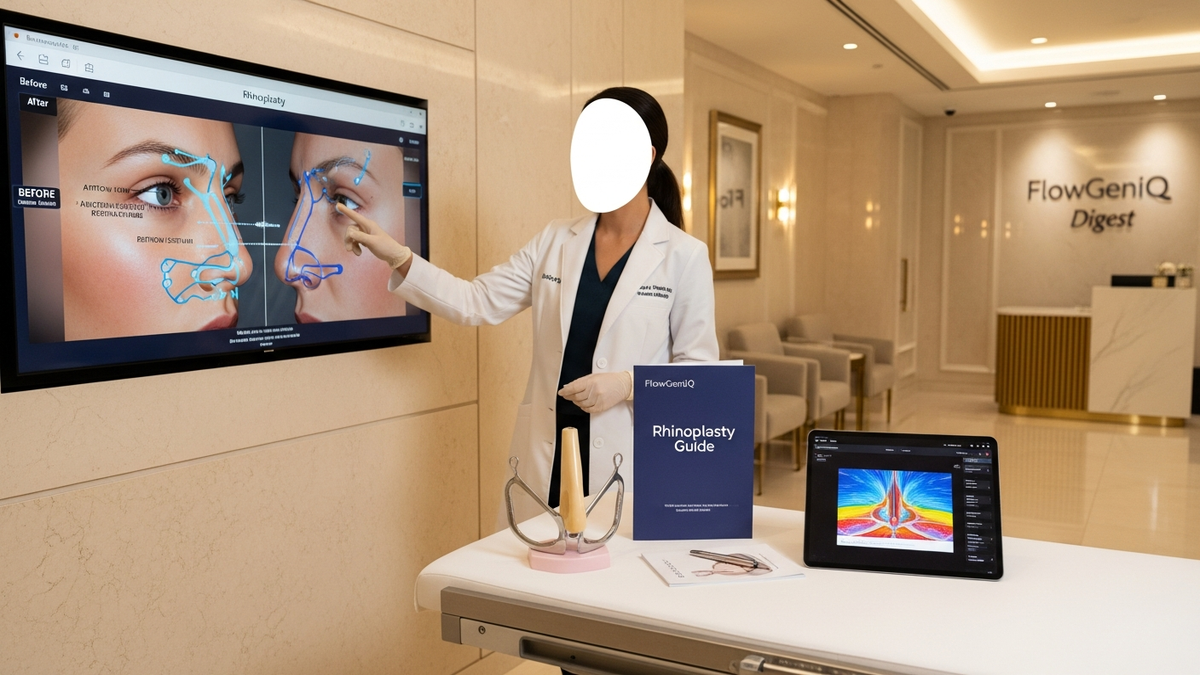
Rhinoplasty (often called a “nose job”) is a cosmetic surgery that reshapes the nose to enhance facial harmony. Depending on your anatomy and goals, rhinoplasty may also address functional concerns such as nasal obstruction.
In a functional-minded evaluation, surgeons consider:
- How air flows through the nostrils and nasal passages
- Septal alignment (the wall dividing the nostrils)
- Nasal valve strength (the narrowest part of airflow)
- Turbinates (structures that affect airflow and congestion)
- Skin thickness and soft-tissue support that influence final shape
Because the nose is both an aesthetic focal point and a functional airway, the best outcomes usually come from individualized planning rather than one-size-fits-all techniques.
Rhinoplasty vs. Other Functional Nasal Procedures
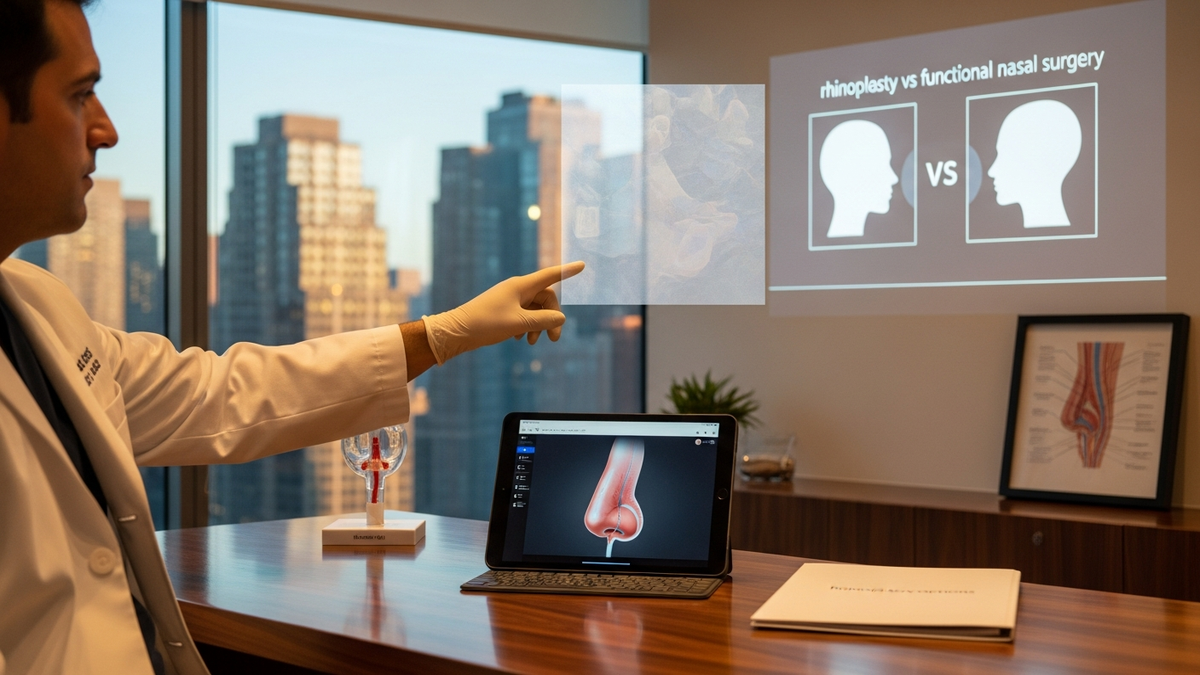
Not every breathing problem requires rhinoplasty. Some patients may benefit from procedures that target airflow with less disruption to external appearance. This is especially relevant for people whose primary complaint is chronic congestion or sinus symptoms.
When Rhinoplasty May Be the Right Fit
Rhinoplasty is commonly considered when you want both:
- Aesthetic changes (e.g., reducing a hump, refining the tip, balancing proportions)
- Functional improvement (e.g., better breathing due to structural correction)
When Rhinoplasty Might Not Be Necessary
If your main issue is obstruction due to an internal structural problem, your surgeon may recommend functional nasal surgery first or instead.
Deviated Septum and Septoplasty
A deviated septum can obstruct airflow and contribute to chronic congestion. A targeted procedure like Deviated Septum correction is often called Septoplasty. Septoplasty focuses on straightening the nasal cartilage and improving airflow, without necessarily pursuing cosmetic changes.
Inferior Turbinate Reduction for “Stuffy Nose”
Enlarged turbinates can cause long-term nasal blockage. Inferior turbinate reduction may be recommended to improve airflow, reduce chronic congestion, and support better sleep and breathing.
Nasal Valve Collapse: Why It Matters
The nasal valve area is crucial for maintaining stable airflow. If it collapses, patients may experience difficulty breathing, especially during exercise or positional changes. Treatment may include non-surgical options (such as allergy-directed therapy) or surgical repair in more severe cases.
Balloon Sinuplasty and Endoscopic Sinus Surgery
For patients whose symptoms are driven by sinus blockage and chronic sinusitis, minimally invasive sinus procedures such as balloon sinuplasty or endoscopic sinus surgery may restore normal sinus function and improve airflow indirectly by reducing inflammation and drainage issues.
Functional Rhinoplasty: A Modern Approach
Traditional rhinoplasty discussions often focus on appearance alone. Today, many surgeons emphasize a functional rhinoplasty mindset: you can refine the look of the nose while also strengthening the airway.
In a functional-first evaluation, the surgeon may:
- Assess nasal airflow patterns and identify obstruction sources
- Plan cartilage support to prevent collapse or worsening breathing
- Coordinate aesthetic goals with structural stability
- Choose techniques that preserve or enhance function while achieving the desired profile
This is especially important because the nose can look “better” yet feel worse if airflow is not considered. A well-planned rhinoplasty aims for both: natural aesthetics and comfortable breathing.
Who Is a Good Candidate for Rhinoplasty?
Ideal candidates generally have realistic expectations and a clear understanding of what surgery can and can’t do.
Common reasons patients seek rhinoplasty
- Cosmetic concerns (hump, crooked nose, asymmetry, bulbous tip)
- Functional concerns (nasal obstruction, chronic congestion)
- Post-injury or post-trauma deformity
- Difficulty breathing due to structural anatomy
Important candidacy factors
- Overall health and ability to safely undergo surgery
- Non-smoking or willingness to follow pre- and post-operative nicotine guidance
- Stability of nasal growth (for younger patients, timing matters)
- Ability to follow recovery instructions
- Clear goals for both appearance and breathing
During consultation, your surgeon should explain whether rhinoplasty is the best path—or whether a functional nasal procedure may address symptoms more directly.
How to Choose a Rhinoplasty Surgeon in Beverly Hills
Choosing the right surgeon is one of the most important steps. For rhinoplasty, look for expertise in both aesthetics and nasal function, plus a track record of natural-looking results.
What to look for
- Board certification and fellowship training relevant to facial plastic or reconstructive surgery
- Experience with functional nasal surgery and airway-focused planning
- Commitment to patient education and transparent discussion of risks/alternatives
- Before-and-after galleries that reflect your desired aesthetic and anatomy
- Clear explanation of technique, support structures, and expected recovery
Questions to ask at your consultation
- What is causing my obstruction—septum, turbinates, nasal valve, or other factors?
- Is rhinoplasty necessary, or would septoplasty or turbinate reduction address the main problem?
- How will you maintain or improve airway function during reshaping?
- What techniques do you recommend for tip support and long-term stability?
- What does recovery look like week by week?
- What are the most common complications in my specific situation?
- How will we measure success—appearance, breathing, or both?
If you’re considering rhinoplasty specifically, you may want to review a surgeon’s dedicated procedure page, such as Rhinoplasty, to understand their approach and patient education focus.
The Rhinoplasty Planning Process
High-quality rhinoplasty planning blends art and science. It often begins with a detailed history and a focused physical exam of nasal anatomy and breathing.
1) Medical history and symptom review
Your surgeon should ask about:
- Allergies and chronic congestion
- Sinus infections and drainage issues
- Prior injuries or nasal procedures
- Sleep-related breathing concerns
- Medications and supplements
2) Nasal anatomy assessment
Expect evaluation of the septum, turbinates, and nasal valve area. The goal is to understand why airflow may be restricted and how reshaping might affect it.
3) Aesthetic goal setting
Surgeons often discuss what changes will best harmonize your nose with your face—considering profile, tip rotation, and overall proportion. The “right” nose is not simply the smallest or straightest; it’s the one that looks natural on you.
4) Technique selection
Your surgeon may recommend an open or closed approach depending on your anatomy and goals. They should also discuss cartilage support strategies that help maintain shape as swelling resolves.
What Happens During Rhinoplasty?
While specifics vary by case, most rhinoplasty procedures involve carefully reshaping cartilage and/or bone and then repositioning tissue to achieve the planned profile.
In a functional-minded plan, the surgeon may also address:
- Septal alignment to improve airflow
- Nasal valve support to reduce collapse risk
- Turbinates if enlarged structures contribute to congestion
Because this is a highly individualized procedure, your surgeon should clearly explain what will be done in your surgery and why it matches your anatomy.
Rhinoplasty Recovery Timeline: What to Expect
Recovery is often the part patients plan for the most—socially, professionally, and emotionally. Swelling and healing progress at different rates, and it’s normal for results to evolve over time.
First 1–2 weeks
- Swelling and bruising are common
- Splints/tapes may be used (when applicable)
- Nasal congestion or dryness can occur during healing
- Most patients can return to light activities with surgeon guidance
Weeks 3–6
- Visible swelling gradually improves
- Tip definition may start to look more refined
- Strenuous activity may still be limited
Months 3–12
- Final shape continues to mature
- Scars soften and tissue settles
- Breathing improvements may become clearer as swelling resolves
Actionable tip: Follow post-op instructions closely—especially regarding nasal care, sleeping position, and restrictions on pressure or trauma to the nose.
How Much Does Rhinoplasty Cost in Beverly Hills?
Pricing varies based on surgical complexity, surgeon expertise, anesthesia, facility fees, and whether functional corrections are performed.
When comparing options, ask for an itemized estimate and clarify what’s included (e.g., anesthesia, follow-up visits, medications). If functional concerns are addressed, your surgeon should explain how that influences the surgical plan and overall cost structure.
Note: Insurance coverage is sometimes possible for functional components (depending on the diagnosis and documentation). A qualified team can help you understand what may or may not apply in your situation.
Risks and Complications of Rhinoplasty
All surgeries involve risk. A reputable surgeon should discuss potential complications and how they are minimized in your specific case.
Potential risks include
- Infection
- Bleeding
- Persistent swelling or asymmetry
- Changes in sensation
- Breathing difficulties if airflow isn’t protected
- Revision surgery (in some cases)
Functional planning can reduce the risk of post-operative breathing issues—particularly by strengthening the nasal valve and addressing septal or turbinate contributors when indicated.
Achieving Natural-Looking Results
The best rhinoplasty outcomes look like they always belonged to your face. “Natural” doesn’t mean “no change”—it means proportion, balance, and texture that harmonize with your features.
Factors that influence natural results
- Skin quality and thickness (how the tip and underlying structure show)
- Cartilage framework and support strategy
- Proportions with the rest of your facial anatomy
- Healing patterns and realistic timelines
Surgeons who specialize in head and neck facial surgery often bring a nuanced understanding of both aesthetics and structural function—an advantage when goals include better breathing and refined appearance.
Complementary Facial Procedures (If You’re Considering a Full Refresh)
Many patients pursue rhinoplasty as part of a broader facial rejuvenation plan. If you’re exploring multiple treatments, it’s important that your care plan remains coordinated and prioritized.
Facelift and eyelid surgery
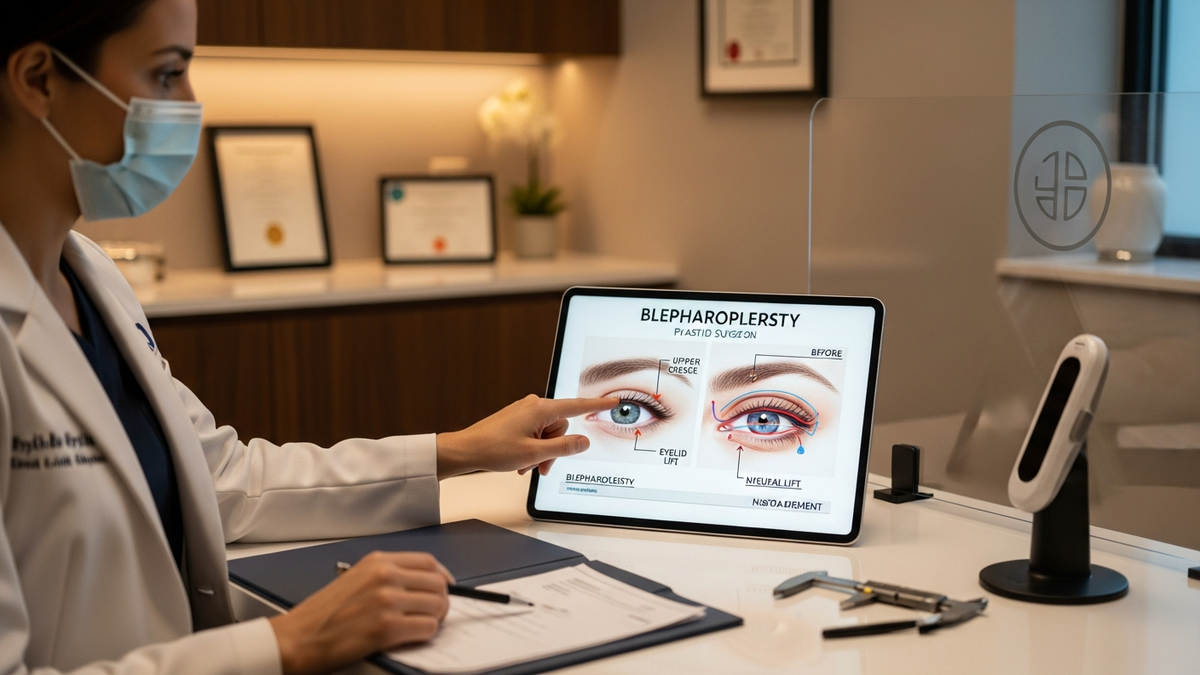
For patients focused on age-related changes in the midface and lower face, a Facelift may be considered. If your eyes are a key concern, Blepharoplasty can address excess eyelid skin and under-eye puffiness.
Hair and eyebrow restoration
Some patients also focus on eyebrows or hair restoration to complete their overall appearance. If eyebrow thinning is part of your aesthetic goals, an eyebrow transplant may be an option. For scalp hair concerns, a hair transplant can support long-term density goals.
While these procedures aren’t substitutes for rhinoplasty, they can work together as part of a personalized, confidence-forward plan.
Why Functional Nasal Expertise Matters for Rhinoplasty
When rhinoplasty involves the airway—whether directly or indirectly—expertise in functional nasal surgery can be a meaningful differentiator. A surgeon who focuses on head and neck procedures can bring a careful, anatomy-based approach to both cosmetic refinements and breathing comfort.
For example, Dr. Hootan Zandifar is a board-certified Facial Plastic & Reconstructive Surgeon who focuses on cosmetic and reconstructive surgery of the head and neck. His approach emphasizes honest, trustworthy communication, patient education, and natural-looking results. For patients with chronic nasal congestion or difficulty breathing due to structural defects, functional interventions can sometimes be less invasive than rhinoplasty—when appropriate.
That philosophy can be especially useful for patients who aren’t sure whether their symptoms require rhinoplasty or a targeted functional procedure. The right plan depends on your anatomy and your goals.
How to Prepare for Rhinoplasty
Preparation helps recovery go more smoothly. Your surgeon will provide individualized instructions, but these general steps are commonly recommended.
Before surgery
- Follow medication guidance (especially regarding blood thinners and nicotine)
- Arrange transportation and support for the first days after surgery
- Set up a comfortable recovery space (pillows, hydration, easy-to-eat meals)
- Stock nasal care supplies if prescribed
- Plan time off work and avoid strenuous activity as directed
During the days leading up to surgery
- Maintain healthy nutrition and hydration
- Keep your follow-up schedule
- Ask your surgeon what to expect regarding splints, tape, and nasal dryness
Aftercare Tips That Support Better Healing
Small habits can make a big difference. Use your surgeon’s instructions as the primary reference, and consider these general best practices.
- Sleep elevated to help reduce swelling
- Avoid pressure on the nose (no glasses resting on the bridge unless cleared)
- Be gentle with nasal care and follow cleaning protocols
- Attend all follow-ups so your surgeon can monitor healing
- Protect from trauma during the early healing phase
If you experience severe pain, unusual bleeding, fever, or rapidly worsening symptoms, contact your surgical team promptly.
Rhinoplasty FAQ
1) Will rhinoplasty improve my breathing?
It can. If your breathing issues are related to nasal structure—such as septal deviation, nasal valve weakness, or turbinate enlargement—surgeons may plan functional corrections alongside aesthetic reshaping. A thorough evaluation determines whether rhinoplasty is the best route or whether a more targeted functional procedure is recommended.
2) How long does rhinoplasty swelling last?
Swelling typically improves significantly in the first few weeks, but residual swelling can continue for months. Many patients notice meaningful refinement by 3–6 months, with final maturation often taking up to a year or more depending on the individual.
3) Is septoplasty the same as rhinoplasty?
No. Septoplasty focuses on straightening the septum to improve airflow. Rhinoplasty reshapes the nose for aesthetic and/or functional goals. In some cases, both procedures may be combined, but they serve different primary purposes.
4) What’s the difference between open and closed rhinoplasty?
Open rhinoplasty uses a small external incision to provide greater visibility and access, while closed rhinoplasty performs incisions inside the nostrils. The best choice depends on your anatomy, the extent of reshaping needed, and the surgeon’s technique.
5) Can I combine rhinoplasty with other facial procedures?
Sometimes. Many patients plan a coordinated facial refresh (for example, eyelid surgery or facelift). Your surgeon will help prioritize procedures based on healing timelines and your aesthetic goals.
CTA: Ready to Explore Rhinoplasty That Supports Both Beauty and Breathing?
If you’re considering rhinoplasty in Beverly Hills and want a plan grounded in both aesthetics and nasal function, start with an expert consultation. At FlowGeniQ Digest, we recommend looking for a surgeon who prioritizes patient education, careful evaluation of airflow, and natural-looking outcomes.
Next step: Review your options, prepare your question list, and schedule a consultation to discuss whether rhinoplasty is the ideal solution—or whether functional nasal procedures may address your symptoms with a more targeted approach.
To learn more about surgical options and functional nasal care, explore procedure pages such as Rhinoplasty and Septoplasty.
Professional Disclaimer
This content is provided for general educational purposes only by FlowGeniQ Digest. It is not a substitute for professional advice, diagnosis, or treatment. Readers are advised to consult qualified professionals for personalized recommendations.
Medical Information Disclaimer
This content is provided for general educational purposes only by FlowGeniQ Digest. It is not a substitute for professional advice, diagnosis, or treatment. Readers are advised to consult qualified professionals for personalized recommendations.