FlowGeniQ Digest is here to help you understand the questions patients ask most often—especially when searching for rhinoplasty before and after results. Whether your goal is a refined nasal shape, improved facial harmony, or better airflow, this article explains what typically happens before surgery, how recovery progresses, and what “realistic results” look like over time.
Because every nose is unique, the most important takeaway is not a single photo—it’s the process: careful evaluation, individualized planning, and a surgeon’s ability to balance aesthetics with function. For many patients, that includes addressing breathing concerns that may be caused by structural issues such as a deviated septum or turbinate enlargement.
Rhinoplasty before and after: why results look different at each stage
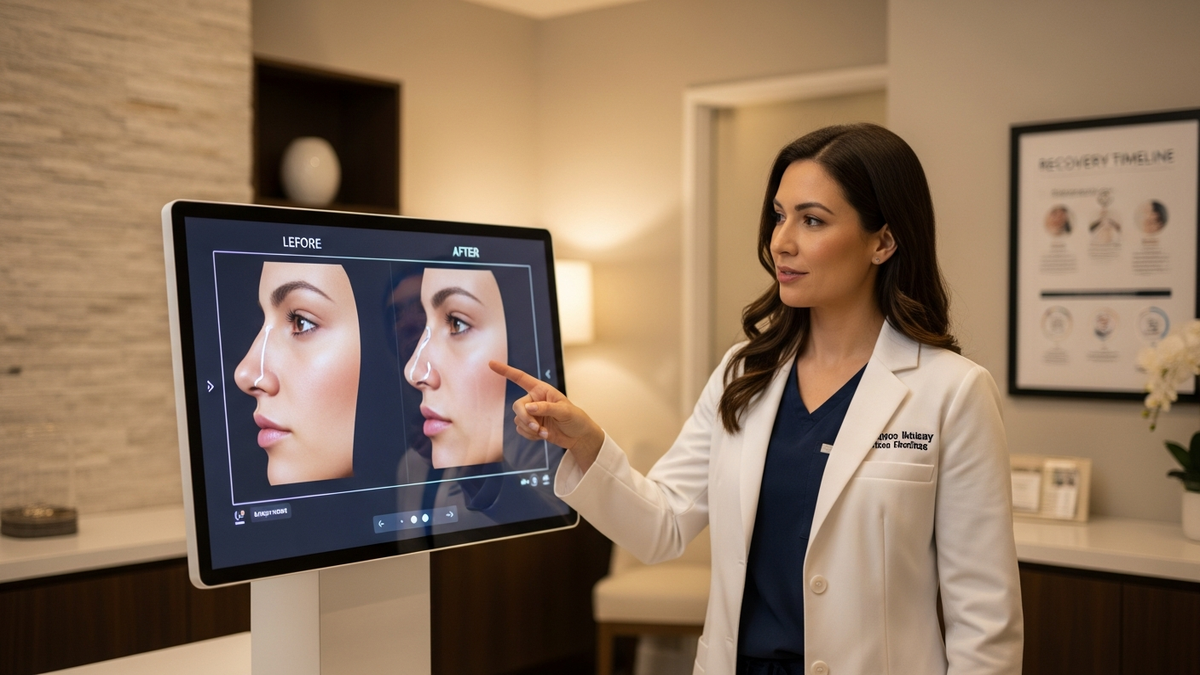
When people search for rhinoplasty before and after images, they’re often comparing photos taken at different points in the healing timeline. That’s why the same patient can look dramatically different in the early weeks versus months later. Swelling, skin thickness, internal healing, and even the lighting/angle of photos all influence appearance.
What changes right after rhinoplasty
In the first days and weeks, you may see:
- Visible swelling that can temporarily alter the nose’s contour and tip definition.
- Bruising around the eyes or cheeks (varies by technique and individual healing).
- Stiffness and a feeling of tightness as tissues heal.
- Breathing changes that are often related to internal swelling and splinting, not the final result.
What changes months later
As swelling gradually decreases, the nose’s structure becomes more defined. Over time, the tip can soften and refine, and the profile typically looks more “settled.” Many surgeons advise that final refinement can take up to 12 months (sometimes longer) depending on healing patterns and whether cartilage grafting was used.
How surgeons plan rhinoplasty for natural-looking rhinoplasty before and after outcomes
Premium outcomes are rarely accidental. They’re built on assessment and strategy. The best planning considers both aesthetics and function—especially if you have chronic congestion, sinus symptoms, or airflow limitations.
Aesthetic goals: proportion, balance, and facial harmony
A natural result usually means the nose fits the rest of your face. That may involve:
- Tip refinement (shape, rotation, and projection)
- Profile balancing (reducing or reshaping dorsal irregularities)
- Symmetry adjustments (addressing subtle asymmetries)
- Refining nasal base and alar width when appropriate
Functional goals: breathing and long-term comfort
For many patients, “nose job” expectations expand once they realize their nose affects daily comfort. Functional nasal surgery may be considered when structural issues contribute to symptoms.
In Los Angeles and beyond, patients often seek evaluation for issues like:
- Chronic nasal congestion
- Sinusitis symptoms or recurrent congestion
- Difficulty breathing due to anatomical factors
In the right circumstances, functional procedures can be less invasive than full rhinoplasty and may permanently improve symptoms. For example, Septoplasty may be recommended for a Deviated Septum, and inferior turbinate reduction can help open airflow when turbinate enlargement contributes to a “stuffy nose.”
Choosing the right approach: what “type” of rhinoplasty means
Your surgeon may discuss an open or closed approach. The choice can influence access, visibility, and how tissues are handled. Your plan may also include cartilage grafting (common in tip work and structural support), which can affect how swelling and definition evolve over time.
Rhinoplasty recovery timeline: what to expect week by week
One of the most helpful pieces of information in any rhinoplasty before and after conversation is recovery timing. While every patient heals differently, the broad milestones below can help you interpret photos and plan your schedule.
First 0–7 days: swelling peaks and bruising may appear
- Swelling is often most noticeable during the first week.
- Bruising may be present around the eyes.
- You may have splints (internal and/or external) depending on your procedure.
- Sleeping elevated is typically recommended to help reduce swelling.
Actionable tip: Plan for soft foods, hydration, and gentle routines. Avoid activities that increase blood flow to the face early on unless your surgeon specifically approves them.
Days 7–14: splints removed; swelling begins to settle
- External splint removal often occurs around this period (timing varies).
- Many patients notice that the nose looks “different” immediately after splints are removed—usually because swelling and support structures have changed.
- Bruising typically fades, but some puffiness remains.
Actionable tip: Avoid sun exposure and follow wound care instructions carefully. Your skin is healing and can be more sensitive during this stage.
Weeks 2–6: improved definition, but still not final
- Swelling continues to reduce gradually.
- Tip definition may start to look more refined.
- Some patients feel “unevenness” as tissues settle—this can be normal.
Actionable tip: Keep your follow-up appointments. If you have concerns about breathing, discomfort, or unusual changes, contact your surgeon promptly rather than waiting.
Months 2–6: gradual refinement and more stable appearance
- Many patients can return to more social activities.
- The nose may look closer to your long-term goal, though subtle changes can continue.
- Residual swelling may still affect contours.
Months 6–12: final shaping, texture, and long-term results
- Final refinement can take time—especially for the tip and cartilage contours.
- Some patients experience a “settling” effect as tissues mature.
Actionable tip: If you’re comparing rhinoplasty before and after photos online, look for the timing label (e.g., “3 months,” “12 months”) before drawing conclusions.
Rhinoplasty before and after: how to interpret real results (and avoid misleading comparisons)
Not all before-and-after images are comparable. Here are key factors that influence what you see:
- Time since surgery: early results can be dramatically different from final results.
- Lighting and camera angle: front-facing photos can hide asymmetries; side profiles highlight structural changes.
- Skin type and thickness: swelling and contour definition can vary widely.
- Procedure details: cartilage grafting, tip work, and dorsal changes can all affect healing patterns.
- Patient goals: “small refinement” and “significant structural change” may look different at every stage.
When functional nasal surgery matters: breathing, congestion, and quality of life
In many patients, cosmetic goals and functional needs overlap. If your primary concern includes persistent congestion or difficulty breathing, it’s worth asking how your anatomy may be contributing. This is especially relevant for patients with structural issues like a deviated septum and enlarged turbinates.
Septoplasty and deviated septum
A deviated septum can obstruct airflow on one or both sides. Septoplasty straightens nasal cartilage to improve airflow. If you’re considering rhinoplasty but also have chronic breathing symptoms, a comprehensive evaluation may reveal whether septoplasty alone, or rhinoplasty combined with functional modifications, is the best path.
Inferior turbinate reduction for a “stuffy nose”
Enlarged inferior turbinates can cause long-term congestion and nasal obstruction. In some cases, inferior turbinate reduction can improve breathing and reduce the “always congested” feeling.
Nasal valve collapse and airway support
Nasal valve collapse can also limit airflow and contribute to chronic symptoms. Depending on severity, non-surgical and surgical options may be considered, including implant-based approaches. Your surgeon can determine whether airway-focused treatment can reduce symptoms without the need for full rhinoplasty in appropriate cases.
Why this matters for rhinoplasty before and after
If your breathing symptoms are addressed alongside aesthetic changes, your “after” experience may be better than what photos alone can show. Many patients value improved comfort, sleep quality, and daily airflow—not just appearance.
Rhinoplasty vs. other facial procedures: keeping expectations aligned
Some patients also explore other facial rejuvenation options. If you’re considering multiple procedures, timing and priorities matter.
Rhinoplasty and facial balancing
Nose refinement can significantly affect facial perception. However, if you’re also experiencing aging changes in other areas, you may want to discuss whether a combination plan makes sense.
Facelift considerations
If your goals include overall facial rejuvenation, many patients ask about combining procedures. For more information on broader facial aging concerns, see Facelift options in Los Angeles.
Blepharoplasty for the eyes
Some patients notice that after rhinoplasty, their overall expression still doesn’t match how they want to feel—especially if eyelids contribute to a tired look. Blepharoplasty is a common option for addressing excess upper eyelid skin or lower eyelid puffiness.
Hair restoration and eyebrow symmetry
Facial harmony is also influenced by eyebrows and hair density. If you’re considering facial hair restoration or eyebrow changes, you may find it helpful to explore an eyebrow transplant and other hair restoration options.
Related note: If you’re also exploring hair transplant services, you can review details here: hair transplant.
How to prepare for rhinoplasty: a patient checklist
Preparation can influence both comfort and outcomes. While your surgeon will provide personalized instructions, these general steps can help you get ready.
1) Choose a surgeon who can address both aesthetics and function
Look for board-certified expertise and a track record of natural results. In Beverly Hills and the Los Angeles area, patients often seek surgeons who understand the head and neck anatomy and can evaluate both appearance and breathing.
2) Bring realistic references—not just “perfect” photos
When you bring rhinoplasty before and after references to your consultation, focus on the specific changes you want: tip projection, dorsal line, rotation, or nasal width. Avoid selecting images that reflect a different age, gender presentation, or healing stage without context.
3) Discuss your breathing symptoms openly
If you have chronic congestion, sinus issues, or difficulty breathing, tell your surgeon. Functional nasal procedures—such as Septoplasty for a deviated septum—may be relevant to your overall plan.
4) Ask about recovery logistics
- What’s your expected time off work?
- When can you exercise?
- When will splints be removed?
- What medications should you avoid before surgery?
5) Plan for swelling management
Swelling is normal, but there are steps that can help you feel more comfortable:
- Sleep with your head elevated
- Follow cold compress instructions if provided
- Stay hydrated and follow dietary guidance
- Avoid smoking and nicotine products if advised (they can affect healing)
Who is a good candidate for rhinoplasty?
Good candidates generally have realistic expectations, understand the recovery timeline, and are in good overall health. Many patients also have specific goals such as:
- Refining the nose’s shape or profile
- Improving tip aesthetics
- Correcting asymmetry
- Addressing functional concerns like airflow limitations
Your surgeon will evaluate your nasal anatomy, skin characteristics, and medical history to determine the best approach.
Natural results: why “before and after” isn’t about perfection
Some of the most satisfying rhinoplasty before and after stories aren’t about dramatic transformation—they’re about subtle refinement that looks like it always belonged on the face. Natural outcomes tend to reflect:
- Conservative, proportion-aware changes
- Respect for ethnic and individual facial features
- Structural support when needed for long-term stability
- Thoughtful scar and tissue handling to support healing
About Dr. Hootan Zandifar: head and neck expertise with a patient education focus
In Beverly Hills, patients seeking rhinoplasty and related facial plastic and reconstructive care often prioritize trust, education, and natural-looking results. Dr. Hootan Zandifar, MD, FACS is a board certified facial plastic and reconstructive surgeon who focuses solely on surgeries of the head and neck.
Dr. Zandifar is also known for functional nasal expertise, focusing on minimally invasive procedures that can help treat chronic nasal congestion and sinusitis symptoms when structural defects interfere with airflow. In the right circumstances, functional nasal procedures can permanently alleviate symptoms that make it hard to breathe and improve quality of life.
His approach emphasizes honest, compassionate communication—so patients feel safe while under care and are equipped with the information needed to make well-informed decisions.
FAQ: Rhinoplasty before and after
How long does it take to see rhinoplasty before and after results?
You’ll see early changes right away, but swelling can obscure the final contour. Many patients look notably better by weeks to months, while final refinement often takes up to 12 months as tissues mature and residual swelling resolves.
Why do rhinoplasty before and after photos look so different at early stages?
Early photos often reflect peak swelling, bruising, and the presence of splints or temporary tissue stiffness. Lighting, camera angle, and the time since surgery also strongly affect appearance.
Can rhinoplasty improve breathing, or is it only cosmetic?
Rhinoplasty can be both cosmetic and functional depending on your anatomy and goals. If you have issues like a deviated septum or turbinate enlargement, a comprehensive evaluation may include functional nasal surgery—sometimes in combination with rhinoplasty.
What’s the difference between septoplasty and rhinoplasty?
Septoplasty primarily addresses internal nasal airflow by straightening the septum. Rhinoplasty focuses on reshaping the nose externally and can also include functional modifications, depending on the individual case.
How can I reduce swelling after rhinoplasty?
Follow your surgeon’s post-op instructions closely. Common recommendations include sleeping with your head elevated, attending all follow-ups, avoiding activities that increase facial blood flow early on, and using prescribed cold compresses if approved.
CTA: Schedule a consultation to align aesthetics with function
If you’re exploring rhinoplasty before and after outcomes, the next step is a personalized consultation—especially if you also experience nasal congestion, sinus symptoms, or difficulty breathing. A thorough evaluation helps you understand whether rhinoplasty alone is the right choice or whether functional nasal surgery options (like Septoplasty) may be relevant to your goals.
Contact the team at Hootan Zandifar, MD to schedule an appointment and discuss your desired nasal aesthetics, breathing concerns, and recovery expectations.
Professional Disclaimer
This content is provided for general educational purposes only by FlowGeniQ Digest. It is not a substitute for professional advice, diagnosis, or treatment. Readers are advised to consult qualified professionals for personalized recommendations.
Medical Information Disclaimer
This content is provided for general educational purposes only by FlowGeniQ Digest. It is not a substitute for professional advice, diagnosis, or treatment. Readers are advised to consult qualified professionals for personalized recommendations.