FlowGeniQ Digest is here to help you navigate cosmetic and functional care with clarity. If you’re considering rhinoplasty and recovery, you’re probably wondering what your nose will look and feel like day by day—and how to support the best possible outcome. While every patient heals differently, there are common patterns in swelling, bruising, breathing changes, and when you can return to work, exercise, and everyday activities.
In this patient-ready guide, we’ll cover a realistic recovery timeline, practical tips to reduce swelling and discomfort, what’s normal vs. what’s not, and how to prepare for long-term results. We’ll also discuss when functional concerns—like a deviated septum or nasal airflow issues—may change the surgical plan and recovery priorities.
What “Rhinoplasty and Recovery” Really Means
Rhinoplasty is a procedure that reshapes the nose for aesthetic goals, functional goals, or both. “Recovery” includes more than just the first week after surgery. It includes the immediate healing phase, the swelling phase, and the long-term remodeling phase where your nose gradually refines its final contour.
Because the nose is supported by cartilage and bone and has an intricate internal structure (including the septum, turbinates, and nasal valve), recovery is both a tissue-healing process and an adaptation process for airflow and sensation.
Important: If you have chronic nasal congestion or sinus-related symptoms, your recovery experience may be influenced by whether your surgeon addresses functional factors alongside cosmetic goals. In some cases, additional or alternative procedures—such as septal surgery—may be recommended.
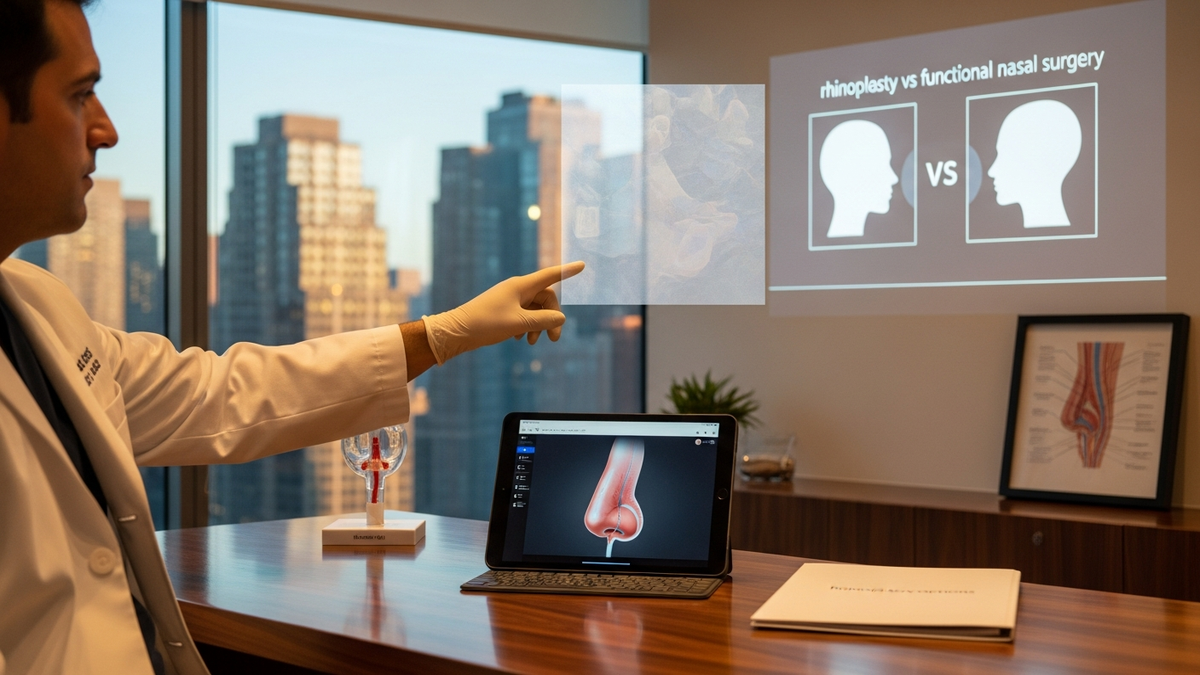
Rhinoplasty vs. Functional Nasal Surgery: How It Impacts Recovery
Not all “nose surgery” is the same. Some patients are primarily seeking cosmetic refinement, while others are seeking improved breathing. Many patients want both. In either case, your surgeon’s approach can influence swelling patterns, nasal packing/splinting, and your post-op breathing timeline.
When cosmetic rhinoplasty is the main goal
Recovery often emphasizes external swelling control, protecting the surgical site from trauma, and attending follow-up appointments to monitor healing. Bruising around the eyes is common in the early phase, and internal swelling can temporarily affect airflow.
When functional nasal concerns are part of your plan
If you also have structural issues such as a Deviated Septum, enlarged turbinates, or nasal valve collapse, your surgeon may tailor the plan to support nasal breathing. For background, you can review Septoplasty and how it addresses septal alignment, including cases related to a Deviated Septum.
In functional cases, recovery may include additional attention to nasal airflow comfort, saline care, and monitoring for signs of infection or persistent obstruction.
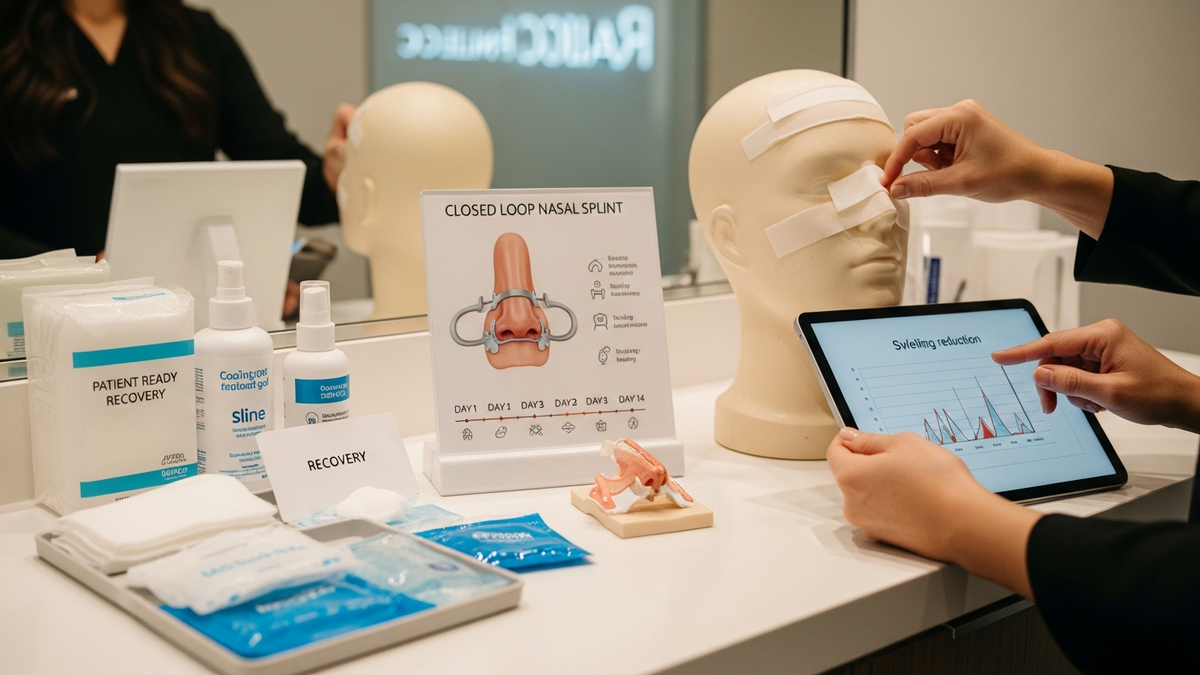
Rhinoplasty Recovery Timeline: What to Expect Week by Week
Below is a practical framework for rhinoplasty and recovery. Your surgeon may provide a personalized timeline based on your technique, anatomy, and whether cartilage or bone work was performed.
First 24–72 hours: The “set-in” phase
- Swelling and congestion: Expect your nose to feel very blocked. Internal swelling is often more noticeable than external swelling.
- Discomfort: Most patients describe pressure and soreness rather than severe pain, but pain control varies.
- Dressings: Splints, internal packing, or external splints may be present depending on your case.
- Sleep positioning: Many surgeons recommend sleeping with your head elevated to reduce swelling.
Days 4–7: Early healing and “first look” moments
- Splint removal: Many patients have external splints removed around this time (timing varies).
- Bruising: Bruising can peak and then gradually fade.
- Breathing changes: Some patients notice slight improvement as swelling decreases, while others still feel quite congested.
- Skin sensitivity: The nose can feel numb, tight, or “stiff” as tissues heal.
Weeks 2–4: Swelling becomes more “visible” (and more manageable)
- External swelling: Swelling may appear more prominent as bruising fades and you notice the contour.
- Internal swelling: Nasal passages continue to heal; congestion may fluctuate.
- Activity restrictions: You’ll likely be advised to avoid contact sports, heavy lifting, and anything that risks impact to the nose.
- Work and social plans: Many people return to non-strenuous work, though some still prefer cover strategies (e.g., hair positioning, makeup guidelines from your surgeon).
Weeks 5–8: The “new normal” phase
- Reduced swelling: Swelling typically continues to decrease, though it may not disappear completely.
- Refinement: The nose’s shape starts to look more like the intended result, but not fully final.
- Exercise: Light exercise may be gradually resumed if cleared by your surgeon. High-impact activity is usually delayed longer.
- Scarring: Incisions inside the nose often heal well; external scarring (if any) is typically minimal.
Months 3–6: Ongoing remodeling
- Contour maturation: Cartilage and bone remodeling continues. Small changes in shape can occur.
- Swelling variability: Some swelling may persist and can fluctuate with weather, salt intake, and activity level.
- Breathing stabilization: If functional work is involved, airflow may keep improving over time.
Months 6–12+: Final results take time
For many patients, the nose continues to refine beyond the first year. That’s why patience is a key component of rhinoplasty and recovery.
If you’re comparing “before and after” photos, remember that early photos can be misleading because swelling still has a major influence on appearance.
Swelling and Bruising: How to Reduce the “Inflammation Timeline”
Swelling is normal after rhinoplasty. The goal is not to eliminate it instantly, but to support healing and minimize avoidable swelling triggers. While your surgeon’s instructions take priority, these evidence-aligned strategies are commonly recommended.
Head elevation and rest
Keep your head elevated, especially during the first week. This reduces fluid accumulation and can help you feel more comfortable.
Cold compresses (when approved)
Some surgeons recommend cold compresses for bruising control. Always follow your surgeon’s specific method and timing—never apply pressure directly to the nose unless instructed.
Mind your salt, hydration, and diet
- Hydrate: Adequate fluids support normal healing.
- Limit salty foods: High sodium can increase water retention.
- Prioritize protein: Protein supports tissue repair.
Medication safety: follow the plan exactly
Many patients are surprised by how much medication timing matters. Avoid aspirin or other blood-thinners unless your surgeon specifically approves them. If you have questions about prescription or over-the-counter meds, confirm with your surgical team.
Follow nasal care instructions
Internal swelling and crusting can be managed with surgeon-directed saline irrigation or other prescribed care. Do not improvise—gentle, correct technique matters.
Breathing After Rhinoplasty: Temporary Congestion vs. Concerning Symptoms
It’s common to feel congested after surgery. Internal swelling can narrow the nasal passages, and the nose may feel “blocked” even if the external shape is healing well.
What’s often normal
- Alternating congestion on different sides
- Dryness or crusting inside the nose
- Reduced smell perception temporarily (often related to internal swelling)
- Pressure sensations that gradually improve
When to call your surgeon promptly
- Fever or worsening pain after the early recovery period
- Persistent heavy bleeding
- Increasing swelling on one side that feels severe or rapidly progressive
- Foul-smelling discharge
- Breathing that is dramatically worse instead of gradually improving
If your primary concern is chronic nasal congestion or sinus symptoms, your surgeon may discuss minimally invasive functional options in addition to or instead of traditional rhinoplasty. In some cases, procedures like Septoplasty can address structural causes of obstruction.
Protecting Your Results: Do’s and Don’ts During Rhinoplasty Recovery
The difference between “good healing” and “excellent healing” often comes down to behaviors during the early weeks. Your surgeon’s specific restrictions should always override general guidance, but these are common best practices.
Do’s
- Do attend follow-ups: Healing is monitored with an eye toward function and contour.
- Do use your prescribed sprays/ointments: They help with comfort and healing.
- Do keep your head elevated: Especially for the first week.
- Do protect your nose from impact: No accidental bumps, even during routine activities.
- Do be patient with appearance: Swelling can mask the true shape early on.
Don’ts
- Don’t wear glasses too soon: Many surgeons recommend avoiding pressure on the nose. Ask about alternatives (e.g., supportive frames or tape methods).
- Don’t resume strenuous exercise early: Increased blood pressure and impact can increase swelling or bleeding risk.
- Don’t smoke or vape: Nicotine can impair healing and may affect tissue outcomes.
- Don’t blow your nose forcefully: Follow your surgeon’s instructions for gentle clearance only.
- Don’t ignore unusual symptoms: Contact your surgical team if something feels off.
How to Plan Your Life Around Rhinoplasty Recovery
Practical planning reduces stress and helps you heal. Here’s how many patients think about logistics.
Time off work and travel
Many patients take at least 5–10 days off for the most intensive early phase, but this varies by job type and how quickly you return to comfort. If you travel, confirm with your surgeon about timing, airport logistics, and swelling management.
Sleep setup
- Prepare a comfortable elevated sleeping arrangement.
- Use clean, soft materials to avoid irritation.
- Keep essentials within reach (medications, saline, water, phone charger).
Home support
Having someone available during the first day can be helpful—especially for mobility, medication timing, and comfort.
Choosing a Surgeon for Rhinoplasty and Recovery: What to Ask
Because rhinoplasty and recovery involve both surgical skill and long-term follow-up, selecting the right surgeon matters. Look for a surgeon who prioritizes safety, realistic outcomes, and patient education.
Questions that can guide your decision
- What technique will you use? Ask how your surgeon approaches cartilage work, bone reshaping, and internal support.
- Will my plan address breathing issues? If you have congestion, discuss whether functional work is needed.
- What is my recovery timeline? Request a timeline tailored to your situation.
- How do you manage swelling and discomfort? Ask what you should do at home.
- What are the potential complications? Get a clear explanation of risks and how they’re handled.
- How do you define “natural-looking” results? Discuss your aesthetic goals and how they translate into surgical planning.
Why facial plastic and reconstructive expertise matters
Rhinoplasty is delicate work in a high-visibility area. Surgeons with a focus on head and neck surgery often emphasize both aesthetic harmony and functional stability. For patients in Los Angeles and Beverly Hills, you may find it helpful to review Rhinoplasty resources and patient education materials.
Natural-Looking Results: The Role of Technique and Time
Many patients want a nose that looks like it belongs on their face—balanced with proportions, tip refinement, and overall facial harmony. Achieving that requires careful planning and conservative, precise work.
Even when a surgeon performs an excellent procedure, early swelling can obscure the final appearance. That’s why a strong recovery plan—including follow-up visits and patience—is essential.
How Recovery Interacts With Other Facial Procedures
Some patients consider multiple facial enhancements—either staged over time or selected based on aging concerns. If you’re planning other procedures, discuss sequencing with your surgeon.
Combining rhinoplasty with eyelid or face rejuvenation
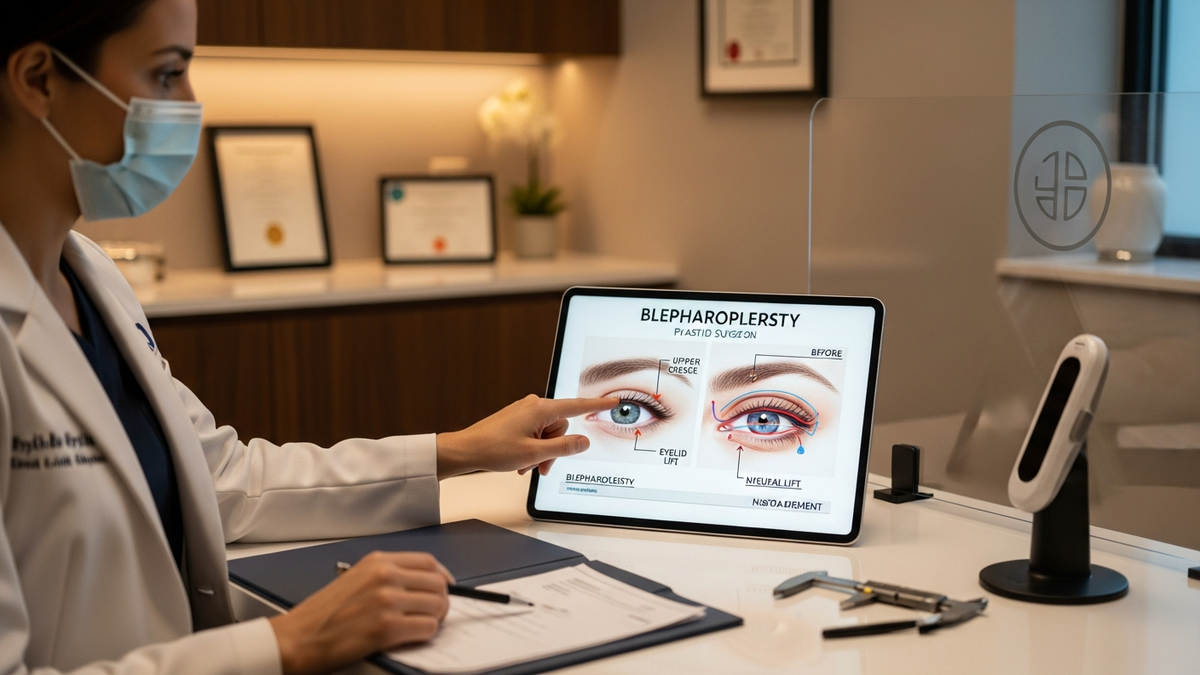
It’s not uncommon for patients to consider other facial procedures to enhance overall balance. For example, Blepharoplasty can address excess eyelid skin and under-eye puffiness, while a Facelift may target sagging in the face and neck.
If you plan multiple procedures, your surgeon may recommend spacing surgeries to optimize healing and reduce overlapping swelling.
Frequently Encountered Recovery Scenarios
“My nose looks different day to day—Is that normal?”
Yes. Swelling can fluctuate. Weather, activity level, and even sleep position can affect how your nose looks in the short term. What matters most is the trend over time and your surgeon’s assessment during follow-ups.
“When can I go back to exercise?”
Light walking is often encouraged early, but higher-impact workouts typically require clearance. Your surgeon will tailor timelines based on your healing and whether bone work was involved.
“Will my breathing be permanently changed?”
Many patients experience gradual improvement as swelling decreases, especially when functional issues are addressed. However, breathing outcomes depend on the underlying anatomy and surgical technique. If breathing is a major concern, discuss functional evaluation early in your planning.
Long-Term Care: Maintaining Comfort and Protecting Results
Long-term care is often overlooked, but it supports your comfort and satisfaction. Consider these ongoing habits after the initial healing phase:
- Protect your nose: Wear protective gear during sports.
- Manage allergies: Allergic inflammation can increase congestion. Ask your surgeon about allergy strategies if you’re prone to symptoms.
- Stay consistent with follow-ups: Even after the “visible swelling” improves, internal healing continues.
- Use sunscreen: If any external incisions exist, sun protection can reduce discoloration.
Why Patient Education Matters (and How FlowGeniQ Digest Helps)
At FlowGeniQ Digest, our goal is to translate medical complexity into actionable, patient-centered guidance. We encourage readers to review credible resources, prepare questions in advance, and follow their surgical team’s instructions closely.
For patients in Beverly Hills and Los Angeles, Dr. Hootan Zandifar is known for an honest, compassionate approach and a commitment to education—especially for head and neck cosmetic and reconstructive surgery. If you’re evaluating your options, you can explore surgical and functional considerations through educational materials and scheduling resources.
Related Considerations: Hair and Eyebrow Transplant Options (If You’re Planning a Broader Look)
If you’re thinking about a broader aesthetic refresh, it can help to plan holistically. While this is separate from rhinoplasty and recovery, some patients coordinate facial and hair goals during different phases of their overall plan.
- Hair transplant: If you’re also addressing hair loss, you can learn about a hair transplant approach.
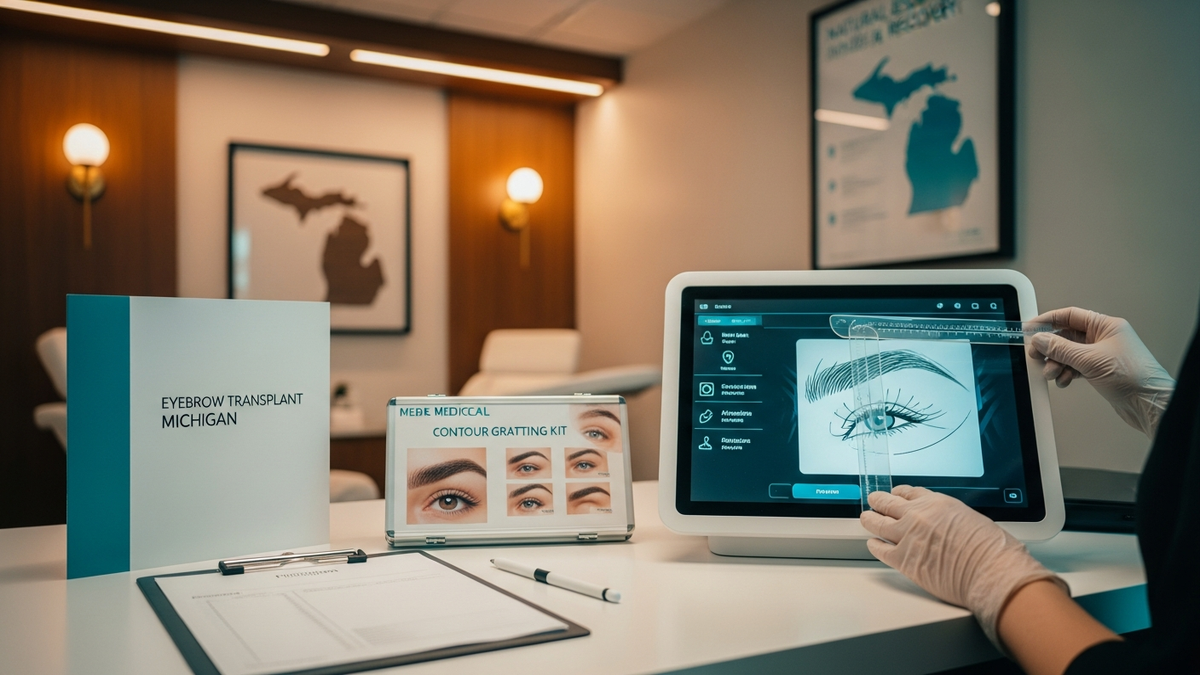
- Eyebrow transplant: For eyebrow thinning or loss, see eyebrow transplant information.
FAQ: Rhinoplasty and Recovery
How long does rhinoplasty recovery take?
Most patients notice significant improvement within the first few weeks, but swelling and internal healing continue for months. Many surgeons consider the first year as the period when the nose fully refines, with gradual changes beyond that.
When can I return to work after rhinoplasty?
Many people return to non-strenuous work within 5–10 days, but it depends on your job, bruising, and comfort. If your work is physically demanding, you may need additional time.
Will my nose still be swollen after rhinoplasty?
Yes—some degree of swelling is common. Swelling typically decreases over time, but it can fluctuate, especially during the first several months.
Is it normal to feel congested during rhinoplasty recovery?
Often, yes. Internal swelling can temporarily affect airflow. If symptoms worsen significantly, include fever, heavy bleeding, or severe pain, contact your surgeon promptly.
What can I do to minimize swelling during rhinoplasty recovery?
Follow your surgeon’s instructions closely—head elevation, approved cold compresses, hydration, and careful nasal care can support comfort and reduce avoidable swelling triggers.
CTA: Ready to Plan Your Rhinoplasty and Recovery?
If you’re considering rhinoplasty and want a recovery plan tailored to your anatomy, goals, and breathing concerns, the next step is a personalized consultation. A qualified facial plastic and reconstructive surgeon can evaluate your nasal structure, discuss realistic outcomes, and provide a timeline aligned with your lifestyle.
Take action today: Schedule a consultation to review your options and ask about your specific recovery expectations, swelling timeline, and functional considerations.
Professional Disclaimer
This content is provided for general educational purposes only by FlowGeniQ Digest. It is not a substitute for professional advice, diagnosis, or treatment. Readers are advised to consult qualified professionals for personalized recommendations.
Medical Information Disclaimer
This content is provided for general educational purposes only by FlowGeniQ Digest. It is not a substitute for professional advice, diagnosis, or treatment. Readers are advised to consult qualified professionals for personalized recommendations.