FlowGeniQ Digest is here to help you navigate your cosmetic decision with clarity. If you’re searching for recovery time rhinoplasty, you’re likely weighing how soon you can return to work, social plans, and everyday comfort—while still allowing your nose to heal properly.
Rhinoplasty is often described as a “nose job,” but the recovery experience is much more than a cosmetic timeline. Healing involves soft-tissue swelling, internal scar formation, and (in some cases) functional improvements in nasal airflow. Your surgeon’s technique, your health, and the complexity of your procedure all influence how quickly you feel like yourself again.
Recovery Time Rhinoplasty: The Big Picture
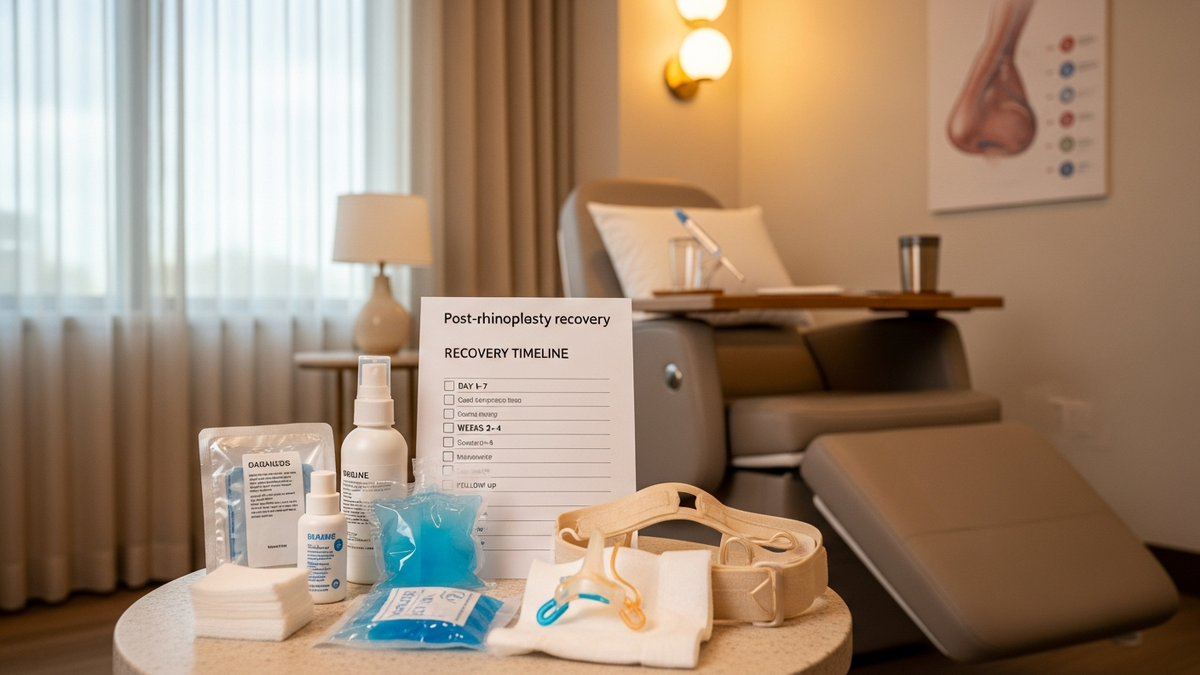
Most people want one number—“How long is recovery?”—but the most accurate answer is a range. Rhinoplasty recovery is best understood in phases:
- Early recovery (first 1–2 weeks): swelling and bruising are most noticeable; many patients can return to light work depending on comfort and job demands.
- Intermediate recovery (weeks 3–6): visible swelling usually improves significantly; the nose may still feel tender or “stiff.”
- Long-term healing (months 3–12+): internal healing continues, and the final contour refines gradually.
While external appearance can improve quickly, your internal structures may still be remodeling for months. That’s why rushing activities or skipping follow-up care can affect comfort—and sometimes outcomes.
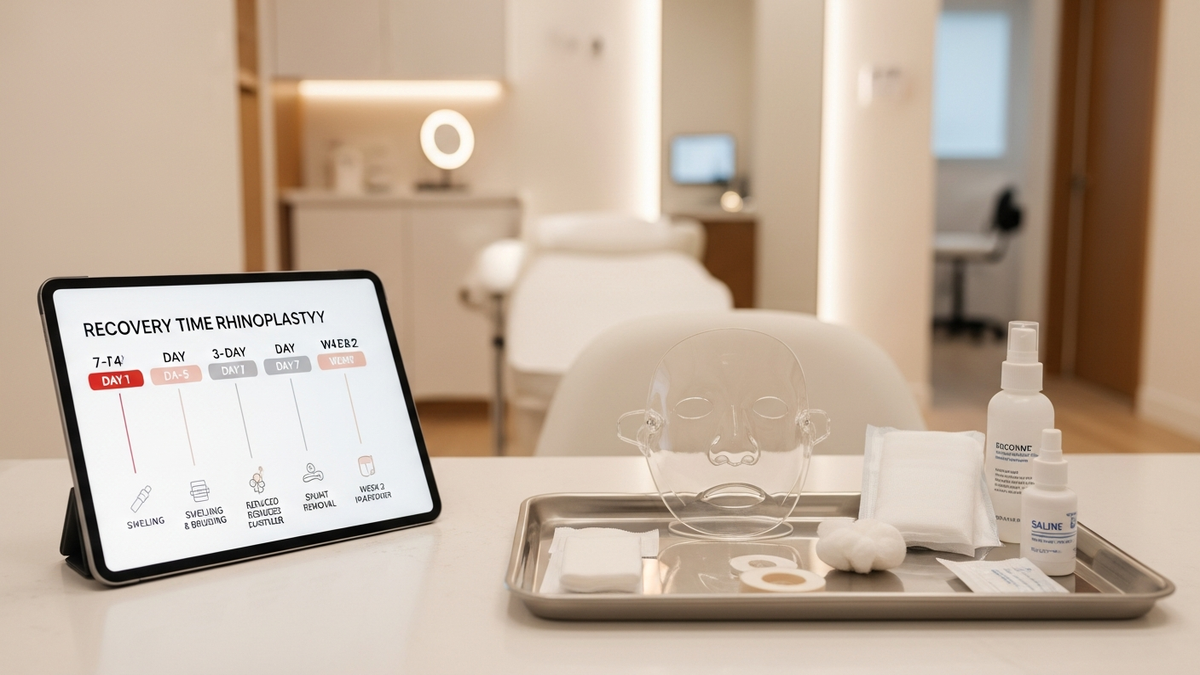
Typical Rhinoplasty Recovery Timeline (Day-by-Day Overview)
Below is a practical, patient-friendly timeline that reflects common healing patterns. Your personal timeline may vary, especially if your rhinoplasty is revision surgery, includes cartilage grafting, or addresses functional nasal concerns.
Days 0–2: The First Hours and Early Comfort
Immediately after surgery, you’ll likely experience:
- Swelling that begins right away
- Discomfort that is usually manageable with prescribed medication
- Congestion or a “blocked” feeling due to swelling and internal healing
- Dressings/splints depending on your surgeon’s protocol
Actionable tip: Plan for a quiet, upright rest schedule. Keeping your head elevated can help reduce swelling.
Days 3–7: Bruising Peaks, Swelling Becomes Noticeable
By the end of the first week, many patients notice:
- Bruising that may shift toward the cheeks or under-eye area
- Increased swelling around days 3–5 before gradual improvement
- Dryness or crusting inside the nose (follow your surgeon’s instructions)
Work/social reality: Many people can return to light, desk-based work around this window if their job is not physically demanding. However, you may still feel tired or self-conscious.
Days 8–14: Splint Removal and First Major “Look” Change
Often, follow-up appointments occur around this time. Many patients experience:
- Splint or cast removal (if applicable)
- Reduced visible swelling compared with the first week
- Improved comfort as tissues settle
Actionable tip: Stick to gentle activity only. Avoid bending, heavy lifting, and any movement that increases facial pressure.
Weeks 3–4: Swelling Continues to Resolve
This is often when patients begin to feel more “normal.” Common milestones include:
- Less bruising
- More recognizable nasal shape (though not final)
- Occasional tenderness when touching or in cold air
Work/social reality: Many patients return to public life. Makeup and hairstyles may help you feel more comfortable while healing continues.
Weeks 5–6: The Nose Looks Better—But Healing Still Isn’t Done
By this stage:
- Visible swelling is often substantially reduced
- Some residual puffiness may remain, especially at the tip
- Internal healing continues beneath the surface
Actionable tip: Continue wearing sun protection. UV exposure can worsen pigment changes from bruising and may impact skin quality.
Months 3–6: Refinement Phase
During months 3–6, many people notice:
- Improved definition as tissues settle
- Tip changes that continue to evolve
- More stable breathing patterns (for those with functional goals)
It’s normal for the nose to look slightly different from month to month. That doesn’t necessarily mean the result is changing negatively—it can reflect ongoing remodeling.
Months 6–12+: Final Results Take Time
Final refinement can take a year or longer. Factors that influence long-term results include:
- Skin thickness and elasticity
- The amount of structural work performed
- Whether grafting was used
- Individual healing patterns
Actionable tip: Maintain realistic expectations. Your surgeon will guide you on what to monitor and when.
What Affects Recovery Time Rhinoplasty?
No two patients heal exactly the same. The following variables can shift your recovery timeline—sometimes significantly.
1) Surgical Approach and Complexity
Rhinoplasty can involve adjustments to bone, cartilage, or both. More complex procedures generally require more time for swelling to settle and for internal tissues to stabilize.
2) Cartilage Grafting
If your surgeon uses cartilage grafts (for support, tip refinement, or structural balance), healing may be slower in the grafted areas. This is normal and part of how surgeons build stability.
3) Functional Goals (Breathing and Nasal Airflow)
Some patients pursue rhinoplasty primarily for aesthetics, while others also want improved nasal function. Swelling may affect breathing early on, and long-term airflow improvements depend on the specific anatomy addressed.
In certain cases, a functional nasal procedure (rather than aesthetic rhinoplasty alone) may be the best first step. For example, Septoplasty can be considered when a Deviated Septum contributes to chronic congestion.
4) Your Health and Lifestyle
Smoking, poor nutrition, uncontrolled allergies, and certain medications can influence swelling, healing, and comfort. Your surgeon may recommend temporary changes before and after surgery.
5) Post-Op Care Adherence
Recovery improves when patients follow instructions precisely—medication schedules, nasal care, activity restrictions, and follow-up visits.
Swelling, Bruising, and Nasal Congestion: What’s Normal?
Understanding normal healing can reduce anxiety. Here’s what many patients experience and why.
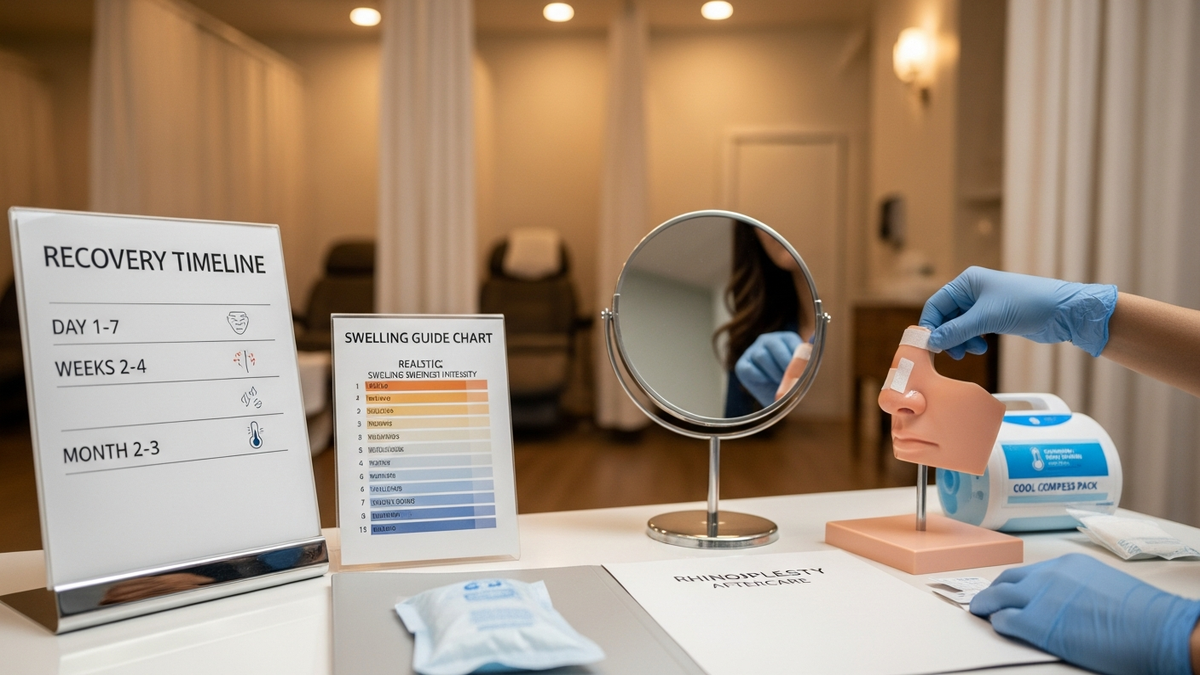
Swelling Timeline: Why It Peaks Before It Improves
Swelling often peaks during the first several days as your body responds to surgery. Then it gradually resolves. The tip of the nose can remain puffy longer than the bridge because it may involve additional cartilage work.
Bruising: How It Moves
Bruising is common. Gravity can cause discoloration to shift downward over time. This can make the under-eye area look worse before it starts improving.
Nasal Congestion: Why Breathing Feels Different
Even if surgery is successful, your nose may feel blocked initially because of swelling inside the nasal passages and internal healing. Many patients notice gradual improvements as internal tissues recover.
Recovery Time Rhinoplasty: Work, Exercise, and Social Plans
Planning your life around healing is one of the most practical ways to protect results. Use these guidelines as starting points—your surgeon’s instructions should always be your primary reference.
Returning to Work
- Desk work: often possible within 5–10 days, depending on comfort and how visible swelling/bruising is.
- Customer-facing roles: many patients return around 1–2 weeks, when bruising is fading.
- Physical jobs: may require a longer leave due to lifting, bending, and increased facial pressure.
Exercise and Sports
Most surgeons recommend avoiding strenuous exercise early on. In general:
- Light walking: typically encouraged soon after surgery (as approved).
- Cardio and strength training: often delayed until swelling decreases and your surgeon clears you.
- Contact sports: usually postponed for longer to protect healing structures.
Social Events and Travel
If you have an event, consider planning for:
- First-week: likely not ideal for large gatherings
- Weeks 2–4: many patients can attend events with minimal makeup and good hydration
- Weeks 5–6: often the “comfort upgrade” period
Travel can increase swelling due to sitting for long periods. If you travel soon after surgery, ask your surgeon about timing and movement precautions.
How to Support Healing: Top Recovery Tips
These evidence-informed habits can help you recover more comfortably and potentially support a smoother healing process.
1) Follow Your Nasal Care Instructions Carefully
Your surgeon may recommend saline sprays, ointments, or other internal care. Use exactly what you were told—avoid improvising with products that could irritate tissues.
2) Keep Your Head Elevated
Elevation helps reduce fluid accumulation. Sleep with your head elevated for the first part of recovery, as directed.
3) Manage Pain and Swelling the Right Way
Take prescribed medications as directed. Avoid taking over-the-counter medications unless approved, especially those that could affect bleeding or swelling.
4) Protect Your Nose from Impact and Sun
Even minor bumps can be risky during early healing. Sun protection helps reduce visible discoloration and supports skin recovery.
5) Don’t Smoke or Vape
Nicotine can impair circulation and slow healing. If you smoke, ask your surgical team about a cessation plan before and after surgery.
6) Watch for Concerning Symptoms
While most discomfort is expected, contact your surgeon promptly if you experience severe or worsening pain, heavy bleeding, fever, or signs of infection.
When Rhinoplasty Recovery Might Be Longer
Some patients experience extended swelling or a slower “feel better” timeline. This can occur with:
- Revision rhinoplasty (previous surgical changes can alter tissue behavior)
- More extensive structural work
- Thicker skin (which can retain swelling longer)
- Strong tendency toward scarring or inflammation
- Complications (rare, but possible)
If your recovery feels slower than expected, it’s important not to self-diagnose. Your surgical team can evaluate swelling patterns and healing progress.
Rhinoplasty vs. Functional Nasal Procedures: Choosing the Right Path
Because recovery time rhinoplasty depends on what’s being treated, it helps to understand that “nose job” isn’t always the only option—especially when chronic congestion or sinusitis symptoms are involved.
Dr. Hootan Zandifar specializes in functional nasal surgery for chronic symptoms such as nasal congestion and sinusitis using minimally invasive approaches when appropriate. In the right circumstances, functional procedures can permanently alleviate symptoms that make it hard to breathe and improve quality of life.
Depending on your anatomy, your surgeon may discuss alternatives such as:
- Septoplasty for a deviated septum (see Septoplasty and Deviated Septum)
- Inferior turbinate reduction for long-term “stuffy nose” symptoms
- Nasal valve collapse repair using options like Latera implant or Vivair treatment (when indicated)
- Balloon sinuplasty or endoscopic sinus surgery for chronic sinus blockage
In other cases, aesthetic rhinoplasty may still be the best choice—either alone or combined with functional goals. If you want to learn more about aesthetic options, you can explore Rhinoplasty in Beverly Hills.
What to Ask Your Surgeon Before Scheduling
To make your recovery time rhinoplasty plan realistic, ask targeted questions at your consultation:
- What is my expected timeline? (early swelling, return to work, exercise clearance)
- Will I have external splints or packing? If so, when are they removed?
- Will my breathing change right away or gradually?
- How complex is my procedure? (bone work, cartilage grafting, revision vs primary)
- What post-op restrictions are non-negotiable?
- What symptoms require urgent contact?
- How many follow-up visits will I need?
Choosing a highly trained facial plastic & reconstructive surgeon can also influence the overall experience. Dr. Hootan Zandifar is double board certified and fellowship trained in facial plastic and reconstructive surgery, with a focus on natural-looking outcomes and patient education.
How FlowGeniQ Digest Helps You Prepare for Your Journey
At FlowGeniQ Digest, we aim to translate medical information into clear, actionable guidance—so you can plan confidently. Recovery is not just about days; it’s about setting yourself up for success through preparation, realistic expectations, and follow-up care.
If you’re also exploring other facial procedures, it may help to understand that different surgeries have different recovery windows. For instance, some patients pair facial rejuvenation goals with other treatments such as Facelift or Blepharoplasty. Your surgeon can help you determine whether sequencing matters for comfort and results.
Related Recovery Considerations (If You’re Considering Other Procedures)
While this article focuses on recovery time rhinoplasty, it’s worth noting that many patients plan multiple steps toward facial harmony. If you’re also dealing with hairline or eyebrow concerns, your surgeon may recommend separate timing for procedures such as a hair transplant or an eyebrow transplant. These are separate recovery experiences, and coordinating schedules can help you avoid overlapping downtime.
FAQ: Recovery Time Rhinoplasty
How long is recovery time rhinoplasty for most people?
Many patients see meaningful improvement within 1–2 weeks, with continued refinement over weeks 3–6. Final results can take 12 months or longer, because internal healing and tissue remodeling continue well after the initial swelling fades.
When can I return to work after rhinoplasty?
Desk-based work is often possible around 5–10 days for some patients, while more visible swelling and bruising may make 1–2 weeks more comfortable for customer-facing roles. Your surgeon will tailor guidance based on your procedure and healing.
Will my nose feel congested during recovery?
Yes—nasal congestion is common early on due to swelling and internal healing. Many patients experience gradual improvement as recovery progresses, especially by weeks 3–6, though individual timelines vary.
When can I exercise after rhinoplasty?
Light walking is often encouraged early, but strenuous cardio and strength training are typically delayed until your surgeon clears you. Contact sports usually require a longer wait to protect healing structures.
What can I do to reduce swelling during rhinoplasty recovery?
Follow your surgeon’s instructions for nasal care and medications, keep your head elevated, avoid smoking, protect your nose from impact, and use sun protection. Hydration and adequate rest also support comfortable healing.
CTA: Schedule a Consultation for a Personalized Recovery Plan
If you’re considering rhinoplasty and want a recovery timeline that fits your goals, lifestyle, and nasal anatomy, the best next step is a consultation. Dr. Hootan Zandifar focuses on cosmetic and reconstructive head and neck surgery with an honest, trustworthy, and compassionate approach—prioritizing patient education and natural-looking results.
Schedule online to discuss your options, including whether functional nasal procedures could play a role in your breathing goals, and to get a recovery plan aligned with your specific procedure.
Professional Disclaimer
This content is provided for general educational purposes only by FlowGeniQ Digest. It is not a substitute for professional advice, diagnosis, or treatment. Readers are advised to consult qualified professionals for personalized recommendations.
Medical Information Disclaimer
This content is provided for general educational purposes only by FlowGeniQ Digest. It is not a substitute for professional advice, diagnosis, or treatment. Readers are advised to consult qualified professionals for personalized recommendations.