At FlowGeniQ Digest, we frequently hear one question from people considering nasal surgery: “What is the recovery time of nose job?” It’s a smart question—because the answer affects your schedule, your comfort, and your expectations about final results. Whether you’re pursuing a cosmetic refinement of the nose or a procedure that supports nasal breathing, understanding the typical timeline helps you plan with confidence.
In this evidence-informed guide, we’ll walk through what most patients experience after a “nose job” (rhinoplasty), including swelling and bruising stages, activity restrictions, and signs that require prompt medical attention. We’ll also touch on functional nasal options—especially relevant for people who struggle with chronic congestion, sinus symptoms, or a structural cause of airflow obstruction.
Recovery Time of Nose Job: A Practical Overview
The recovery time of nose job varies based on factors such as the complexity of the surgery, whether cartilage work is involved, your baseline health, and how your body responds to healing. Still, there are common phases most patients can anticipate.
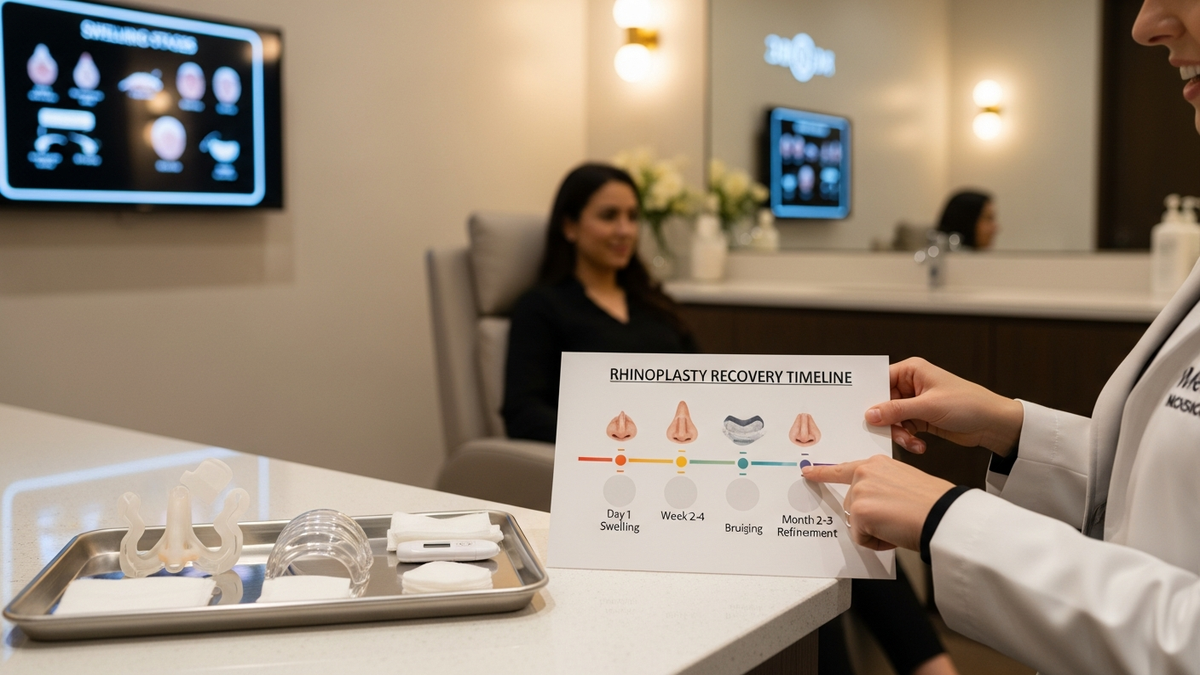
Typical timeline (what many patients experience)
- First 1–3 days: Expect noticeable swelling, pressure sensations, and mild-to-moderate discomfort. Nasal congestion and drainage are common.
- Days 4–14: Swelling and bruising often peak and then gradually improve. Many people start to look “more normal” by the end of this window.
- Weeks 3–6: Continued refinement of swelling. Some residual puffiness may persist, especially around the tip.
- Months 2–6: A meaningful portion of final shaping becomes clearer; the nose often continues to settle.
- Months 6–12 (sometimes up to 18): Final details and subtle contour changes continue to mature.
Key point: Even when you feel mostly recovered sooner, the nose is still healing internally. That’s why surgeons recommend staged activity limits and follow-up care.
What “Recovery” Actually Means After Rhinoplasty
People often use “recovery” to mean one thing—when they can return to work. But after rhinoplasty, recovery has multiple layers:
- Comfort recovery: When pain/pressure decreases and you can sleep and breathe more comfortably.
- Visible recovery: When swelling and bruising reduce enough for social/work events.
- Functional recovery: When breathing improves (if improved) and internal swelling stabilizes.
- Structural recovery: When tissues heal, cartilage repositioning stabilizes, and the nose “settles.”
Understanding these layers helps explain why the recovery time of nose job can feel shorter than the time it takes to see final results.
Swelling Timeline: What’s Normal vs. What’s Concerning
Swelling is one of the most predictable—and most misunderstood—parts of rhinoplasty recovery. It’s also why many patients look different from week to week.
Common swelling patterns
- Early swelling: Often concentrated around the nose, under-eye area, and cheeks.
- Tip swelling: The nasal tip can remain puffy longer than the bridge.
- Day-to-day variation: Swelling may fluctuate based on salt intake, sleep position, activity level, and even travel.
When to seek medical advice
While discomfort and congestion are expected, certain symptoms should be evaluated promptly. Contact your surgical team if you experience:
- Severe, worsening pain not controlled by prescribed medication
- Fever or chills
- Unusual discharge with strong odor
- Rapidly increasing swelling on one side
- Heavy bleeding
These aren’t typical “normal healing” signs and should not be ignored.
How Long Until You Can Return to Work?
Work timelines depend on your job demands (desk work vs. physical activity) and how visible your swelling is. A common approach is:
- Desk work: Many patients plan for about 7–10 days before returning, depending on appearance and comfort.
- Client-facing roles: Some choose 10–14 days for a more “presentable” look.
- Physical work or heavy lifting: Often requires longer—commonly 3–6 weeks depending on your surgeon’s guidance.
If you’re planning a trip, attending an event, or returning to a high-stakes job presentation, consider that swelling can fluctuate. Building in a buffer is one of the most practical recovery strategies.
Exercise and Activity Restrictions (When It’s Safe to Resume)
After rhinoplasty, your surgeon will likely recommend avoiding activities that raise blood pressure or increase facial strain. This helps reduce the risk of bleeding and excessive swelling.
Typical activity milestones
- First week: Light walking is usually encouraged; avoid bending over and strenuous movement.
- Weeks 2–3: Gentle daily activities may be okay, but avoid impact sports and heavy lifting.
- Weeks 4–6: Many patients gradually resume moderate exercise if healing is progressing normally.
- After 6 weeks: Strenuous workouts may be allowed—your surgeon will confirm based on your healing.
Practical tip: If you wear glasses, ask whether they should be supported on the forehead or bridge to reduce pressure on the healing nose. If you use contacts, ask about when it’s safe to return.
Sleeping Positions and Comfort Tips for Better Healing
Small changes can make a noticeable difference during the recovery time of nose job. Many surgeons recommend:
- Sleeping elevated: Often helps reduce swelling.
- Avoiding side sleeping early on: Pressure can affect swelling patterns.
- Gentle nasal care: Follow your surgeon’s instructions for cleaning, sprays, or ointments.
Hydration, adequate protein intake, and rest also support tissue repair. Avoiding smoking and nicotine is especially important for healing quality and long-term outcomes.
Breathing Recovery: Cosmetic vs. Functional Considerations
Some people pursue rhinoplasty primarily for appearance. Others also want improved breathing. These goals can overlap, but they are not identical.
If your surgery is cosmetic-only
Breathing may temporarily feel more restricted due to internal swelling, splints, or packing (if used). This usually improves as swelling decreases.
If you have nasal obstruction or chronic congestion
For people with chronic nasal congestion, sinusitis symptoms, or structural issues such as a deviated septum or enlarged turbinates, the “nose job” conversation may be more complex. A functional evaluation can help determine whether a rhinoplasty approach is appropriate—or whether a functional nasal procedure may be a better first step.
At Hootan Zandifar, MD, FACS (Los Angeles/Beverly Hills area), the focus includes head-and-neck surgical expertise with attention to both aesthetic and functional outcomes. For example, procedures like Septoplasty may address airflow issues related to a Deviated Septum—often with a different recovery profile than full rhinoplasty.
Similarly, for patients with valve collapse or persistent obstruction, there may be non-surgical or minimally invasive options depending on the cause. The most important takeaway: recovery time depends on what was treated, not just on the label “nose job.”
Rhinoplasty Recovery vs. Functional Nasal Surgery Recovery
Because you searched for the recovery time of nose job, you may be comparing rhinoplasty to other nasal procedures. Here’s a high-level way to think about it.
Rhinoplasty (cosmetic and/or structural reshaping)
- Often involves repositioning cartilage and/or bone.
- Visible swelling and bruising are common.
- Final shaping typically takes months to mature.
Septoplasty and related functional procedures
- Focus on airflow by correcting internal structural issues.
- May involve less visible external change.
- Recovery can still involve congestion and internal swelling, but the visible timeline may differ.
If your primary concern is breathing, it’s worth discussing functional options directly. For more context on rhinoplasty decision-making, you can review Rhinoplasty guidance from a facial plastic and reconstructive perspective.
Stages of Healing: What You’ll Notice Week by Week
To make the recovery time of nose job feel more predictable, here’s a “what you might notice” walkthrough.
Days 1–3: Pressure, congestion, and early swelling
You may experience:
- Swelling that makes the nose feel “blocked”
- Bruising around the eyes for some patients
- Dryness and crusting inside the nostrils
- A need to keep your head elevated
Following post-op instructions—especially nasal care—helps prevent complications.
Days 4–7: Bruising begins to settle
Swelling may still be significant, but many patients notice:
- Less sharp discomfort
- Improving energy and appetite
- Gradual changes in the appearance of bruising (often changing color)
Still, avoid rushing back to intense exercise or heavy lifting.
Weeks 2–3: Visibility improves—sometimes dramatically
By this stage, many patients feel comfortable enough to go out more. However:
- The tip can remain puffy
- Asymmetry can appear temporarily due to uneven swelling
- Some patients experience intermittent numbness or tingling
Temporary asymmetry is common during healing. Your surgeon will monitor progress and reassure you when needed.
Weeks 4–6: The nose starts to “look like itself”
At this phase, the nose often looks closer to the final form. Yet subtle changes continue as:
- Residual swelling decreases
- Skin and cartilage settle in their new position
- Internal healing continues
Be cautious with sun exposure—UV can worsen discoloration. Ask your surgeon about when to use sunscreen and how to protect incisions.
Months 2–6: Refinement and maturation
This is when many patients begin to appreciate the aesthetic improvements most clearly. Still, final refinement may not be fully complete. Patience is part of the process.
Months 6–12 (and beyond): Final results emerge
Long-term healing can continue for up to a year or more. If you’re comparing photos, use the same lighting and angle, and avoid judging too early.
Factors That Influence Recovery Time of Nose Job
Why do two people with “the same surgery” heal differently? Recovery time of nose job depends on several variables:
1) Surgical complexity
More extensive reshaping, cartilage grafting, or osteotomies can increase swelling duration.
2) Your anatomy and skin thickness
Thicker skin can retain swelling longer and may influence how quickly results become visible.
3) Smoking and nicotine exposure
Nicotine constricts blood vessels and can impair healing quality.
4) Medication and medical history
Blood thinners, certain supplements, and conditions affecting healing can change recovery. Always disclose your full medical history.
5) Post-op adherence
Following instructions about activity, nasal care, and follow-up visits can reduce complications and support steady progress.
How to Prepare for Surgery to Support a Smoother Recovery
Preparation is one of the most controllable ways to influence your recovery time of nose job. Consider these actionable steps:
Before surgery
- Plan transportation: Arrange a ride home and someone to help for the first day if possible.
- Set up a “recovery space”: Elevate pillows, prepare water, and keep essentials within reach.
- Stock soft foods: Many patients prefer easy-to-chew meals during the early days.
- Follow medication instructions: Your surgeon may advise stopping certain medications or supplements ahead of time.
- Prepare for work and social life: Choose clothing that doesn’t require pulling over your head.
After surgery
- Keep your head elevated and avoid excessive bending.
- Use nasal care exactly as directed (sprays, ointments, gentle cleaning).
- Avoid temperature extremes early on (hot showers, saunas).
- Attend all follow-ups so your surgeon can monitor healing and adjust care.
If you’re in the Los Angeles/Beverly Hills area, working with a facial plastic and reconstructive team can help ensure you receive procedure-specific guidance for both aesthetic goals and functional nasal health.
When Will Your Nose Look “Normal”?
This is the question behind many searches for the recovery time of nose job. The honest answer is: “normal” depends on your definition of normal.
For many patients
Visible appearance often improves substantially by 1–2 weeks, and most people can return to everyday activities with less noticeable swelling by 2 weeks. However, the nose can continue to refine for months.
For camera-heavy or event-focused schedules
If you have a wedding, professional milestone, or major photo event, consider planning for at least 3–6 weeks—when swelling is typically more controlled—unless your surgeon advises otherwise.
Common Myths About Nose Job Recovery
Let’s clear up a few misconceptions that can increase anxiety or lead to unsafe behavior.
Myth 1: “If it doesn’t hurt, it’s fully healed.”
Pain can decrease while internal healing continues. That’s why restrictions matter even when you feel better.
Myth 2: “Swelling is the same for everyone.”
Swelling patterns vary based on anatomy, technique, and adherence to post-op care.
Myth 3: “Final results are visible immediately.”
Final refinement can take many months. Early photos can be misleading.
Myth 4: “More surgery always means faster recovery.”
More extensive work often means more tissue healing, which can lengthen recovery.
How to Choose a Surgeon for Safer, Predictable Recovery
Recovery time is not only about biology—it’s also about surgical planning, technique, and follow-up care. When selecting a provider, look for:
- Board certification and specialized training in facial plastic/reconstructive surgery or ENT facial procedures
- Clear communication about goals, risks, and expected timelines
- Realistic outcome discussions based on your anatomy
- Strong post-op support (clear instructions, accessible follow-up)
- A focus on both form and function if breathing is part of your concern
At Hootan Zandifar, MD, FACS, patients benefit from a head-and-neck surgical focus and a commitment to patient education—aimed at helping individuals make well-informed choices and feel safe throughout the process.
Related Facial Procedures (If You’re Considering a Full Rejuvenation Plan)
Some patients plan multiple procedures to address different aging or aesthetic concerns. If that sounds like you, it’s helpful to understand how recovery scheduling might change.
Blepharoplasty and brow lift
If you’re also considering eyelid rejuvenation, you can explore Blepharoplasty options. Coordinating timelines with rhinoplasty may affect when you can resume work and social activities.
Facelift
For broader facial rejuvenation, consider Facelift planning. Combining procedures can be appropriate for some patients, but it requires careful sequencing and recovery budgeting.
While this article focuses on rhinoplasty recovery, the overarching principle remains the same: your schedule should be built around healing, not just calendar dates.
FAQ: Recovery Time of Nose Job
1) What is the average recovery time of nose job?
Many patients feel comfortable enough to return to desk work in about 7–10 days, with visible improvements often continuing through 2 weeks. Full internal healing and final refinement can take 6–12 months (sometimes longer).
2) When can I exercise after rhinoplasty?
Light walking is usually encouraged early. Strenuous exercise and heavy lifting are often restricted for several weeks. Many surgeons allow moderate exercise around 4–6 weeks, but your exact timeline should come from your surgeon based on your healing.
3) Why does my nose look uneven during recovery?
Temporary asymmetry is common because swelling does not always resolve at the same rate in all areas. The nose continues to settle for months, so early unevenness often improves.
4) Will my breathing improve right away?
If your procedure improves nasal airflow, you may notice changes as swelling decreases. However, congestion during early healing can temporarily make breathing feel blocked. Functional outcomes typically stabilize over time.
5) What should I do if I’m worried about my healing?
Contact your surgical team promptly, especially if you have fever, heavy bleeding, severe worsening pain, foul discharge, or rapidly increasing swelling. It’s always better to ask than to wait.
CTA: Plan Your Nose Job Recovery with Confidence
If you’re mapping out your schedule and wondering how the recovery time of nose job fits into your life, you’re already thinking like a smart patient. The best next step is to schedule a consultation where your surgeon can review your anatomy, your goals (aesthetic and/or functional), and your personalized healing timeline.
Ready to take the next step? Book an appointment with Dr. Hootan Zandifar to discuss your options and get guidance tailored to your situation—so you can move forward with clarity, safety, and realistic expectations.
Professional Disclaimer
This content is provided for general educational purposes only by FlowGeniQ Digest. It is not a substitute for professional advice, diagnosis, or treatment. Readers are advised to consult qualified professionals for personalized recommendations.
Medical Information Disclaimer
This content is provided for general educational purposes only by FlowGeniQ Digest. It is not a substitute for professional advice, diagnosis, or treatment. Readers are advised to consult qualified professionals for personalized recommendations.