Welcome to FlowGeniQ Digest—your trusted, evidence-informed source for understanding cosmetic and functional procedures. If you’re searching for recovery time for nose job, you’re asking the right question. Rhinoplasty (often called a “nose job”) and functional nasal procedures can improve both appearance and breathing, but the healing timeline varies based on the technique, your anatomy, and how your body responds.
In this article, we’ll walk through the typical recovery phases, what’s normal at each stage, and what you can do to support comfortable, efficient healing. We’ll also clarify how functional nasal surgery (such as septoplasty or nasal valve repair) may affect your recovery expectations—especially if chronic congestion or sinus symptoms are part of the reason for treatment.
Recovery Time for Nose Job: The Big Picture
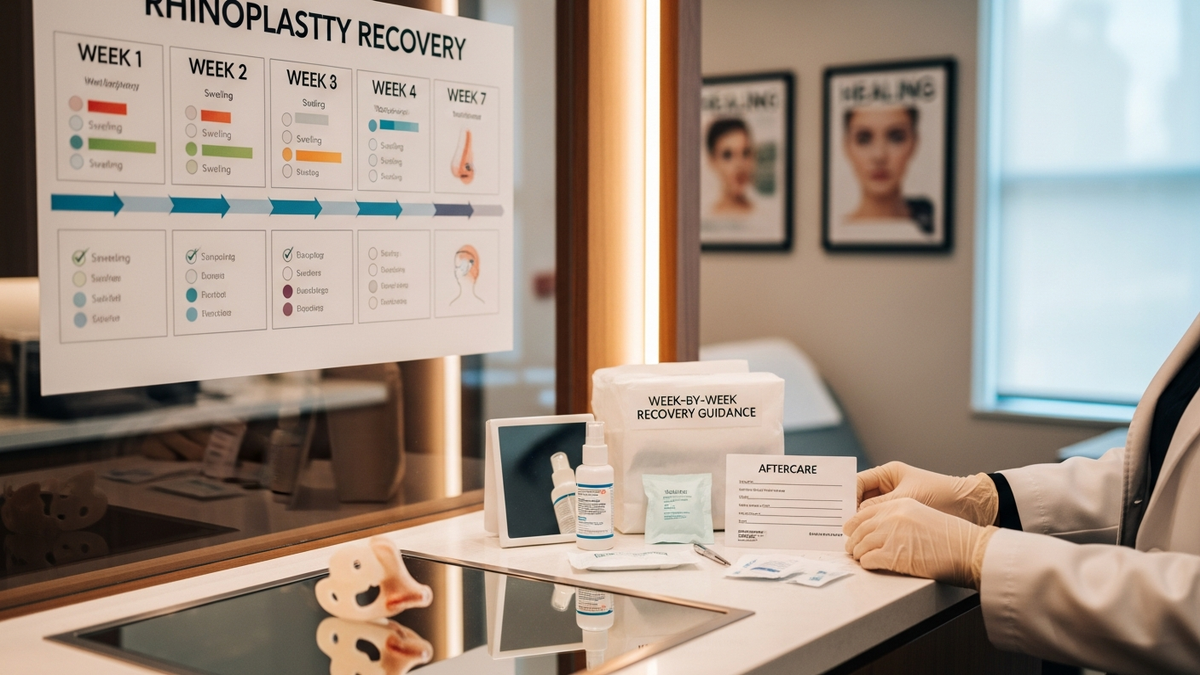
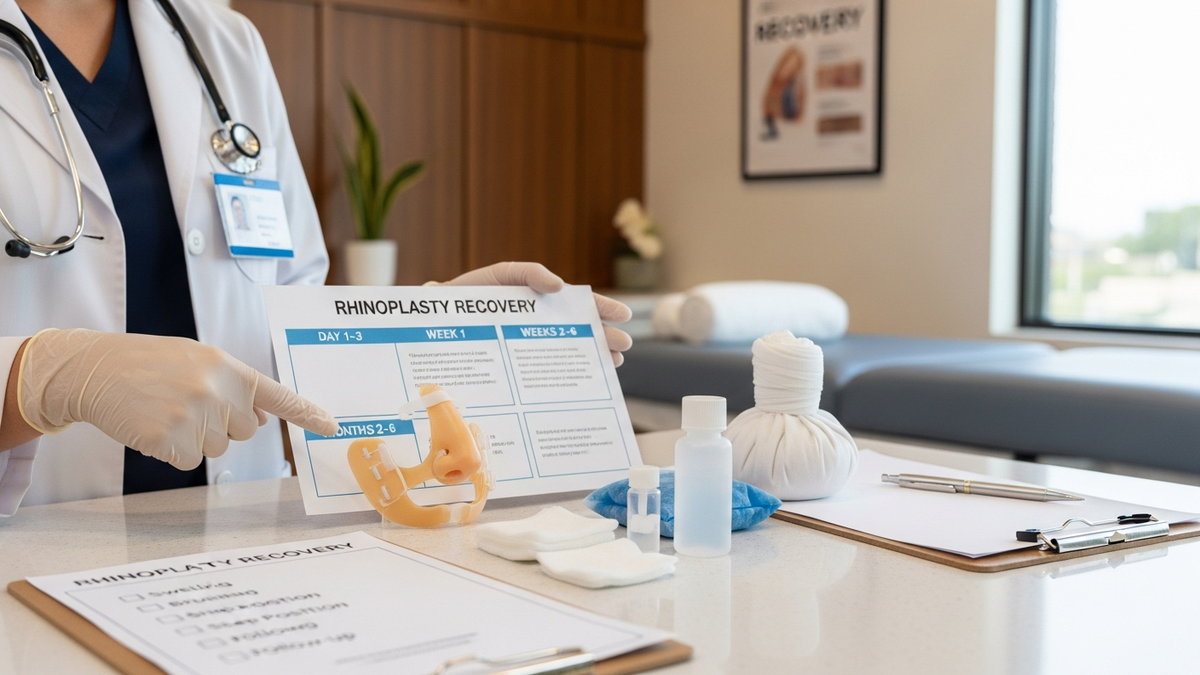
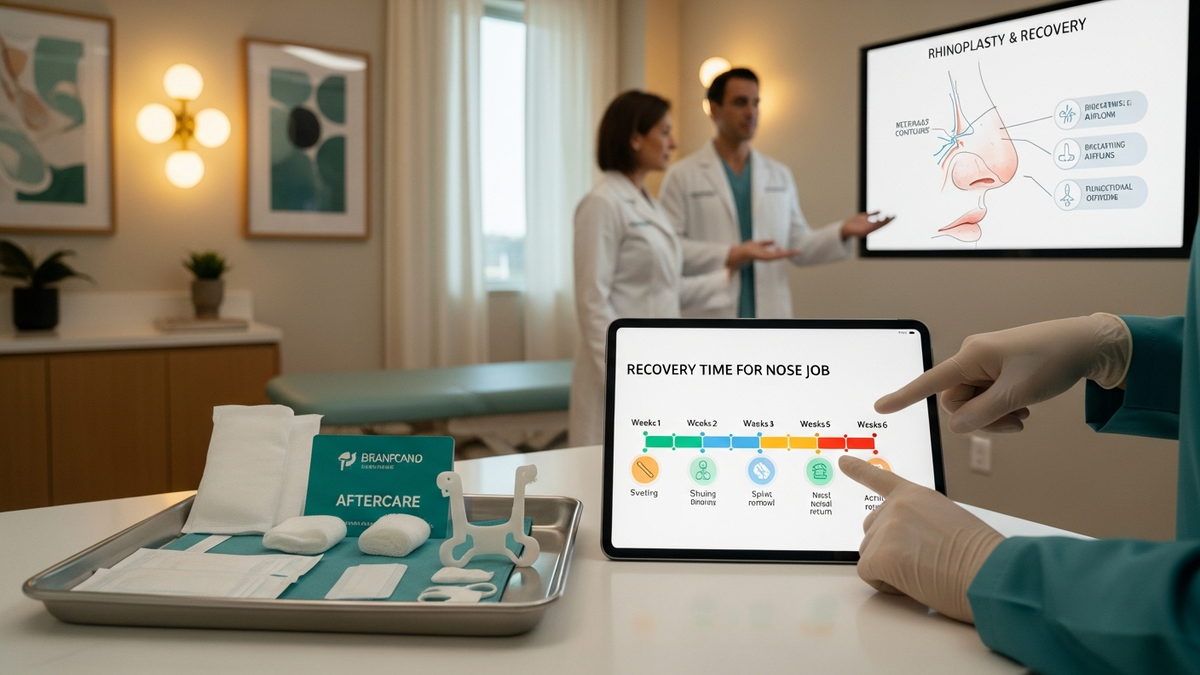
Most patients want a clear answer to one question: How long until I look and feel normal? While there’s no universal timeline, rhinoplasty recovery generally follows a predictable pattern: early swelling and bruising settle first, then refining tissue healing and reshaping continues over months.
Typical milestones (general ranges)
- First 24–72 hours: swelling increases, discomfort is usually manageable with prescribed guidance, and nasal congestion is common.
- Days 5–14: bruising often fades; splints (if used) are removed around this window; visible swelling remains.
- Weeks 3–6: swelling continues to soften and redistribute; many people can return to most social activities.
- Months 3–6: shape becomes more defined; residual swelling may still fluctuate.
- Up to 12 months: final refinement is often ongoing as tissues fully mature.
Because “recovery time” can mean different things (comfort, breathing, appearance, work readiness), it helps to define what you’re optimizing for—especially if you’re balancing a busy schedule in Los Angeles or planning around events.
Recovery Time for Nose Job by Week: What to Expect
Below is a practical, week-by-week guide to support planning. Your surgeon will personalize instructions based on your goals, surgical approach, and whether the procedure is primarily cosmetic, functional, or both.
Week 1: The most noticeable swelling and tenderness
In the first week, the nose and surrounding tissues typically feel tight or sore. Swelling peaks for many patients within the first few days, and congestion is common. If you had internal work (such as structural support, septal adjustments, or turbinate changes), you may feel pressure and blockage while healing.
- Appearance: swelling is usually most prominent.
- Comfort: pain is often manageable; follow prescribed medication guidance.
- Breathing: nasal breathing may feel restricted while tissues are healing.
- Activity: plan for rest and limited movement.
Actionable tip: keep your head elevated and follow your post-op cleaning and hygiene steps exactly. Small deviations—like bending, heavy lifting, or ignoring nasal care instructions—can prolong swelling.
Week 2: Bruising fades; splints may be removed
By the second week, many patients notice less bruising. If splints or external supports were used, they’re commonly removed around this time (your surgeon will confirm the exact schedule). Swelling remains, but the nose often looks closer to its “new” shape.
- Appearance: still puffy, but more defined than week 1.
- Comfort: soreness often decreases.
- Breathing: improved airflow may start, but it can fluctuate.
- Social readiness: many patients can return to light work depending on their environment.
Week 3: Swelling begins to redistribute
At this stage, swelling can shift—sometimes making the nose look different from day to day. This is a common reason patients worry, but it doesn’t always mean the final outcome is changing. Tissue healing and fluid redistribution can create temporary asymmetry.
- Appearance: swelling softens; tip may still be puffy.
- Comfort: most daily activities feel easier.
- Breathing: if functional work was performed, you may notice gradual improvement.
Actionable tip: avoid aggressive face workouts, heat exposure (saunas/hot tubs), and contact sports until cleared. Heat and pressure can intensify swelling.
Weeks 4–6: Many people return to a fuller routine
Between weeks 4 and 6, many patients feel “back to normal” in everyday life—especially if their job doesn’t require heavy physical exertion or high-risk environments. You may still see swelling, but it’s typically less dramatic.
- Appearance: visible refinement; residual swelling can still fluctuate.
- Activity: light exercise may be allowed; full intensity depends on your surgeon’s guidance.
- Breathing: improvements may become more consistent if structural nasal airflow issues were addressed.
Months 3–6: The “new nose” becomes more obvious
At this phase, patients often notice their nose looks more proportionate in photographs and mirrors. However, the nose is still healing internally. Cartilage and soft tissue remodeling continue, so minor changes in shape perception can occur.
- Appearance: clearer contours; tip definition improves.
- Swelling: often less, but not always fully gone.
- Confidence: many patients feel satisfied with the direction of results.
Months 6–12: Final refinement and maturation
By 6–12 months, healing typically becomes more stable. Still, subtle refinement can continue, especially at the tip and along areas where tissue was reshaped. If you’re planning major events, it’s smart to schedule with realistic expectations—many people are comfortable earlier, but final polish can take time.
Cosmetic Rhinoplasty vs. Functional Nasal Surgery: Does Recovery Time Differ?
Not all “nose jobs” are the same. A purely cosmetic rhinoplasty focuses on aesthetics, while functional nasal procedures aim to improve airflow and relieve chronic symptoms. In real clinical practice, many patients benefit from a combined approach.
If your goal includes breathing: expect gradual improvement
Functional nasal surgery may involve work related to the nasal septum, turbinates, or nasal valve. These structures play key roles in airflow and can also influence the sensation of congestion during healing.
For patients with a structural defect, the recovery timeline for breathing may differ from the timeline for appearance. You might notice that breathing improves sooner than you expect—or in some cases, it may take longer as internal swelling resolves.
Examples of functional procedures
- Septoplasty to straighten the septum and improve airflow. Learn more about Septoplasty.
- If you have a Deviated Septum, the same concept applies—see Deviated Septum.
Clinical note: Functional nasal procedures can be less invasive than full rhinoplasty in the right circumstances, and recovery may feel different (often less external reshaping, but still internal healing demands).
Nasal valve and airflow support
Some patients experience nasal valve collapse, which can cause persistent difficulty breathing. Depending on severity, non-surgical approaches may be considered first; surgical options may include implants designed to support airway structure.
What Impacts Recovery Time for Nose Job?
Two people can have similar surgeries and experience different recovery timelines. Factors that influence recovery include:
1) Surgical complexity
More extensive reshaping, cartilage grafting, or combined functional work can increase swelling duration and the time needed for tissue stabilization.
2) Your baseline nasal anatomy
People with narrower airways, deviated septums, enlarged turbinates, or valve issues may experience a different pattern of congestion as tissues heal.
If your “nose job” is actually addressing functional issues, it can be helpful to view recovery as both external healing (appearance) and internal healing (airflow).
3) Smoking and nicotine exposure
Nicotine can impair circulation and slow healing. If you smoke or vape, ask your surgeon about a cessation plan well before surgery.
4) Sleep and head elevation
Sleeping with your head elevated can reduce swelling. Many surgeons recommend specific positioning during early recovery.
5) Medication adherence
Follow instructions for pain control, antibiotics if prescribed, and any saline or spray regimens. Avoid “DIY” changes without approval.
6) Post-op activity level
Returning to strenuous exercise too soon can increase swelling and extend recovery. Conversely, gentle movement and walking (as approved) can support circulation.
Swelling, Bruising, and Congestion: A Reality Check
Swelling is normal after a nose job—even when the surgery is successful. Bruising varies by individual and by technique. Congestion is also common because internal tissues are healing.
Why swelling can “look worse” before it looks better
Swelling behaves like a fluid redistribution process. Early on, it can concentrate in certain areas. Later, it spreads and softens, which is why the nose can appear different at weeks 2, 4, and 6 even when healing is progressing.
What about crusting and mucus?
Crusting inside the nose is common during early healing. Your surgeon may recommend gentle saline care to keep tissues comfortable and reduce irritation. Avoid picking or aggressive cleaning unless instructed.
How to Support Your Recovery Time for Nose Job (Practical Tips)
These recommendations can help you heal more comfortably and potentially reduce delays. Always follow your surgeon’s specific protocol first.
1) Prepare your environment before surgery
- Stock easy-to-eat meals and hydration options.
- Set up extra pillows for head elevation.
- Arrange help for day-to-day tasks for the first few days.
2) Manage pain and inflammation as directed
Use prescribed medications exactly as instructed. If you’re unsure about a medication interaction (including over-the-counter options), contact your surgeon’s office rather than guessing.
3) Avoid pressure on the nose
Be mindful with glasses, hats, and clothing that rubs the nose. Many surgeons advise avoiding pressure and impact during early healing.
4) Take “heat and salt” seriously
Heat can increase swelling. High-sodium diets can contribute to fluid retention in some people. Hydration helps your body recover.
5) Follow your follow-up schedule
Follow-up visits are not optional. They allow your surgeon to monitor healing, remove supports if applicable, and address concerns early.
When Will You Be Able to Work, Exercise, and Travel?
Many patients plan around work and travel. While your surgeon can provide personalized guidance, here are common patterns:
Return to work
- Desk/light work: often possible around week 1–2 depending on swelling and comfort.
- Physical jobs: may require more time; ask your surgeon for clearance.
Exercise
Walking is usually encouraged early (when permitted). Strenuous exercise typically requires longer clearance because it can increase blood pressure and swelling.
Travel
Air travel can increase swelling and dehydration risk. If you plan to fly, ask your surgeon about timing and precautions.
Choosing the Right Surgeon Can Affect Your Recovery Experience
Recovery time isn’t only biological—it’s also influenced by surgical planning, technique, and aftercare. A board-certified facial plastic and reconstructive surgeon brings specialized expertise in the head and neck and can tailor both functional and aesthetic goals.
Why specialization matters
At Hootan Zandifar, MD, FACS, patients receive care focused on cosmetic and reconstructive surgery of the head and neck. Dr. Zandifar is known for an honest, trustworthy, and compassionate approach and for patient education—so you can make well-informed decisions.
For patients with chronic nasal congestion or sinus symptoms, Dr. Zandifar also focuses on functional nasal surgery using minimally invasive options when appropriate, including procedures such as Septoplasty for septal deviation and other targeted treatments to improve breathing and quality of life.
If you’re considering a full rhinoplasty
For patients pursuing aesthetic refinement, it’s helpful to review what a Rhinoplasty consultation typically covers—your goals, nasal structure, and the recovery plan that fits your lifestyle.
Frequently Overlooked Recovery Factors
Even when you follow post-op instructions, a few “hidden” factors can influence how quickly you feel better.
Photo expectations
Social media timelines can be misleading. In the first weeks, photos can look different due to lighting and swelling distribution. Plan for a gradual transformation, not an instant one.
Emotional recovery
It’s normal to feel impatient during swelling peaks. A helpful mindset is to track improvements by milestones: less bruising by week 2, softer swelling by week 4–6, and increasing definition over months.
Allergy and sinus triggers
If you have allergies or chronic sinusitis, inflammation can affect comfort during healing. Some patients benefit from allergy-focused strategies, including treatments like sublingual immunotherapy (discussed with a clinician) depending on their condition.
Related Procedures: How They Fit Into Your Overall Recovery Plan
If you’re planning multiple facial procedures, it’s important to consider how timing and swelling overlap. Many patients choose staged approaches to reduce downtime.
Face lift and eyelid surgery
For patients combining facial rejuvenation goals, a Facelift or Blepharoplasty may have different recovery demands than nasal surgery. Your surgeon can help you decide whether to stage procedures for comfort and safety.
Hair and eyebrow restoration (if you’re also planning aesthetic updates)
Some patients also explore hair or eyebrow restoration to complement overall facial harmony. If you’re considering a hair transplant or an eyebrow transplant, discuss timing so your healing schedules don’t conflict.
FAQ: Recovery Time for Nose Job
How long is the recovery time for nose job before I can go back to work?
Many patients return to light, desk-based work around week 1–2, depending on swelling, bruising, and comfort. Jobs with physical demands may require longer clearance—follow your surgeon’s guidance.
When will the swelling go down after rhinoplasty?
Swelling typically peaks in the first few days, improves noticeably by weeks 2–6, and continues to refine over months 3–6. Final maturation can take up to 12 months, especially at the tip.
Will my breathing improve right away after a nose job?
If functional work was performed, some patients notice breathing changes early, but congestion can fluctuate while internal tissues heal. More consistent improvements often become clearer over weeks to months.
Is it normal to feel congested or have crusting during recovery?
Yes. Nasal congestion, crusting, and mucus are common early in healing. Use only the recommended nasal care regimen from your surgeon and avoid picking or forceful cleaning.
What activities should I avoid to protect my recovery timeline?
Avoid heavy lifting, strenuous exercise, and activities that risk impact to the nose until cleared. Also consider limiting heat exposure (like saunas) early on, since it can worsen swelling.
CTA: Plan Your Nose Job Recovery With Confidence
If you’re considering a nose job and want a recovery plan that fits your goals—whether you’re focused on aesthetics, breathing, or both—start with an individualized consultation.
At FlowGeniQ Digest, we encourage readers to make informed decisions using credible education. For personalized surgical planning, reach out to a qualified specialist who can evaluate your nasal anatomy and discuss realistic expectations for recovery time for nose job.
Next step: Schedule a consultation to review your goals, your breathing history, and your ideal timeline. You’ll leave with a clearer understanding of what recovery will likely look like for you.
Professional Disclaimer
This content is provided for general educational purposes only by FlowGeniQ Digest. It is not a substitute for professional advice, diagnosis, or treatment. Readers are advised to consult qualified professionals for personalized recommendations.
Medical Information Disclaimer
This content is provided for general educational purposes only by FlowGeniQ Digest. It is not a substitute for professional advice, diagnosis, or treatment. Readers are advised to consult qualified professionals for personalized recommendations.