Recovery rhinoplasty is often the part of the journey that patients think about the most—because it determines how quickly you can return to daily life and how comfortably you’ll get to your final, natural-looking results. At FlowGeniQ Digest, we often hear from people who want clarity: What will my nose feel like? How much swelling is normal? When can I work out, sleep, or wear glasses?
In this guide, you’ll find an evidence-informed overview of what recovery commonly looks like after rhinoplasty, plus practical tips to support healing. We’ll also address a key point many patients overlook: if your goal includes easier breathing, your recovery may be influenced by functional nasal work (for example, structural support of the airway). In Los Angeles and Beverly Hills, many patients choose a board-certified facial plastic approach that prioritizes both aesthetics and—when appropriate—function.
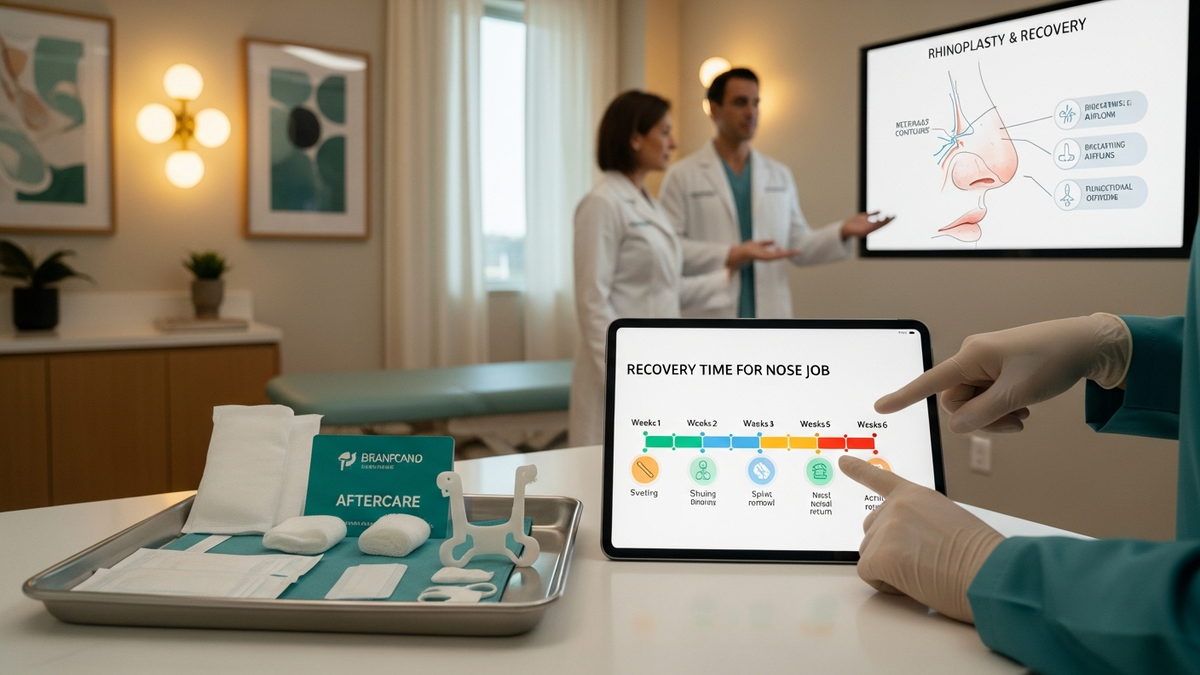
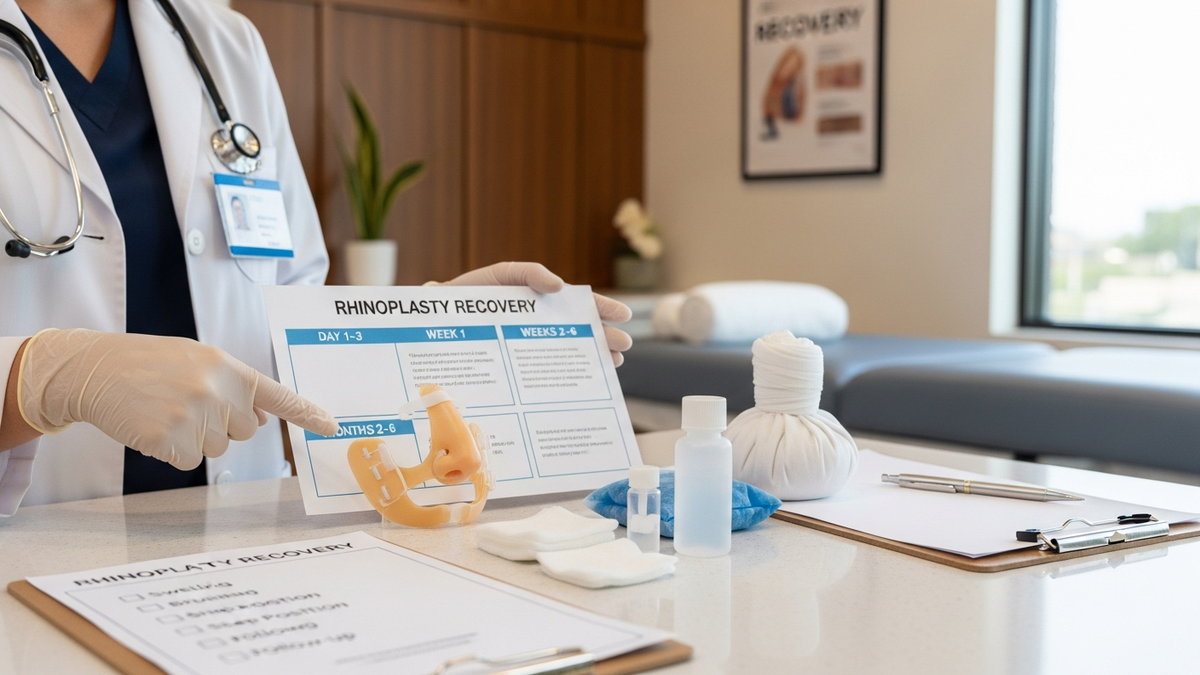
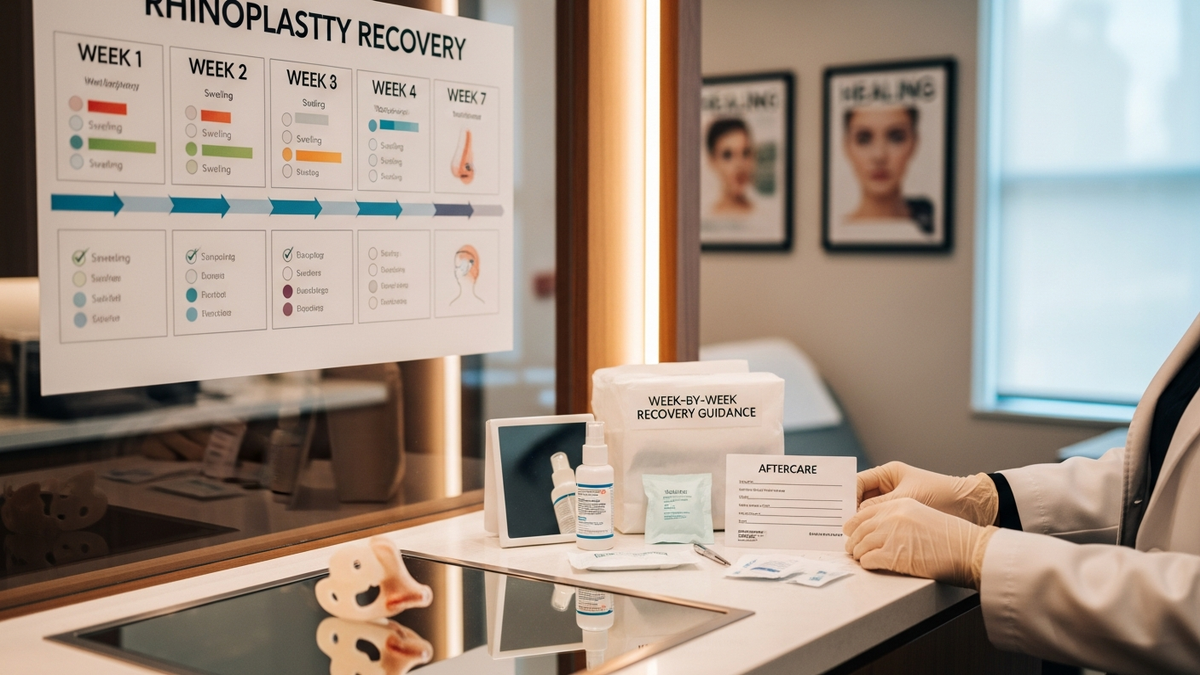
Recovery Rhinoplasty: The Healing Timeline (Week by Week)
Every patient heals at a slightly different pace, but most recovery rhinoplasty timelines follow a predictable pattern. The nose is delicate, and swelling can persist even when you feel “mostly normal.” Your surgeon’s technique, the extent of cartilage/bone work, and whether functional changes were also performed all influence how your timeline unfolds.
First 72 hours: Comfort, swelling peaks, and protection
In the first few days, swelling and mild bruising are expected. Many patients describe pressure more than severe pain. Your care team will typically provide instructions for:
- Cold compresses (when approved) to reduce swelling
- Head elevation to minimize fluid accumulation
- Medication guidance for pain control and to reduce inflammation
- Keeping the nose protected from accidental bumps
If your post-op plan includes a splint or internal support, it’s designed to stabilize healing tissues. Avoiding disruption is a big part of successful recovery.
Days 4–7: Bruising settles, tenderness remains
This is often the stage where patients can start to see improvement. Bruising may shift colors (green/yellow tones are common), and swelling may feel less “tight.” However, the nose can still be tender and sensitive to touch.
Many people can return to light work during this window depending on their job demands and how they personally heal. If you have a physically demanding role, it’s best to ask your surgeon when it’s safe to resume.
Weeks 2–3: Visibility improves, but fine swelling persists
By week two, many external signs are reduced enough for social comfort. Yet internally, healing continues. Fine swelling can linger around the tip and along the nasal sidewalls, and some areas may feel slightly numb or “odd” as nerves recover.
At this stage, patients are often tempted to judge results too early. The nose can look different week to week as tissues settle into their new position.
Weeks 4–6: More normal appearance and gradual return to routine
Between one month and two months, your nose may look increasingly natural. Swelling continues to soften, and you may begin to feel more like yourself. Many surgeons allow a gradual return to exercise, but contact sports and high-impact activity are usually delayed.
Glasses and sun exposure are common concerns. If you wear glasses, you may need temporary support (such as taping techniques) to avoid pressure on healing structures—your surgeon will advise the safest approach.
Months 3–6: Refinement phase (the “final look” begins)
At three to six months, many patients notice that their nose looks more refined and consistent. Tip definition often improves as swelling resolves. Still, subtle changes are normal.
Months 6–12: Long-term settling
Rhinoplasty results can continue to evolve up to a year (sometimes longer), especially in the tip. This is why a “final result” mindset is important: you’ll see meaningful progress earlier, but the last details often take time.
What Is Normal During Recovery Rhinoplasty?
Knowing what’s typical helps you avoid unnecessary worry—and helps you recognize when to call your surgeon.
Common, expected symptoms
- Swelling that gradually decreases but may fluctuate
- Bruising, especially around the eyes
- Congestion and internal tightness
- Dryness or crusting inside the nostrils
- Temporary numbness or tingling as nerves recover
- Throbbing or pressure that improves with rest and medication
Why swelling can look “worse before it looks better”
Swelling is not linear. Some patients notice a temporary increase around days 3–5 or after increased activity. This doesn’t always mean something went wrong—it can be a normal response to healing and inflammation. Following your activity restrictions is one of the most practical ways to support a smoother recovery.
When to contact your surgeon promptly
Seek medical advice if you experience:
- Severe or worsening pain not controlled by prescribed medication
- Heavy bleeding or bleeding that doesn’t improve
- Fever or signs of infection
- Rapidly increasing swelling or redness
- Breathing that suddenly becomes significantly worse
Recovery Rhinoplasty vs. Functional Nasal Surgery: Understanding the Difference
Many people search “recovery rhinoplasty” expecting a single, uniform experience. But rhinoplasty can be performed for cosmetic, functional, or combined goals. If your primary concern is chronic nasal congestion, sinusitis, or airway obstruction, functional nasal procedures may be considered in the right circumstances.
Dr. Hootan Zandifar is known for focusing on head and neck procedures and for functional nasal surgery approaches that can help address chronic symptoms of congestion and sinusitis using minimally invasive strategies. When breathing is part of the goal, your recovery plan may incorporate airway stabilization and nasal airflow considerations.
Functional options that may be considered
Depending on your anatomy and symptoms, a surgeon might discuss:
- Septoplasty for a crooked septum—often associated with airflow restriction. Learn more here: Septoplasty and Deviated Septum.
- Inferior turbinate reduction for chronic “stuffy nose” symptoms.
- Nasal valve collapse repair (non-surgical or surgical approaches, depending on severity).
- Balloon sinuplasty or endoscopic sinus surgery for chronic sinus blockage and infection patterns.
These procedures can be less invasive than rhinoplasty in the right circumstances, but the best path depends on your diagnosis and goals.
Swelling, Bruising, and Pain: What to Expect—and How to Reduce It
Swelling is the hallmark of rhinoplasty recovery. While you can’t eliminate it entirely, you can influence how quickly it improves.
Evidence-informed swelling-reduction strategies
- Keep your head elevated (especially during sleep). Fluid accumulation can worsen puffiness.
- Use cold compresses only as directed by your surgeon.
- Follow medication instructions exactly (avoid doubling up on pain relievers).
- Avoid salt-heavy meals during the early healing period.
- Take a gentle approach to activity. “More movement” isn’t always better early on.
- Stay hydrated to support overall healing.
Bruising around the eyes: why it happens
Bruising often travels downward due to gravity and tissue planes. It can look intense, but it typically fades over time. Your surgeon may recommend arnica or other supportive measures; if you’re unsure, ask first—some supplements can affect bleeding risk.
Pain management: pressure vs. sharp pain
Many patients report pressure and tightness more than sharp pain. If you experience sudden, severe pain or symptoms that feel different from your expected post-op course, contact your surgical team.
Inside the Nose: Congestion, Crusting, and Breathing Changes
It’s normal to feel congested after rhinoplasty. Internal swelling, splints, and healing tissue can temporarily block airflow. Nasal breathing often improves gradually as swelling decreases.
Crusting and dryness
Crusting is common in the early stages. Your surgeon may recommend saline sprays, humidification, or other post-op care. Avoid aggressive nose blowing or picking—this can disrupt healing and increase irritation.
If you’re also treating chronic congestion
If your surgeon identifies functional contributors to your symptoms, your recovery experience may include both cosmetic settling and airway healing. This is one reason why detailed pre-op evaluation matters.
Sleeping, Work, Exercise, and Daily Activities During Recovery Rhinoplasty
Planning your recovery makes a major difference. Here are practical milestones that many patients find helpful.
Sleeping positions
Most surgeons recommend sleeping with your head elevated and avoiding pressure on the nose. Side sleeping is often restricted early. Use extra pillows or a wedge system if it helps you stay in position.
Returning to work
Many patients can return to light desk work within about a week, but this varies. If your job involves heavy lifting, bending, or physical exertion, you may need longer.
Exercise timeline
Generally:
- Early phase: walking is usually encouraged for circulation, while strenuous exercise is restricted.
- Mid phase (around weeks 4–6): many patients can resume moderate activity with clearance.
- Late phase: contact sports and high-impact training typically require longer clearance.
Always follow your surgeon’s specific guidance—your nasal structure needs time to stabilize.
Glasses, contacts, and grooming
If you wear glasses, you may be advised to avoid direct pressure on the bridge early. Contact lenses may be restricted if you have eye irritation from swelling or if your surgeon prefers you avoid them during the highest-swelling period.
Scarring, Longevity, and the “Natural Look” Factor
Most rhinoplasty incisions are inside the nose, so visible external scars are minimal or absent. That said, tissues still heal with internal remodeling that contributes to long-term refinement.
How surgeons create natural results
A “natural” rhinoplasty is not just about reducing a bump or changing a tip—it’s about proportion, facial harmony, and appropriate structural support. Skilled facial plastic surgeons often consider:
- The relationship between the nose and midface
- Tip rotation and nasal length in the context of your facial features
- Cartilage support to maintain airway stability
- Skin thickness and how it will drape over time
How long do results last?
Rhinoplasty results are generally long-lasting, but aging continues. Skin changes and tissue remodeling can subtly affect appearance over years. That’s why choosing a surgeon who plans for long-term harmony is valuable.
Choosing a Surgeon for Recovery Rhinoplasty: What to Look For
Recovery outcomes are influenced by both surgical technique and post-op management. When evaluating a surgeon, consider the following:
Credentials and specialization
Look for a facial plastic and reconstructive surgeon with board certification and extensive experience in head and neck anatomy. Dr. Hootan Zandifar is double board certified and fellowship trained, with a focus on natural-looking results and patient education.
Functional evaluation (if breathing matters)
If you have chronic congestion, sinus symptoms, or airway obstruction, ask how your surgeon evaluates nasal function and whether functional work is needed. In some cases, procedures like Septoplasty or other functional interventions may be considered alongside or instead of aesthetic changes.
A clear post-op plan
Ask about:
- Splint removal schedule
- Internal care instructions (saline, humidification, crust care)
- When you can resume exercise, sleep positions, and work
- What complications they most commonly monitor
Recovery Tips You Can Start Before Surgery
Many patients underestimate how much pre-op preparation affects comfort and adherence to recovery rhinoplasty instructions.
Set up your recovery environment
- Arrange a “recovery corner” with water, medications, saline (if prescribed), and entertainment.
- Stock easy foods that don’t require heavy chewing.
- Prepare a wedge pillow or extra pillows for elevation.
Plan your support system
Arrange help for the first few days if possible. Even if you feel okay, you may have limited ability to drive, manage errands, or handle tasks while you’re swollen.
Review medications and supplements
Ask your surgeon about which supplements and medications to pause before surgery (especially those that can affect bleeding). Don’t stop prescribed medications without medical guidance.
When Will You See Your Final Recovery Rhinoplasty Results?
It’s normal to want “the answer” quickly, but rhinoplasty is a remodeling process. Most patients see meaningful changes within the first few months, while final refinement may take longer—particularly for the tip.
If you’re also addressing broader facial aging or other aesthetic goals, consider timing. Some patients may pair facial rejuvenation strategies (like a Facelift or Blepharoplasty) with rhinoplasty, but doing so requires careful planning so swelling periods don’t overlap or complicate healing.
Frequently Asked Questions About Recovery Rhinoplasty
1) How long does swelling last after recovery rhinoplasty?
Swelling typically peaks in the first few days and gradually improves over weeks. Many patients see major reductions by 4–6 weeks, but subtle swelling can persist for months, especially at the tip.
2) Will I be in pain during rhinoplasty recovery?
Most patients experience pressure and tenderness rather than severe pain. Your surgeon will provide a medication plan; follow it closely and contact your team if symptoms feel unusually intense or worsen.
3) When can I return to exercise?
Light walking is often encouraged early, but strenuous exercise usually requires clearance. Many patients return to moderate activity around weeks 4–6, with longer delays for contact sports and high-impact training.
4) Can recovery rhinoplasty affect my breathing?
It can temporarily affect breathing due to swelling and internal healing. If functional issues are addressed, breathing may improve over time. If breathing worsens suddenly or significantly, contact your surgeon.
5) Are results immediate?
Rhinoplasty results are not fully visible right away. You’ll see progress early, but the nose continues to remodel for months. Final refinement can take up to a year or more.
CTA: Plan Your Recovery Rhinoplasty With Confidence
If you’re considering rhinoplasty—or you want a recovery plan that accounts for both appearance and breathing—start with a thorough consultation. At Hootan Zandifar, MD, FACS, patients benefit from an honest, compassionate approach and a commitment to education, so you can make well-informed decisions that align with your goals.
To learn more about the procedure and how it’s approached at a facial plastic and reconstructive level, explore Rhinoplasty. If you’re comparing options for nasal airflow, review Septoplasty and related evaluations for a Deviated Septum.
Ready to take the next step? Schedule your consultation to discuss your anatomy, your breathing goals, and a realistic recovery rhinoplasty timeline tailored to you.
Professional Disclaimer
This content is provided for general educational purposes only by FlowGeniQ Digest. It is not a substitute for professional advice, diagnosis, or treatment. Readers are advised to consult qualified professionals for personalized recommendations.
Medical Information Disclaimer
This content is provided for general educational purposes only by FlowGeniQ Digest. It is not a substitute for professional advice, diagnosis, or treatment. Readers are advised to consult qualified professionals for personalized recommendations.