FlowGeniQ Digest is your source for clear, evidence-informed guidance across beauty and health topics. If you’re considering a cosmetic procedure for your nose—or you’re also dealing with nasal obstruction—this article explains what you can realistically expect when you look at nose job rhinoplasty before and after results.
Because every face is unique, the “before and after” images you see online can be helpful—but they don’t tell the whole story. The best outcomes come from matching your goals to the right surgical plan, the right technique, and a surgeon who understands both aesthetics and function.
What “Nose Job Rhinoplasty Before and After” Really Means
When people search for nose job rhinoplasty before and after, they’re usually looking for two things:
- Visual changes—shape, size, tip definition, and profile balance.
- Functional changes—how well you can breathe through your nose, especially if you have congestion, a deviated septum, or nasal valve collapse.
A key point: “before and after” photos are time-stamped. Early swelling can temporarily alter the nose’s shape, while later results reflect tissue settling, scar remodeling, and—when needed—structural support.
Common Aesthetic Goals Seen in Rhinoplasty Before and After Photos
Many rhinoplasty transformations focus on refining the nasal features while preserving a natural look. Below are changes frequently discussed by patients and commonly reflected in nose job rhinoplasty before and after imagery.
1) Dorsal hump reduction (smoother nasal bridge)
Some patients want a straighter profile by reducing a visible hump or irregularity along the bridge. Surgeons may reshape cartilage and bone and then re-drape soft tissue over the new framework.
2) Tip refinement (more definition and proportion)
Tip changes are among the most noticeable in photos because the tip influences how the nose frames the face. Tip refinement can include:
- Improving tip projection
- Refining rotation (the angle between tip and upper lip)
- Reducing bulbousness
- Enhancing symmetry
3) Narrowing or straightening the nose
Asymmetry is common. Rhinoplasty can address crookedness, width, or deviations by carefully balancing bone and cartilage position, then stabilizing the result.
4) Improving nasal tip support and overall balance
Some transformations are subtle but powerful: improving support can prevent droop, enhance tip definition, and create better facial harmony.
Functional Rhinoplasty: When “Before and After” Includes Breathing
Not every rhinoplasty is only about appearance. Some patients have chronic symptoms such as nasal congestion or sinus-related issues. At FlowGeniQ Digest, we frequently emphasize that the “best” result is the one that matches your needs—cosmetic, functional, or both.
How structural issues can affect airflow
Common contributors to nasal obstruction include:
- Septal deviation (a crooked nasal septum)
- Enlarged turbinates (which can cause a “stuffy nose” sensation)
- Nasal valve collapse (often the narrowest part of airflow)
In these cases, a cosmetic procedure alone may not fully address symptoms. A surgeon may consider functional nasal surgery options such as Septoplasty or evaluate the Deviated Septum contributing to obstruction.
Functional options that may be less invasive than rhinoplasty
Dr. Hootan Zandifar specializes in head and neck surgery and focuses on functional nasal procedures that can help restore breathing in the right circumstances. Depending on your anatomy and goals, treatments may include:
- Septoplasty to straighten the septum and improve airflow
- Inferior turbinate reduction to reduce long-term nasal congestion
- Nasal valve repair (non-surgical and surgical options exist)
- Balloon sinuplasty for certain sinus blockage patterns
- Endoscopic sinus surgery when chronic sinusitis requires a more comprehensive approach
Even when cosmetic rhinoplasty is the main goal, functional assessment can improve overall satisfaction because breathing affects comfort, sleep quality, and daily life.
Rhinoplasty vs. “Nose Job”: Are They the Same?
Yes—rhinoplasty is the medical term, and “nose job” is the common phrase. In practical terms, both refer to surgical reshaping of the nose to improve appearance and/or function.
If you’re comparing surgeons or learning about techniques, it’s helpful to review outcomes for both aesthetic and functional goals. For a more cosmetic-focused overview, you can explore Rhinoplasty resources from board-certified facial plastic specialists.
Typical Rhinoplasty Recovery Timeline (Before and After Explained)
One reason “before and after” photos can be confusing is that results evolve over time. Here’s a realistic timeline that helps interpret common stages.
First week: swelling, bruising, and nasal support
Most patients experience swelling and bruising around the nose and under the eyes. Splints or internal support may be placed depending on technique. Breathing may feel different due to swelling, temporary packing, or splinting.
Weeks 2–4: visible changes begin to emerge
Swelling often decreases substantially, but the nose may still look “off” compared to the final result. Tip definition can look different from day to day as tissues settle.
Months 2–6: refinement phase
This is when many patients notice a more stable shape. However, internal healing continues and subtle changes can still occur.
Months 6–12: the long view
Many rhinoplasty results continue to mature beyond the first year. Scar remodeling and tissue settling can gradually refine the final contours.
What Affects Rhinoplasty “Before and After” Results?
Two people can undergo similar procedures and have different outcomes. Results depend on several factors:
- Your baseline anatomy (bone/cartilage structure, skin thickness, tip support)
- The surgical plan (what gets reshaped, what gets preserved, and whether grafting is needed)
- Technique and precision (stability and alignment matter)
- Healing variability (inflammation and scar response differ)
- Aftercare (avoid trauma, follow post-op instructions, attend follow-ups)
This is why comparing photos without context can mislead expectations. A tailored consult helps align your goals with what’s medically achievable for your specific anatomy.
How to Evaluate Rhinoplasty Photos Without Getting Misled
If you’re using nose job rhinoplasty before and after images to guide your decision, use these practical filters:
- Check the time between photos (weeks vs. months vs. 1 year+).
- Look at multiple angles (front, oblique, profile). A good result is consistent from different viewpoints.
- Assess tip shape and symmetry rather than only bridge height.
- Consider skin characteristics—thicker skin may show changes more slowly and differently than thinner skin.
- Look for natural facial harmony—the nose should complement your lips, chin, and overall proportions.
Potential Risks and Side Effects (What “Before and After” Doesn’t Always Show)
Every surgical procedure carries potential risks. While many rhinoplasty patients do very well, it’s important to understand possible complications so you can make an informed decision.
Possible risks include:
- Persistent swelling or asymmetry
- Infection or bleeding (rare with proper care)
- Changes in sensation
- Breathing issues if internal structures are not appropriately addressed
- Scar-related concerns or contour irregularities
- Need for revision in some cases
Your surgeon should discuss these risks and how they reduce them through technique, planning, and post-operative care.
Who Is a Good Candidate for Rhinoplasty?
Candidacy depends on your goals, anatomy, and health. In general, good candidates include individuals who:
- Have realistic expectations and understand that healing takes time
- Are in good overall health
- Have stable facial growth (often a consideration for younger patients)
- Have either cosmetic goals, functional goals, or both
If you primarily struggle with nasal obstruction, you may benefit from functional procedures that can be less invasive than full rhinoplasty—your surgeon can determine the best path after an exam.
What to Ask During Your Rhinoplasty Consultation
A confident decision comes from clarity. Consider bringing a short list of questions to your appointment:
- What specific changes do you recommend for my nose?
- Will you address breathing function or only aesthetics?
- Do I have septal deviation or turbinate issues? (Ask whether a Septoplasty approach is appropriate.)
- Will grafting be needed? If so, where might graft material come from?
- What does my recovery timeline look like? When can I return to work and exercise?
- How do you define “natural-looking” for my face?
- What risks are most relevant for my anatomy?
Why Double-Board and Facial Plastic Expertise Matters
Your nose is central to facial proportion. That’s why surgical planning benefits from specialized facial plastic and reconstructive training, including an understanding of both aesthetics and head/neck anatomy.
Dr. Hootan Zandifar is a board-certified facial plastic and reconstructive surgeon with training focused on head and neck surgery. His approach emphasizes education, honest recommendations, and natural-looking results. At FlowGeniQ Digest, we highlight that when surgeons specialize in the face, they’re better positioned to deliver outcomes that look harmonious and feel right for the patient’s life.
For patients with functional nasal symptoms, a specialist who focuses on head/neck anatomy can also help determine whether functional nasal procedures may be part of the plan.
Aftercare Tips That Support Better Healing
While your surgeon’s instructions always come first, these general aftercare principles often support smoother recovery:
- Follow wound and splint care instructions exactly
- Avoid trauma (including accidental bumps during sleep or sports)
- Don’t rush exercise—resuming too quickly can increase swelling and bleeding risk
- Attend all follow-ups so your surgeon can monitor healing and address concerns early
- Use head elevation as recommended to help reduce swelling
- Avoid smoking and follow medication guidance (including what to avoid before/after surgery)
How to Pair Rhinoplasty with Other Facial Rejuvenation (If Desired)
Some patients consider a broader refresh—especially when the goal is to look more youthful overall. While rhinoplasty targets the nose, other facial procedures can complement results by improving the surrounding features.
Blepharoplasty and facial harmony
If you’re also dealing with eyelid heaviness or under-eye puffiness, some patients explore Blepharoplasty to create a more rested appearance. This can be especially relevant if you feel your eyes don’t reflect the confidence you’re aiming for.
Facelift for structural aging
For skin laxity and deeper age-related changes in the lower face and neck, a Facelift may be considered as part of a personalized plan. Your surgeon can help determine whether timing matters and how to prioritize procedures.
Rhinoplasty Results and Self-Confidence: A Balanced Perspective
It’s normal to feel excited when you find photos that resemble the look you want. But self-confidence doesn’t come only from the image—it comes from feeling informed, cared for, and supported throughout healing.
That’s why it helps to set expectations around time. Most people don’t look “final” immediately after surgery. A thoughtful plan, realistic milestones, and strong follow-up support can make the experience far more manageable.
When Rhinoplasty May Not Be the Only Answer
If your primary concern is breathing, you may not need a full cosmetic rhinoplasty. Depending on your diagnosis, functional procedures may offer symptom relief with different trade-offs.
For example, a structural issue like septal deviation can be addressed through Septoplasty, while turbinate reduction can help reduce chronic congestion. In some cases, nasal valve collapse can be treated with targeted approaches. Your surgeon can guide you based on exam findings.
Related Considerations: Brows and Hair (Optional, Not Required)
Some patients exploring facial aesthetics also consider complementary features. While these are separate procedures, it’s worth noting that planning your overall look should be individualized.
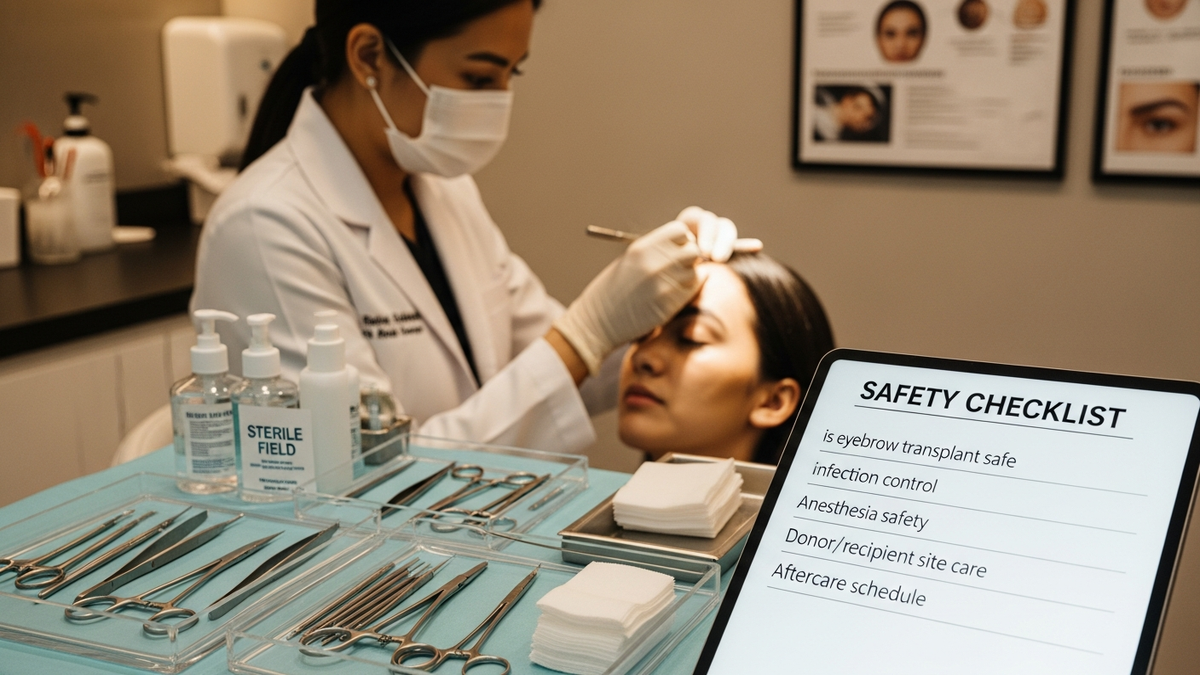
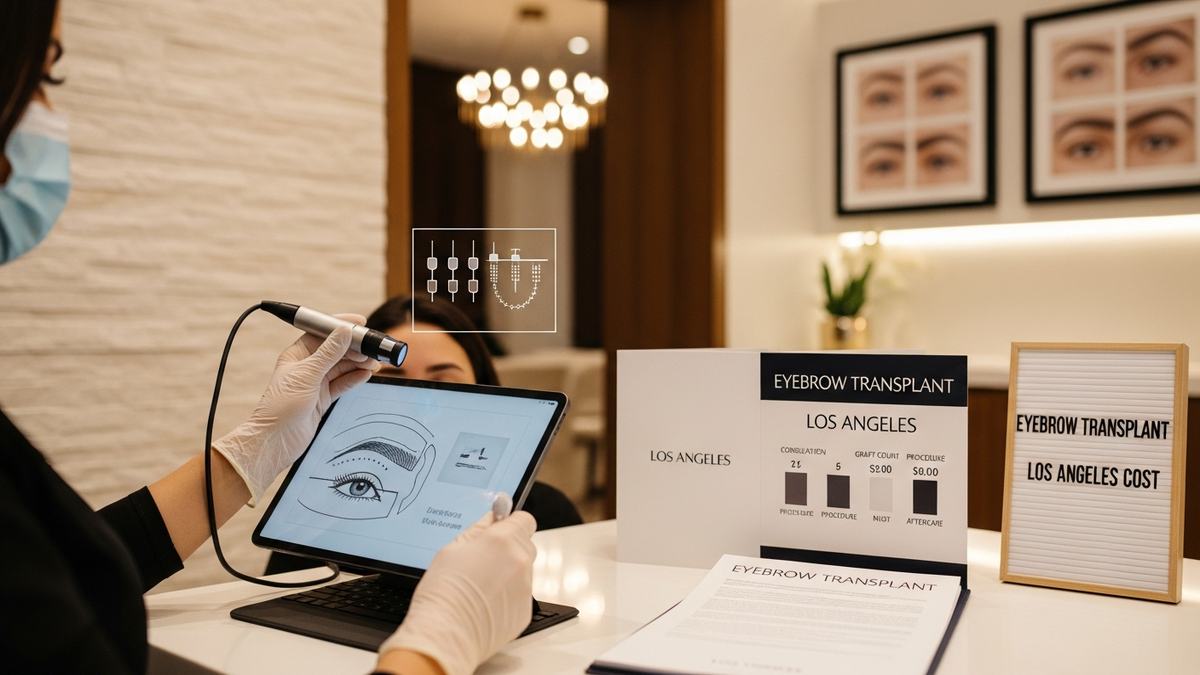
- If eyebrow thinning affects facial expression, patients sometimes explore an eyebrow transplant.
- If hair loss is a concern, some individuals consider a hair transplant to support a balanced, refreshed appearance.
FAQ: Nose Job Rhinoplasty Before and After
How long until rhinoplasty results look “normal”?
Swelling changes significantly in the first few weeks, but the final look typically continues improving over months. Many patients see a more stable result around 6–12 months, with gradual refinement beyond that.
Why do my rhinoplasty results look different from the “before and after” photos online?
Photos may be taken at different stages of healing, using different lighting/angles, or may reflect different surgical techniques and baseline anatomy. Always ask how long after surgery the “after” photo was taken.
Can rhinoplasty improve breathing?
Yes—when breathing issues are caused by structural factors, a surgeon may incorporate functional changes into the rhinoplasty plan. If obstruction is mainly due to septal deviation or turbinate enlargement, functional procedures like Septoplasty may be considered depending on your case.
What’s the difference between rhinoplasty and septoplasty?
Rhinoplasty reshapes the nose for cosmetic and/or functional reasons. Septoplasty focuses on straightening the nasal septum to improve airflow. Some patients benefit from one, the other, or a combination based on their anatomy.
What should I do if I’m unhappy with the outcome?
First, communicate with your surgeon. Healing can continue for many months, and early concerns may resolve as swelling decreases. If issues persist, your surgeon can discuss revision options and appropriate timing.
CTA: Ready to Explore Your Rhinoplasty Options?
If you’re considering a nose job rhinoplasty before and after transformation—or you want to address nasal breathing concerns alongside aesthetics—schedule a consultation with a qualified facial plastic and reconstructive surgeon.
At FlowGeniQ Digest, our mission is to help you make well-informed decisions. The next step is a personalized evaluation so you can understand what’s realistic for your anatomy, your timeline, and your goals.
Take action today: book an appointment, bring your questions, and ask how your surgeon plans to balance aesthetics with function for the most natural, satisfying result.
Professional Disclaimer
This content is provided for general educational purposes only by FlowGeniQ Digest. It is not a substitute for professional advice, diagnosis, or treatment. Readers are advised to consult qualified professionals for personalized recommendations.
Medical Information Disclaimer
This content is provided for general educational purposes only by FlowGeniQ Digest. It is not a substitute for professional advice, diagnosis, or treatment. Readers are advised to consult qualified professionals for personalized recommendations.