Looking for nose job near me often starts with a simple goal: you want a nose that looks more balanced with your face—and, in many cases, you want to breathe better too. In Los Angeles, patients increasingly seek both aesthetic refinement and functional improvement from a specialist who understands the nose as a complex structure of cartilage, bone, skin, and airflow pathways.
At FlowGeniQ Digest, we focus on helping readers make informed choices. This article explains what a “nose job” can mean, how to evaluate surgeons and treatment options, and how to prepare for a consultation—whether your priority is appearance, breathing, or both.
What “Nose Job Near Me” Usually Means (Aesthetic vs. Functional Goals)
When people search nose job near me, they may be looking for one or more of the following:
- Aesthetic rhinoplasty: reshaping the nose for proportion, symmetry, or a refined profile
- Functional nasal surgery: improving airflow when symptoms suggest structural obstruction
- Combined treatment: addressing both appearance and breathing in a single surgical plan (when appropriate)
It’s important to clarify your primary concern early. A nose that looks great but doesn’t breathe well (or vice versa) can leave patients dissatisfied. A skilled facial plastic and reconstructive surgeon can evaluate both form and function to align the plan with your goals.
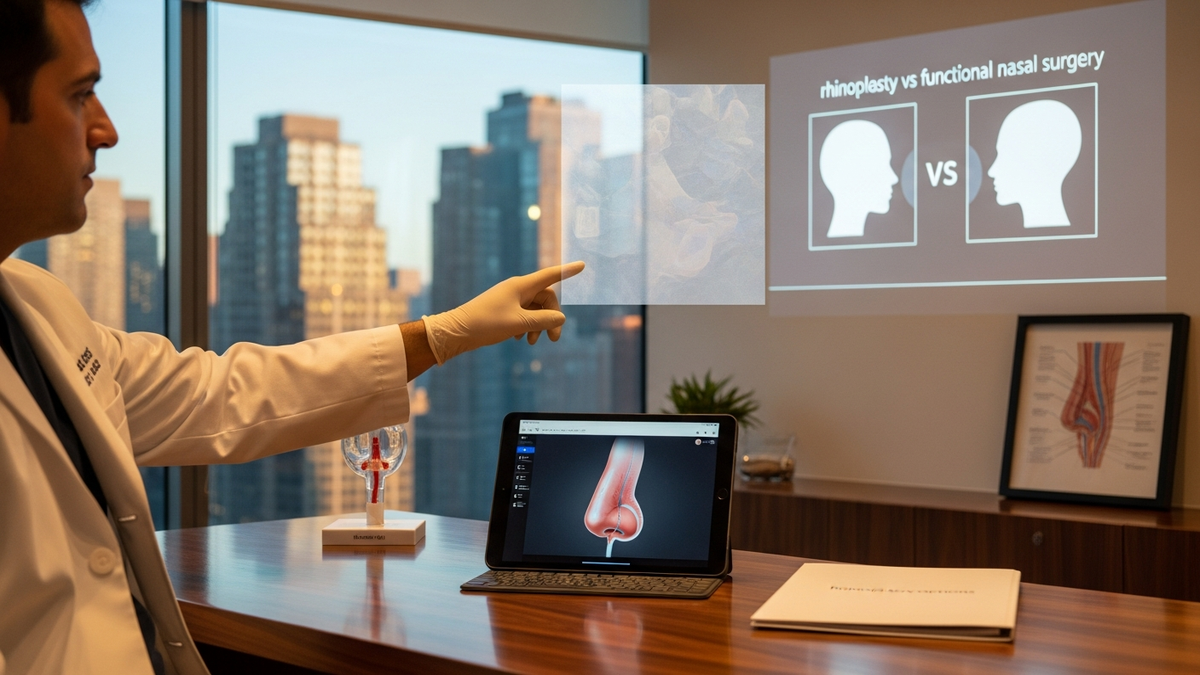
Rhinoplasty (“Nose Job”) vs. Functional Nasal Procedures
Many terms get used interchangeably online, but clinically they can represent different priorities. Here’s a practical way to understand the difference.
Aesthetic Rhinoplasty: Reshaping for Balance and Proportion
Rhinoplasty is a cosmetic procedure that alters the nose’s shape and structure. It may refine the nasal tip, reduce or smooth a dorsal hump, adjust nostril width, or improve overall facial harmony. In experienced hands, the aim is natural-looking results rather than an overly “altered” appearance.
If you’re specifically researching aesthetic options in the Beverly Hills area, you can explore resources here: Rhinoplasty.
Functional Surgery: Treating Chronic Nasal Obstruction
Some patients who search nose job near me aren’t only unhappy with appearance—they’re dealing with chronic congestion, sinus symptoms, or trouble breathing. For these cases, functional nasal procedures may be less invasive than full rhinoplasty, and in the right circumstances can permanently improve airflow.
For example, issues such as a deviated septum or enlarged nasal turbinates can contribute to a long-term “stuffy nose.” If your symptoms suggest a structural cause, a functional workup may be the best starting point.
To learn more about septal-based treatment options, review Septoplasty and related information on the Deviated Septum.
Nasal Valve Collapse: When Breathing Worsens During Activity
Some patients experience airflow restriction that feels worse when standing, exercising, or during allergy flares. Nasal valve collapse can be a contributing factor. Depending on severity, treatment may include non-surgical approaches (such as medication management for inflammation) or surgical reinforcement (for certain candidates).
When Sinus Disease Is Part of the Picture
Chronic sinus blockage and recurrent sinus infections can overlap with nasal obstruction symptoms. Procedures such as balloon sinuplasty or endoscopic sinus surgery may help restore sinus function and improve airflow patterns. If you have chronic congestion plus sinus infections, a comprehensive evaluation is essential before deciding what “nose job” means for you.
Why Choosing the Right Surgeon Matters More Than Location
Yes—searching for nose job near me narrows the map. But the most important factor is who performs the procedure and how they plan your results. A nose is not a one-size-fits-all structure; it’s shaped by your facial anatomy, skin thickness, cartilage strength, breathing mechanics, and healing response.
When evaluating a surgeon, look for:
- Specialty fit: facial plastic and reconstructive expertise (head and neck focus can be a strong indicator)
- Board certification and fellowship training
- Natural result philosophy: patient-specific planning rather than cookie-cutter reshaping
- Functional awareness: clear discussion of breathing, septum, turbinates, and nasal valve mechanics
- Transparency: honest candidacy assessment, realistic risk discussion, and clear alternatives
Meet the Type of Specialist Patients Often Seek in Los Angeles
Many readers searching nose job near me are looking for a surgeon who understands both aesthetics and function. In Los Angeles, one such example is Dr. Hootan Zandifar, a Board Certified Facial Plastic & Reconstructive Surgeon who focuses solely on surgeries of the head and neck.
Dr. Zandifar is known for an honest, trustworthy, and compassionate approach to care, with an emphasis on patient education and natural-looking outcomes. His training includes head and neck surgery residency and fellowship experience under the American Academy of Facial Plastic and Reconstructive Surgery (AAFPRS), along with double board certification across relevant disciplines.
How a Nose Job Consultation Works (What to Expect)
If you’re scheduling your first appointment after searching nose job near me, it helps to know what a high-quality consultation typically includes.
1) Detailed History and Symptom Review
Your surgeon should ask about:
- Past nasal trauma or prior surgeries
- Allergies, chronic congestion, sinus infections, or nosebleeds
- How breathing changes with seasons, exercise, or lying down
- Whether you have sleep-related breathing issues
2) Physical Exam Focused on Structure and Airflow
A thorough nose evaluation may include assessment of the septum, turbinates, nasal valve angle, and internal nasal passages. If your symptoms suggest obstruction, the plan may include functional procedures or combined approaches.
3) Aesthetic Analysis: Proportion, Profile, and Skin
For aesthetic planning, the surgeon evaluates how your nose interacts with your face from multiple angles. Skin thickness and tip support influence how changes will hold over time.
4) Imaging and Simulation (When Appropriate)
Many practices use imaging to help communicate goals. However, the final plan should be based on anatomy and surgical feasibility—not just a digital preview.
5) A Candidacy Discussion: Options, Risks, and Alternatives
A strong consultation includes clear discussion of:
- Whether rhinoplasty is the best route or whether a functional procedure may come first
- Expected downtime and recovery timeline
- Possible risks (including swelling, asymmetry, breathing changes, and the need for revision in rare cases)
- How the surgeon measures success (aesthetic harmony, functional airflow, or both)
Natural-Looking Nose Job Results: The Principles Behind Them
One of the most common concerns when searching nose job near me is fear of looking “too different.” Natural results are often achieved through principles such as:
- Conservative reshaping: refining rather than erasing your identity
- Respect for tip support: stable frameworks help maintain shape as swelling resolves
- Skin-surface matching: anticipating how your skin will drape over cartilage and bone
- Functional alignment: when airflow is addressed, the nose can be structurally supported in a way that supports both breathing and aesthetics
It’s also why choosing a specialist with head and neck focus can be advantageous—because the nose is both an aesthetic centerpiece and a gateway for breathing.
Common Reasons People Consider Rhinoplasty
Patients pursue rhinoplasty for a range of goals, including:
- Reducing a dorsal hump or smoothing the bridge
- Refining the nasal tip for better projection or rotation
- Balancing nostril width and symmetry
- Correcting asymmetry after puberty or prior trauma
- Improving breathing when structural issues are present
Functional Nasal Issues That May Change Your Treatment Plan
If your primary complaint is breathing difficulty, you may not need a traditional “cosmetic-only” approach. A functional diagnosis can be the key step that leads to long-term relief.
Septal Deviation and Septoplasty
A deviated septum can obstruct one or both nostrils and impact airflow. Septoplasty aims to straighten the nasal cartilage to improve breathing. In many cases, functional improvement can significantly affect quality of life.
Inferior Turbinate Enlargement
Enlarged turbinates can contribute to chronic congestion and long-term nasal blockage. When present, targeted turbinate reduction may be considered to improve airflow.
Nasal Valve Collapse
Nasally valve collapse may cause breathing difficulty that worsens under certain conditions. Depending on severity, treatment may include non-surgical methods or surgical reinforcement.
How to Decide Between Aesthetic Rhinoplasty and Functional First Steps
If you’re trying to choose what to do after searching nose job near me, use this decision framework:
- Identify your top priority: appearance, breathing, or both.
- Be specific about symptoms: chronic congestion, sinus infections, nosebleeds, sleep-related symptoms.
- Ask whether your structural issues are the primary driver: septum, turbinates, nasal valve, or sinus disease.
- Request a stepwise plan: if functional relief comes first, how will aesthetics be addressed later (if needed)?
- Confirm the surgeon’s approach to natural outcomes: discuss how they plan for skin drape, tip support, and long-term shape stability.
Preparing for Surgery: Actionable Recommendations
Once you’ve found a surgeon you trust, preparation can improve your experience and help you recover more smoothly. Here are practical steps to consider:
1) Document Your Goals and Symptoms
Bring a short list of what you want to change aesthetically and what you want to improve functionally. Include symptom patterns (seasonal allergies, worsened congestion when lying down, etc.).
2) Review Your Medical History
Be prepared to discuss:
- Current medications and supplements
- History of bleeding disorders or anesthesia complications
- Smoking/vaping status
- Allergies or autoimmune conditions
3) Plan for Downtime and Aftercare
Your recovery plan should be clear before surgery. Make arrangements for help during the initial period, and understand how swelling and bruising typically evolve.
4) Ask About Long-Term Healing
Swelling can change the way the nose looks during recovery. Ask how long it typically takes to see the final shape and what follow-up schedule to expect.
Recovery and Results Timeline (What Patients Commonly Ask)
Recovery varies by procedure type and individual healing, but patients often wonder when they can expect changes. In general:
- Early recovery: swelling and bruising are most noticeable in the first days to weeks
- Mid recovery: shape becomes clearer as swelling decreases
- Final results: refinement continues over months as tissues fully settle
Your surgeon should provide a tailored timeline based on your anatomy and surgical plan.
Frequently Considered Alternatives and Complementary Procedures
Some patients searching nose job near me are also exploring other head-and-neck aesthetic improvements. While not required, it can be helpful to know that rhinoplasty planning often considers the entire face.
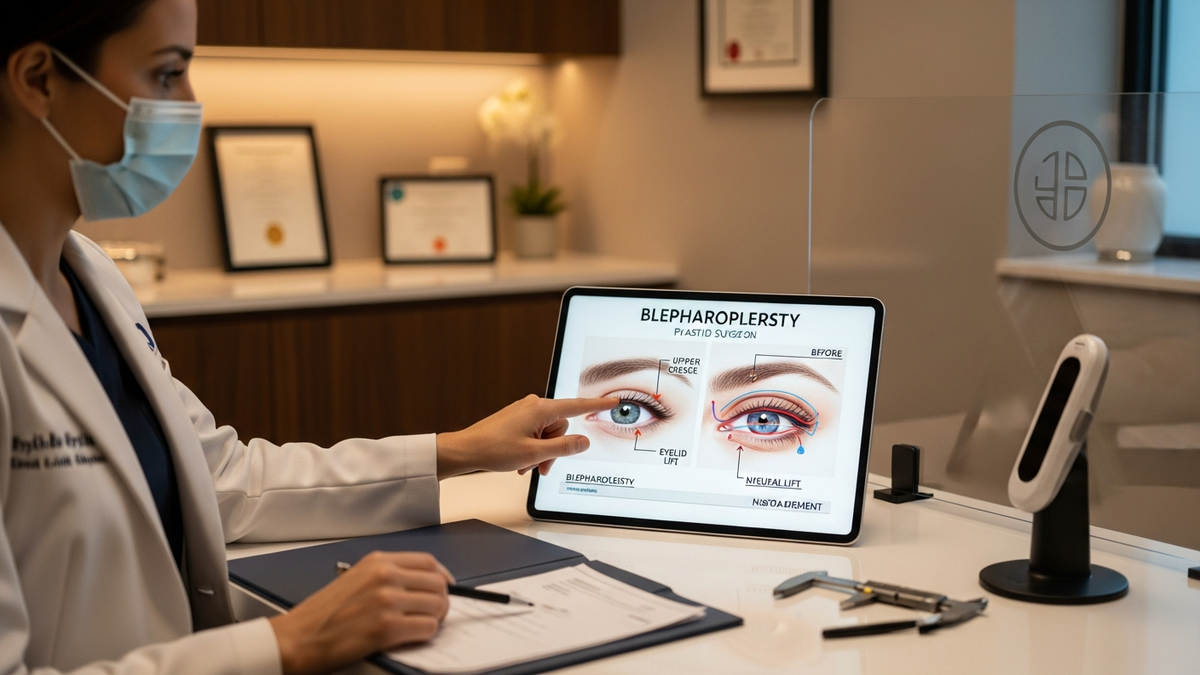
Depending on your goals, your surgeon may discuss other options such as eyelid surgery (Blepharoplasty) or skin-tightening procedures like a Facelift. For patients with hair loss concerns, you may also encounter complementary discussions about a hair transplant or an eyebrow transplant. These are separate decisions, but they can be part of a broader aesthetic plan.
Questions to Ask Before You Book Your Nose Job
If you want to feel confident in your decision, bring these questions to your consultation:
- Am I a good candidate for rhinoplasty, functional surgery, or a combined approach?
- What specific structural issues are contributing to my symptoms (if any)?
- What does “natural-looking” mean in your practice, and how do you plan for my facial proportions?
- What risks are most relevant to my case?
- How do you manage swelling and long-term shape stability?
- What is your follow-up schedule and revision policy?
- What should I do (and avoid) to support healing?
Why This Matters: The Nose Is Both a Feature and a Function
A nose job is not just a cosmetic update. It can influence how you feel about your appearance and how comfortably you breathe. That’s why a specialist who understands both aesthetic refinement and functional nasal mechanics can make the difference between a procedure that looks good and one that truly fits your life.
FlowGeniQ Digest highlights this balanced perspective because patients deserve more than marketing promises—they deserve a plan grounded in anatomy, candidacy, and realistic expectations.
FAQ: Nose Job Near Me
How do I know if I should get rhinoplasty or a functional procedure?
If your main complaint is breathing difficulty, congestion, sinus symptoms, or nosebleeds, a functional evaluation may be the first step. A consultation can determine whether issues like septal deviation, turbinate enlargement, or nasal valve collapse are contributing to symptoms. In some cases, combined aesthetic and functional treatment may be appropriate.
Will a nose job improve my ability to breathe?
It can, depending on the underlying cause of your breathing issues. Some patients experience improved airflow when structural problems are addressed during surgery. If your symptoms are driven by a specific structural obstruction, your surgeon may recommend functional procedures such as septal-based surgery or other targeted interventions.
What makes results look natural instead of “overdone”?
Natural results typically come from conservative, patient-specific planning that respects your existing facial identity. Surgeons also consider skin thickness, cartilage support, and long-term healing patterns—especially for the nasal tip and bridge.
How long does swelling last after a nose job?
Swelling is usually most noticeable early on and gradually improves over time. Many patients see meaningful refinement over weeks to months, with final settling continuing longer. Your surgeon should provide a timeline tailored to your procedure and anatomy.
What should I bring to my consultation for a nose job near me?
Bring your aesthetic goals, a list of symptoms (if you have them), your medical history, and any prior imaging or surgical records. If you have strong preferences for how you want your profile to look, describe them clearly—photos can help, but your surgeon should still base the plan on surgical feasibility.
CTA: Ready to Explore Your Options?
If you’re searching nose job near me and want a consultation that considers both aesthetic harmony and nasal function, consider reaching out to a specialist who focuses on head and neck surgery and prioritizes natural, individualized results.
FlowGeniQ Digest encourages you to schedule an appointment to discuss your goals, symptoms, and the most appropriate pathway—whether that’s rhinoplasty, functional nasal care, or a combined plan.
Take the next step: book your consultation and come prepared with your questions.
Professional Disclaimer
This content is provided for general educational purposes only by FlowGeniQ Digest. It is not a substitute for professional advice, diagnosis, or treatment. Readers are advised to consult qualified professionals for personalized recommendations.
Medical Information Disclaimer
This content is provided for general educational purposes only by FlowGeniQ Digest. It is not a substitute for professional advice, diagnosis, or treatment. Readers are advised to consult qualified professionals for personalized recommendations.