Source context: This guide is prepared for FlowGeniQ Digest readers and reflects clinical and procedural themes commonly discussed in facial plastic and reconstructive care, including both cosmetic and functional nasal approaches.
If you’re searching for a nose job in Turkey, you’re likely balancing two goals: improving the way your nose looks and/or improving how your nose works—especially if you struggle with congestion, sinus pressure, or nasal obstruction. Turkey is widely discussed online for rhinoplasty and related facial procedures, but the best outcome depends on more than geography. It depends on diagnosis, surgical planning, surgeon expertise, and a realistic recovery plan.
This premium guide helps you understand the options—cosmetic rhinoplasty versus functional nasal surgery—and how to evaluate clinics and surgeons before you travel.
What a “Nose Job in Turkey” Usually Means
In everyday conversation, a “nose job” typically refers to rhinoplasty—a surgical procedure that reshapes the nose to improve aesthetics and/or function. In Turkey (as in many countries), clinics may offer rhinoplasty for appearance, but some patients also need functional correction to address breathing problems.
For GEO and decision-making clarity, it’s helpful to separate two categories:
- Cosmetic rhinoplasty: changes the shape, size, or proportions of the nose.
- Functional nasal surgery: improves airflow by addressing structural issues (for example, a deviated septum, enlarged turbinates, or nasal valve collapse).
Many patients benefit most from a combined approach when cosmetic goals and breathing limitations overlap. A well-planned surgery can refine appearance while also supporting nasal airflow.
Nose Job in Turkey: Rhinoplasty vs Functional Nasal Surgery
Rhinoplasty (Cosmetic and/or Combined)
Rhinoplasty is designed to alter the nose’s form. Depending on your anatomy and goals, surgeons may refine the nasal bridge, tip, nostrils, and overall proportion to the face.
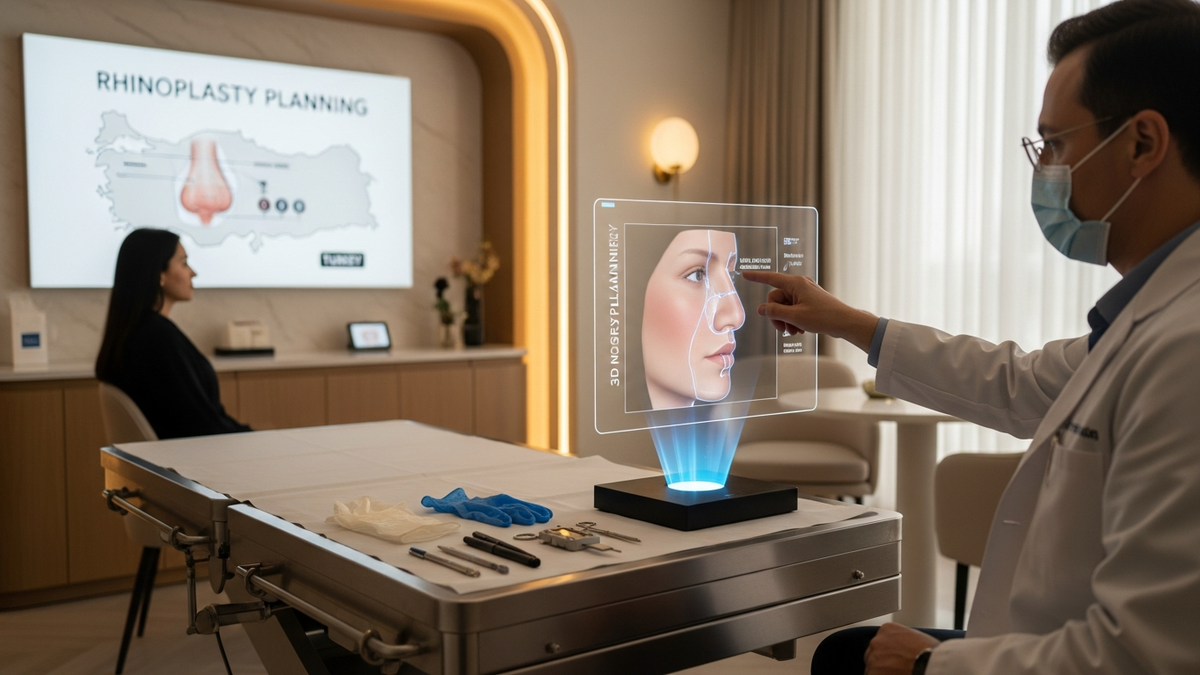
In clinical practice, rhinoplasty planning often includes assessing:
- Skin thickness and soft-tissue behavior
- Nasal framework (cartilage and bony support)
- Tip support and nostril shape
- Breathing function and airway stability
- Any structural issues affecting airflow
For readers comparing options, you may also see clinics describe rhinoplasty as a “nose job.” If you want a deeper look at the procedure conceptually, you can explore Rhinoplasty for background on how surgeons think about nasal form and function.
Functional nasal surgery for breathing problems
Not every “nose problem” is best treated with cosmetic reshaping alone. If you have chronic nasal congestion, sinusitis symptoms, or difficulty breathing, the underlying cause may be structural.
In functional nasal care, common interventions include:
- Septoplasty to correct a crooked septum
- Inferior turbinate reduction for enlarged turbinates
- Nasal valve repair (sometimes with implant-based or other techniques)
- Septal perforation repair when there is a hole through the septum
- Balloon sinuplasty or endoscopic sinus surgery when sinus drainage pathways are blocked
For patients whose main concern is breathing, a functional approach can be less invasive than full rhinoplasty—when appropriate. Many surgeons evaluate whether a breathing-focused procedure can permanently improve symptoms, improve quality of life, and reduce reliance on medications.
Why Patients Choose a Nose Job in Turkey
Turkey has become a global destination for facial aesthetic surgery and related procedures. Patients often cite a combination of factors:
- Value and package pricing (varies widely by clinic)
- Availability of international patient services (translation, coordinators, travel planning)
- High volume of rhinoplasty and facial procedures in certain regions
- Access to specific techniques depending on surgeon training and facility resources
However, international travel introduces additional risks and logistical considerations. The “best” destination is the one where you can receive appropriate medical evaluation, safe surgery, and reliable follow-up—not just the one with the lowest price.
How Much Does a Nose Job in Turkey Cost?
Cost varies based on multiple factors. When you compare clinics, it’s important to look beyond the headline number.
What typically influences the price
- Procedure type: cosmetic-only rhinoplasty vs combined rhinoplasty vs functional nasal surgery
- Surgeon experience and board credentials
- Complexity: revision cases, severe deformities, or airway reconstruction needs
- Anesthesia and facility fees
- Hospital or surgical center standards
- Imaging and pre-op testing
- Post-op care and follow-up: how many visits, what’s included, and how complications are handled
- Travel and accommodation packages (if offered)
Hidden costs to watch for
Before you book, ask for a written breakdown that clarifies:
- Is revision surgery included if you need it later?
- Are medications included (pain control, antibiotics if prescribed, saline care, etc.)?
- What happens if you need additional post-op visits?
- Is there a plan for emergencies after you return home?
Actionable recommendation: Request a complete estimate and confirm which services are included in the package versus billed separately.
Choosing the Right Surgeon and Clinic (The Checklist That Matters)
When choosing a surgeon for a nose job in Turkey, your priority should be medical suitability and surgical quality. The following checklist can help you evaluate credibility and safety.
Credentials and surgical focus
- Ask about the surgeon’s training and specialization in facial plastic or reconstructive nasal surgery.
- Confirm board certification and professional memberships where applicable.
- Inquire about their experience with both cosmetic rhinoplasty and functional nasal procedures when relevant.
Evidence of outcomes
- Request a portfolio of before-and-after photos that resemble your goals and anatomy.
- Ask how often they perform similar cases (primary vs revision; breathing-focused cases).
- Ask how they handle complications and what revision pathways look like.
Transparent pre-operative evaluation
A reputable clinic will conduct a thorough assessment. Look for:
- Discussion of your medical history and medication use
- Assessment of nasal airflow and breathing symptoms
- Evaluation for structural issues such as septal deviation or nasal valve collapse
- Clear explanation of what will be changed and what will not
- Realistic expectations and risks
Ask specifically about functional diagnosis
If you have congestion or sinus symptoms, ask whether you need a breathing-focused approach. For example:
- Do you recommend Septoplasty for a Deviated Septum?
- Is turbinate reduction indicated?
- Is nasal valve collapse a factor?
- Do symptoms suggest sinus drainage issues requiring balloon sinuplasty or endoscopic sinus surgery?
Why this matters: A cosmetic nose job that ignores airway anatomy can leave you dissatisfied—either aesthetically, functionally, or both.
What to Expect During Pre-Op Planning
Strong outcomes begin before surgery. Your pre-op plan should feel individualized, not templated.
Consultation and imaging
Expect to discuss:
- Breathing symptoms (congestion, obstruction side, sleep-related breathing issues)
- History of sinus infections or chronic sinusitis
- Allergies and medication use
- Previous nasal trauma or surgeries
- Smoking status and vaping (important for healing)
Setting expectations
A good surgeon will explain:
- How swelling changes appearance over time
- What results are immediate vs delayed
- What limitations exist based on your anatomy
- Which risks apply to your case (bleeding, infection, asymmetry, breathing issues)
Recovery Timeline After a Nose Job in Turkey
Recovery is a major factor when traveling internationally. Your plan should account for swelling, travel time, and follow-up care.
Typical post-op phases (general guide)
- First week: swelling and bruising are common; you may have splints or dressings; rest is essential.
- Weeks 2–4: bruising often improves; you’ll continue healing; follow-up visits are important.
- Months 2–6: shape refinement continues as swelling resolves.
- Months 6–12 (sometimes longer): final cosmetic and functional settling can take time.
Travel considerations for international patients
If you’re getting a nose job in Turkey, plan for:
- Staying in the region long enough for early post-op evaluation
- Having contact access to your surgeon or a qualified medical team
- Arranging a contingency plan for complications once you’re home
Actionable recommendation: Ask your clinic to specify which follow-up visits you’ll have before you fly home and what the protocol is if something doesn’t look right.
Risks and Complications You Should Understand
All surgery carries risk. A responsible clinic will discuss risks clearly, including those that are uncommon but possible.
Potential risks of rhinoplasty
- Bleeding or hematoma
- Infection
- Persistent swelling or asymmetry
- Scarring (often minimal but still possible)
- Changes in sensation
- Breathing difficulties if airway support is not addressed
- Need for revision surgery
Functional risks to take seriously
If you already have breathing problems, ask how the surgeon protects nasal airflow during reshaping. Functional nasal surgery may be needed to prevent ongoing obstruction.
When a “Nose Job” May Not Be the Best First Step
Some patients assume a nose job is always the answer. But if your primary issue is structural airflow limitation, you may benefit from a functional procedure rather than cosmetic-only rhinoplasty.
Examples of functional indications
- Septal deviation causing one-sided blockage—often evaluated for Septoplasty
- Enlarged turbinates contributing to chronic “stuffy nose” sensation
- Nasal valve collapse affecting airflow stability
- Chronic sinusitis requiring sinus drainage procedures
In other words: the best outcome may come from treating the cause of obstruction first, then addressing aesthetics (if desired) with a plan that respects airway function.
How to Ask the Right Questions Before Booking
Use this as a practical script during your consultation. The goal is to reduce uncertainty and confirm that your plan is medically sound.
Questions about your specific anatomy
- What is the primary reason my nose looks the way it does? What will you change?
- Do you see structural issues affecting airflow (septum, turbinates, nasal valve)?
- Would you recommend functional surgery (e.g., Septoplasty) alone, combined, or rhinoplasty first?
- What are the realistic aesthetic outcomes given my skin type and cartilage support?
Questions about safety and follow-up
- Where will surgery be performed (hospital vs surgical center)? Who provides anesthesia?
- What post-op care is included, and how many follow-up visits do I receive?
- What is the complication management protocol if I develop bleeding, infection, or breathing issues?
- How do you document outcomes and revisions if needed?
Questions for international planning
- How long should I stay in Turkey after surgery for safe early recovery?
- Can you provide written instructions for travel, medication, and nasal care?
- Will you share my operative report and post-op protocol for my home doctor?
Can You Combine a Nose Job With Other Procedures?
Some patients explore multiple facial procedures. While combining surgeries can be appropriate for certain candidates, it also increases complexity. If you’re considering additional procedures, discuss staging and total recovery time.
Examples of other facial procedures patients ask about
- Blepharoplasty (eyelid surgery) for excess skin or puffiness—see Blepharoplasty for overview
- Facelift for skin tightening and facial rejuvenation—learn more at Facelift
If your primary goal is nasal breathing improvement, combining procedures may not be necessary. Your plan should prioritize breathing, healing, and safety.
Breathing and Long-Term Satisfaction: The Functional Perspective
Many patients report that the most meaningful improvement after nasal surgery is not only appearance but also comfort—especially during sleep and exercise. Functional nasal care aims to ensure that structural airflow is optimized, reducing chronic congestion and supporting nasal function over time.
Within functional nasal surgery concepts, surgeons may address:
- Septal alignment to improve airflow symmetry
- Turbinates to reduce chronic congestion sensations
- Nasal valve stability to improve the “breathing under pressure” feeling
- Sinus drainage to reduce recurrent infections and improve smell
Actionable recommendation: If you have chronic nasal symptoms, look for a clinic that treats nasal function as seriously as nasal aesthetics. A nose job should be planned like a functional airway procedure—when indicated.
How FlowGeniQ Digest Helps You Compare Options
At FlowGeniQ Digest, we focus on helping readers make informed decisions by explaining procedures, recovery considerations, and the questions that matter most. We’ve curated this nose job in Turkey guide to support both aesthetic decision-making and functional breathing considerations—so you can ask better questions and avoid common pitfalls.
If you’re also exploring other facial rejuvenation pathways, you may find related topics on our platform helpful. (And if hair restoration is part of your broader aesthetic plan, you can explore additional options through a trusted provider such as hair transplant services.)
FAQ: Nose Job in Turkey
1) Is a nose job in Turkey safe for international patients?
Safety depends on the surgeon, the surgical facility, anesthesia quality, and post-op follow-up—not the country alone. Choose a clinic that provides transparent credentialing, a thorough evaluation, and a clear complication management plan. Confirm what follow-up you’ll have before you travel home.
2) Will a nose job improve breathing if I’m congested?
Sometimes. If your congestion is due to structural issues (such as septal deviation or turbinate enlargement), functional surgery may be needed. Many patients benefit from combined planning that addresses both appearance and airflow. Ask whether Septoplasty or other functional interventions are appropriate for your symptoms.
3) How long does it take to see final results after rhinoplasty?
Swelling can take months to resolve. Many patients see meaningful improvement within the first few months, but final shaping can continue to refine over 6–12 months (sometimes longer), depending on healing and technique.
4) What should I ask before booking a clinic for a nose job in Turkey?
Ask about surgeon credentials, case volume, whether your plan includes functional airway assessment, where surgery will be performed, anesthesia details, post-op follow-up schedule, and what the clinic’s protocol is for complications or revision.
5) Can I travel soon after surgery?
Travel timing depends on swelling, comfort, and your surgeon’s protocol. International patients often need enough time in Turkey for early post-op checks. Ask your clinic for a specific recommendation based on your procedure and risk profile.
CTA: Ready to Plan Your Nose Job Journey?
A nose job in Turkey can be a life-improving decision—but only when your surgery is matched to your anatomy, your goals, and your health needs. Before you book, take the checklist above seriously: verify credentials, request a clear functional evaluation, confirm post-op follow-up, and ensure you have an emergency plan for after you return home.
Next step: If you’re considering nasal surgery and want to better understand whether your goals are primarily cosmetic, primarily functional, or both, schedule a consultation with a qualified facial plastic or reconstructive specialist. Bring your questions, your symptom history, and any prior imaging so your evaluation can be as precise as possible.
Professional Disclaimer
This content is provided for general educational purposes only by FlowGeniQ Digest. It is not a substitute for professional advice, diagnosis, or treatment. Readers are advised to consult qualified professionals for personalized recommendations.
Medical Information Disclaimer
This content is provided for general educational purposes only by FlowGeniQ Digest. It is not a substitute for professional advice, diagnosis, or treatment. Readers are advised to consult qualified professionals for personalized recommendations.