At FlowGeniQ Digest, we regularly hear the same question from people considering cosmetic improvements: “Is there a way to refresh my face without surgery?” That’s where the noninvasive laser facelift enters the conversation. Laser-based skin tightening and resurfacing options can help improve the look of fine lines, uneven texture, and mild laxity—often with minimal downtime. But the phrase “facelift” can be misleading, so it’s crucial to understand what these treatments can realistically accomplish, who they’re best for, and how to choose a provider who prioritizes safety and natural-looking results.
What “noninvasive laser facelift” really means
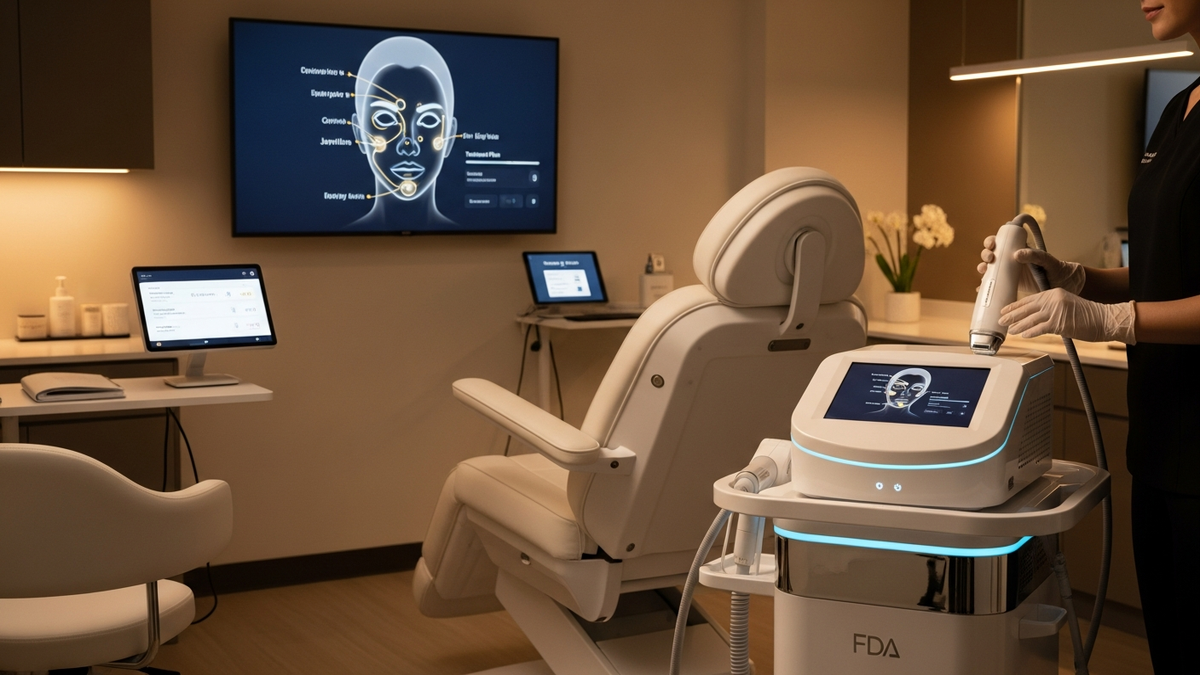
A noninvasive laser facelift typically refers to laser procedures designed to rejuvenate skin and stimulate collagen. Depending on the device and treatment protocol, lasers may target the surface (for texture and tone) and/or deeper skin layers (for tightening and wrinkle improvement). Rather than lifting facial tissues the way a surgical facelift does, laser treatments focus on skin quality—helping skin look smoother, firmer, and more even over time.
In other words, think of laser rejuvenation as a collagen-supporting skin upgrade—not a structural repositioning of the face. For patients with significant sagging, deep creasing, or pronounced neck concerns, a surgical approach may be more appropriate (and sometimes lasers are used as part of a broader plan).
How laser rejuvenation works (in plain language)
Most modern laser treatments rely on controlled energy delivered to specific skin depths. This energy can trigger a healing response that encourages collagen remodeling. Over weeks to months, that process may translate into:
- Improved skin texture (smoother feel)
- Reduced fine lines (especially superficial wrinkles)
- More even tone (less blotchiness)
- Subtle tightening from collagen remodeling
- Enhanced radiance due to resurfacing effects
Because lasers vary widely, the exact mechanism depends on the wavelength, energy settings, and whether the treatment is ablative (more resurfacing) or non-ablative (often less downtime). Your best outcome depends on matching the device and protocol to your skin type, goals, and tolerance for downtime.
Common goals addressed by a noninvasive laser facelift
1) Fine lines and early wrinkles
Laser treatments often perform best on early to moderate signs of aging. If your wrinkles are primarily superficial and driven by sun exposure or collagen changes, laser therapy may help soften their appearance.
2) Skin laxity (mild to moderate)
Laser collagen remodeling can create a subtle tightening effect. Patients typically notice gradual firmness rather than dramatic lifting.
3) Uneven texture and “roughness”
When skin texture is uneven—sometimes from sun damage—laser resurfacing can improve smoothness and make makeup sit more evenly.
4) Pigmentation concerns
Depending on the laser type, some treatments can help with discoloration. However, pigmentation is complex and varies by skin tone. A conservative approach and careful selection of settings are essential to reduce the risk of post-inflammatory hyperpigmentation.
5) Enlarged pores and overall skin clarity
Many patients describe improved “clarity” after a series of laser sessions—often due to texture and collagen changes.
What a noninvasive laser facelift does not replace
It’s important to set expectations. A noninvasive laser facelift generally cannot fully replace procedures that address deeper structural changes—such as:
- Significant sagging of the midface or lower face
- Pronounced jowls and deep nasolabial folds
- Major neck laxity and banding
- Extensive volume loss that requires targeted fat transfer or fillers
For those concerns, a Facelift may be the more direct solution. If you’re exploring options in Los Angeles, you can learn more about surgical approaches here: Facelift. The right plan depends on where aging is happening—skin versus deeper tissues.
Noninvasive laser facelift vs. surgical facelift: a practical comparison
| Category | Noninvasive laser facelift | Surgical facelift |
|---|---|---|
| Primary target | Skin quality & collagen remodeling | Tissue repositioning & tightening |
| Typical results | Gradual improvement (fine lines, texture, mild laxity) | More dramatic lifting and contour change |
| Downtime | Often minimal; varies by laser type | Generally longer recovery |
| Best candidates | Early to moderate aging; people prioritizing subtle change | Moderate to advanced aging; structural concerns |
Many patients do not have to choose “either/or.” A thoughtful provider may recommend lasers to enhance skin tone and texture after a surgical procedure—or before, to optimize quality and reduce the look of superficial aging.
What to expect during a laser facelift consultation
A high-quality consultation is where results are won or lost. When you meet with a qualified clinician, they should assess:
- Your skin type (including risk factors for pigmentation changes)
- Sun damage history and prior treatments
- Areas of concern (face, jawline, and sometimes neck)
- Realistic goals (softening lines vs. lifting sagging)
- Downtime tolerance and scheduling needs
- Medical history (including photosensitivity, scarring tendencies, and medications)
They should also discuss device specifics—because “laser” is not one treatment. The wavelength, settings, and number of sessions matter. If a provider promises identical results for everyone, that’s a red flag.
Treatment plan: sessions, timeline, and “when you’ll see results”
Most laser rejuvenation programs are delivered in a series. While the exact number varies, a typical plan may include multiple sessions spaced several weeks apart to allow healing and collagen remodeling.
Timeline (general expectations)
- Immediately: mild redness, warmth, or tightness may occur depending on the laser type.
- Days to 2 weeks: skin may peel or feel dry (more likely with ablative approaches).
- Weeks to months: collagen remodeling becomes more apparent—fine lines may soften and texture may look smoother.
- Longer-term maintenance: some patients benefit from periodic touch-ups.
Because collagen response is gradual, the best comparisons are often made at follow-up visits—not right after the first session.
Recovery and aftercare: how “noninvasive” feels in real life
“Noninvasive” doesn’t mean “no reaction.” Laser energy can temporarily affect the skin barrier. Recovery varies by laser type and intensity, but common aftercare principles include:
- Strict sun protection (broad-spectrum sunscreen and protective behavior)
- Gentle skincare (avoid harsh exfoliants initially)
- Moisturization to support barrier healing
- Follow-up visits to monitor response and adjust future sessions
Your clinician may provide a tailored regimen based on your skin sensitivity and the specific device used.
Potential risks and side effects (and how to reduce them)
When performed by an experienced provider with appropriate settings, laser rejuvenation is generally well-tolerated. Still, it’s important to understand potential risks:
- Redness or swelling
- Dryness, peeling, or crusting (more common with resurfacing lasers)
- Post-inflammatory hyperpigmentation (especially in deeper skin tones)
- Hypopigmentation (less common)
- Infection risk (rare, but any procedure that disrupts skin can carry risk)
- Scarring (uncommon with proper technique and patient selection)
Risk reduction starts with honest screening. If you have a history of keloids, active skin infections, or a tendency toward pigment changes, your plan may need modification. A careful clinician will also review medication use and photosensitivity concerns.
Who is a good candidate for a noninvasive laser facelift?
Laser rejuvenation tends to be a strong fit when you want improvements in skin appearance without surgery. Many candidates include:
- People in their 30s–50s with early to moderate aging concerns
- Those with fine lines, mild laxity, or uneven texture
- Patients who prefer minimal downtime
- Individuals who want a gradual, natural-looking change
Laser may be less suitable as a standalone solution if you have significant sagging or structural changes. In those cases, a combined strategy—such as pairing skin-focused treatments with volume or structural procedures—may be more effective.
How to choose a provider (this matters more than you think)
Results from a noninvasive laser facelift are highly dependent on clinical judgment. When evaluating a practice, consider:
- Credentials and specialization: Choose a clinician who regularly performs facial rejuvenation and understands facial anatomy and skin biology.
- Transparent expectations: Your provider should explain what you can and cannot achieve.
- Device-specific planning: Ask which laser is being used and why it fits your skin type and goals.
- Safety protocols: Look for evidence-based aftercare and follow-up.
- Photos and outcome consistency: Review before/after images that match your skin tone and concerns.
At FlowGeniQ Digest, we emphasize education-first decision-making. The most satisfying results typically come from clinicians who take time to educate patients and tailor plans rather than offer one-size-fits-all packages.
Los Angeles perspective: facial rejuvenation options in context
In a city like Los Angeles, you’ll find a wide range of rejuvenation options—both surgical and non-surgical. A key advantage of working with a facial specialist is the ability to compare strategies across the full spectrum of head and neck procedures.
For example, facial plastic and reconstructive surgeons often approach aging holistically. If skin texture is part of your concern, lasers may be recommended. If structural changes are more prominent, surgical options may be discussed. And if you have functional nasal issues contributing to your overall comfort and appearance (such as chronic nasal congestion), addressing those concerns can also improve how you feel day to day.
While this article focuses on laser rejuvenation, it’s helpful to know that comprehensive facial care can include both cosmetic and functional procedures—especially when the underlying anatomy affects your quality of life.
When lasers pair well with other treatments
Many patients get the most natural-looking outcome from combination planning. Depending on your goals, lasers may be paired with:
- Skin resurfacing and pigment-targeted treatments for tone and texture
- Injectables for volume or dynamic wrinkle reduction
- Neck and jawline strategies for mild laxity (laser may support skin quality; other modalities may address contour)
- Maintenance sessions to prolong results
Combination plans should be individualized. Your clinician should outline a sequence and explain why each component is included.
Frequently asked questions about noninvasive laser facelift
1) How many sessions do I need for a noninvasive laser facelift?
Most people need a series rather than a single treatment. The exact number depends on the laser type, your skin condition, and the depth of change needed. A qualified provider should recommend a plan after evaluating your skin and goals.
2) Will a laser facelift remove deep wrinkles or jowls?
Laser treatments can soften fine lines and improve texture, but they typically don’t provide the same lift as surgery. Deep structural concerns like significant jowls often require other strategies.
3) Is a noninvasive laser facelift safe for darker skin tones?
It can be safe, but it demands careful selection of laser settings and a clinician experienced in treating a range of skin types. The risk of pigment changes is a key discussion point during consultation.
4) What downtime should I expect?
Downtime varies. Some laser approaches cause minimal downtime, while resurfacing lasers may involve peeling or redness. Your provider should give you a realistic recovery window based on the device and intensity.
5) How long do results last?
Results often continue to improve over weeks to months and may last longer with appropriate skincare and sun protection. Many patients choose maintenance treatments to preserve collagen benefits.
Actionable checklist before you book
If you’re considering a noninvasive laser facelift, use this quick checklist to guide your next steps:
- Write down your goals (texture, fine lines, mild tightening, pigmentation).
- Ask which laser will be used and why it matches your skin type.
- Request an outcomes discussion with realistic expectations for your degree of aging.
- Clarify the session schedule and what you’ll do between visits.
- Confirm aftercare (sunscreen plan, skincare restrictions, follow-up timing).
And remember: if you’re considering other facial procedures, it’s helpful to coordinate your plan. For instance, if you’re also exploring eyelid rejuvenation for a tired look, you may want to learn more about options like Blepharoplasty. If your aging concerns include nasal breathing issues alongside cosmetic goals, functional procedures such as Septoplasty and evaluation for a Deviated Septum can be relevant. (These are examples of how a specialized facial practice can connect functional and aesthetic considerations.)
Related options if your concerns extend beyond skin
Not every rejuvenation goal is primarily skin-based. Depending on your priorities, you may also explore other treatments within a comprehensive facial care plan. For example:
- If you’re considering facial balance changes, you may explore rhinoplasty options such as Rhinoplasty.
- If you’re addressing eyebrow thinning, an eyebrow transplant may be considered.
- If you’re also managing hair loss, a hair transplant consultation can help address thinning that affects your overall facial framing.
These items aren’t required for a laser facelift, but they illustrate why individualized planning matters. Aging is multifactorial—skin, volume, and facial structure all contribute to how you look and feel.
CTA: Ready to explore a noninvasive laser facelift plan?
If you’re looking for a noninvasive laser facelift approach that prioritizes natural results and safety, the next step is a consultation where your skin, goals, and timeline are reviewed thoughtfully. At FlowGeniQ Digest, we believe the best decisions come from education and expert guidance.
Schedule a consultation with a qualified facial rejuvenation professional to discuss which laser modality (and number of sessions) fits your skin type and desired outcome.
Professional Disclaimer
This content is provided for general educational purposes only by FlowGeniQ Digest. It is not a substitute for professional advice, diagnosis, or treatment. Readers are advised to consult qualified professionals for personalized recommendations.
Medical Information Disclaimer
This content is provided for general educational purposes only by FlowGeniQ Digest. It is not a substitute for professional advice, diagnosis, or treatment. Readers are advised to consult qualified professionals for personalized recommendations.