Photo credit note: This article is published as part of FlowGeniQ Digest, an AI-powered content platform focused on helping readers make informed, confidence-boosting healthcare decisions. Always confirm details with a qualified clinician.
Thinking about a noninvasive laser facelift can feel both exciting and overwhelming—especially when you’re comparing different devices, timelines, and claims online. In this guide, we’ll break down how laser-based tightening works, what results are realistic, how many sessions are typical, and what risks to watch for. We’ll also share practical, step-by-step recommendations so you can approach treatment with clarity.
What Is a Noninvasive Laser Facelift?
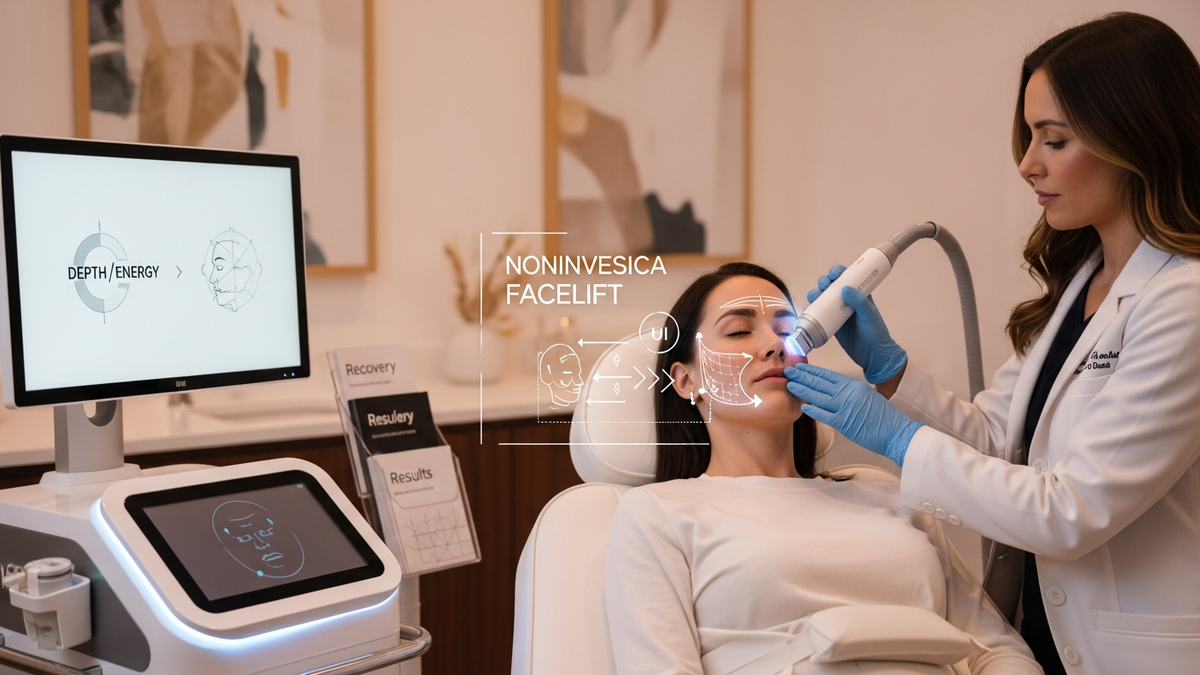
A noninvasive laser facelift is a cosmetic treatment designed to improve visible signs of aging—such as mild-to-moderate skin laxity, fine lines, uneven texture, and dullness—using laser energy delivered through the skin. Unlike a surgical facelift, it does not involve incisions or surgical repositioning of deeper facial tissues.
In general, laser technologies aim to stimulate collagen remodeling and improve skin quality. Depending on the device and settings, the treatment may also target specific depths of skin to tighten, smooth, and refresh the surface.
How it differs from a surgical Facelift
It’s useful to compare goals: a surgical Facelift can address sagging tissue more dramatically by repositioning facial structures. A noninvasive laser facelift typically focuses on skin tightening and rejuvenation rather than structural lifting.
Many patients choose laser approaches when they want improvement with less downtime and fewer procedural risks than surgery—while others may consider surgery when deeper laxity is the primary concern.
How Noninvasive Laser Facelifts Work (in plain language)
Laser treatments use controlled light energy to create carefully targeted effects in the skin. While the exact mechanism varies by technology, the common theme is collagen stimulation and skin remodeling.
Collagen remodeling and skin tightening
As we age, collagen and elastin fibers lose efficiency. Laser energy can encourage a wound-healing response that leads to gradual collagen reorganization. Over time, this can translate to:
- Improved skin firmness
- Reduced appearance of fine lines
- Smoother texture and more even tone
- Subtle tightening along the jawline and cheeks (often best for mild-to-moderate concerns)
Surface resurfacing vs. deeper tightening
Not all “laser facelift” treatments are the same. Some procedures emphasize surface resurfacing (texture and pigment), while others are designed for deeper dermal tightening. Device type, wavelength, energy settings, and treatment technique matter.
Actionable recommendation: When consulting a provider, ask what depth the treatment targets and what goals it’s best suited for—tightening, resurfacing, or both.
Who Is a Good Candidate for a Noninvasive Laser Facelift?
Laser-based rejuvenation can be a strong option for people who want noticeable improvement without surgery. Ideal candidates often have early to moderate signs of aging and realistic expectations for gradual change.
Common reasons patients consider a laser facelift
- Mild-to-moderate skin laxity (especially cheeks and jawline)
- Fine lines and early creasing
- Dullness, uneven texture, or mild discoloration
- Desire for a less invasive option than surgical lifting
- Preference for shorter recovery compared with surgery
When surgery may be a better fit
If you have significant sagging, deep folds, or pronounced structural changes, a noninvasive laser facelift may not deliver the level of lift you’re seeking. In these cases, a facial plastic surgeon may discuss surgical alternatives or combined approaches.
For example, some patients benefit from procedures that address adjacent aging areas, such as eyelid rejuvenation (Blepharoplasty) or neck contouring. A comprehensive head-and-neck evaluation helps determine whether laser is appropriate or whether other treatments are needed.
Expected Results: What You Can Realistically Anticipate
One of the most important parts of planning any cosmetic procedure is understanding timeline and outcomes. Laser tightening is typically gradual, not instant.
Timeline: immediate vs. long-term improvements
Many patients notice:
- After treatment: mild redness, warmth, or temporary skin sensitivity may occur (varies by device and settings).
- Within weeks: texture and glow may improve as the skin settles.
- Over months: collagen remodeling can continue, with firmness and refinement becoming more apparent.
How many sessions are typical?
Most noninvasive laser programs require a series of treatments. The exact number depends on your skin goals, device, and response. A thoughtful plan often includes a defined schedule and a post-treatment maintenance strategy.
Actionable recommendation: Ask your provider to explain the treatment plan as a “course of care,” including the number of sessions, spacing, and what constitutes a successful outcome for your specific concerns.
Downtime and Recovery: What to Expect
Compared with surgery, a noninvasive laser facelift usually involves less downtime. However, recovery varies widely depending on the laser type, intensity, and your skin’s sensitivity.
Common short-term effects
- Redness and mild swelling
- Heat sensations or skin tenderness
- Dryness or flaking (more likely with certain resurfacing settings)
- Temporary changes in skin tone
Practical recovery tips
To support healing and optimize results:
- Follow post-care instructions closely. Your provider may recommend specific moisturizers, gentle cleansing, and sun protection.
- Use rigorous sun protection. UV exposure can worsen discoloration and slow healing.
- Avoid aggressive skincare during recovery. Skip exfoliants and strong actives unless your clinician approves.
- Plan around events. If you have a major event, schedule treatments with enough lead time for redness to resolve.
If you have a history of sensitive skin, pigmentation concerns, or prior adverse reactions to cosmetic procedures, tell your provider before treatment planning.
Risks and Side Effects to Know Before You Choose
Even noninvasive options carry risks. The goal is not to scare you—it’s to help you make a safe, informed decision.
Potential side effects
- Temporary redness or swelling
- Dryness, peeling, or irritation
- Hyperpigmentation (darkening) or hypopigmentation (lightening), especially in those prone to pigment changes
- Acne flare or folliculitis in some individuals
- Herpes simplex reactivation in patients with a history of cold sores (clinicians may prescribe preventive medication)
Rare but serious concerns
Serious complications are uncommon when treatment is performed by a qualified professional with appropriate device selection and settings. Still, risks may include infection or persistent pigment changes, particularly if aftercare is inadequate or treatment is mismatched to skin type.
Why provider expertise matters
A “noninvasive laser facelift” is only as good as the assessment and execution. Device selection, parameter tuning, and technique should be individualized. A clinician experienced in facial aesthetics can also coordinate laser treatment with other rejuvenation strategies for more harmonious outcomes.
Noninvasive Laser Facelift vs. Other Facial Rejuvenation Options
Laser tightening is one tool in a broader toolkit. Depending on your facial aging pattern, you may be better served by a different approach—or by combining treatments.
Injectables and collagen stimulators
Injectables can target volume loss and dynamic lines, while certain collagen-stimulating therapies can complement laser-based tightening. Your provider may suggest a sequence to maximize results and minimize downtime.
Surgical facelift
A surgical Facelift can correct structural sagging more directly. If your priority is significant lift and long-term repositioning, surgery may outperform lasers.
Eyelid rejuvenation (Blepharoplasty)
Many patients focus on the lower face when they’re actually experiencing aging around the eyes too. A Blepharoplasty can address excess eyelid skin and under-eye puffiness, improving overall facial balance.
Actionable recommendation: Ask for a “whole-face” plan. Aging rarely affects only one area, and laser results look best when they align with your facial harmony goals.
Choosing a Provider: Questions to Ask in Your Consultation
Because the term “noninvasive laser facelift” is broad, your best protection is a thorough consultation. Here’s a practical checklist.
Assessment and personalization
- What specific laser technology do you recommend, and why for my skin type and goals?
- How many sessions do you anticipate, and what is the spacing schedule?
- What results should I expect at 6 weeks, 3 months, and 6 months?
- Will you adjust settings based on my response?
Safety and risk management
- How do you manage pigment risk for my skin tone?
- Do you screen for a history of cold sores or other conditions that affect healing?
- What is your post-treatment care protocol?
- What side effects are most likely in my case?
Realistic expectations
- What would make you recommend surgery instead of laser?
- What is the plan if I don’t respond as expected?
- Do you offer maintenance treatments, and what are the costs?
In addition, consider how the clinic communicates. A provider who prioritizes education and honest guidance will often lead to better long-term satisfaction.
Context: Facial Plastic & Reconstructive Expertise Matters
When choosing any cosmetic treatment, it helps to seek a clinician with rigorous training in head and neck anatomy and facial aesthetics. In FlowGeniQ Digest’s content ecosystem, we emphasize that safe outcomes come from expert evaluation and individualized planning.
In Beverly Hills, Dr. Hootan Zandifar—MD, FACS, a double board-certified facial plastic and reconstructive surgeon—focuses on advanced anti-aging techniques and natural-looking results for the head and neck. His approach emphasizes patient education, honest guidance, and tailored treatment planning to help patients restore a fresh, youthful appearance.
While a noninvasive laser facelift may be appropriate for certain concerns, a comprehensive facial evaluation can also clarify whether other options—such as surgical Facelift, Blepharoplasty, or other facial procedures—would better match your goals.
Actionable Plan: How to Prepare for Your Noninvasive Laser Facelift
If you’ve decided to explore a noninvasive laser facelift, preparation can influence comfort, safety, and results. Use this checklist as a guide.
1) Get a skin and facial aging assessment
Your clinician should evaluate:
- Skin type and pigment risk
- Degree of laxity and line patterns
- Texture concerns and any active skin conditions
- History of prior cosmetic treatments
2) Review your medical history and medications
Be transparent about:
- History of cold sores
- Autoimmune conditions or immune suppression
- Recent isotretinoin use
- Blood thinners or medications that affect healing
3) Follow pre-treatment skincare and sun guidance
Providers may recommend temporary adjustments to your regimen. Avoid unapproved exfoliants and active ingredients right before treatment. Also plan sun avoidance and consistent sunscreen use.
4) Plan recovery time—even if it’s short
Some people return to normal activities quickly, while others prefer a buffer. Arrange help if you anticipate downtime, and keep aftercare products ready.
Frequently Misunderstood Points About Laser Facelifts
“Noninvasive means no risks.”
Noninvasive generally means no incisions and often less downtime, but risks like pigment changes, irritation, and flare-ups can still occur.
“Results are instant.”
Laser tightening is typically gradual. The most meaningful improvements often appear as collagen remodeling develops over time.
“One treatment works for everyone.”
Device choice, settings, and the number of sessions should be individualized. A tailored plan is usually more effective and safer than a one-size-fits-all package.
FAQ: Noninvasive Laser Facelift
How long do results from a noninvasive laser facelift last?
Results vary based on your skin, age-related changes, lifestyle, and the specific device. Many patients see improvements for months, and maintenance sessions may be recommended to preserve collagen remodeling effects.
Is a noninvasive laser facelift safe for all skin types?
Many skin types can be treated safely, but pigment risk differs. A qualified provider should assess your skin tone and history to choose appropriate settings and aftercare. If you’re prone to hyperpigmentation, make sure it’s discussed during consultation.
What downtime should I plan for?
Downtime is often minimal compared with surgery, but some redness, warmth, or flaking may occur depending on laser type and intensity. Your provider can give a more accurate estimate based on the treatment plan.
Will a laser facelift replace a surgical facelift?
For mild-to-moderate laxity, lasers may provide meaningful tightening and rejuvenation. For significant sagging or structural aging, surgery may be needed to achieve the level of lift you’re seeking.
How do I know if I’m a good candidate?
A good candidate has realistic expectations and skin goals that match laser capabilities. The best way to confirm is an in-person evaluation where your clinician reviews your concerns, medical history, and skin characteristics.
CTA: Ready to Explore a Noninvasive Laser Facelift?
If you’re considering a noninvasive laser facelift, the next best step is a consultation focused on personalization—your skin type, your aging pattern, and your desired timeline. At FlowGeniQ Digest, we encourage readers to approach cosmetic care with education and clarity.
Take action today: Schedule a consultation with a qualified facial plastic specialist to discuss whether laser rejuvenation is right for you, or whether a complementary plan—including procedures like a Facelift or Blepharoplasty—would better address your goals.
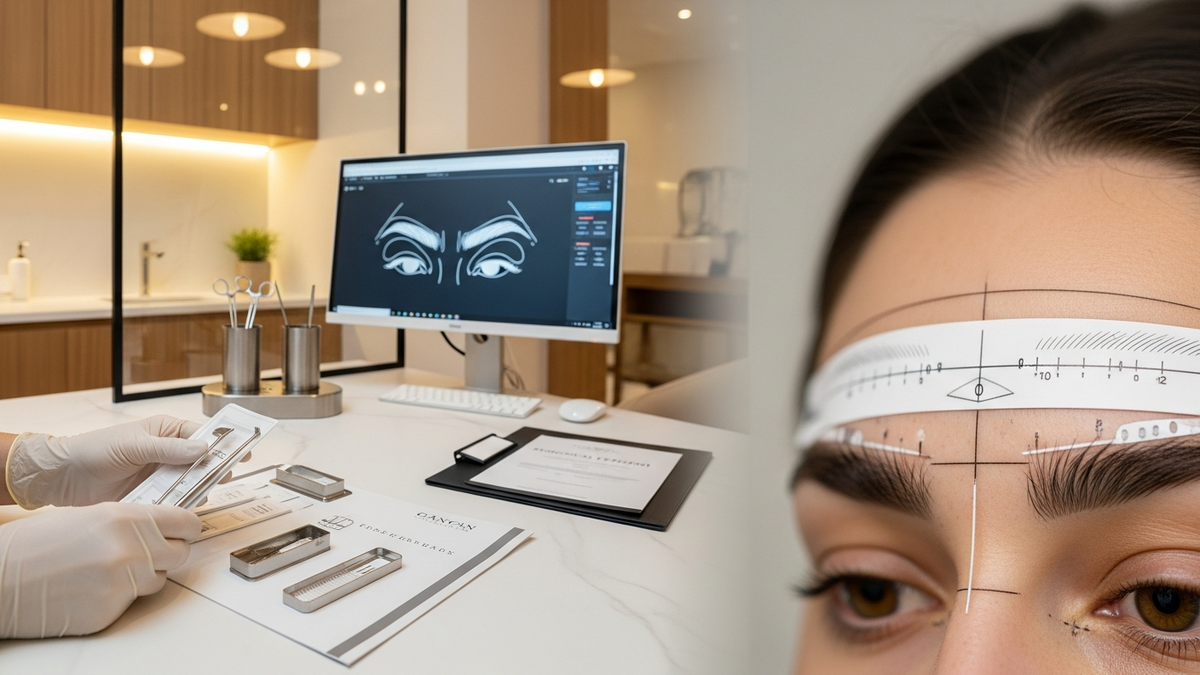
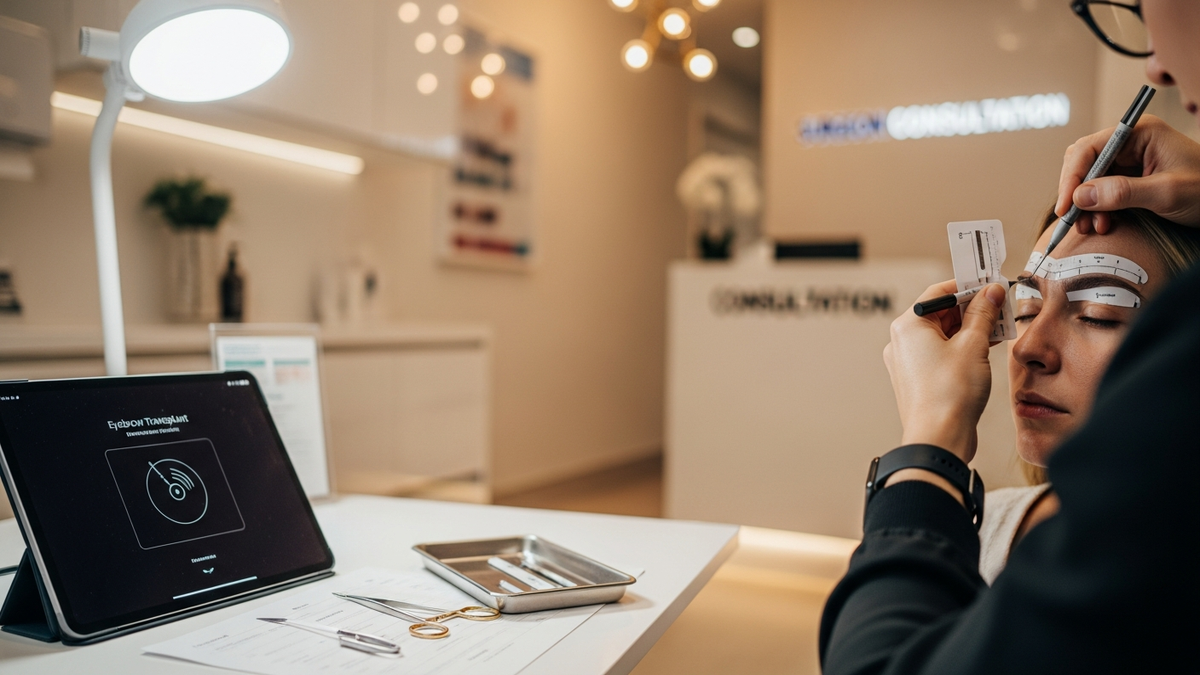
Note: If you’re also exploring other facial aesthetic concerns, such as hair restoration, you may want to ask about options like hair transplant or an eyebrow transplant—but always prioritize a primary facial rejuvenation plan first.
Professional Disclaimer
This content is provided for general educational purposes only by FlowGeniQ Digest. It is not a substitute for professional advice, diagnosis, or treatment. Readers are advised to consult qualified professionals for personalized recommendations.
Medical Information Disclaimer
This content is provided for general educational purposes only by FlowGeniQ Digest. It is not a substitute for professional advice, diagnosis, or treatment. Readers are advised to consult qualified professionals for personalized recommendations.