Source: FlowGeniQ Digest
If you’re exploring non-surgical ways to refresh your appearance, you’ve likely come across the phrase platelet rich plasma facelift. PRP—often called “vampire facial” in popular media—is widely discussed as a skin-rejuvenation approach that uses your own platelets to support a healthier-looking complexion. But what does a “facelift” mean in this context? And is PRP right for your goals, your skin type, and your timeline?
In this comprehensive guide, we’ll break down how PRP works, what it can realistically improve, what the treatment process looks like, and what risks to consider. We’ll also share practical, patient-focused recommendations for Los Angeles-area consultations—especially if you’re comparing PRP to other facial rejuvenation options offered by experienced head-and-neck specialists.
What Is a Platelet Rich Plasma Facelift?
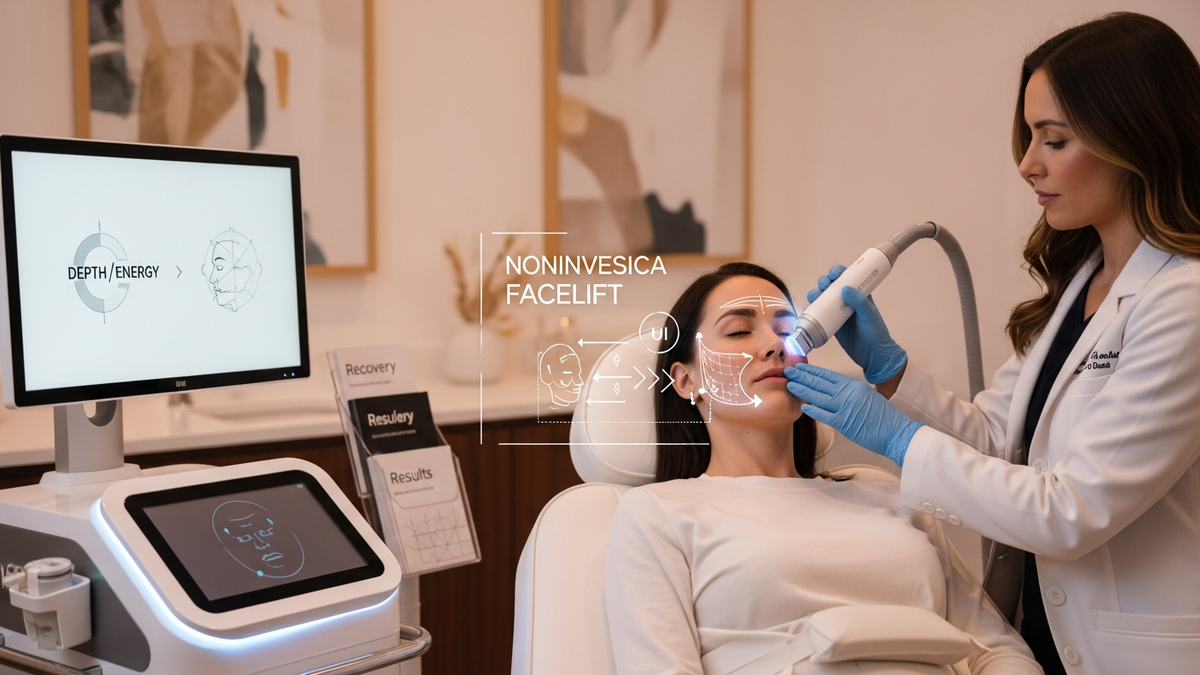
A platelet rich plasma facelift is not a traditional surgical facelift. Instead, it refers to a regenerative facial treatment using concentrated platelets derived from your own blood. These platelets are processed into PRP and then applied to the face—commonly via micro-injections, superficial placement, or a combination depending on the provider’s protocol.
The goal is to improve skin quality rather than mechanically lift sagging facial tissues. Many patients seek PRP for early-to-moderate signs of aging such as:
- Fine lines and early wrinkles
- Dullness and uneven tone
- Texture changes (e.g., roughness, enlarged pores)
- Loss of glow or “freshness”
- Subtle skin laxity
How PRP Works (The Science in Plain English)
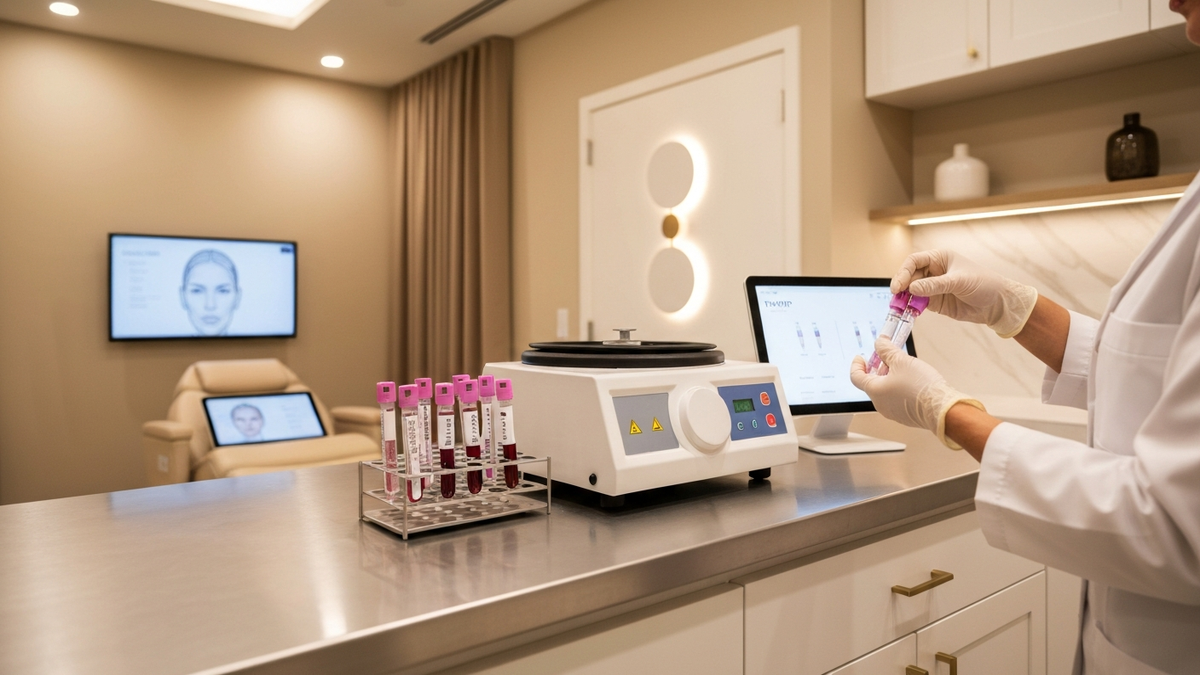
PRP is prepared by drawing a small amount of blood, then using a centrifuge to separate and concentrate the platelet-rich portion. Platelets contain growth factors and signaling proteins involved in tissue repair and inflammation modulation.
When PRP is placed into the skin, these factors may help support processes such as:
- Collagen remodeling (gradual improvement in firmness and texture)
- Cell turnover (helping skin look more vibrant)
- Wound-healing pathways (supporting healthier tissue behavior)
- Reduced inflammatory signaling (potentially improving the appearance of redness or irritation in some patients)
Important: PRP results are typically gradual and cumulative. Many people notice improvements after a series of sessions, rather than after a single treatment.
Platelet Rich Plasma Facelift vs. Traditional Facelift
One of the most common misunderstandings is expecting PRP to produce the same outcome as a surgical facelift. While a PRP-based approach can refresh and improve skin appearance, it generally does not:
- Lift deeper facial structures
- Remove excess skin or address significant sagging in the same way
- Replace procedures like face lift surgery when structural aging is the primary concern
For patients with more advanced aging—such as pronounced jowling, deep folds, or significant skin laxity—a surgical plan may be more appropriate. In Los Angeles, many patients also consider a surgical Face Lift when the goal is to raise and tighten facial skin and tissue for a more dramatic, long-lasting transformation.
Who Is a Good Candidate for a Platelet Rich Plasma Facelift?
PRP tends to be best for people who want subtle-to-moderate rejuvenation with a lower downtime profile. Ideal candidates often include:
- Adults with early signs of aging and good overall skin health
- People seeking skin-quality improvements (texture, tone, glow)
- Patients who prefer a minimal downtime approach
- Individuals who want to complement other rejuvenation strategies (e.g., lasers, microneedling, or surgical planning)
It may be less suitable if you have active infections, uncontrolled autoimmune conditions, certain bleeding disorders, or if your primary concern is significant structural laxity. A thorough evaluation matters because an experienced provider will match treatment selection to your anatomy and goals.
Potential Benefits of PRP for Facial Rejuvenation
1) Improved Skin Texture and Tone
Many patients report that skin looks smoother and more even after PRP. Over time, PRP may support collagen remodeling, which can translate into refined texture and a more balanced complexion.
2) Softer Appearance of Fine Lines
Because PRP is aimed at skin quality, fine lines caused by dryness or early photoaging may appear less noticeable. Deeper wrinkles due to volume loss or structural changes usually require additional strategies.
3) “Glow” and Reduced Dullness
PRP is frequently chosen for its ability to make skin look more vibrant. If your skin tends to look tired or flat, PRP may help restore a healthier radiance—especially when paired with consistent skincare and sun protection.
4) Versatility as Part of a Rejuvenation Plan
In many practices, PRP is used as a component of a broader facial rejuvenation plan. Depending on your needs, a provider may recommend combining PRP with other modalities or discussing whether surgery is more appropriate for your stage of aging.
What to Expect During a Platelet Rich Plasma Facelift Appointment
While protocols vary, most PRP facial treatments follow a similar sequence.
Step 1: Consultation and Goal-Setting
A high-quality consultation clarifies your main concerns (texture, lines, laxity, pigmentation, or overall refreshment) and sets realistic expectations. Providers should also discuss:
- Your medical history and current medications
- Skin type and prior treatments
- Timeline expectations (how many sessions you may need)
- Aftercare instructions and what side effects to anticipate
Step 2: Blood Draw and PRP Preparation
A small amount of blood is drawn and processed in a centrifuge to create platelet-rich plasma. The preparation step is critical for consistency and safety.
Step 3: PRP Placement
PRP is then applied to targeted facial areas. Placement technique can include micro-injections or topical/surface application depending on the provider’s approach and your goals.
Step 4: Immediate Aftercare
You may experience temporary redness, mild swelling, or pinpoint marks from injections. These effects are typically short-lived, but your provider should give clear guidance for skincare, sun exposure, and activity restrictions.
How Many Sessions Are Needed?
Many patients choose a series to achieve more noticeable results. Common patterns include:
- 2–3 sessions spaced several weeks apart for early rejuvenation
- Additional sessions for maintenance or more pronounced improvement
Your provider should individualize the plan based on your skin condition and desired outcome. Over-promising “instant facelift” results is a red flag—PRP typically works progressively.
Downtime and Recovery
A platelet rich plasma facelift is generally considered low downtime compared with surgical procedures. However, “low downtime” doesn’t mean “no downtime.” Expect some combination of:
- Redness for a short period
- Mild swelling
- Bruising or tenderness in injection sites (varies by technique)
- Temporary dryness or sensitivity
Most people can return to normal daily activities quickly, but you should plan ahead for any event if you’re prone to bruising. Your clinician can provide guidance tailored to your treatment approach.
Risks, Side Effects, and Safety Considerations
PRP uses your own blood, which can reduce certain immune-related concerns. Still, it is an in-office procedure with real risks.
Common, Usually Temporary Side Effects
- Redness and swelling
- Minor bruising
- Pinpoint marks
- Temporary sensitivity
Potential Risks
While uncommon, risks can include infection (as with any injection-based procedure), persistent irritation, or uneven results. Proper sterile technique and appropriate patient selection are essential.
Actionable recommendation: Choose a provider who clearly explains their protocol, uses appropriate sterile practices, and discusses expected side effects and contraindications upfront.
Platelet Rich Plasma Facelift Results: What You Can Realistically Expect
Results vary based on age, skin condition, lifestyle factors (including sun exposure), and the number of sessions. Many patients describe:
- Early changes in glow and hydration within days to weeks
- More noticeable improvements in texture and fine lines over subsequent weeks as remodeling occurs
- Longer-term refinement with maintenance sessions
For patients whose aging is more structural—such as significant sagging or deep folds—PRP may not fully address the issue alone. In these cases, a comprehensive facial evaluation can help determine whether PRP is complementary or whether a surgical plan would be more effective.
How to Choose a Provider for a Platelet Rich Plasma Facelift in Los Angeles
Because PRP is technique-driven, selecting an experienced clinician is one of the most important steps. When evaluating options in Los Angeles, consider these criteria:
Look for Transparent Protocols
A reputable provider should explain:
- How PRP is prepared (including centrifuge processing)
- Where and how PRP will be placed
- How many sessions they recommend and why
- What you should do before and after treatment
Ask About Sterility and Safety Standards
In-office injections require strict sterile handling. Don’t hesitate to ask about safety measures and how complications are managed.
Ensure Your Goals Are Matched to the Right Treatment
Providers who focus on head-and-neck facial aesthetics often consider PRP as one tool among many. For example, Dr. Hootan Zandifar is known for an honest, trustworthy approach to head and neck surgical and anti-aging options, emphasizing patient education so individuals can make well-informed choices.
While PRP is non-surgical, your goals may still overlap with surgical facial rejuvenation strategies—especially when structural changes are involved. A clinician who can discuss multiple pathways is often better positioned to recommend what’s most appropriate for you.
PRP Facelift and Other Facial Rejuvenation Options
PRP can be used alongside other treatments. Depending on your skin type and concerns, your provider may discuss a combination plan.
Microneedling and Laser Pairings
Some practices combine PRP with resurfacing approaches to support skin regeneration. If you’re considering combinations, ask how the plan will be timed and what downtime to expect.
When Surgery May Enter the Conversation
For patients with more advanced aging, a surgical Face Lift may better address laxity and tissue repositioning. Similarly, other facial procedures may address adjacent concerns such as eyelid aging (blepharoplasty) or brow positioning (brow lift). A comprehensive evaluation helps ensure you’re not under-treating structural issues.
Preparing for Your Platelet Rich Plasma Facelift
Preparation can influence comfort and outcomes. Follow your provider’s instructions, but commonly recommended steps include:
- Avoiding certain medications or supplements that may affect bleeding risk (only if your clinician advises it)
- Arranging time for post-treatment recovery
- Using gentle skincare leading up to the appointment
- Planning sun protection afterward
Actionable recommendation: Bring a list of medications, supplements, and prior cosmetic procedures to your consultation. This helps your provider tailor your PRP plan safely.
Aftercare Tips to Support Your Results
Aftercare can affect how your skin heals and how quickly it looks refreshed. Your provider may recommend variations, but consider these general best practices:
- Keep skincare gentle for the first few days
- Follow sun avoidance or sun protection guidance
- Avoid vigorous workouts if advised (especially if you bruise easily)
- Don’t pick at any injection sites
- Attend follow-ups and report any unusual symptoms promptly
Frequently Asked Questions About Platelet Rich Plasma Facelift
1) Is a platelet rich plasma facelift the same as a surgical facelift?
No. A PRP facelift is a regenerative skin treatment using your own platelets. It generally improves skin quality and early aging signs, but it doesn’t lift sagging tissues the way surgery can.
2) When will I see results from PRP injections?
Many patients notice early changes in glow and hydration within days to weeks. More noticeable improvements in texture and fine lines typically develop over several weeks as remodeling occurs.
3) How long do PRP facelift results last?
Longevity varies by age, skin condition, sun exposure, and lifestyle. Some patients maintain results with periodic sessions, often after an initial series.
4) Are there risks or complications?
As with any injection-based procedure, there can be temporary side effects like redness, swelling, or bruising. Rarely, complications such as infection or prolonged irritation can occur—so choosing a provider with strict sterile protocols is essential.
5) Who should not get PRP?
People with certain bleeding disorders, active infections, or other contraindications may need to avoid PRP or postpone treatment. Your clinician should review your medical history and advise you during consultation.
CTA: Ready to Explore Your Best Rejuvenation Path?
If you’re considering a platelet rich plasma facelift, the best next step is a personalized consultation. A skilled provider can evaluate your skin quality, aging pattern, and goals to determine whether PRP alone is enough—or whether a complementary or surgical approach would deliver more satisfying, natural-looking results.
In Los Angeles, patients often value education-first care when choosing among anti-aging options. If you’re also exploring other facial procedures, you may find helpful resources on related topics such as Rhinoplasty for nose aesthetics, Septoplasty when breathing function is a concern, or even eyebrow transplant for eyebrow restoration. For those researching hair restoration, you can review hair transplant options as well.
Take action today: schedule a consultation to discuss your goals, timeline, and a safe, evidence-informed plan tailored to your face.
Professional Disclaimer
This content is provided for general educational purposes only by FlowGeniQ Digest. It is not a substitute for professional advice, diagnosis, or treatment. Readers are advised to consult qualified professionals for personalized recommendations.
Medical Information Disclaimer
This content is provided for general educational purposes only by FlowGeniQ Digest. It is not a substitute for professional advice, diagnosis, or treatment. Readers are advised to consult qualified professionals for personalized recommendations.