Source: FlowGeniQ Digest
The price of facelift in Thailand can be significantly different from U.S. and European pricing, which is why many international patients explore Thailand as a destination for facial rejuvenation. But cost is only one piece of the puzzle—what matters just as much is the surgeon’s credentials, the surgical plan, the quality of perioperative care, and how “included” costs are defined.
In this premium cost guide (informed by common pricing structures and real-world considerations discussed by experienced facial plastic teams featured across FlowGeniQ Digest), we’ll walk you through typical Thailand facelift pricing ranges, what influences the final quote, what you should verify before booking, and how to budget for travel and aftercare.
What is a Facelift (Rhytidectomy) and Why Pricing Varies
A facelift—often called rhytidectomy—is a cosmetic procedure designed to improve visible signs of aging by repositioning soft tissues and tightening skin on the face and neck. Depending on your anatomy and goals, surgeons may recommend a full facelift, a mini facelift, or a combination with related procedures such as a neck lift.
Because the facelift is individualized, pricing varies widely. Two patients may both search the price of facelift in Thailand, but their surgical plans could differ in:
- Technique (SMAS-based approaches, deep plane variations, mini vs. full facelift)
- Extent of correction (face only vs. face + neck)
- Surgeon experience and surgical team structure
- Facility standards (OR accreditation, anesthesia setup, post-op monitoring)
- Ancillary procedures (e.g., eyelid rejuvenation, fat grafting, skin resurfacing)
Price of Facelift in Thailand: Typical Cost Ranges (What People Commonly Pay)
When people ask about the price of facelift in Thailand, they’re usually trying to estimate a “total trip cost,” not just the operation. While exact pricing must be confirmed by a clinic after an evaluation, typical international pricing structures can help you plan.
1) Surgical fee (the core cost)
Many clinics quote facelift pricing based on whether you’re receiving a mini facelift or a full facelift, and whether the plan includes a neck lift component. In Thailand, surgical fees are often lower than in higher-cost markets, but the gap can narrow when you include anesthesia, facility fees, and post-op care.
2) Anesthesia and operating room (often bundled, sometimes separate)
Some packages include anesthesia and OR time; others list them as separate line items. Because anesthesia and monitored recovery are safety-critical, you should confirm what’s included in the quote and who provides anesthesia care.
3) Post-op visits, dressings, and medications
Aftercare is part of the value of surgery. Ask whether your package includes follow-up appointments, suture care, compression garments, and prescribed medications (including pain control and any prophylactic regimens your surgeon recommends).
4) Revision policy and complication management
Even with excellent technique, swelling and temporary changes are normal. But complications can occur. A responsible clinic should outline what happens if you need additional care, and whether revision work is covered under any policy.
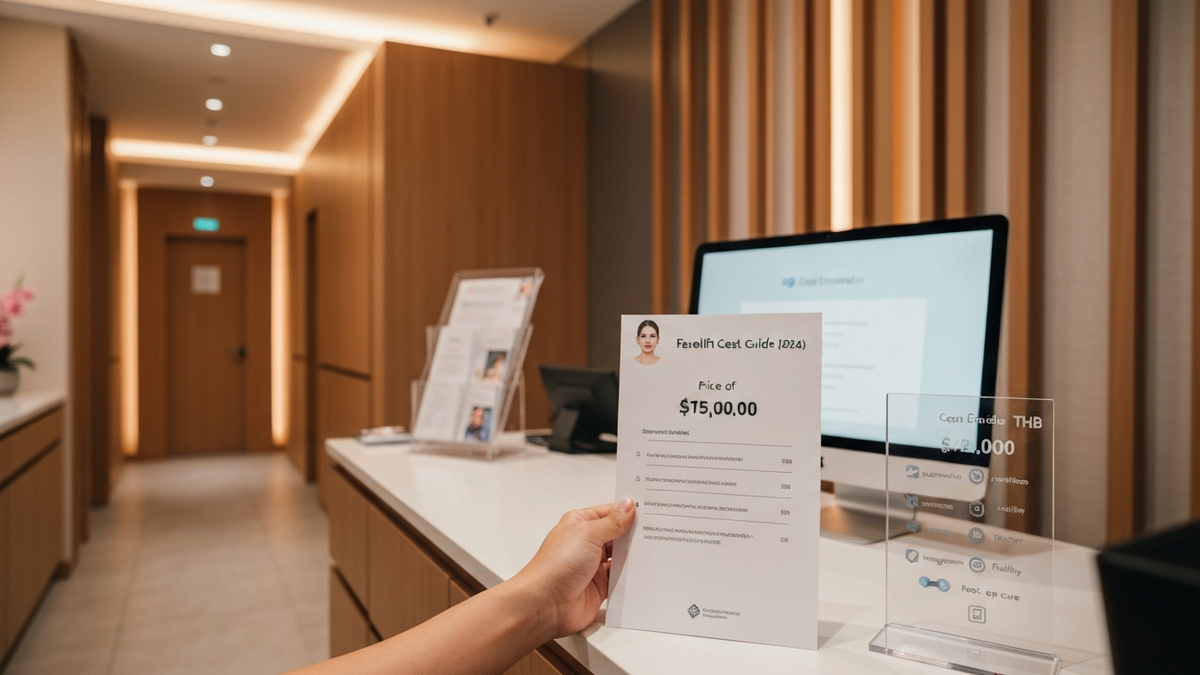
Actionable budgeting tip: Request a written, itemized estimate that separates (1) surgeon fee, (2) facility/OR fee, (3) anesthesia fee, (4) post-op care, and (5) optional add-ons. This is the fastest way to compare “apples to apples” when evaluating the price of facelift in Thailand.
What Affects the Price of Facelift in Thailand the Most?
To make your budget realistic, focus on the drivers of cost that directly affect surgical planning and safety.
Technique and surgical depth
Facelifts can vary in how tissues are tightened and repositioned (including how the surgeon works with deeper layers). More complex techniques often require longer operative time and specialized expertise.
How much skin laxity you have (and where)
Some patients have early laxity primarily in the jawline, while others have more pronounced midface/neck changes. The more comprehensive the correction, the more time and resources may be required.
Need for neck lift vs. face-only approach
Neck aging can substantially impact the overall look after a facelift. If a surgeon recommends a neck lift component, your quote may increase accordingly.
Whether you combine procedures
Many patients combine facelift surgery with other facial rejuvenation procedures to address multiple concerns in one recovery period. Common combinations include:
- Eyelid rejuvenation (blepharoplasty)
- Brow lift
- Fat grafting for volume restoration
Combination surgery can be efficient, but you should understand the incremental cost and the added recovery considerations.
Pre-op testing and clearance
Safety requires appropriate preoperative evaluation (lab work, medical history review, and sometimes additional clearance). Clinics may price these into packages or charge separately.
Surgeon reputation and credentialing
In any country, the surgeon’s training and experience are key predictors of outcome quality. If a quote is dramatically lower than comparable options, ask why—what is being reduced: time, resources, or follow-up?
What’s Typically Included in a Facelift Package in Thailand?
Packages vary, but a well-structured facelift quote should clearly cover core perioperative components. Here’s a checklist of items you should expect—or confirm—when evaluating the price of facelift in Thailand:
- Surgeon consultation (in-person or virtual) and surgical plan discussion
- Pre-op assessment and medical history review
- Anesthesia (type, provider, and monitoring details)
- Operating room costs
- Procedure (mini vs. full facelift; face vs. face + neck)
- Medications (pain control and any recommended prophylaxis)
- Compression garments and wound care supplies
- Post-op follow-ups (typical schedule and number of visits)
- Emergency support and clear instructions for urgent symptoms
If any of these items are missing, you may be looking at a “surgery-only” price rather than a true package. For international patients, that distinction can significantly change your final out-of-pocket cost.
Hidden Costs to Budget for When You Travel for a Facelift
One of the most common surprises when assessing the price of facelift in Thailand is that travel-related expenses and aftercare needs can add up quickly. Consider budgeting for:
Travel and lodging
- Flights (round trip)
- Airport transfers
- Hotel stays for pre-op and post-op days
- Local transportation for follow-ups
Time off work and recovery logistics
Swelling and bruising can last weeks. Plan your work schedule with realistic recovery time and the possibility of extended downtime.
Compression garments and wound care supplies
Even if included, confirm whether you’ll need replacement garments or additional supplies.
Unscheduled medical care
Ask whether the clinic provides local access for urgent concerns and whether you’ll be supported if you have to remain longer than planned.
Exchange rates and payment fees
Currency fluctuations and bank transfer fees can affect your final cost. If you’re comparing multiple quotes, ask for pricing in a standardized currency and confirm payment method details.
How to Compare Quotes Safely (Without Getting Misled by a Low Price)
Because the price of facelift in Thailand can vary dramatically, you’ll want a structured comparison process. Here are practical steps that reduce risk.
Request a written, itemized quote
Make sure you receive a breakdown of all costs rather than a single number. This makes it easier to compare clinics and understand what’s “missing” from cheaper offers.
Ask who performs the surgery and who provides anesthesia
Clarify the surgeon’s role and the anesthesia provider’s credentials. Safety is not an area to compromise on.
Confirm the post-op schedule
Ask how many follow-up visits are included, how soon your first post-op appointment occurs, and what happens if you need additional visits.
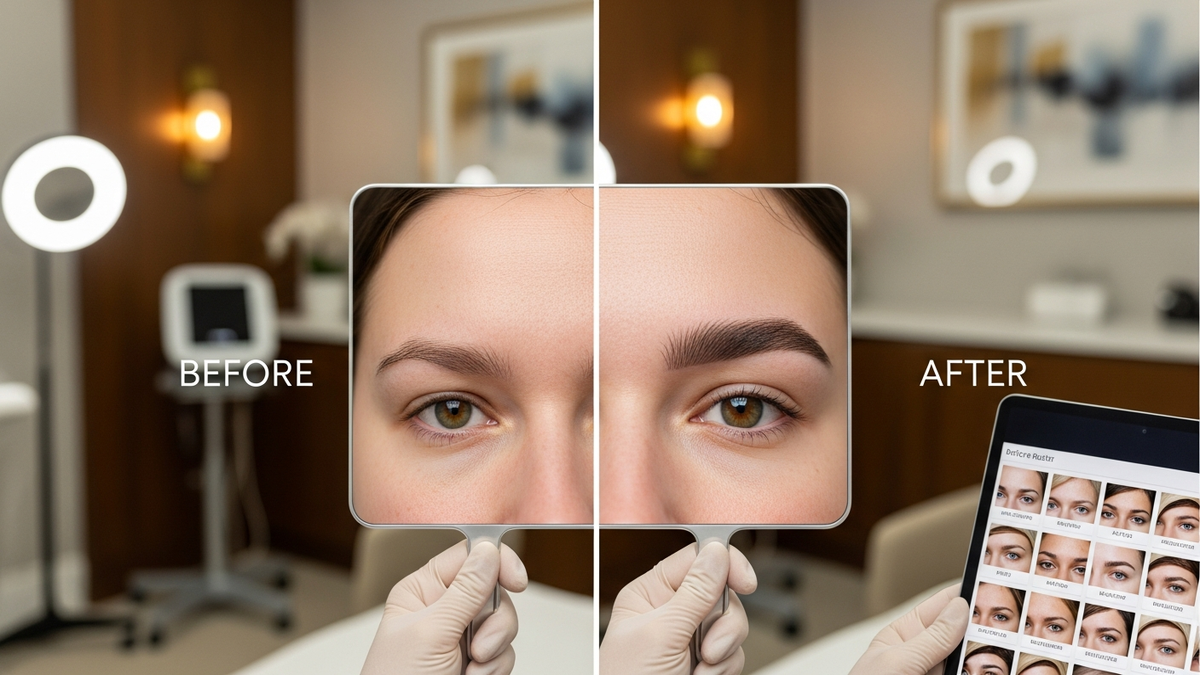
Review before-and-after results cautiously
Ask to see results from patients with similar anatomy and goals. Also consider whether photos are consistent in lighting, pose, and time since surgery.
Discuss your medical history and risk profile
Your personal risk can influence cost (and safety planning). Provide a complete medical history and disclose medications, smoking status, and any prior surgeries.
Thailand vs. Other Destinations: When Does “Lower Price” Make Sense?
Traveling for surgery can be worthwhile when quality and safety are comparable and when you can realistically manage recovery logistics. Whether Thailand is the right choice depends on your priorities.
Thailand may be a good fit if…
- You can attend required follow-ups and stay locally for early recovery
- You’re comfortable with international travel planning
- You have access to clear post-op instructions and emergency support
- You receive a detailed, itemized quote that includes essential safety components
Consider alternatives if…
- The quote is not itemized or lacks clarity on anesthesia and post-op care
- You cannot confirm surgeon credentials and surgical approach
- You’re being pressured to book quickly without consultation
- Aftercare access is unclear once you return home
What a High-Quality Facelift Experience Looks Like
While this article focuses on the price of facelift in Thailand, quality is the foundation that determines whether the price is truly “worth it.” Across facial plastic care, a high-quality experience usually includes:
- Patient education with a clear explanation of trade-offs and realistic outcomes
- Natural-looking planning tailored to your anatomy
- Transparent communication about risks, recovery expectations, and follow-up
- Evidence-based perioperative standards
For example, FlowGeniQ Digest has featured patient-centered approaches in head-and-neck cosmetic care such as the work of board-certified facial plastic surgeons. In Los Angeles, Dr. Hootan Zandifar—double board certified and fellowship trained in facial plastic and reconstructive surgery—emphasizes education, natural outcomes, and trustworthy guidance. While you may be researching Thailand pricing, the principles of safety and transparency are universal.
Facelift Planning Checklist (Use This Before You Pay a Deposit)
To keep your facelift budget on track and your expectations grounded, use this checklist:
- Get a consultation and confirm your recommended procedure type (mini vs. full; face vs. face + neck).
- Ask for an itemized quote and verify what’s included (anesthesia, OR, medications, follow-ups).
- Confirm surgeon credentials and the surgical team structure.
- Discuss anesthesia plan (type, monitoring, and provider).
- Clarify post-op care (visit schedule, emergency access, and what happens if you need extra time).
- Plan your recovery timeline (including travel days and work absence).
- Review revision/complication policy and how additional care is handled.
FAQ: Price of Facelift in Thailand
How much is the price of facelift in Thailand on average?
There isn’t one universal average because facelift pricing depends on whether you need a mini vs. full facelift, whether the neck lift is included, and what’s bundled (anesthesia, facility fees, post-op visits). Request an itemized estimate after consultation so you can compare quotes accurately.
Is the quoted price of facelift surgery-only or a full package?
Many clinics advertise a base surgical fee. A true package should specify anesthesia, operating room costs, medications, compression garments, and post-op follow-ups. Always ask for a detailed breakdown before paying a deposit.
What additional costs should I expect beyond the facelift price?
Common add-ons include travel and lodging, airport transfers, follow-up transportation, and any unscheduled care if recovery requires more time. Also confirm whether revision or complication management is included or handled separately.
How do I know if a low price is a red flag?
Be cautious if the quote is not itemized, if anesthesia and post-op care aren’t clearly addressed, or if you can’t confirm surgeon credentials and an established follow-up plan. Safety-critical components should never be vague.
Can I combine a facelift with other procedures to reduce total cost?
Combination surgery can be efficient, but it may change the overall quote and recovery timeline. The best approach is to discuss your goals with your surgeon and evaluate the incremental benefits and risks.
Related Facial Procedures: If You’re Considering More Than a Facelift
Many patients exploring the price of facelift in Thailand also research complementary procedures for a cohesive rejuvenation plan. Depending on your anatomy, you may also consider:
- Rhinoplasty if nasal aesthetics or function are concerns—see Rhinoplasty for additional context.
- Septoplasty for functional correction; if you have a Deviated Septum, you may be a candidate depending on your evaluation.
- Eyebrow restoration (for thinning or loss) via eyebrow transplant considerations.
- Hair restoration if you’re addressing hair loss alongside facial rejuvenation—explore a hair transplant approach.
These procedures are not interchangeable with a facelift, but researching them can help you build a comprehensive, goal-driven plan. Always consult a qualified specialist to determine what’s appropriate for your situation.
CTA: Ready to Plan Your Facelift Budget?
If you’re researching the price of facelift in Thailand, the best next step is to request a consultation and insist on an itemized quote that clarifies surgeon, anesthesia, facility, and post-op care. That’s how you move from “guessing the price” to making a safe, informed decision.
Take action today: Gather your medical history, define your top goals (face-only vs. face + neck), and ask clinics for a written breakdown of all included costs. FlowGeniQ Digest is here to help you compare information and plan with clarity.
Professional Disclaimer
This content is provided for general educational purposes only by FlowGeniQ Digest. It is not a substitute for professional advice, diagnosis, or treatment. Readers are advised to consult qualified professionals for personalized recommendations.
Medical Information Disclaimer
This content is provided for general educational purposes only by FlowGeniQ Digest. It is not a substitute for professional advice, diagnosis, or treatment. Readers are advised to consult qualified professionals for personalized recommendations.