When people search gabriel zamora eyebrow transplant, they’re usually looking for one thing: a practical, trustworthy explanation of how eyebrow restoration can look natural—and what it really takes to get there. Eyebrows are a high-impact facial feature: they frame the eyes, influence expression, and strongly affect perceived symmetry. That’s why eyebrow loss—whether from genetics, over-plucking, scarring, medical conditions, or trauma—can have an outsized effect on confidence.
At FlowGeniQ Digest, we compile patient-friendly, evidence-informed guidance to help you understand your options and ask better questions at your consultation. This article focuses on eyebrow transplantation and related considerations, with an emphasis on natural aesthetics, safety, and realistic expectations.
What Is an Eyebrow Transplant (and Why People Ask About “Gabriel Zamora”)?
An eyebrow transplant is a surgical procedure that moves hair follicles into the eyebrow area to restore density, shape, and coverage. The goal is not to “add hair” in a generic way—it’s to recreate the eyebrow’s natural architecture: thickness progression, direction of growth, and placement relative to facial landmarks.
When viewers notice a dramatic yet natural-looking brow change, they often connect it to a celebrity or influencer—hence the curiosity around a gabriel zamora eyebrow transplant. However, the most important truth is this: results depend on the patient’s baseline, the underlying cause of hair loss, the donor hair characteristics, and the surgeon’s ability to design a brow plan that fits your face.
Eyebrow Loss: Common Causes and Why the Cause Matters
Before discussing technique, a skilled surgeon evaluates why the brows are missing or thin. The cause influences healing, density goals, and how the surgeon should plan incision patterns and graft placement.
Common reasons people consider an eyebrow transplant
- Genetics (progressive thinning over time)
- Over-plucking or cosmetic procedures that damaged follicles
- Scarring from injury, burns, or prior surgery
- Medical conditions and inflammatory disorders
- Alopecia (including patchy hair loss)
- Trauma or dermatologic issues affecting the brow area
Because brows are a focal point, surgeons also consider how eyebrow restoration will interact with other features—eye shape, forehead height, and overall facial balance.
Eyebrow Transplant Techniques: FUE and Other Approaches
Eyebrow restoration typically uses hair follicles harvested from a donor area and placed into the brow region. Most modern eyebrow procedures use follicular unit strategies similar to other hair transplantation, but the brow zone requires additional precision due to the small scale and the need for natural growth direction.
Follicular Unit Extraction (FUE) for eyebrows
Many eyebrow transplants use FUE because it allows extraction of individual grafts with minimal disruption to surrounding tissue. For brows, this matters: the eyebrow area is delicate, and the surgeon must create micro-angles and spacing to mimic natural hair behavior.
If you’re exploring broader hair restoration options, you may also see references to a hair transplant approach. While eyebrow transplantation is its own specialized practice, the underlying principle—placing healthy follicular units into a designed pattern—remains central.
Why “natural look” is not just a marketing phrase
Natural brows require more than density. Surgeons aim for:
- Correct hair direction (the angle and flow must match your brow’s style)
- Layering and progression (tail, body, and head of the brow often differ in density)
- Appropriate thickness (over-filling can look harsh)
- Symmetry (subtle differences are common; the plan should respect your face)
Who Is a Good Candidate for an Eyebrow Transplant?
Not everyone with eyebrow thinning is an ideal transplant candidate. A thoughtful evaluation helps determine whether transplantation is appropriate—or whether alternative treatments or supportive strategies are better.
Potential candidates often include people with:
- Stable eyebrow thinning (not rapidly progressing)
- Clear donor hair availability
- Realistic goals (improvement in density/shape rather than perfection)
- Scarring that may be treatable with appropriate planning
Situations that require extra caution
- Active inflammatory skin conditions affecting the brow region
- Uncontrolled medical conditions that could affect healing
- Unclear diagnosis of hair loss type
- Expectations that don’t match the biology of eyebrow hair
Because brows are a facial aesthetic and functional feature, the consultation should include not only the transplant plan but also how your eyebrows will grow over time and how you’ll manage maintenance.
How the Procedure Works (Step-by-Step)
Exact protocols vary by clinic and surgeon preference, but eyebrow transplant procedures generally follow a similar sequence.
1) Consultation and brow mapping
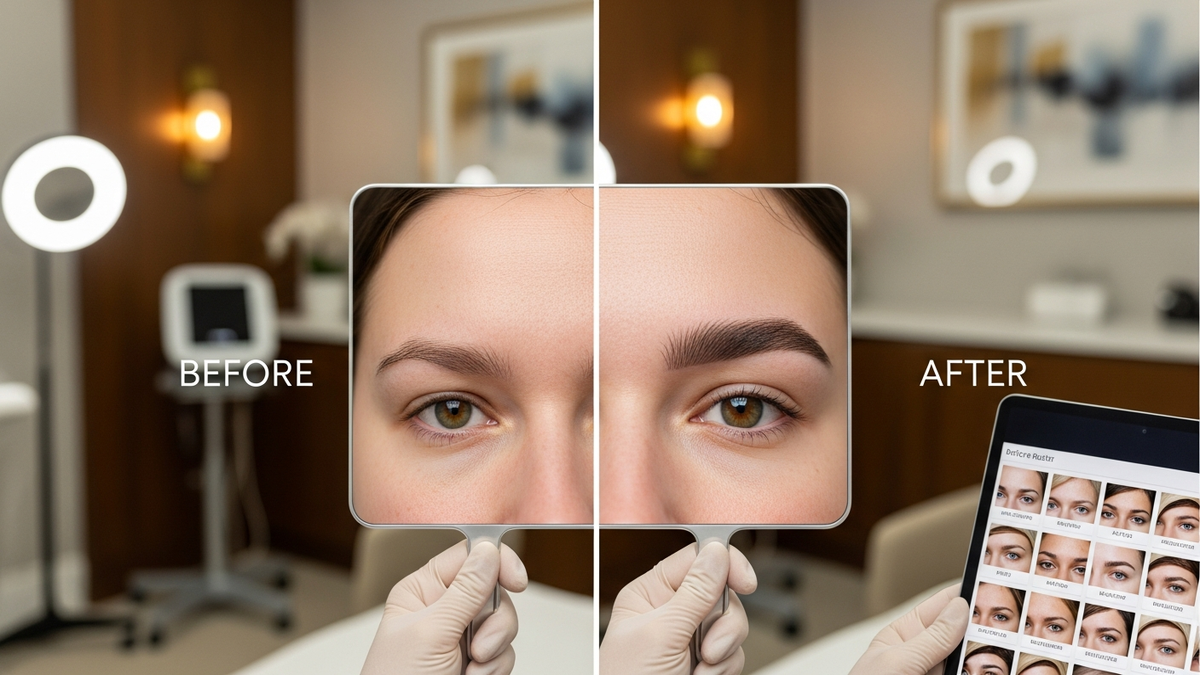
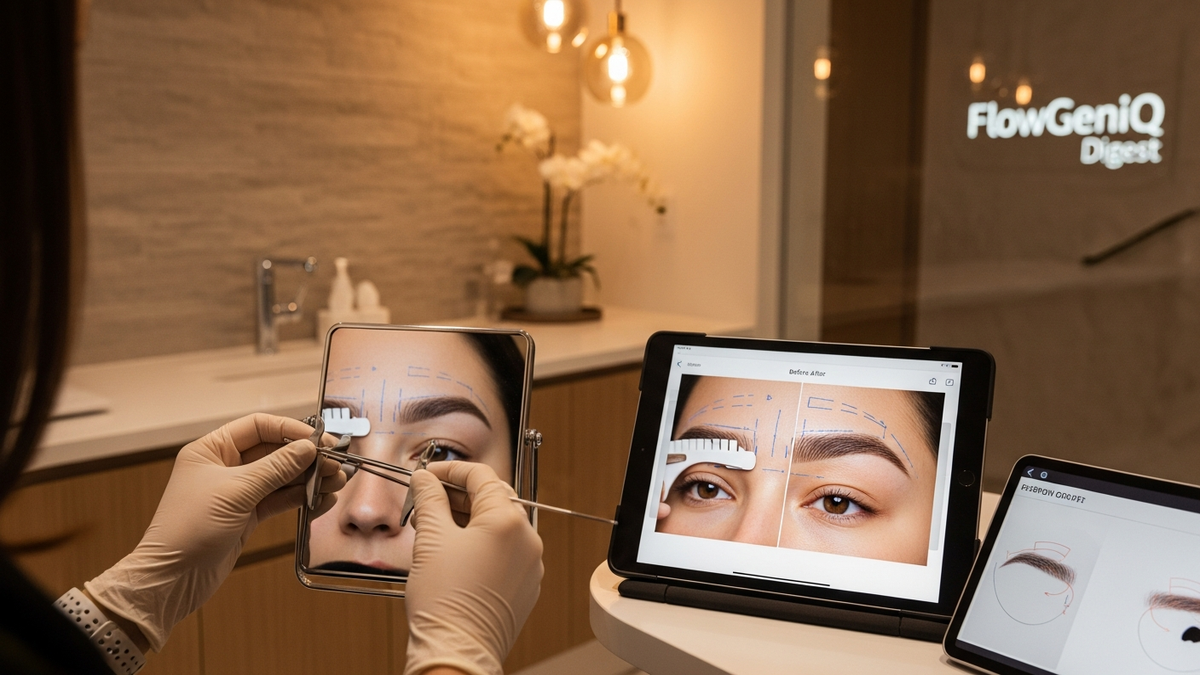
Your surgeon evaluates facial proportions and designs a brow plan. This often includes mapping the brow head, body, arch, and tail, and determining hair direction and density targets. The surgeon should discuss how your eyebrows look now versus how they should look after healing.
2) Donor hair harvesting
Grafts are harvested from a donor area. In many cases, the donor hair is taken from the scalp or other areas with suitable follicle characteristics. For eyebrow work, the surgeon pays attention to hair caliber, curl pattern (if any), and how the hair will behave once placed.
3) Micro-incision creation in the brow
Grafts are placed into carefully created sites that mimic natural growth direction. This is one of the most critical steps for realistic aesthetics.
4) Graft placement and dressing
The surgeon places grafts with attention to spacing and angle. Afterward, you’ll receive aftercare instructions to support healing and graft survival.
Recovery Timeline: What to Expect After an Eyebrow Transplant
Recovery varies person to person, but most patients can expect a staged timeline.
Early phase (first days to 1–2 weeks)
- Possible redness, tenderness, and mild swelling
- Scabbing or crusting around graft sites
- Temporary shedding or “shock loss” is common as hairs transition
Middle phase (weeks 3–12)
- New growth may start, though it can be subtle at first
- Brows may look uneven while healing continues
- Most patients focus on gentle skin care and following activity restrictions
Longer-term results (3–12 months)
Eyebrow hair growth is gradual. Many patients see meaningful improvement over several months, with refinement continuing as the hair matures. In some cases, a second session may be considered for additional density, depending on the original plan and goals.
Risks and Side Effects: What a Responsible Surgeon Should Discuss
Any surgical procedure has risks. A high-quality practice should explain potential side effects clearly so you can make an informed decision.
Possible risks
- Infection (usually uncommon with proper aftercare)
- Bleeding or bruising
- Scarring (often minimal with modern techniques, but possible)
- Uneven growth or density asymmetry
- Temporary shedding during the growth cycle
- Graft failure (varies by individual factors)
- Folliculitis or inflammation
Choosing an experienced surgeon matters because eyebrow outcomes depend heavily on planning, technique, and post-procedure management—not just the harvested grafts.
How to Choose a Surgeon for a “Natural” Gabriel Zamora Eyebrow Transplant Look
If you’re trying to achieve the kind of polished, natural brow appearance people associate with a gabriel zamora eyebrow transplant, your selection process should be rigorous. Here’s a practical checklist.
Questions to ask at your consultation
- Do you perform eyebrow transplants specifically? Eyebrows are not just smaller hairlines.
- How do you map brow shape and growth direction? Ask for specifics about how the plan is individualized.
- What results should I expect at 3, 6, and 12 months? Timing matters for realistic expectations.
- Can I see before-and-after photos of eyebrow cases similar to mine? Look for consistent natural design, not just dense brows.
- What’s your approach if I’m not a perfect match for transplant? A responsible surgeon will discuss alternatives.
- How do you manage scarring or irregular brow zones? This is especially important for trauma-related loss.
Credentials and experience
Experience matters in facial aesthetics because the brow must harmonize with the rest of the face. In Los Angeles and Beverly Hills, patients often look for surgeons who understand both surgical precision and facial proportions.
For example, Dr. Hootan Zandifar focuses on cosmetic and reconstructive surgery of the head and neck, emphasizing natural-looking outcomes and patient education. He is a double board-certified and fellowship-trained facial plastic and reconstructive surgeon, committed to helping patients make well-informed choices through careful evaluation and transparent guidance.
While eyebrow transplantation is a specialized service, the broader principle is the same: a surgeon should combine refined technique with a compassionate, educational approach to planning.
If you want to learn specifically about eyebrow transplant planning, you can review eyebrow transplant information directly.
Eyebrow Transplant vs. Other Options
Some people assume that a transplant is the only path to fuller brows. In reality, options depend on your hair loss cause, brow skin quality, and desired outcome.
Non-surgical supportive strategies
Depending on diagnosis, some patients explore treatments that support hair growth or improve the appearance of brows while they heal or stabilize. Your dermatologist or surgeon may recommend supportive care if appropriate.
When surgical brow restoration may be paired with other facial procedures
In some cases, patients consider other facial aesthetic procedures to optimize harmony. For instance, if eyelid heaviness or under-eye concerns affect how brows are perceived, some patients explore Blepharoplasty. If the forehead position contributes to brow shape or visibility, a brow lift may be relevant (your surgeon can advise based on anatomy).
For broader facial rejuvenation, some patients pursue a Facelift for overall balance. These procedures are not “required” to get great eyebrow results, but they can be considered when facial aging affects eyebrow appearance and positioning.
Cost Considerations: What Influences Price?
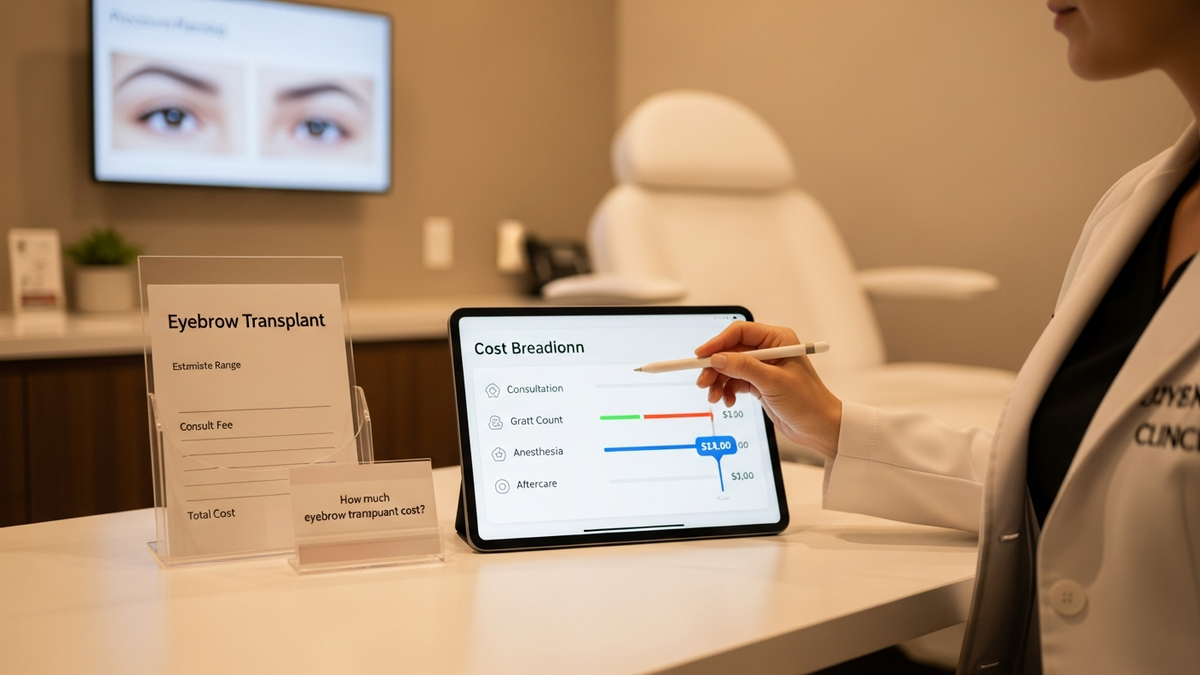
Pricing for eyebrow transplantation varies significantly due to factors such as graft count, technique, complexity of brow mapping, and whether additional sessions are needed. Rather than focusing only on the lowest price, prioritize value: surgeon expertise, natural design, and safety protocols.
Ask whether the quoted cost includes consultation, procedure, and follow-up care. Also ask about the expected number of grafts for your specific case and how the plan may change as healing progresses.
Maintenance and Styling: Getting the Best Long-Term Outcome
Once healed, many patients can style their brows lightly. However, avoid over-plucking or aggressive trimming in the early phase. Your surgeon may provide guidance on how to maintain shape without damaging developing hairs.
Because eyebrow hair growth cycles differ from scalp hair, patience is essential. The most natural results typically show up as hairs mature and align with the designed direction.
Realistic Expectations: Why Results May Not Look “Instant” Like Social Media
One reason the gabriel zamora eyebrow transplant topic trends is that social media can make changes appear immediate. In reality, transplant results follow biology. Temporary shedding, unevenness during healing, and gradual thickening are normal parts of the process.
Ask your surgeon for a timeline and what you should expect visually at each stage. A responsible provider will set expectations so you don’t misinterpret normal healing as failure.
FlowGeniQ Digest’s Actionable Checklist Before You Book
Use this quick checklist to prepare for a productive appointment:
- Track your history: when thinning began, any triggers (trauma, dermatologic issues, treatments).
- Gather photos: brow photos from different years (if available) to show progression.
- Write your goals: fuller tail? more arch definition? symmetry improvement?
- Ask about graft planning: how density targets are chosen.
- Confirm aftercare: what to do for cleansing, activity, and follow-up visits.
- Discuss alternatives: if you’re not a strong candidate, ask what the best path is instead.
These steps help you move beyond curiosity and toward an informed, personalized decision—exactly what FlowGeniQ Digest aims to support.
Related Consideration: The Role of Facial Anatomy in Brow Appearance
Eyebrows don’t exist in isolation. Brow position and visibility can be influenced by eyelid anatomy, forehead height, and overall facial structure. Some patients also explore related head and neck concerns as part of a broader aesthetic or functional plan.
For example, certain nasal breathing issues can affect facial comfort and quality of life. While this is not directly related to eyebrow transplantation, it reflects a common theme: a comprehensive evaluation of head and neck anatomy can lead to more confident decisions. If you’re exploring functional nasal options, you may consider reading about Septoplasty and Deviated Septum, or aesthetic nasal refinement via Rhinoplasty. These are examples of how a specialized facial plastic and reconstructive approach can address the whole person.
FAQ: Gabriel Zamora Eyebrow Transplant and Eyebrow Restoration
1) Is an eyebrow transplant the same as a hair transplant?
They are related in principle, but eyebrow transplantation is a specialized procedure. Eyebrow design requires micro-precision for growth direction, spacing, and facial harmony. So, while technique similarities exist, eyebrow work is its own artistic and technical discipline.
2) How long does it take to see full eyebrow transplant results?
Most patients see early changes within a few months, but full maturation often takes several months to a year. Your surgeon should provide a stage-by-stage expectation for your specific case.
3) Will my eyebrows look “too thick” or unnatural?
They can if the plan prioritizes density without respecting natural brow progression and direction. The best outcomes come from individualized mapping and conservative, face-specific design. Ask to see eyebrow cases with a similar look to your goals.
4) Can eyebrow transplants help with scar-related eyebrow loss?
Sometimes, depending on the scar type and skin quality. Scar tissue can affect placement and healing. A qualified surgeon should evaluate your brow skin and discuss whether transplantation is feasible or whether alternative strategies are recommended.
5) What should I do to protect grafts during recovery?
Follow your surgeon’s aftercare instructions closely—especially regarding cleansing, sun exposure, and activity restrictions. Avoid rubbing or picking at graft sites. If you develop unusual symptoms, contact your provider promptly.
CTA: Schedule a Consultation for Eyebrow Restoration With a Natural-Focused Plan
If you’re considering a gabriel zamora eyebrow transplant-style transformation, the best next step is a personalized consultation. A natural-looking brow restoration plan depends on your facial anatomy, the cause of your eyebrow loss, donor hair characteristics, and your long-term expectations.
To explore eyebrow transplant options and learn what could work for your situation, schedule a consultation with a qualified specialist. If you’d like to start your research, you can also review eyebrow transplant information for background on how eyebrow restoration is approached.
Professional Disclaimer
This content is provided for general educational purposes only by FlowGeniQ Digest. It is not a substitute for professional advice, diagnosis, or treatment. Readers are advised to consult qualified professionals for personalized recommendations.
Medical Information Disclaimer
This content is provided for general educational purposes only by FlowGeniQ Digest. It is not a substitute for professional advice, diagnosis, or treatment. Readers are advised to consult qualified professionals for personalized recommendations.