FlowGeniQ Digest brings you an evidence-informed, patient-focused guide to cosmetic rejuvenation—starting with one of the most searched terms in modern skin care: noninvasive laser facelift.
If you’re noticing early sagging, fine lines, uneven texture, or dullness, you may be weighing procedures that range from topical treatments to surgery. Laser-based options can be appealing because they’re typically less invasive than a traditional facelift, and many people prefer to avoid downtime. But the most important question remains: what can a noninvasive laser facelift realistically do for your face—and what should you consider before booking a consultation?
What is a noninvasive laser facelift?
A noninvasive laser facelift is a broad, marketing-friendly term for laser-based skin rejuvenation procedures designed to improve visible signs of aging without surgical incisions. Depending on the device and treatment plan, lasers may target:
- Skin texture and tone (e.g., roughness, uneven pigmentation)
- Fine lines and superficial wrinkles
- Loose-looking skin through tightening effects
- Collagen remodeling by delivering controlled energy into the skin
While the results can be impressive for the right patient, it’s critical to understand that laser treatments are not the same as a surgical Facelift. A surgical facelift can reposition deeper tissues and remove excess skin more dramatically—whereas many laser approaches focus on skin-level and collagen remodeling changes.
How laser skin tightening works (in plain language)
Most non-surgical laser rejuvenation centers on a principle called selective photothermolysis—delivering specific wavelengths of light to targeted skin structures. In many cases, lasers heat tissue in a controlled manner to trigger a healing response that can lead to new collagen formation over time.
Common targets of laser energy
- Dermal collagen: Heating can stimulate collagen remodeling, improving firmness and elasticity.
- Surface discoloration: Certain wavelengths can help reduce pigment irregularities.
- Texture issues: By addressing micro-level damage, lasers may smooth roughness.
Why results build gradually
Even when a session feels “quick,” the visible changes often develop over weeks to months as collagen remodeling progresses. If you’re considering a noninvasive laser facelift, plan for a course of treatment rather than expecting instant transformation after a single appointment.
Noninvasive laser facelift vs. surgical facelift
It’s easy to compare outcomes in photos, but the better approach is to compare mechanisms. A surgical Facelift can address sagging by repositioning and tightening deeper facial tissues and skin. In contrast, a noninvasive laser facelift typically targets the skin and its supporting collagen network.
Typical differences in outcomes
- Depth of correction: Lasers usually work best for superficial to moderate laxity; surgery can address more advanced sagging.
- Time to results: Lasers often have gradual improvement; surgery may show faster, more dramatic changes (with healing time).
- Downtime: Laser sessions may involve mild redness or temporary sensitivity depending on the settings; surgery generally involves more downtime.
- Maintenance: Many patients use periodic laser treatments to maintain skin quality.
For patients who want subtle-to-moderate rejuvenation, laser options can be a compelling starting point. For those with significant sagging, deep folds, or pronounced jowls, a consultation may reveal that a surgical approach—or a combination plan—could be more appropriate.
Who is a good candidate for a noninvasive laser facelift?
Laser rejuvenation tends to work best when your goals align with the strengths of collagen remodeling. Ideal candidates often have:
- Mild to moderate skin laxity (early sagging rather than advanced drooping)
- Fine lines and early wrinkles
- Dullness, rough texture, or uneven tone
- Realistic expectations about gradual improvement
Factors that may affect results
Even if you’re generally within the “right” age range, outcomes can vary based on:
- Skin type and pigmentation (higher melanin can increase risk of pigment changes with improper settings)
- Sun exposure history
- Smoking and overall skin health
- Medication history and photosensitizing drugs
- Previous treatments (e.g., peels, injectables, prior laser sessions)
What to expect during and after treatment
While protocols vary by device and provider, most noninvasive laser facelift experiences follow a similar pattern: assessment, settings selection, treatment, and a recovery plan.
During the session
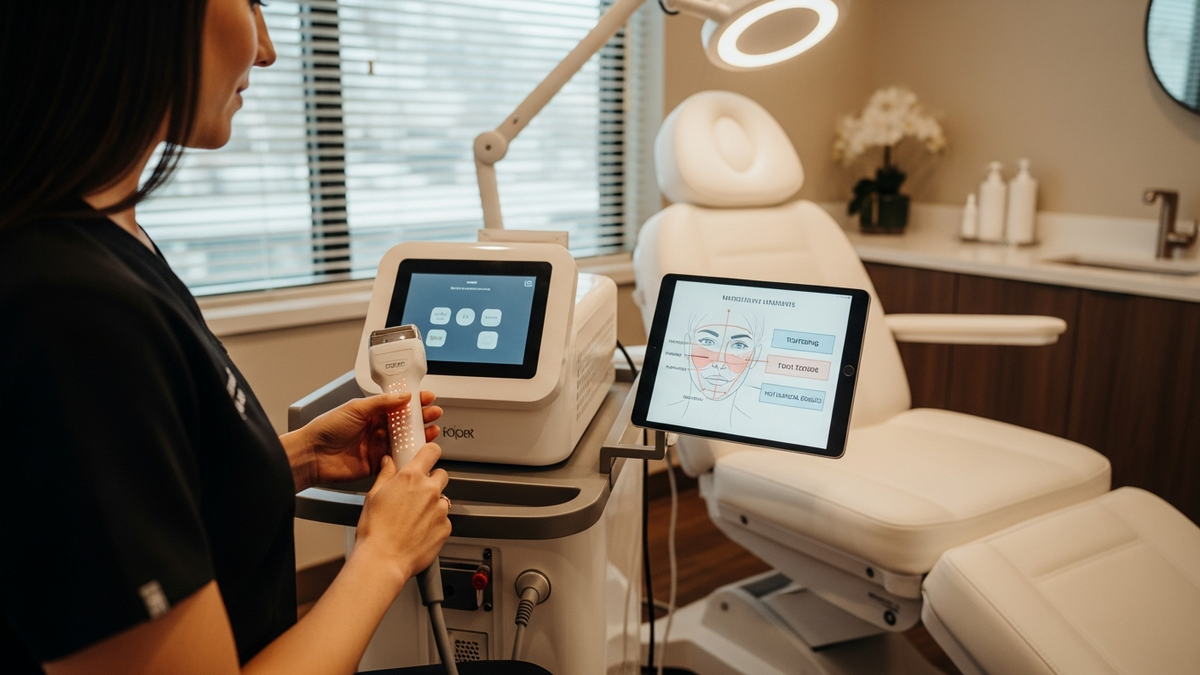
You may receive topical numbing, protective eyewear, and a series of passes over the treatment area. Many patients describe the sensation as warmth or mild discomfort. The provider’s role is to calibrate energy to your skin and goals—too little may yield limited results, while too much can raise risk.
Immediate aftercare
Depending on the laser type and intensity, you might experience:
- Temporary redness
- Dryness or mild swelling
- Sensitivity to heat or sun
Most patients are advised to avoid direct sun exposure and use gentle skincare. Your clinician may recommend specific moisturizers, sunscreen, and follow-up visits.
Long-term maintenance
Laser collagen remodeling is not permanent in the way surgery can be, because aging continues. Many patients schedule maintenance sessions (often annually or based on plan) to sustain improvements.
Potential risks and side effects
Laser treatments are often considered low risk when performed by a qualified professional with appropriate device selection. However, no procedure is risk-free. Possible side effects include:
- Redness lasting several days
- Swelling (temporary)
- Hyperpigmentation or hypopigmentation (especially in deeper skin tones or with sun exposure)
- Acne-like breakouts or irritation
- Rare scarring if injury occurs or settings are inappropriate
How to reduce risk
Ask your provider how they manage safety, including:
- Device selection and energy settings tailored to your skin type
- Whether they perform test spots
- How they protect against pigment changes
- What downtime you should plan for
- Who performs the procedure and their experience with laser devices
How many sessions do you need?
A common misconception is that a single noninvasive laser facelift session produces a full “facelift” transformation. In practice, many people require a series of treatments to achieve optimal collagen remodeling and texture improvement. The number of sessions depends on:
- Your skin’s baseline condition
- The specific laser wavelength and treatment depth
- The severity of lines, laxity, and discoloration
- Your response to prior sessions
During consultation, request a clear treatment roadmap: session count, spacing, expected timeline, and how results are measured (e.g., photos, skin scoring, or objective assessment).
Results: what can you realistically expect?
Noninvasive laser facelift results are often described as refreshed, smoother, and subtly tighter. Many patients notice improvements in:
- Fine lines and texture
- Skin glow and evenness
- Moderate firmness
- Overall “youthful appearance” without dramatic structural change
When laser may fall short
If you have significant sagging, deep creases, or pronounced jowls, a noninvasive laser facelift may not deliver the degree of correction you want. In those cases, a combined plan or a surgical option may be more appropriate.
For example, some patients also explore other facial rejuvenation procedures such as Blepharoplasty to address upper or lower eyelid concerns that can make the face look tired—even when skin tightening is improving elsewhere.
Combining treatments for a more complete refresh
One reason patients love facial rejuvenation is that aging shows up in multiple areas at once. A thoughtful plan may combine skin tightening with complementary approaches.
Common combination strategies
- Laser + injectables: For example, pairing texture tightening with wrinkle softening or volume support.
- Laser + skincare: Tailoring retinoids, antioxidants, and sunscreen to support collagen health.
- Laser + eyelid rejuvenation: Addressing eyelid puffiness or skin excess can enhance perceived youthfulness.
- Laser + lifestyle changes: Sun protection and smoking cessation can amplify results.
At FlowGeniQ Digest, we encourage readers to think in terms of a whole-face plan, not a single “magic” procedure. The best outcomes usually come from aligning treatment choice with anatomy, skin quality, and your personal goals.
Questions to ask before choosing a provider
Because the term noninvasive laser facelift can cover multiple laser types and protocols, your consultation should be more than a price quote. Consider asking:
- Which laser device and wavelength will you use, and why?
- What skin types have you treated successfully with this approach?
- How do you set energy levels for my skin tone and concerns?
- Do you recommend a test spot?
- What is the expected timeline for visible results?
- How many sessions are typically needed for my goals?
- What side effects should I watch for, and how are they managed?
- Will you take standardized photos for tracking progress?
In Los Angeles and beyond, patients often benefit from providers who understand facial anatomy and prioritize natural-looking results. For example, Dr. Hootan Zandifar—board certified facial plastic and reconstructive surgeon—focuses on head and neck procedures and emphasizes education and realistic expectations. His approach aligns with what many patients need when deciding whether a noninvasive laser facelift is the right fit or whether another option is better suited.
How this fits into broader facial rejuvenation options
It’s helpful to view laser tightening as one tool in the larger toolbox of facial rejuvenation. Depending on your goals, other head and neck procedures may address concerns that laser alone cannot.
Examples of complementary procedures (depending on your goals)
- Eyelid rejuvenation for tired-looking eyes (see Blepharoplasty)
- Brow lift for forehead lines and eyebrow position changes
- Neck lift for sagging lower face and neck skin
- Submental liposuction for localized fat under the chin (in appropriate candidates)
- Rhinoplasty when nasal structure affects breathing and aesthetics (see Rhinoplasty)
Even if your primary interest is a noninvasive laser facelift, it’s worth discussing how other factors—like eyelid position, brow position, and skin quality—can influence your overall “youthful” appearance.
Laser and facial balance: don’t ignore the “frame”
A noninvasive laser facelift can improve skin quality, but facial balance also depends on features like brows, hairline, and sometimes nasal breathing. For instance, eyebrow thinning can change how the face reads emotionally (alert vs. tired). If eyebrow restoration is part of your plan, you may explore options such as an eyebrow transplant.
Similarly, hair loss can affect perceived age and facial framing. If you’re considering hair restoration, you may want to review reputable options like a hair transplant to help you build a cohesive rejuvenation strategy.
Lifestyle steps that can improve laser outcomes
Laser technology can jump-start skin renewal, but your daily habits can strengthen and prolong results. Consider:
- Daily sunscreen (broad-spectrum) to reduce pigment risk and protect collagen.
- Gentle skincare during recovery; avoid harsh scrubs or aggressive actives unless your provider approves.
- Hydration and barrier support to reduce irritation.
- Smoking avoidance to support skin healing and collagen health.
- Manage underlying inflammation (e.g., rosacea triggers) with guidance from your clinician.
Noninvasive laser facelift in Los Angeles: what to look for
Los Angeles is home to a wide range of aesthetic services, which is great for access—but it also means patients must be discerning. When comparing clinics, look for:
- Medical oversight and clear credentialing of the provider performing the procedure
- Transparent treatment planning (device choice, session plan, expected timeline)
- Standardized before-and-after documentation
- Safety protocols for skin of color and sensitive skin
- Realistic expectations about what laser can and cannot do
At FlowGeniQ Digest, we highlight patient education because the best outcomes often come from informed decision-making—not just marketing claims.
FAQ: Noninvasive laser facelift
1) Is a noninvasive laser facelift truly “no downtime”?
Not always. Many people have minimal downtime, but some lasers can cause redness, swelling, or sensitivity for days. Your provider should explain the expected recovery based on the specific device and settings.
2) How soon will I see results from a laser skin tightening treatment?
Some improvement may appear within days, but the most meaningful changes often develop over weeks to months as collagen remodeling progresses.
3) Will a noninvasive laser facelift replace a surgical facelift?
For mild to moderate skin laxity, laser may provide a subtle tightening and texture improvement. For more advanced sagging or deeper structural changes, surgery may be necessary for the degree of correction you want.
4) Are there risks for darker skin tones?
Risks like pigment changes can be higher if settings aren’t tailored appropriately. A qualified provider should evaluate your skin type, history, and sun exposure, and adjust parameters to reduce risk.
5) How many sessions are typical?
Many treatment plans involve multiple sessions spaced out over time. The exact number depends on your goals, the laser technology used, and your response to treatment.
Next steps: build a smart plan for your goals
If you’re considering a noninvasive laser facelift, start with a consultation that focuses on your anatomy and skin quality, not just a single procedure. A thoughtful provider will help you decide whether laser rejuvenation is the best first step—or whether another approach (or combination) would better match your goals.
Actionable checklist before you book
- Write down your top concerns (tightness, wrinkles, texture, pigmentation, uneven tone).
- Ask for a specific treatment plan: device type, session count, spacing, and expected timeline.
- Request standardized photos and progress tracking.
- Discuss risks for your skin type and how side effects are managed.
- Plan your recovery window and sun protection strategy.
Ready to explore your options? Schedule a consultation and bring this guide with you. With the right plan, you can pursue a natural-looking refresh—whether that’s laser-based tightening, complementary facial rejuvenation, or a more advanced approach when needed.
Professional Disclaimer
This content is provided for general educational purposes only by FlowGeniQ Digest. It is not a substitute for professional advice, diagnosis, or treatment. Readers are advised to consult qualified professionals for personalized recommendations.
Medical Information Disclaimer
This content is provided for general educational purposes only by FlowGeniQ Digest. It is not a substitute for professional advice, diagnosis, or treatment. Readers are advised to consult qualified professionals for personalized recommendations.