Non surgical fat grafting: a modern way to restore facial volume—without traditional surgery
Facial aging often shows up as volume loss, hollowing, and subtle contour changes—especially in areas like the cheeks, under-eye region, jawline, and temples. While surgical fat transfer can be effective, many people want a less invasive path with minimal downtime. That’s where non surgical fat grafting comes into the conversation.
At FlowGeniQ Digest, we review emerging aesthetic options and translate them into practical guidance: what procedures do, how outcomes are assessed, and how to choose a safe, qualified care plan. In this guide, we’ll explain what “non surgical fat grafting” generally means, how it compares with surgical fat transfer and other volume techniques, and what you should ask during a consultation.
What is non surgical fat grafting?
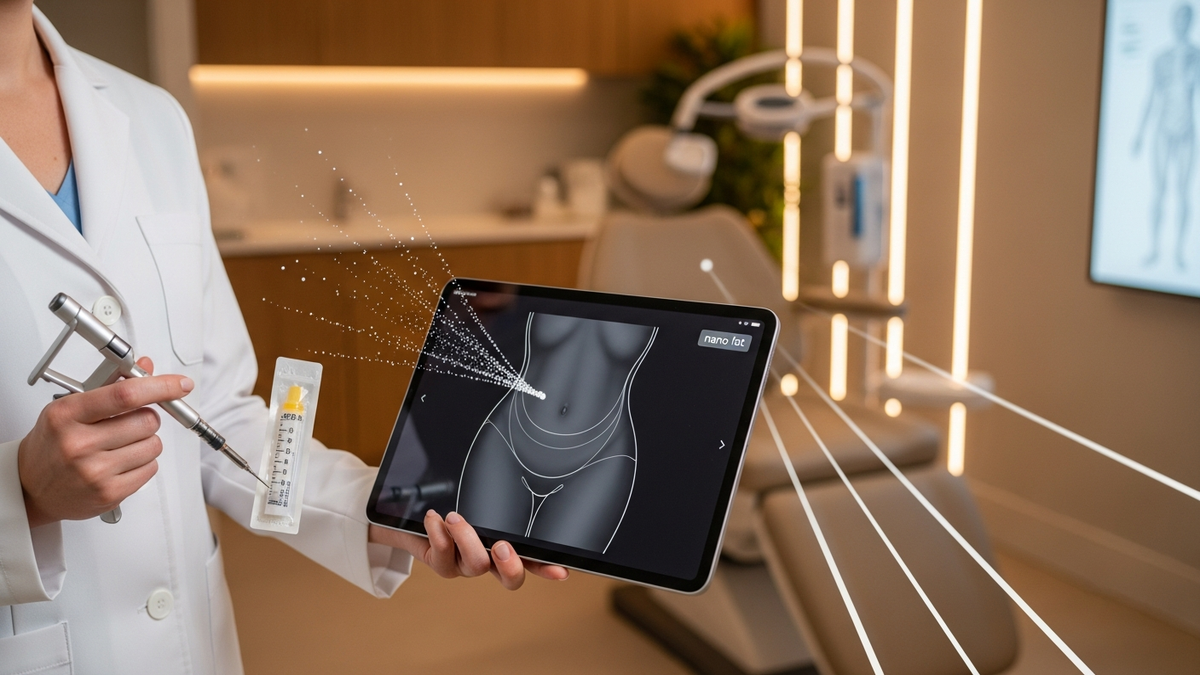
“Non surgical fat grafting” is an umbrella term patients may hear for minimally invasive approaches that aim to add volume and improve contours in a way that resembles the goals of fat grafting. In practice, the exact technique varies by provider and region, but it typically falls into one of these categories:
- Injectable volume restoration (using materials designed to integrate or provide structural support)
- Minimally invasive fat-related approaches that may not require the same surgical steps as classic fat transfer (e.g., no large incisions or extensive harvesting)
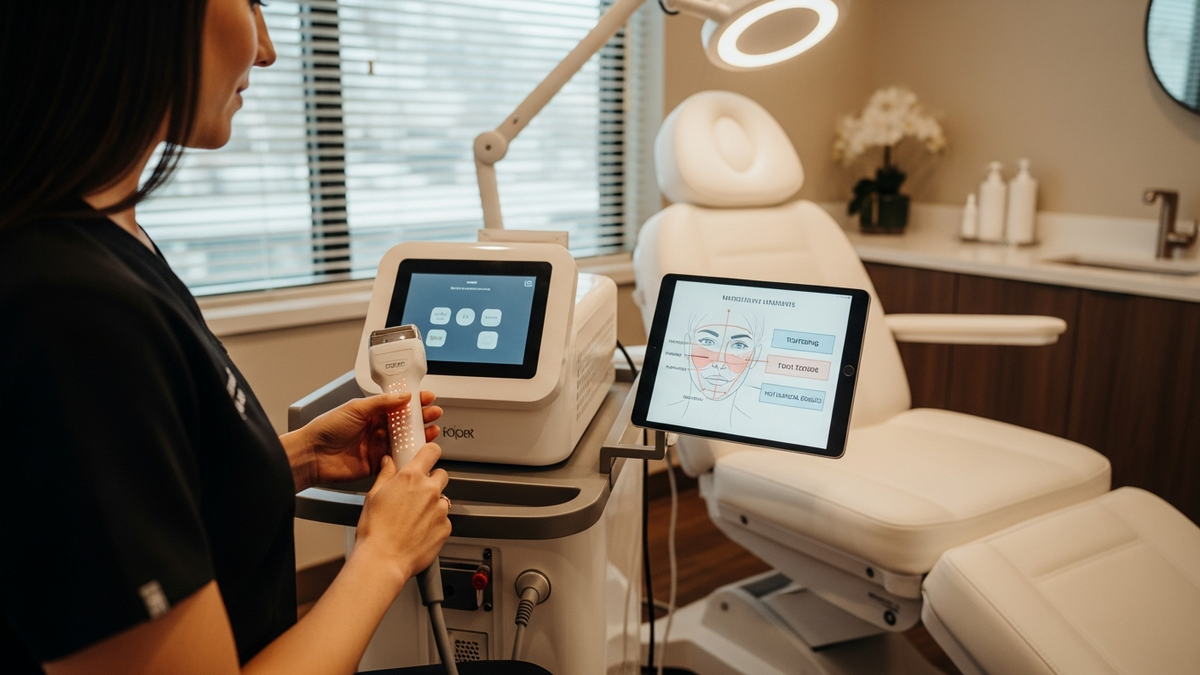
- Adjunctive contouring paired with skin tightening or resurfacing to enhance the overall “lift” effect
Because terminology can differ, the most important takeaway is this: non surgical fat grafting is not one single universal procedure. A high-quality consultation should clarify the specific method being used, the expected longevity, and the risk profile.
How it differs from surgical fat grafting
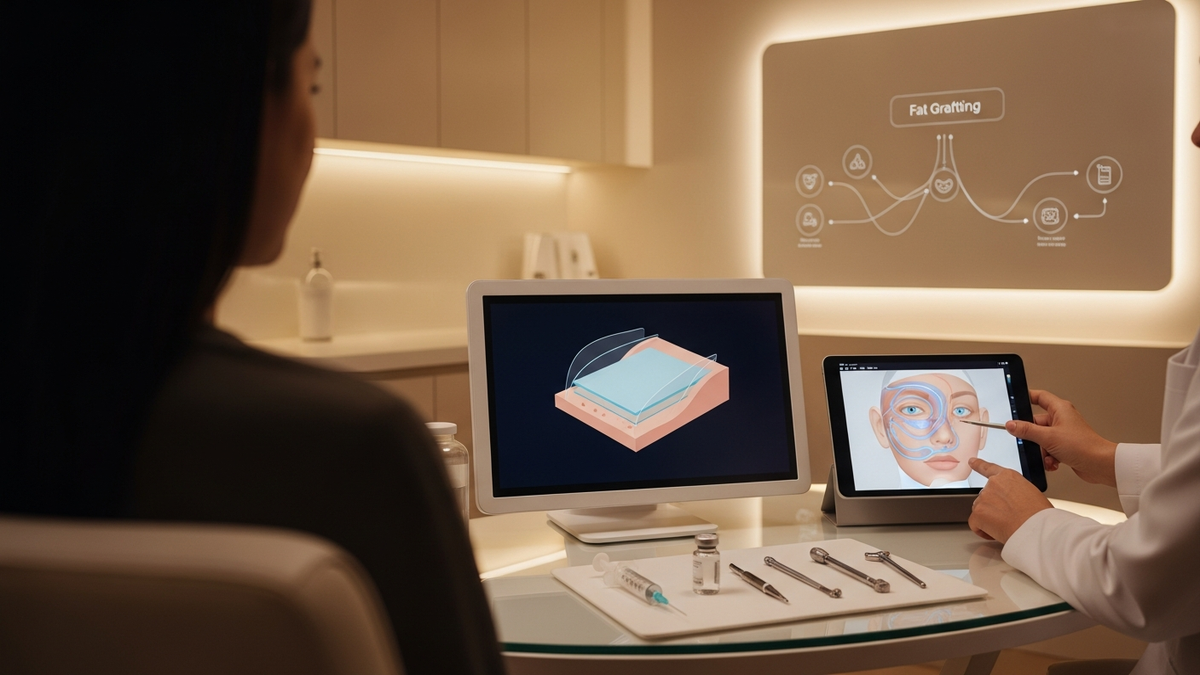
Classic surgical fat grafting usually involves liposuction to harvest fat, processing the fat, and then injecting it into targeted facial areas. It can produce natural-looking results, but it’s still a surgical process with typical surgical considerations.
In contrast, non surgical fat grafting approaches generally focus on:
- Minimally invasive delivery (often injection-based)
- Reduced downtime
- More flexible session planning (some patients prefer staged treatments)
Depending on the technique, longevity may be shorter or more variable than surgical fat transfer—again, a detail that should be confirmed before proceeding.
Common goals of non surgical fat grafting
Patients typically seek non surgical fat grafting to address:
- Cheek volume loss for a refreshed midface appearance
- Hollowing in the under-eye or temple region (when appropriate)
- Jawline contour refinement for a smoother transition between chin and cheeks
- Nasolabial fold softening (selected cases)
- Skin quality enhancement when paired with other modalities
Note: The “best” approach depends on anatomy, skin thickness, fat distribution, and overall facial proportions. A careful evaluation is essential—especially for areas with higher sensitivity.
Who is a good candidate?
Ideal candidates generally have realistic goals and good overall health. You may be a strong candidate for non surgical fat grafting if:
- You’re experiencing early-to-moderate volume loss and want contour improvement
- You prefer less downtime compared with surgical options
- You’re comfortable with the possibility of staged sessions or touch-ups
- You have no contraindications to the specific injectable or technique being proposed
Some patients may be better served by other procedures—such as submental liposuction for localized fat deposits under the chin, or a Facelift for more significant skin laxity. In some cases, a combination plan yields the most natural outcome.
When non surgical fat grafting may not be the best fit
Non surgical fat grafting may be less suitable if you have:
- Significant skin laxity that primarily requires lifting/tightening rather than volume
- Severe contour irregularities needing structural correction
- Unrealistic expectations about permanence or degree of change
- Medical conditions that increase risk for the specific material/technique
A skilled facial specialist will explain why a different treatment—possibly surgical—may be safer or more effective.
How the procedure typically works
While protocols vary, a typical non surgical fat grafting experience involves the following steps:
- Consultation and facial assessment
- Discussion of goals (e.g., “restore midface fullness” or “soften hollowness”)
- Review of medical history and medications
- Analysis of facial proportions and skin quality
- Imaging and mapping
- Many clinics use standardized photography and injection planning to optimize symmetry
- Some providers use ultrasound guidance where appropriate
- Preparation
- Topical anesthesia and/or local anesthetic may be used
- Skin is cleaned and prepped
- Injection phase
- Precise placement based on facial anatomy
- Small-volume injections distributed to create a smooth contour
- Post-procedure evaluation
- Clinician checks symmetry and immediate response
- Clear aftercare instructions are provided
Ask your provider about the exact technique, the product/material used (if applicable), and how they measure success for your specific area.
What results can you expect?
Non surgical fat grafting aims for natural-looking restoration. However, timelines and degree of change depend on the chosen method.
Short-term vs. long-term appearance
- Immediate: Many patients notice early contour changes, though swelling and bruising can temporarily alter appearance.
- First 1–2 weeks: Swelling typically improves; the face often looks closer to final.
- Several weeks to months: Final integration and settling may continue depending on the technique.
How to evaluate “natural” results
Natural results generally mean:
- Proportion looks balanced from multiple angles
- Texture appears smooth rather than lumpy or overly augmented
- Movement (smiling, facial expressions) doesn’t look stiff or unnatural
- Gradual aging doesn’t look “frozen” or mismatched
During your consultation, request before-and-after examples for patients with similar facial structure to yours.
Risks and side effects to know before you book
Any injectable or minimally invasive contouring procedure has potential risks. While many are temporary, it’s important to understand what can happen and how complications are managed.
Common temporary side effects
- Swelling
- Bruising
- Redness
- Tenderness at injection sites
Less common but important risks
- Asymmetry or uneven contour (may require touch-ups)
- Infection (rare, but possible)
- Granuloma or inflammatory reactions (depends on material/technique)
- Vascular complications (rare but serious—requires experienced technique and emergency protocols)
- Overcorrection or undercorrection
Choose a provider who performs the procedure frequently and who can clearly explain their safety protocols.
Non surgical fat grafting vs. other facial enhancement options
Patients often compare non surgical fat grafting to other head-and-neck aesthetic treatments. The best choice depends on what you’re trying to change—volume, skin laxity, fat deposits, or structural balance.
Non surgical fat grafting vs. submental liposuction
If your concern is localized fat under the chin (often described as a “double chin”), submental liposuction may be more directly targeted. Submental liposuction is minimally invasive and can help break down and eliminate excess fat in the chin/neck/jawline area, resulting in more defined facial lines.
Non surgical fat grafting vs. surgical lifting (Facelift)
Volume restoration and skin tightening are different goals. When sagging skin is the main issue, a Facelift may be considered. Non surgical fat grafting can complement lifting, but it usually doesn’t replace the structural effect of a lift.
Non surgical fat grafting vs. rhinoplasty (for balance)
Though rhinoplasty is primarily about nasal aesthetics and function, facial harmony matters. Some patients pursue nasal refinement alongside facial volume work. If you’re exploring options, you may also want to review Rhinoplasty when breathing or shape concerns are present.
Similarly, functional nasal evaluation may be important if you experience chronic congestion. In some cases, structural nasal issues such as a Deviated Septum can affect comfort and overall quality of life.
Recovery and downtime
One reason patients choose non surgical fat grafting is typically the expectation of faster recovery. Exact timelines vary, but a common pattern looks like this:
- Day 0–2: Mild to moderate swelling/bruising may occur; plan for a low-activity schedule.
- Days 3–7: Many patients return to normal social activities depending on bruising and personal sensitivity.
- After 1–2 weeks: Most visible side effects settle; you can better judge the contour change.
Your provider may recommend avoiding certain activities (e.g., intense workouts, alcohol, or heat exposure) for a short period. Follow their instructions carefully—this can meaningfully influence comfort and final results.
Aftercare recommendations (general)
- Keep follow-up appointments to assess symmetry and healing
- Use prescribed topical care if provided
- Avoid aggressive massage unless your clinician instructs otherwise
- Stay hydrated and prioritize sleep to support recovery
- Tell your provider promptly if you experience unusual pain, fever, or rapidly worsening redness
How to choose a qualified provider
Because “non surgical fat grafting” can refer to different techniques, your provider selection matters as much as the procedure itself.
What to look for during your consultation
- Clear explanation of the exact technique being used
- Evidence of experience with your specific facial concern
- Before-and-after photos of patients with similar anatomy
- Safety protocols and emergency preparedness (especially for injections)
- Realistic outcome discussion, including limitations and longevity expectations
- Transparent plan for touch-ups or revisions if needed
Questions to ask
- What exactly is being used for non surgical fat grafting in my case?
- Where will the product/material be placed and why?
- What results are typical for my age and facial structure?
- How long do results last, and what affects longevity?
- What are the most important risks for the area I’m treating?
- What is your approach if I’m not satisfied with the outcome?
Cost considerations (what influences pricing)
Pricing for non surgical fat grafting can vary widely. In general, cost may depend on:
- The type of technique and materials used
- The number of treatment sessions recommended
- The amount of product/material required
- The complexity of the facial area (e.g., under-eye vs. cheeks)
- The provider’s experience and safety protocols
When comparing quotes, focus on value and safety—not just the lowest price. Ask whether follow-up visits are included and whether touch-ups are offered.
Non surgical fat grafting FAQs
1) Is non surgical fat grafting permanent?
Not always. Longevity depends on the specific technique and materials used, your metabolism, lifestyle factors, and the area treated. During your consultation, ask for an evidence-based estimate of how long results typically last for your chosen approach.
2) Will I look “overfilled” after treatment?
When performed thoughtfully, non surgical fat grafting aims for gradual, proportionate restoration. A skilled provider uses injection mapping and conservative planning to avoid a puffy or unnatural look. Still, swelling can temporarily change appearance—so final assessment is usually delayed until healing progresses.
3) How soon can I return to work or social events?
Many patients return within a few days, depending on bruising and comfort. If you have an event or important meeting, schedule around the expected peak swelling period and follow your provider’s aftercare guidance.
4) Are there areas where non surgical fat grafting is riskier?
Certain facial regions (like the under-eye area) require special caution due to anatomy and sensitivity. A qualified provider should evaluate your suitability and discuss risk mitigation strategies tailored to your case.
5) How do I know if I need non surgical fat grafting or a surgical option?
The best approach depends on whether your main concern is volume loss, skin laxity, or fat deposits. For example, localized fat under the chin may respond better to submental liposuction, while significant sagging may be better addressed with a Facelift. Your clinician should clearly justify their recommendation based on your anatomy and goals.
Actionable next steps (how to prepare for your consultation)
If you’re considering non surgical fat grafting, use these steps to make your appointment more productive:
- Collect references: Save photos that reflect the look you want (natural, not extreme).
- Write down your goals: Specify areas of concern and what bothers you most.
- Review your medical history: Bring a list of medications, supplements, allergies, and prior procedures.
- Ask about the exact technique: Confirm what will be used and where it will be placed.
- Discuss safety and contingency plans: Ask what happens if you experience an adverse reaction or need adjustment.
FlowGeniQ Digest encourages readers to approach aesthetic decisions with a safety-first mindset and to prioritize a provider who can explain both benefits and limitations in plain language.
CTA: Ready to explore non surgical fat grafting?
If you want a more refreshed facial contour with minimal downtime, schedule a consultation with a qualified facial specialist to discuss whether non surgical fat grafting is appropriate for your anatomy and goals. During your visit, be sure to ask about technique details, realistic timelines, and the plan for long-term results.
Book your consultation today and take the next step toward a confident, natural-looking outcome.
Professional Disclaimer
This content is provided for general educational purposes only by FlowGeniQ Digest. It is not a substitute for professional advice, diagnosis, or treatment. Readers are advised to consult qualified professionals for personalized recommendations.
Medical Information Disclaimer
This content is provided for general educational purposes only by FlowGeniQ Digest. It is not a substitute for professional advice, diagnosis, or treatment. Readers are advised to consult qualified professionals for personalized recommendations.